AllAI & MLRoboticsAutonomy3D PrintingElectrificationSafetyWorkforceMaterialsEDITOR'S PICKWEEKLY DISPATCH
Category

Safety & Wearables

OSHA regulations, jobsite safety technology, smart PPE, wearables, incident prevention, and compliance tools.

382 stories found

The implementation discipline gap that defined 2026 continues to crystallize into measurable operational consequences. Construction organizations now possess unprecedented technical capacity for hazard detection—from drone-based monitoring systems exemplified by Axon's expanded first-responder capabilities through Skydio to real-time wearable sensors and environmental exposure tracking—yet this capability remains systematically underdeployed where it matters most. Recent industry reports documenting how technology is improving construction worker safety and health reveal that successful implementations cluster within organizations already operating mature safety cultures, while struck-by incidents, scaffolding collapses, and adjacent-work hazards continue claiming lives across the broader industry. The technical pathways to remove personnel from hazardous exposures now exist. The distinguishing factor separating organizations with demonstrable safety outcomes from those experiencing preventable fatalities is not equipment availability but organizational discipline: the commitment to respond consistently to alerts generated, the financial commitment to ensure properly fitted PPE reaches and remains functional on worksites, and the psychological safety cultures that enable workers across all employment categories—permanent crews, contracted specialists, and maintenance personnel—to disclose health limitations and hazards without schedule-driven retaliation.

Data security and privacy requirements for connected PPE have emerged as a critical implementation barrier that construction companies continue to underestimate. Smart wearables transmitting health data, respiratory protection metrics, or environmental exposure information create significant liability exposure when medical information remains inadequately protected across cloud-based systems. This security dimension operates simultaneously as a regulatory compliance requirement and an organizational accountability framework—companies deploying connected PPE without robust data protection protocols face exposure not only to occupational health violations but to data breach liability affecting workers' protected health information. The paradox remains structural: the same cloud connectivity enabling real-time hazard alerts and longitudinal health monitoring creates attack surfaces and privacy vulnerabilities that organizations must actively defend.

Recent regulatory developments reinforce that standards organizations have moved decisively beyond prescriptive requirements into implementation efficacy. OSHA's expanded Type II safety helmet guidance, the National Safety Council's updated ROI calculators for safety technology investments, and revised ANSI/ISEA standards for high-visibility apparel now addressing fit issues that compromise protective function establish that properly equipped and trained personnel represent documented baseline requirements rather than debatable operational considerations. Simultaneously, emerging legislative action—including Ohio's work zone safety act and MSHA's proposed updates to silica dust exposure rules for mining—demonstrates regulatory bodies recognizing that hazard detection and exposure documentation alone insufficient without enforcement mechanisms ensuring organizational response. Construction executives in 2027 must recognize that competitive differentiation and legal defensibility depend less on acquiring additional detection systems and more on establishing the organizational infrastructure to translate safety information into consistent operational discipline, ensuring all worker populations receive appropriate protection, and creating accountability frameworks where hazard disclosure generates protective action rather than schedule pressure.

Construction risk management: What it is, how it works and best practices
Fieldwire Blog·Jul 8, 2026

Construction risk management: What it is, how it works and best practices

Construction risk management involves identifying, analyzing, and controlling hazards to protect workers, assets, and project schedules on job sites. Effective practices include hazard assessments, safety protocols, insurance planning, and continuous monitoring to prevent costly incidents and delays.
Safety
WEEKLY DISPATCH
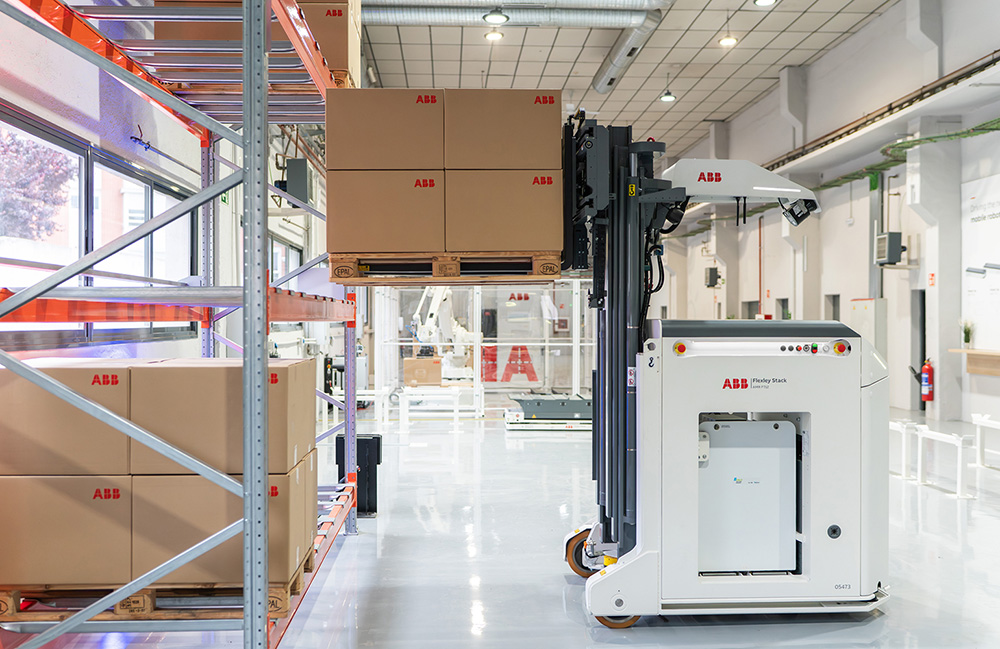
ABB Robotics includes vSLAM navigation in F712 autonomous forklift
Robotics Business Review·Jul 7, 2026

ABB Robotics includes vSLAM navigation in F712 autonomous forklift

ABB Robotics has equipped its Flexley Stacy F712 autonomous forklift with vSLAM (visual simultaneous localization and mapping) technology to enable vision-based navigation on job sites. The F712 is designed to work alongside other robots and meets established safety standards for autonomous material handling.

RoboticsAutonomy
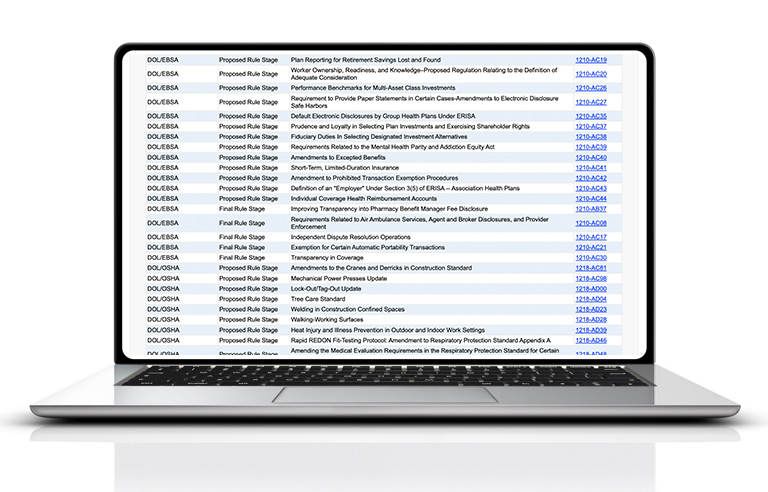
Trump administration issues latest regulatory agenda
Safety+Health Magazine·Jul 7, 2026

Trump administration issues latest regulatory agenda

OSHA plans to release a proposed update to its lockout/tagout safety standard (1910.147) by November 2026, marking the first modernization of this critical equipment safety requirement in decades. The updated rule aims to clarify and strengthen protections for workers who service or maintain machinery and equipment on job sites.

Safety
Working In The Heat
JLC Online·Jul 1, 2026

Working In The Heat

Summer heat brings workplace safety challenges that construction crews must actively manage to protect their teams. While weather conditions can't be controlled, proper planning and precautions are essential for safe job site operations during hot months.

Safety
Safe-in-Sound Awards: nomination period underway
Safety+Health Magazine·Jul 7, 2026

Safe-in-Sound Awards: nomination period underway

NIOSH is now accepting nominations for the 2027 Safe-in-Sound Excellence in Hearing Loss Prevention Awards, which recognize organizations and professionals who implement effective practices to prevent on-the-job noise-induced hearing loss. Construction companies and individual professionals can submit nominations for innovative hearing protection programs and solutions that demonstrate measurable results in workplace safety.

Safety
Sonair ADAR One 3D ultrasonic sensor is now safety-certified
Robotics Business Review·Jun 30, 2026

Sonair ADAR One 3D ultrasonic sensor is now safety-certified

Sonair's ADAR One 3D ultrasonic sensor has received safety certification under the IEC 61496 standard for human detection devices. The certification confirms the sensor meets international safety requirements for electrosensitive protection equipment used in industrial and construction settings.

RoboticsSafety
New safety talk: adequate light on construction sites
Safety+Health Magazine·Jul 6, 2026

New safety talk: adequate light on construction sites

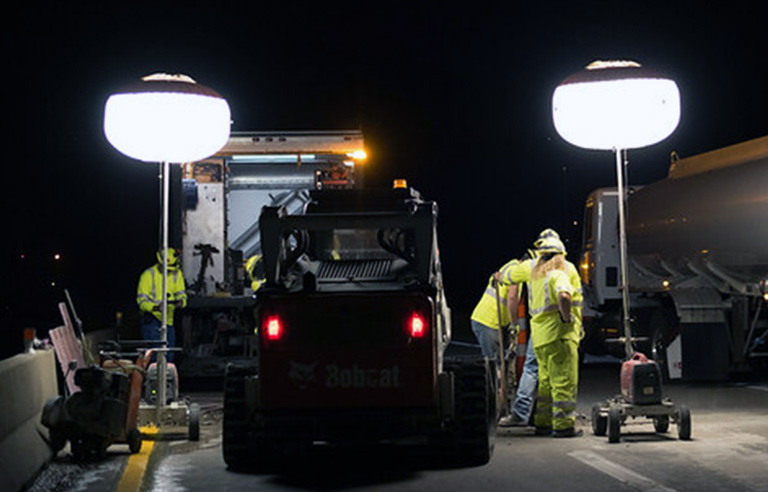
The Infrastructure Health and Safety Association is highlighting the importance of adequate lighting on construction worksites to reduce visibility-related hazards. Poor lighting increases risks of slips, trips, and falls while also causing eye strain and headaches for workers.

Safety
New NOAA/OSHA Flood Safety Infographics Available
AGC of America News·Jun 30, 2026

New NOAA/OSHA Flood Safety Infographics Available

NOAA and OSHA have released new flood safety infographics to help construction workers understand hazards and best practices during flooding events. The resources provide practical guidance for site safety and emergency preparedness in flood-prone areas.

Safety
New chemical-exposure model bridges ‘gap between research labs and reality’: study
Safety+Health Magazine·Jul 2, 2026

New chemical-exposure model bridges ‘gap between research labs and reality’: study

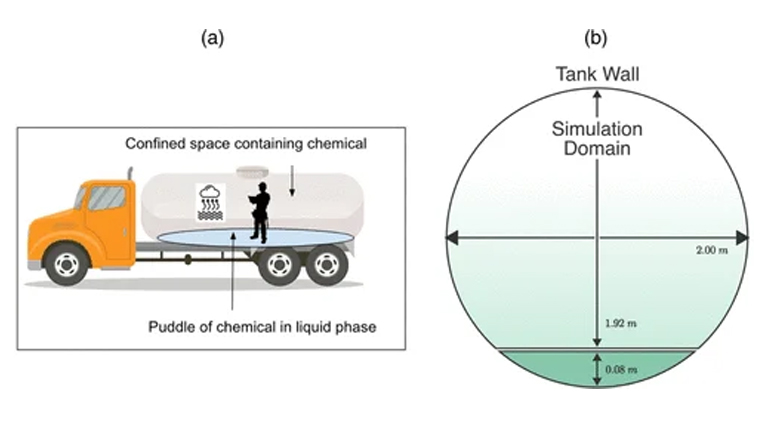
Georgia Tech researchers created a computer model that predicts how chemical vapors accumulate in enclosed spaces, helping workers understand exposure risks after job-site chemical spills. The tool bridges the gap between controlled lab testing and real-world construction and industrial environments.

Safety
The key AI features in construction management software that help field crews most
Fieldwire Blog·Jun 26, 2026

The key AI features in construction management software that help field crews most

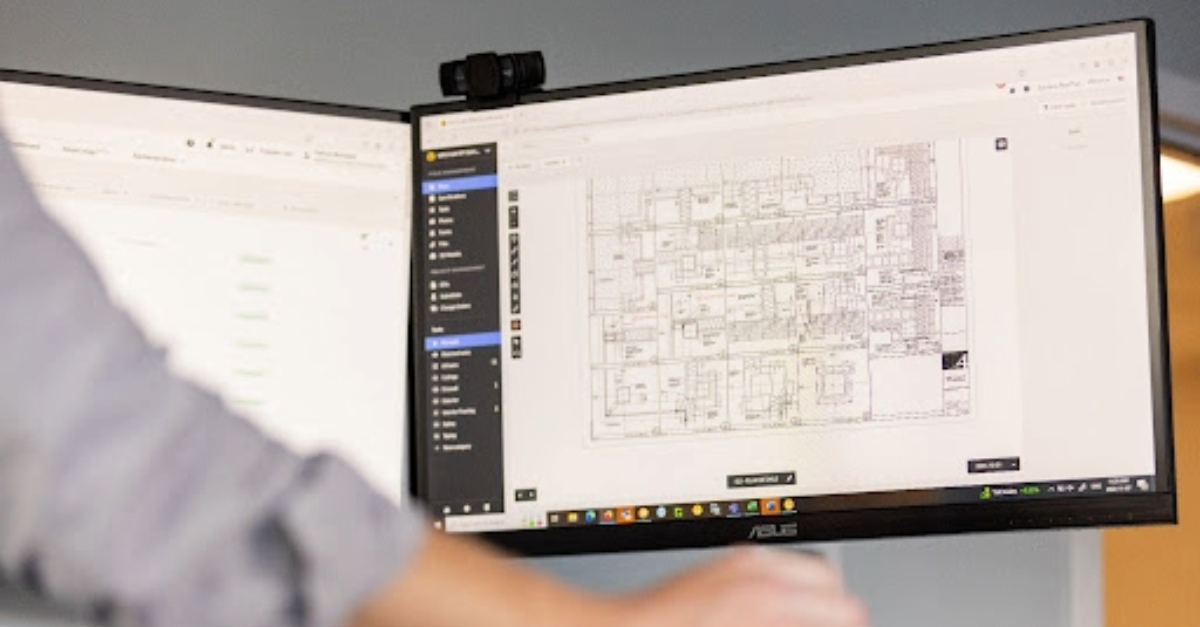
Modern construction management software uses AI to streamline field operations through real-time project tracking, automated reporting, and predictive analytics that help crews stay on schedule and budget. Key features like image recognition for progress monitoring, intelligent resource allocation, and safety hazard detection directly reduce manual work and improve decision-making on job sites.

AI & MLWorkforce
EPA delays proposed rule on asbestos, says it needs more information
Safety+Health Magazine·Jul 1, 2026

EPA delays proposed rule on asbestos, says it needs more information

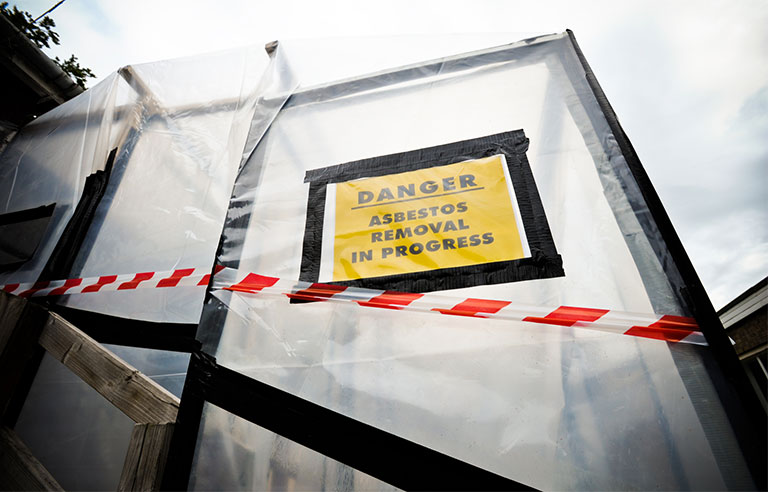
The EPA is delaying its proposed rule on asbestos protection for workers and has reopened its request for information to gather additional data. The agency is prioritizing worker safety by ensuring the rule adequately addresses the serious health risks posed by legacy asbestos use in construction.

SafetyWorkforce
Do these PPE ‘pain points’ sound familiar?
Safety+Health Magazine·Jun 30, 2026

Do these PPE ‘pain points’ sound familiar?

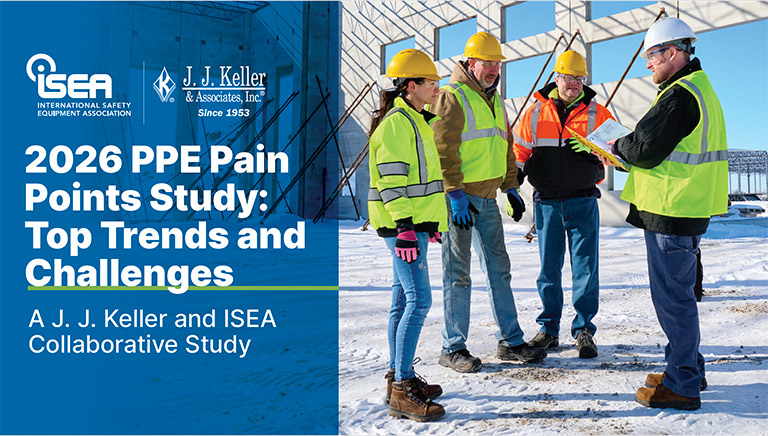
More than two-thirds of employers report difficulty getting workers to consistently follow proper personal protective equipment protocols, according to a 2026 PPE Pain Points Study surveying 500 employers. The research identifies top challenges and emerging trends related to PPE compliance and use in the workplace.

SafetyWorkforce
Beware the ‘shiny object’ when choosing safety tech, NSC experts say
Safety+Health Magazine·Jun 30, 2026

Beware the ‘shiny object’ when choosing safety tech, NSC experts say

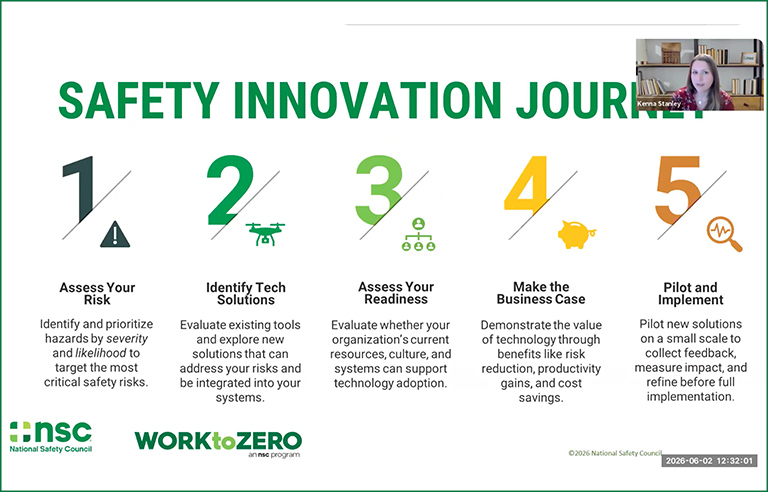
Employers should prioritize safety technology that fits their actual needs rather than adopting the latest trendy solutions. The National Safety Council emphasizes choosing practical, purpose-driven safety tools over flashy new options.

Safety
‘What does improve safety is people,’ Chemical Safety Board member says
Safety+Health Magazine·Jun 29, 2026

‘What does improve safety is people,’ Chemical Safety Board member says

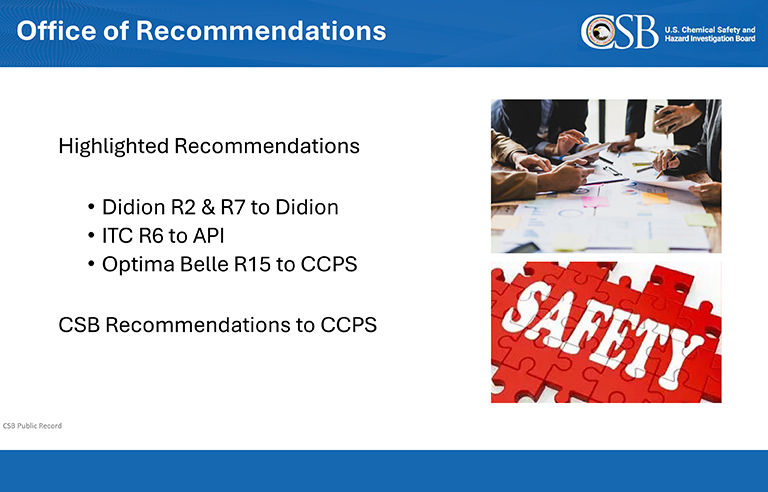
The Chemical Safety Board continues operating despite budget elimination threats from the Trump administration and is working with industry and worker groups on safety initiatives. A board member emphasized that effective safety improvements depend on people, not just regulatory oversight.

SafetyWorkforce
DOL workers’ comp office asks for information on latest hearing test methods
Safety+Health Magazine·Jun 29, 2026

DOL workers’ comp office asks for information on latest hearing test methods

The Department of Labor's Office of Workers' Compensation Programs is seeking information on modern hearing test methods to update its regulatory standards. The agency aims to ensure its quality standards better reflect current advances in audiometric testing technology.

SafetyWorkforce
NIOSH partners with manufacturer to develop silica dust filtration tool
Safety+Health Magazine·Jun 29, 2026

NIOSH partners with manufacturer to develop silica dust filtration tool

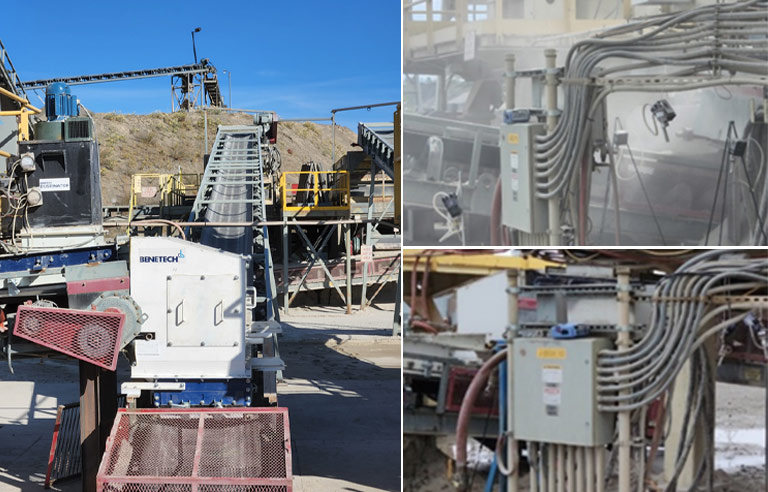
NIOSH and Benetech Inc. have jointly developed the Dustinator, a silica dust filtration system that can be retrofitted to mine equipment and reduces respirable crystalline silica exposure by up to 93%. The new tool addresses a critical occupational health hazard for workers in mining and construction operations.

SafetyMaterials
Many power-line injuries involve workers in nonelectrical jobs: study
Safety+Health Magazine·Jun 26, 2026

Many power-line injuries involve workers in nonelectrical jobs: study

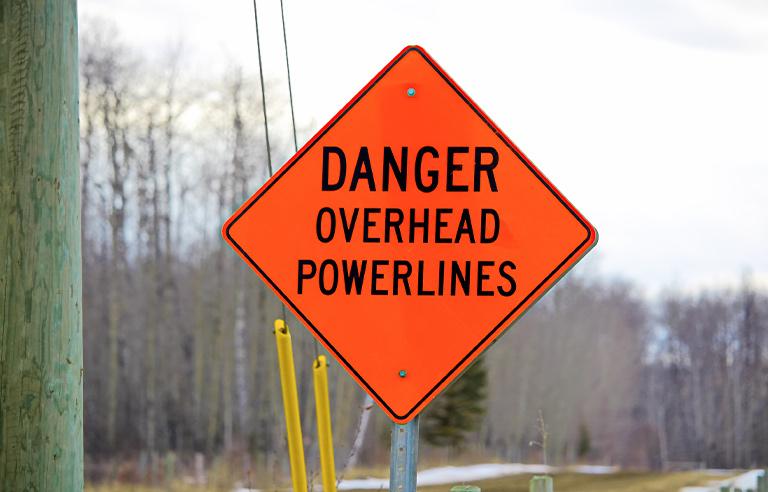
WorkSafeBC data from 2015 to 2025 shows that 74% of power-line contact injuries involve workers from nonelectrical trades rather than electricians. Construction professionals in other trades need better awareness and training to avoid potentially fatal contact with power lines on job sites.

WorkforceSafety
American Medical Association creates policy on wildland firefighter health
Safety+Health Magazine·Jun 26, 2026

American Medical Association creates policy on wildland firefighter health

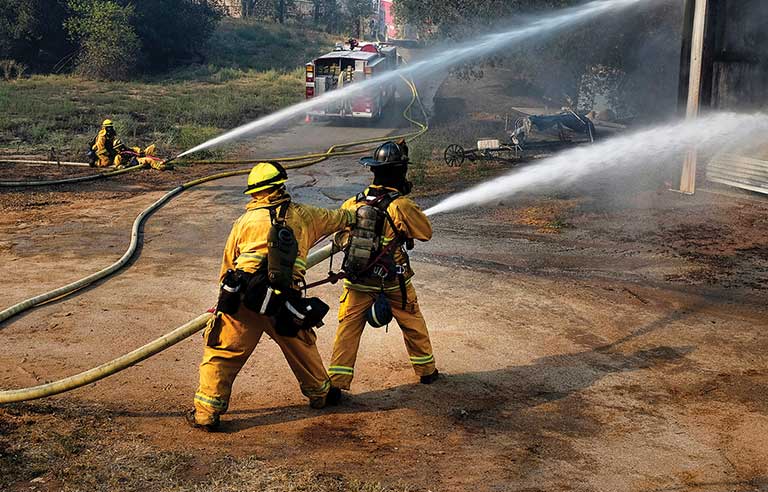
The American Medical Association has adopted a new policy to protect wildland firefighters from the health risks of wildfire smoke exposure as fires become more frequent and intense across the country. The policy aims to establish medical standards and protections for this increasingly vulnerable workforce.

SafetyWorkforce