New chemical-exposure model bridges ‘gap between research labs and reality’: study
Safety+Health Magazine
AI SUMMARY
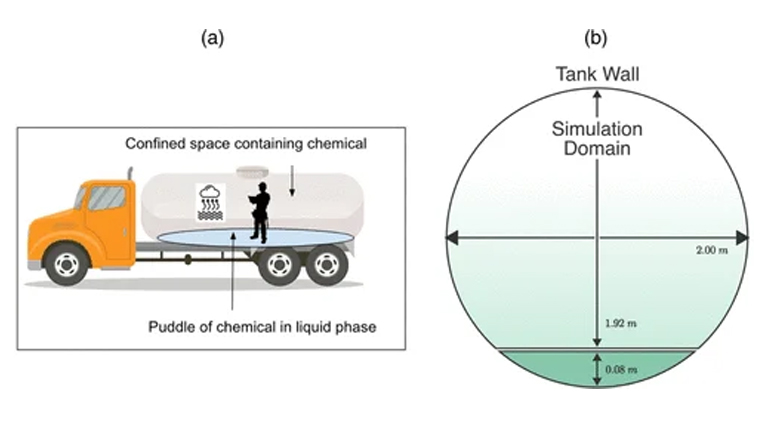
Georgia Tech researchers created a computer model that predicts how chemical vapors accumulate in enclosed spaces, helping workers understand exposure risks after job-site chemical spills. The tool bridges the gap between controlled lab testing and real-world construction and industrial environments.
FROM THE ARTICLE
Atlanta — Researchers have developed a computer model designed to estimate chemical-vapor buildup in confined spaces, which could help address exposure concerns after on-the-job chemical spills. A team from Georgia Tech drew on experiences from a course in which students aimed to close “a gap…
This story was originally published by Safety+Health Magazine.
Read Full Story on Safety+Health MagazineRelated Stories
AI & Machine LearningTrimble Expands Risk Intelligence Capabilities to Include Construction DrawingsTrimble ConstructibleSafety & WearablesWhat is your workplace doing to prevent falls? Share it with CPWRSafety+Health MagazineSafety & WearablesReview: Caterpillar Drops 247 Boot Collection for Lighter, More Flexible FitEquipment WorldSafety & WearablesHead safety compliance: Navigating the ANSI/ISEA Z89.1-2026 helmet revisionConstruction Dive