AllAI & MLRoboticsAutonomy3D PrintingElectrificationSafetyWorkforceMaterialsEDITOR'S PICKWEEKLY DISPATCH
Category

Safety & Wearables

OSHA regulations, jobsite safety technology, smart PPE, wearables, incident prevention, and compliance tools.

382 stories found

The implementation discipline gap that defined 2026 continues to crystallize into measurable operational consequences. Construction organizations now possess unprecedented technical capacity for hazard detection—from drone-based monitoring systems exemplified by Axon's expanded first-responder capabilities through Skydio to real-time wearable sensors and environmental exposure tracking—yet this capability remains systematically underdeployed where it matters most. Recent industry reports documenting how technology is improving construction worker safety and health reveal that successful implementations cluster within organizations already operating mature safety cultures, while struck-by incidents, scaffolding collapses, and adjacent-work hazards continue claiming lives across the broader industry. The technical pathways to remove personnel from hazardous exposures now exist. The distinguishing factor separating organizations with demonstrable safety outcomes from those experiencing preventable fatalities is not equipment availability but organizational discipline: the commitment to respond consistently to alerts generated, the financial commitment to ensure properly fitted PPE reaches and remains functional on worksites, and the psychological safety cultures that enable workers across all employment categories—permanent crews, contracted specialists, and maintenance personnel—to disclose health limitations and hazards without schedule-driven retaliation.

Data security and privacy requirements for connected PPE have emerged as a critical implementation barrier that construction companies continue to underestimate. Smart wearables transmitting health data, respiratory protection metrics, or environmental exposure information create significant liability exposure when medical information remains inadequately protected across cloud-based systems. This security dimension operates simultaneously as a regulatory compliance requirement and an organizational accountability framework—companies deploying connected PPE without robust data protection protocols face exposure not only to occupational health violations but to data breach liability affecting workers' protected health information. The paradox remains structural: the same cloud connectivity enabling real-time hazard alerts and longitudinal health monitoring creates attack surfaces and privacy vulnerabilities that organizations must actively defend.

Recent regulatory developments reinforce that standards organizations have moved decisively beyond prescriptive requirements into implementation efficacy. OSHA's expanded Type II safety helmet guidance, the National Safety Council's updated ROI calculators for safety technology investments, and revised ANSI/ISEA standards for high-visibility apparel now addressing fit issues that compromise protective function establish that properly equipped and trained personnel represent documented baseline requirements rather than debatable operational considerations. Simultaneously, emerging legislative action—including Ohio's work zone safety act and MSHA's proposed updates to silica dust exposure rules for mining—demonstrates regulatory bodies recognizing that hazard detection and exposure documentation alone insufficient without enforcement mechanisms ensuring organizational response. Construction executives in 2027 must recognize that competitive differentiation and legal defensibility depend less on acquiring additional detection systems and more on establishing the organizational infrastructure to translate safety information into consistent operational discipline, ensuring all worker populations receive appropriate protection, and creating accountability frameworks where hazard disclosure generates protective action rather than schedule pressure.

Construction daily safety report forms: A complete guide
Fieldwire Blog·Jun 26, 2026

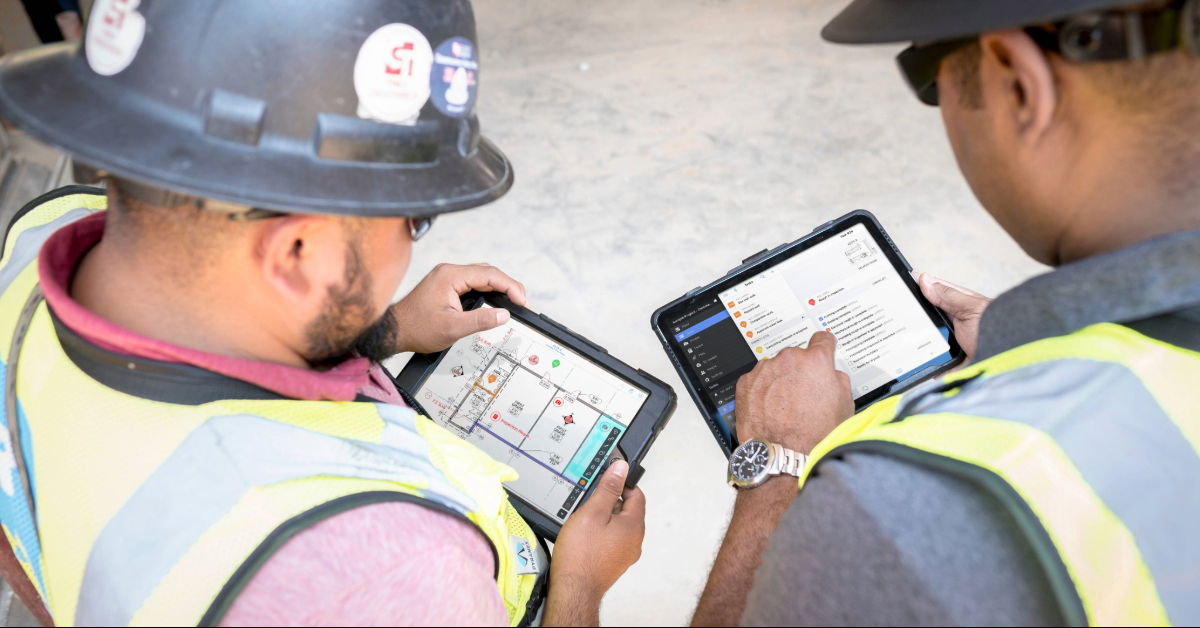
Construction daily safety report forms: A complete guide

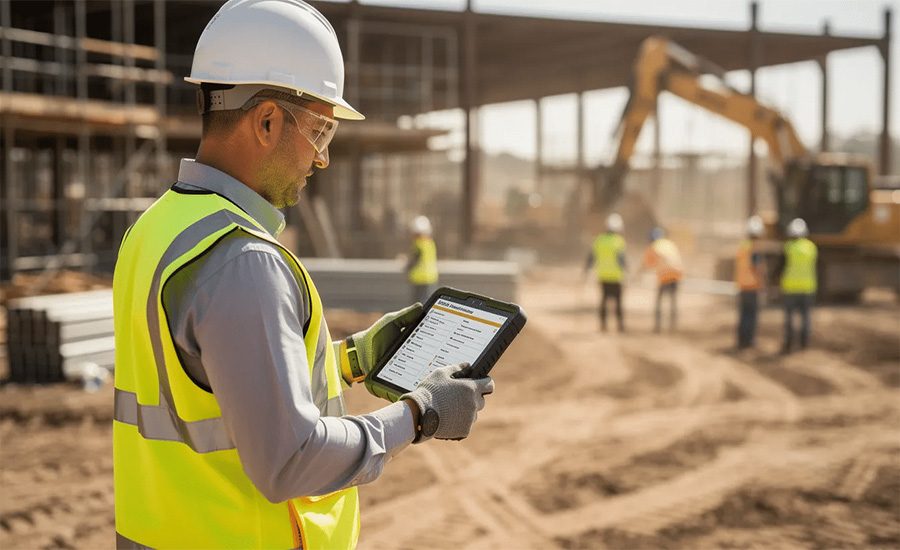
Daily safety report forms are essential documentation tools that help construction teams identify hazards, track incidents, and maintain compliance with safety regulations. Proper implementation of these forms creates a systematic approach to reducing workplace injuries and establishing a strong safety culture on job sites.
Safety
Robust.AI chooses Aptiv PULSE sensor for Gen 3 Carter mobile robot
Robotics Business Review·Jun 25, 2026

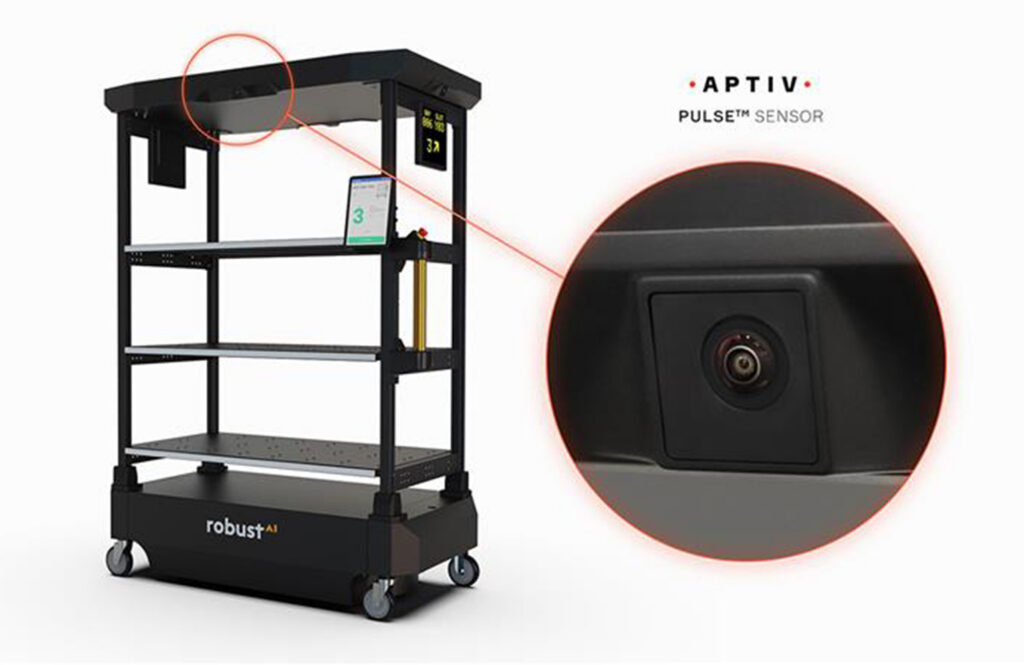
Robust.AI chooses Aptiv PULSE sensor for Gen 3 Carter mobile robot

Robust.AI selected Aptiv's PULSE sensor for its Gen 3 Carter mobile robot, integrating radar and vision technology with AI to safely navigate around workers on job sites. The sensor fusion system enables the robot to operate autonomously while maintaining awareness of people in its environment.

RoboticsAutonomy
Insurers Offer Discounts for Using Site Monitoring Tech to Reduce Risk
ENR Construction Technology·Jun 25, 2026

Insurers Offer Discounts for Using Site Monitoring Tech to Reduce Risk

Insurance companies are offering discounts to contractors and project owners who adopt site monitoring technology to identify and reduce risks on job sites. The approach aims to incentivize wider adoption of these risk-management tools, though uptake among construction professionals remains uncertain.

Safety
Deaths and fatality rate rise in building construction industry: CPWR
Safety+Health Magazine·Jun 24, 2026

Deaths and fatality rate rise in building construction industry: CPWR

Deaths and fatality rates among building construction workers have risen over a 13-year period, according to new data from CPWR – The Center for Construction Research and Training. The analysis highlights a troubling trend in workplace safety within the construction industry.

WorkforceSafety
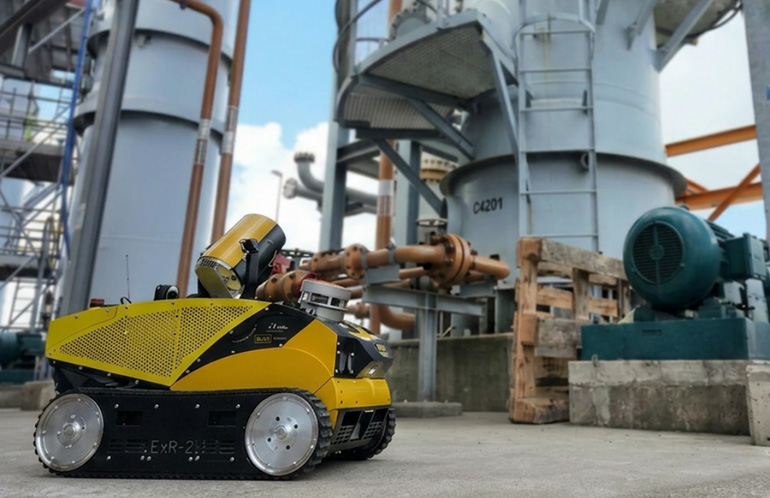
ExRobotics launches UL-certified inspection robot for hazardous environments
Robotics Business Review·Jun 23, 2026

ExRobotics launches UL-certified inspection robot for hazardous environments

ExRobotics has released the ExR-2.5 inspection robot, which carries UL certification for safe operation in explosive and hazardous environments across North America. The certified robot enables safer inspections in dangerous conditions where human workers face significant risks.

RoboticsSafety
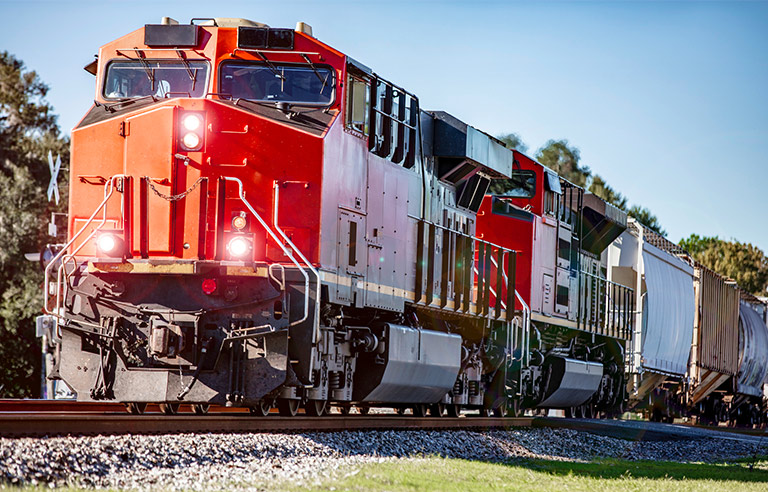
FRA issues final rule on railroad worker safety training; considers revoking dispatcher certification mandate
Safety+Health Magazine·Jun 24, 2026

FRA issues final rule on railroad worker safety training; considers revoking dispatcher certification mandate

The Federal Railroad Administration finalized new amendments to training and qualification rules for railroad safety employees, clarifying existing requirements and removing outdated provisions. The FRA is also considering whether to revoke its dispatcher certification mandate as part of the regulatory update.

WorkforceSafety
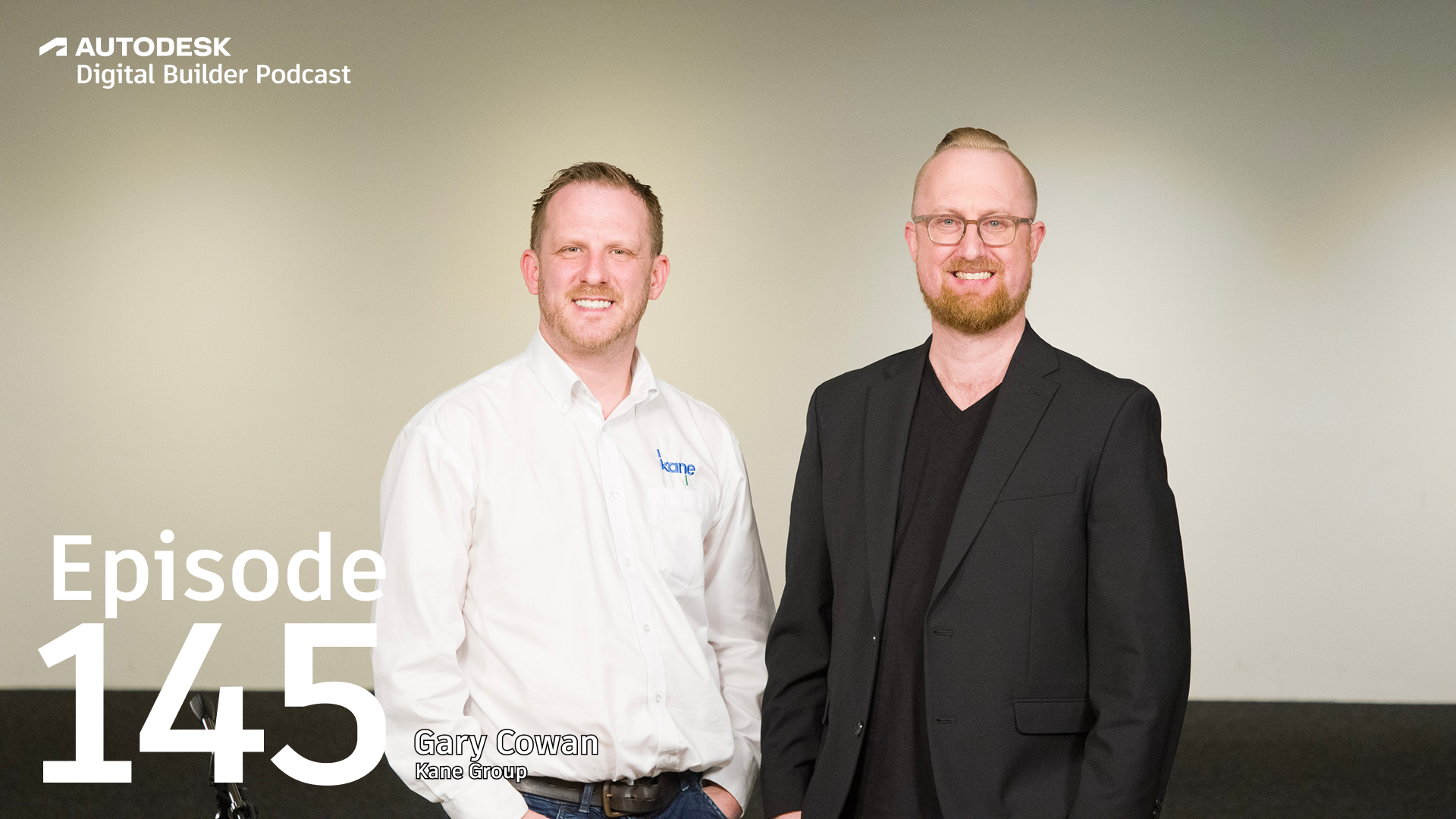
Digital Builder Ep 145: Practical Ways to Leverage Extended Reality in Construction
Autodesk Construction Cloud Blog·Jun 23, 2026

Digital Builder Ep 145: Practical Ways to Leverage Extended Reality in Construction

Extended reality technologies like AR and VR have significantly advanced beyond early clunky implementations, offering practical applications for construction professionals today. Modern XR tools provide tangible value for construction workflows, though the article snippet doesn't detail specific use cases.

Safety
NYC mayor signs Executive Order aimed at protecting workers from heat
Safety+Health Magazine·Jun 23, 2026

NYC mayor signs Executive Order aimed at protecting workers from heat

NYC Mayor Zohran Mamdani signed an Executive Order on June 22 requiring heat illness prevention plans for city employees and contractors working in New York City. The order includes development of heat safety guidance applicable to all workers in the city.

WorkforceSafety
Building the Research and Healthcare Facilities of Tomorrow Without Impacting the Progress of Today
Construction Executive·Jun 23, 2026

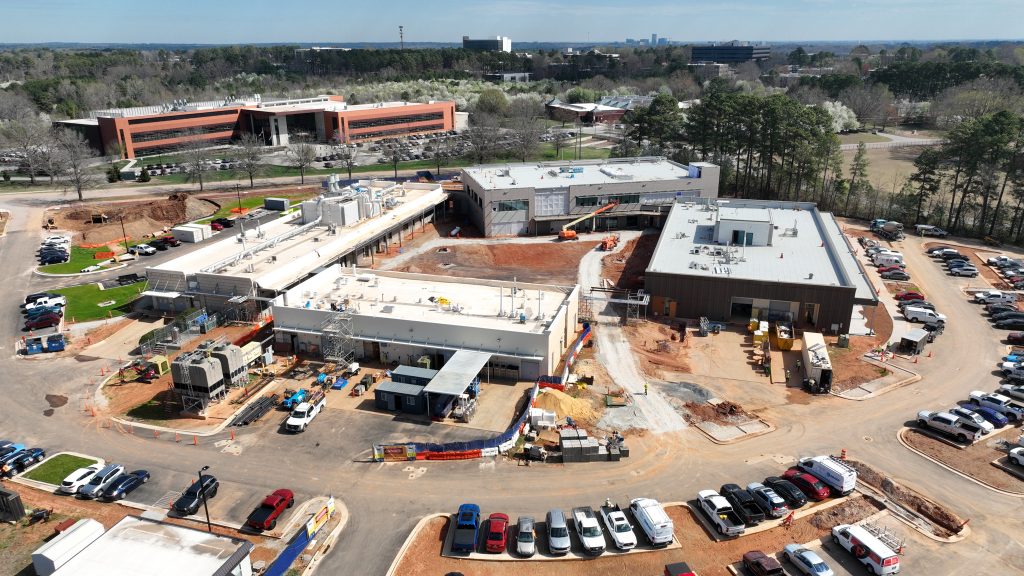
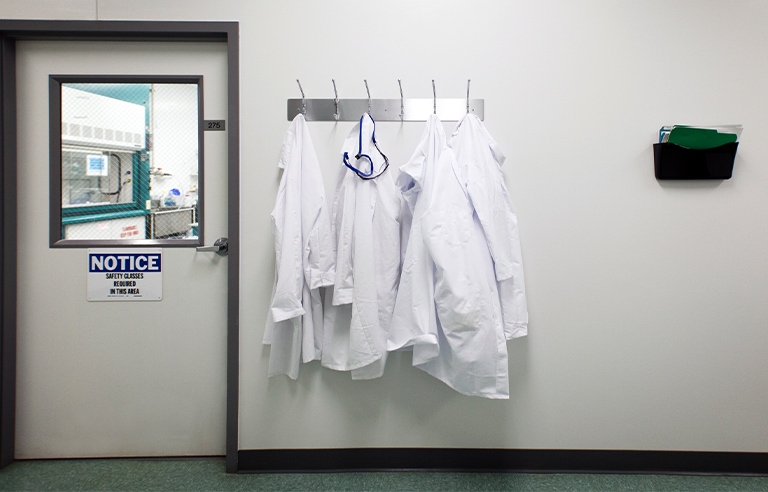
Building the Research and Healthcare Facilities of Tomorrow Without Impacting the Progress of Today

Healthcare and laboratory construction requires specialized approaches to minimize disruption to active patient care and ongoing research operations. Builders must balance facility improvements and expansion with the need to maintain continuous critical operations during the construction process.

SafetyWorkforce
EPA moves forward on effort to end animal testing for chemical assessments
Safety+Health Magazine·Jun 23, 2026

EPA moves forward on effort to end animal testing for chemical assessments

The EPA is advancing efforts to replace animal testing with alternative methods for evaluating the safety of industrial chemicals. This shift aims to make safety assessments more transparent while protecting worker health and reducing reliance on animal testing.

SafetyMaterials
FORT and NVIDIA launch AI-driven Outside-In Safety blueprint
Robotics Business Review·Jun 22, 2026

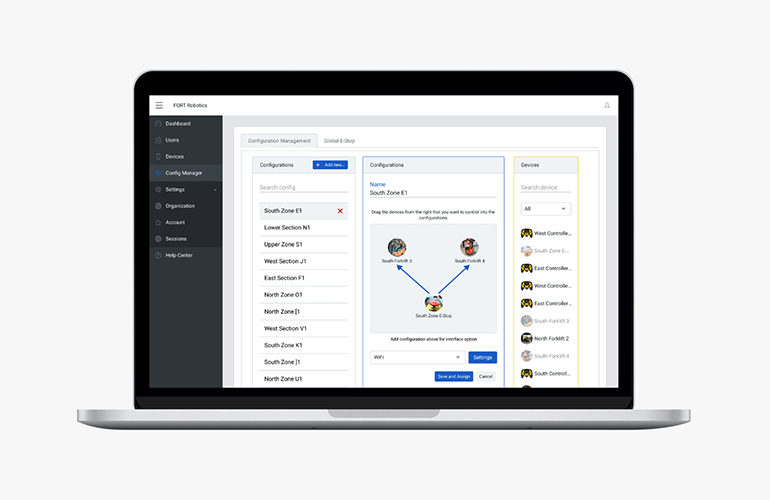
FORT and NVIDIA launch AI-driven Outside-In Safety blueprint

FORT Robotics and NVIDIA have developed Outside-In Safety, a blueprint that uses external sensors and AI to enhance autonomous robot performance on job sites. The technology improves both productivity and worker safety by giving robots better awareness of their surrounding environment.

AI & MLRobotics
Surveys seek trucker and motor carrier feedback about onboard safety tech
Safety+Health Magazine·Jun 23, 2026

Surveys seek trucker and motor carrier feedback about onboard safety tech

The American Transportation Research Institute is surveying truckers and motor carriers to gather feedback on onboard safety technologies used in vehicles. The research aims to understand how drivers and fleet operators perceive and interact with these safety systems.

WorkforceSafety
NVIDIA releases Halos, a full-stack safety system for robotics
Robotics Business Review·Jun 22, 2026

NVIDIA releases Halos, a full-stack safety system for robotics

NVIDIA released Halos, a comprehensive safety system designed to protect robotic operations on job sites by integrating AI processing, software, sensors, and safety applications. The platform combines real-time monitoring and inspection capabilities to ensure robots operate reliably and safely in construction environments.

RoboticsSafety
Heat illness widespread among young farmworkers in Arizona: study
Safety+Health Magazine·Jun 22, 2026

Heat illness widespread among young farmworkers in Arizona: study

A recent Arizona State University study found that nearly 60% of young Latino farmworkers in Arizona experienced at least one heat-related illness symptom in the past year. The research highlights a significant occupational health crisis affecting agricultural workers in high-temperature environments.

WorkforceSafety
Jobsite Security Risks Rise
Construction Executive·Jun 18, 2026

Jobsite Security Risks Rise

Jobsite break-ins and theft are increasing according to TrueLook's 2026 State of Construction Site Security Report. Construction companies need to reassess their on-site security measures to protect equipment and materials.

Safety
OSHA ends all remaining COVID-19 enforcement
Safety+Health Magazine·Jun 22, 2026

OSHA ends all remaining COVID-19 enforcement

OSHA has ended all COVID-19 enforcement actions and will no longer cite employers for failing to report COVID-19-related deaths, hospitalizations, or cases following the end of the federal public health emergency on May 11, 2023. Construction companies no longer face regulatory penalties for COVID-19 reporting violations, though they may still need to comply with standard recordkeeping requirements for other workplace injuries and illnesses.

Safety
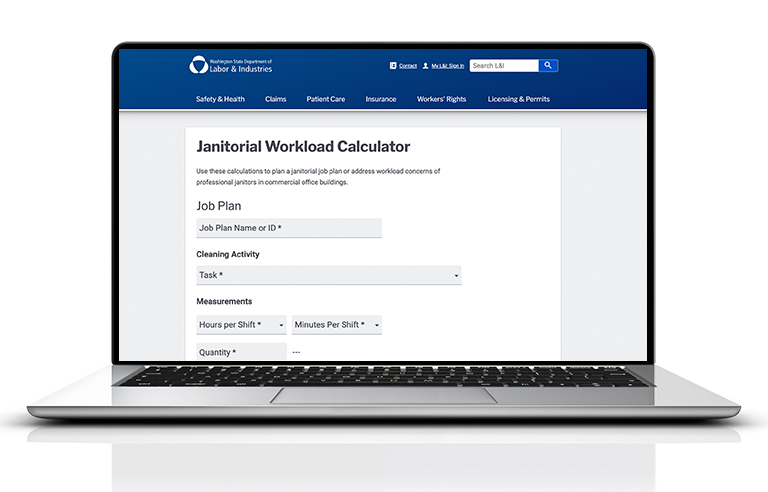
Washington state updates Janitorial Workload Calculator
Safety+Health Magazine·Jun 18, 2026

Washington state updates Janitorial Workload Calculator

Washington State has updated its Janitorial Workload Calculator, an online tool that measures job demands and assesses musculoskeletal injury risk for janitorial workers. The updated version now applies to large commercial and office building environments, helping quantify workload in these settings.

WorkforceSafety
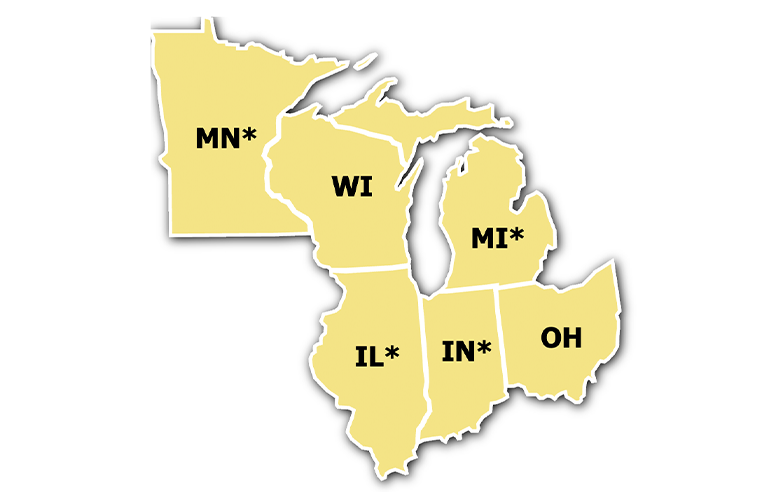
OSHA will continue to target noise hazards in Chicago Region
Safety+Health Magazine·Jun 18, 2026

OSHA will continue to target noise hazards in Chicago Region

OSHA extended its Regional Emphasis Program targeting noise hazards in the Chicago region through the end of the year, after initially planning to expire it on May 31. The agency's review found success in identifying and targeting industries with hearing loss rates exceeding national averages.

Safety