AllAI & MLRoboticsAutonomy3D PrintingElectrificationSafetyWorkforceMaterialsEDITOR'S PICKWEEKLY DISPATCH
Category

Safety & Wearables

OSHA regulations, jobsite safety technology, smart PPE, wearables, incident prevention, and compliance tools.

382 stories found

The implementation discipline gap that defined 2026 continues to crystallize into measurable operational consequences. Construction organizations now possess unprecedented technical capacity for hazard detection—from drone-based monitoring systems exemplified by Axon's expanded first-responder capabilities through Skydio to real-time wearable sensors and environmental exposure tracking—yet this capability remains systematically underdeployed where it matters most. Recent industry reports documenting how technology is improving construction worker safety and health reveal that successful implementations cluster within organizations already operating mature safety cultures, while struck-by incidents, scaffolding collapses, and adjacent-work hazards continue claiming lives across the broader industry. The technical pathways to remove personnel from hazardous exposures now exist. The distinguishing factor separating organizations with demonstrable safety outcomes from those experiencing preventable fatalities is not equipment availability but organizational discipline: the commitment to respond consistently to alerts generated, the financial commitment to ensure properly fitted PPE reaches and remains functional on worksites, and the psychological safety cultures that enable workers across all employment categories—permanent crews, contracted specialists, and maintenance personnel—to disclose health limitations and hazards without schedule-driven retaliation.

Data security and privacy requirements for connected PPE have emerged as a critical implementation barrier that construction companies continue to underestimate. Smart wearables transmitting health data, respiratory protection metrics, or environmental exposure information create significant liability exposure when medical information remains inadequately protected across cloud-based systems. This security dimension operates simultaneously as a regulatory compliance requirement and an organizational accountability framework—companies deploying connected PPE without robust data protection protocols face exposure not only to occupational health violations but to data breach liability affecting workers' protected health information. The paradox remains structural: the same cloud connectivity enabling real-time hazard alerts and longitudinal health monitoring creates attack surfaces and privacy vulnerabilities that organizations must actively defend.

Recent regulatory developments reinforce that standards organizations have moved decisively beyond prescriptive requirements into implementation efficacy. OSHA's expanded Type II safety helmet guidance, the National Safety Council's updated ROI calculators for safety technology investments, and revised ANSI/ISEA standards for high-visibility apparel now addressing fit issues that compromise protective function establish that properly equipped and trained personnel represent documented baseline requirements rather than debatable operational considerations. Simultaneously, emerging legislative action—including Ohio's work zone safety act and MSHA's proposed updates to silica dust exposure rules for mining—demonstrates regulatory bodies recognizing that hazard detection and exposure documentation alone insufficient without enforcement mechanisms ensuring organizational response. Construction executives in 2027 must recognize that competitive differentiation and legal defensibility depend less on acquiring additional detection systems and more on establishing the organizational infrastructure to translate safety information into consistent operational discipline, ensuring all worker populations receive appropriate protection, and creating accountability frameworks where hazard disclosure generates protective action rather than schedule pressure.

Occupational safety community lacks shared definition of ‘control,’ study finds
Safety+Health Magazine·Jun 17, 2026

Occupational safety community lacks shared definition of ‘control,’ study finds

The occupational safety community lacks a consistent definition of 'control,' which undermines the effectiveness of safety training and communications aimed at preventing serious injuries and fatalities. Researchers from the Construction Safety Research Alliance are calling for the industry to establish a shared understanding of what safety controls actually mean in practice.

Safety
Fennec Engineering earns T2 qualification for Advanced Safety Acceleration Platform
Robotics Business Review·Jun 17, 2026

Fennec Engineering earns T2 qualification for Advanced Safety Acceleration Platform

Fennec Engineering's automated traceability platform has achieved T2 qualification, meeting rigorous safety standards for construction operations. The certification validates the platform's ability to track and document safety-critical information on job sites.

SafetyAutonomy
Flight crews should be trained on smoke-in-cockpit emergencies, NTSB tells FAA
Safety+Health Magazine·Jun 17, 2026

Flight crews should be trained on smoke-in-cockpit emergencies, NTSB tells FAA

The National Transportation Safety Board is urging the Federal Aviation Administration to require airline pilots and flight crews to undergo realistic training for cockpit smoke emergencies. The recommendation comes from an NTSB investigation report examining how crews respond to smoke-related incidents in aircraft.

Safety
Built Robotics, Penn xLAB to develop physical AI for construction
Robotics Business Review·Jun 16, 2026

Built Robotics, Penn xLAB to develop physical AI for construction

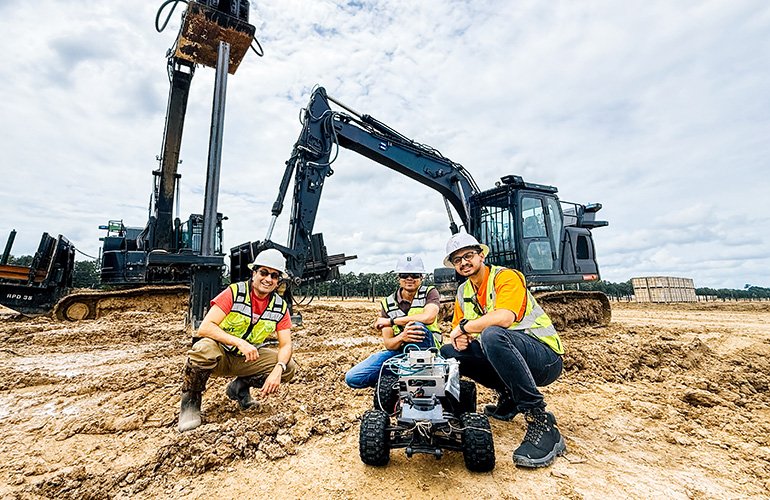
Built Robotics and Penn xLAB are collaborating to develop physical AI systems designed to enhance construction site safety through advanced data collection. The partnership aims to improve AI models that can better understand and respond to real-world construction environments.

AI & MLRobotics
MSHA cautions miners about ammonia exposure
Safety+Health Magazine·Jun 17, 2026

MSHA cautions miners about ammonia exposure

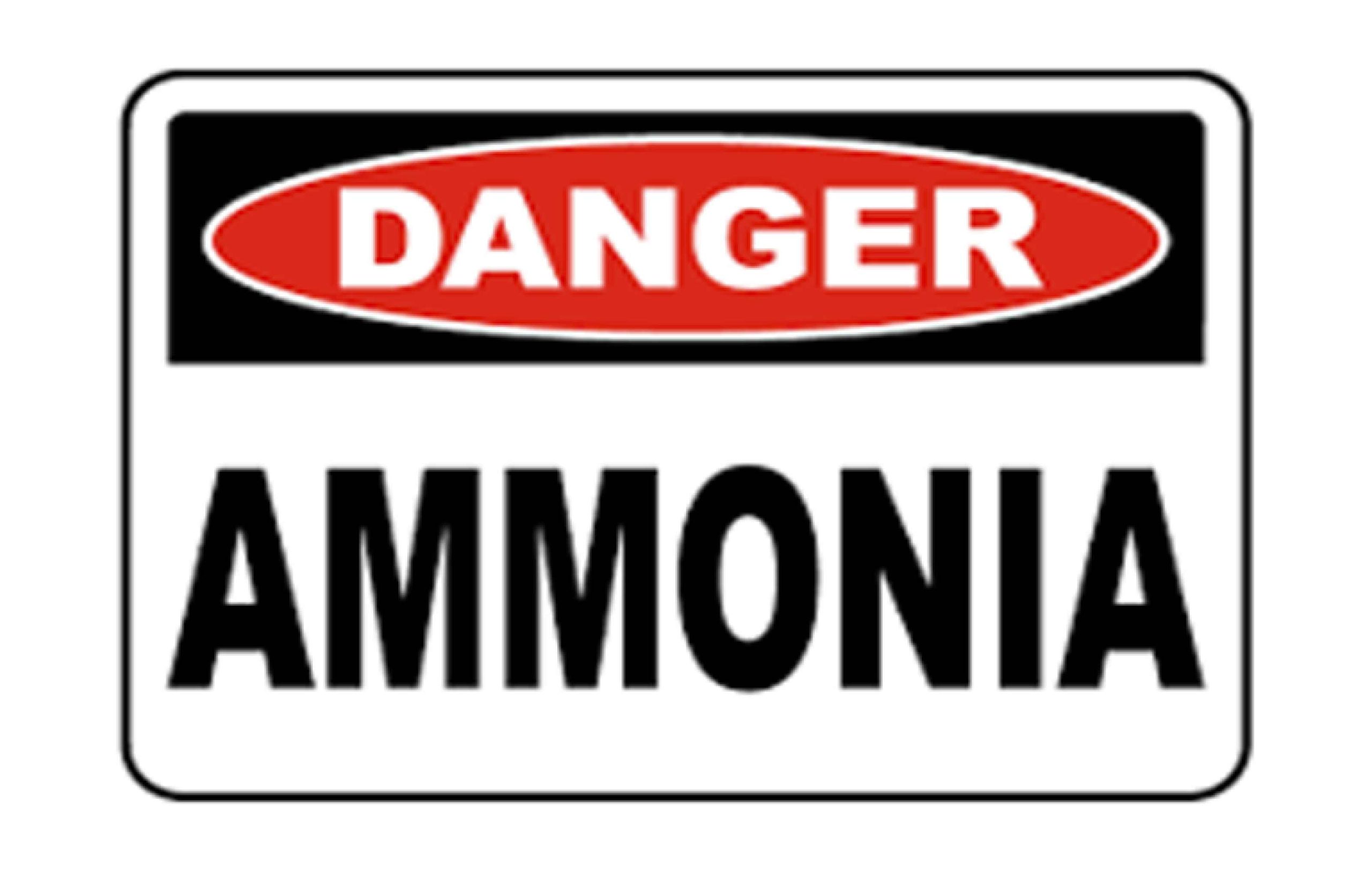
The Mine Safety and Health Administration warns miners that smell alone is unreliable for detecting ammonia exposure on job sites, despite the gas being colorless and flammable. Miners need proper monitoring equipment and detection methods beyond sensory perception to safely work around ammonia used in chemical processing and other mine operations.

Safety
Advancing Jobsite Safety Through Integration, Innovation, and Culture
AGC of America News·Jun 14, 2026

Advancing Jobsite Safety Through Integration, Innovation, and Culture

Jobsite safety improves when companies combine technology tools, creative problem-solving, and a strong safety-focused workplace culture. Organizations that integrate these three elements see measurable reductions in incidents and injuries on their projects.

Safety
NIST developing AI model to guide people to safest exits during a fire
Safety+Health Magazine·Jun 16, 2026

NIST developing AI model to guide people to safest exits during a fire

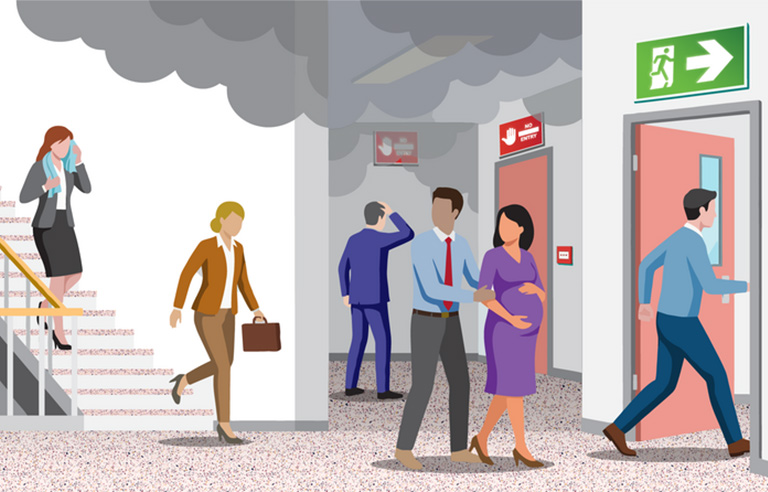
NIST researchers have developed Safe Step, an AI model that identifies the safest evacuation routes in real time during building fires. The technology helps guide occupants to exits by analyzing conditions as they change throughout an emergency.

AI & MLSafety
Safety & Health Town Hall Recap – Heat Safety Programs, Compliance, and Field Implementation
AGC of America News·Jun 8, 2026

Safety & Health Town Hall Recap – Heat Safety Programs, Compliance, and Field Implementation

A safety and health town hall covered heat safety programs, regulatory compliance requirements, and strategies for implementing these initiatives across job sites. Field teams discussed practical approaches to protecting workers from heat-related hazards in construction environments.

SafetyWorkforce
Accepting ‘sufficient’ can be ‘ideal’ for workers with chronic pain: study
Safety+Health Magazine·Jun 12, 2026

Accepting ‘sufficient’ can be ‘ideal’ for workers with chronic pain: study

A University of Massachusetts-Lowell study of 66 workers found that accepting physical limitations helps construction workers with chronic pain reduce fatigue and mental strain on the job. Researchers recommend workers recognize their bodies have different capabilities than their peers and embrace that reality as part of sustainable work practices.

WorkforceSafety
Why deterministic real-time systems are more critical than ever in robotics
Robotics Business Review·Jun 5, 2026

Why deterministic real-time systems are more critical than ever in robotics

Real-time systems that respond predictably and instantly are becoming essential for robots used in construction and industrial settings. QNX technology enables safer and more reliable robotic operations by ensuring consistent performance in safety-critical applications.

RoboticsSafety
Most health care workers fear for their safety: survey
Safety+Health Magazine·Jun 12, 2026

Most health care workers fear for their safety: survey

A survey of over 600 health care workers found that more than 60% believe their employers lack strong safety concerns and provide inadequate safety training. The findings from Centegix's 2026 Healthcare Workforce Safety Report highlight significant gaps in workplace security practices and employee protection protocols.

SafetyWorkforce
IIHS publishes initial safety ratings for small commercial vehicles
Safety+Health Magazine·Jun 12, 2026

IIHS publishes initial safety ratings for small commercial vehicles

The Insurance Institute for Highway Safety (IIHS) has released the first-ever occupant safety ratings for cargo vans and work trucks, helping construction companies make informed vehicle purchase decisions. These new evaluations provide critical safety data for the light commercial vehicles that contractors rely on daily.

Safety
Work-related cancers: EU safety and health agency launches webpage
Safety+Health Magazine·Jun 10, 2026

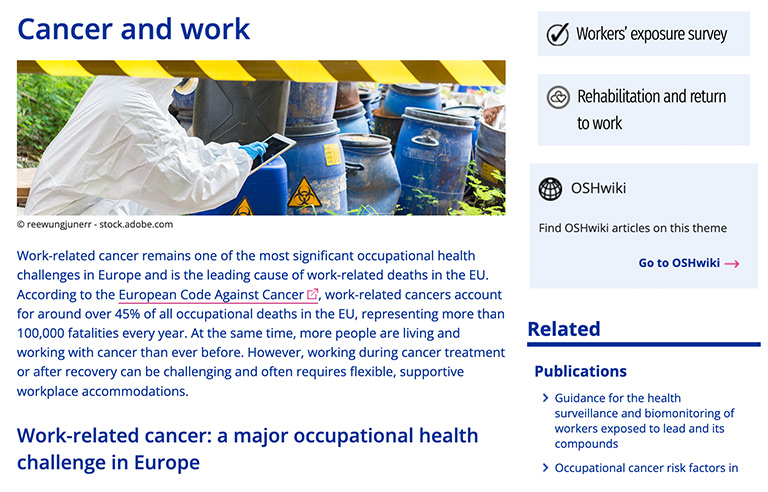
Work-related cancers: EU safety and health agency launches webpage

The EU's safety and health agency has launched a new webpage dedicated to occupational cancers, which kill 100,000 workers annually across the European Union. Construction professionals should review the resource as the industry faces significant exposure risks to carcinogenic materials and substances on job sites.

SafetyWorkforce
Oregon OSHA announces winners of annual student media competition
Safety+Health Magazine·Jun 10, 2026

Oregon OSHA announces winners of annual student media competition

Crescent Valley and Henley high schools won Oregon OSHA's 18th annual student media competition focused on promoting young worker safety and health awareness. The Oregon Young Employee Safety Coalition (O[yes]) uses the contest to engage students in creating content that educates their peers about workplace hazards and prevention.

WorkforceSafety
NTSB retools search platform for safety recommendations
Safety+Health Magazine·Jun 9, 2026

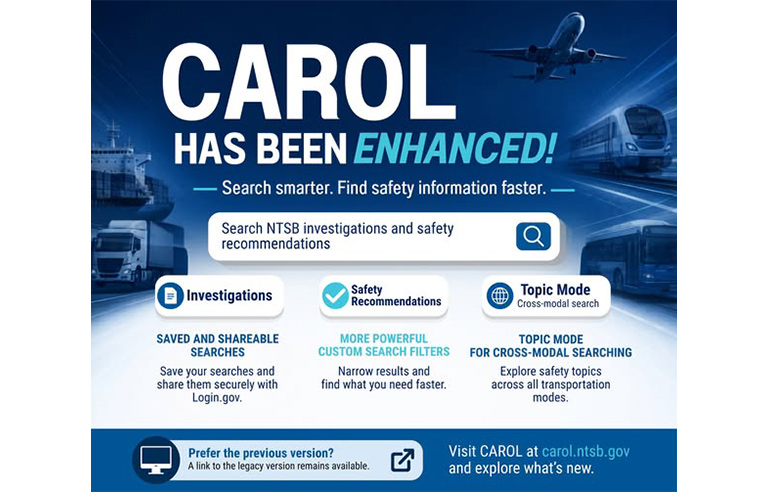
NTSB retools search platform for safety recommendations

The National Transportation Safety Board upgraded its Case Analysis and Reporting Online search platform to make investigation data and safety recommendations easier to find and navigate. The improvement helps construction and transportation professionals quickly access critical safety insights from past incidents.

Safety
EPA’s proposed chemical safety revisions would ‘hinder’ good practices, safety board says
Safety+Health Magazine·Jun 8, 2026

EPA’s proposed chemical safety revisions would ‘hinder’ good practices, safety board says

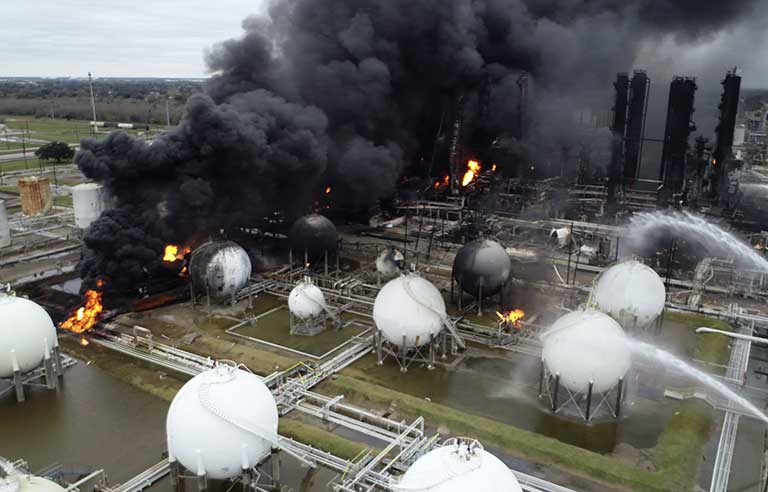
The EPA proposed changes to its chemical facility safety rules that the Chemical Safety Board claims would weaken current safety standards and practices. The CSB formally opposed the revisions in a May 5 letter, calling them a significant step backward for chemical facility safety.

Safety
Restroom access and paying for PPE: Colorado governor signs new law
Safety+Health Magazine·Jun 8, 2026

Restroom access and paying for PPE: Colorado governor signs new law

Colorado Governor Jared Polis signed S.B. 26-160 on June 3, prohibiting employers from deducting the costs of personal protective equipment from workers' wages, with limited exceptions for items like nonspecialty safety-toe footwear. The law protects construction workers and other employees from bearing the financial burden of required safety gear on the job.

SafetyWorkforce
Unsafe trucks and buses taken off the road during brake inspection blitz
Safety+Health Magazine·Jun 8, 2026

Unsafe trucks and buses taken off the road during brake inspection blitz

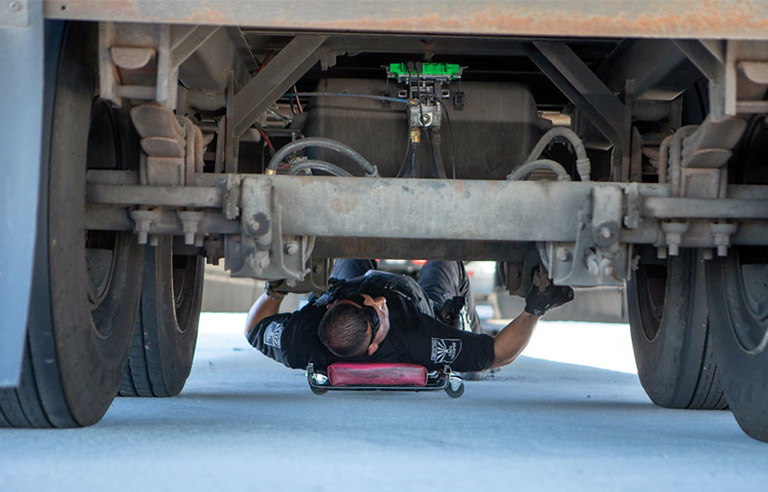
Commercial Vehicle Safety Alliance inspectors removed 574 of 4,021 trucks and buses from service for brake violations during an April 14 safety inspection across the U.S., Canada, and Mexico. The blitz operation highlighted widespread brake-related safety issues in the commercial vehicle fleet that construction companies rely on for equipment and material transport.

Safety