AllAI & MLRoboticsAutonomy3D PrintingElectrificationSafetyWorkforceMaterialsEDITOR'S PICKWEEKLY DISPATCH
Category

Safety & Wearables

OSHA regulations, jobsite safety technology, smart PPE, wearables, incident prevention, and compliance tools.

382 stories found

The implementation discipline gap that defined 2026 continues to crystallize into measurable operational consequences. Construction organizations now possess unprecedented technical capacity for hazard detection—from drone-based monitoring systems exemplified by Axon's expanded first-responder capabilities through Skydio to real-time wearable sensors and environmental exposure tracking—yet this capability remains systematically underdeployed where it matters most. Recent industry reports documenting how technology is improving construction worker safety and health reveal that successful implementations cluster within organizations already operating mature safety cultures, while struck-by incidents, scaffolding collapses, and adjacent-work hazards continue claiming lives across the broader industry. The technical pathways to remove personnel from hazardous exposures now exist. The distinguishing factor separating organizations with demonstrable safety outcomes from those experiencing preventable fatalities is not equipment availability but organizational discipline: the commitment to respond consistently to alerts generated, the financial commitment to ensure properly fitted PPE reaches and remains functional on worksites, and the psychological safety cultures that enable workers across all employment categories—permanent crews, contracted specialists, and maintenance personnel—to disclose health limitations and hazards without schedule-driven retaliation.

Data security and privacy requirements for connected PPE have emerged as a critical implementation barrier that construction companies continue to underestimate. Smart wearables transmitting health data, respiratory protection metrics, or environmental exposure information create significant liability exposure when medical information remains inadequately protected across cloud-based systems. This security dimension operates simultaneously as a regulatory compliance requirement and an organizational accountability framework—companies deploying connected PPE without robust data protection protocols face exposure not only to occupational health violations but to data breach liability affecting workers' protected health information. The paradox remains structural: the same cloud connectivity enabling real-time hazard alerts and longitudinal health monitoring creates attack surfaces and privacy vulnerabilities that organizations must actively defend.

Recent regulatory developments reinforce that standards organizations have moved decisively beyond prescriptive requirements into implementation efficacy. OSHA's expanded Type II safety helmet guidance, the National Safety Council's updated ROI calculators for safety technology investments, and revised ANSI/ISEA standards for high-visibility apparel now addressing fit issues that compromise protective function establish that properly equipped and trained personnel represent documented baseline requirements rather than debatable operational considerations. Simultaneously, emerging legislative action—including Ohio's work zone safety act and MSHA's proposed updates to silica dust exposure rules for mining—demonstrates regulatory bodies recognizing that hazard detection and exposure documentation alone insufficient without enforcement mechanisms ensuring organizational response. Construction executives in 2027 must recognize that competitive differentiation and legal defensibility depend less on acquiring additional detection systems and more on establishing the organizational infrastructure to translate safety information into consistent operational discipline, ensuring all worker populations receive appropriate protection, and creating accountability frameworks where hazard disclosure generates protective action rather than schedule pressure.

Take part in the Trench Safety Stand Down
Safety+Health Magazine·Jun 5, 2026

Take part in the Trench Safety Stand Down

The National Utility Contractors Association is hosting a Trench Safety Stand Down from June 15-19 to educate employers about trench and excavation hazards and protective system requirements. The national event aims to reduce injuries and fatalities in trench work by promoting awareness of safety best practices.


Safety
Hidden Risks Behind Today’s Stadium Construction Boom
Construction Executive·Jun 5, 2026

Hidden Risks Behind Today’s Stadium Construction Boom

North America is experiencing a major stadium construction surge with projects becoming increasingly complex and carrying greater financial and technical risks. Contractors and developers need to carefully manage these expanded scope projects to avoid cost overruns and safety issues.

WorkforceSafety
Help eliminate on-the-job electrocutions – and maybe win $1 million
Safety+Health Magazine·Jun 5, 2026

Help eliminate on-the-job electrocutions – and maybe win $1 million

The McElhattan Foundation has extended deadlines for its Zero Electrocution Challenge, with registration now open until Sept. 1 and final submissions due by Sept. 24. The grant competition offers up to $1 million to innovators developing solutions that prevent on-the-job electrocutions in construction.

Safety
Heat Illness Prevention Should Start Before Workers Arrive on Site
AGC of America News·Jun 4, 2026

Heat Illness Prevention Should Start Before Workers Arrive on Site

Heat illness prevention requires planning and preparation before workers even step on site, including acclimatization schedules, hydration protocols, and equipment setup. Contractors who implement pre-arrival safety measures significantly reduce heat-related incidents and improve overall jobsite productivity.

SafetyWorkforce
Fatal blast leads to call for better awareness of equipment limitations
Safety+Health Magazine·Jun 3, 2026

Fatal blast leads to call for better awareness of equipment limitations

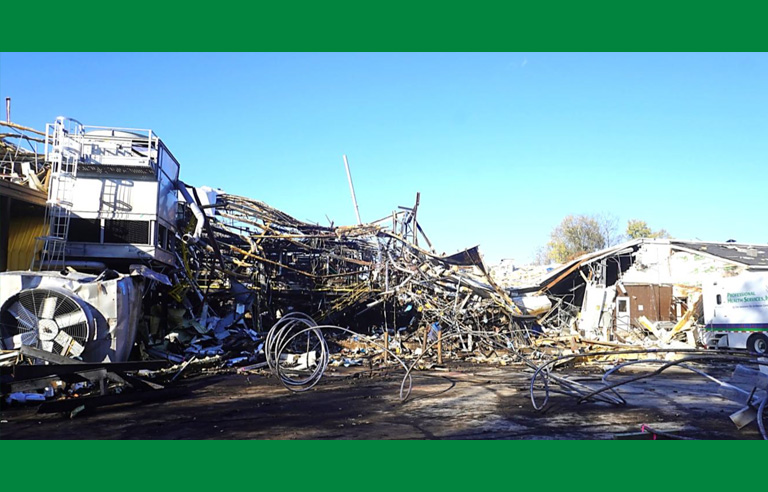
The Chemical Safety Board released a final report on a fatal November 2024 blast at a Givaudan facility in Louisville, Kentucky, emphasizing that operators must ensure equipment functions within safe operating limits. The investigation highlights the critical need for better awareness of equipment limitations to prevent similar incidents in the chemical processing industry.

Safety
Call for Proposals Open for Winter 2027 AGC Construction Safety & Health Conference
AGC of America News·Jun 2, 2026

Call for Proposals Open for Winter 2027 AGC Construction Safety & Health Conference

The AGC is accepting proposals for presentations and sessions at its Winter 2027 Construction Safety & Health Conference. Construction professionals can submit topics related to safety innovations, best practices, and health initiatives to be considered for the event.

Safety
Spaceflight study may offer insights for working in extreme conditions
Safety+Health Magazine·Jun 3, 2026

Spaceflight study may offer insights for working in extreme conditions

Texas A&M University researchers are studying how the human body manages heat and blood flow in altered gravity conditions during spaceflight. Findings from this research could provide valuable insights for workers operating in extreme environments, including construction sites with harsh conditions.

SafetyWorkforce
June is Trench Safety Month
AGC of America News·Jun 2, 2026

June is Trench Safety Month

June is designated as Trench Safety Month to raise awareness about the hazards associated with trenching work, one of the most dangerous activities in construction. Proper planning, protective systems, and worker training are essential to prevent cave-ins and other trench-related incidents that claim lives annually.

Safety
Hazard alert has safety tips for tow truck drivers
Safety+Health Magazine·Jun 3, 2026

Hazard alert has safety tips for tow truck drivers

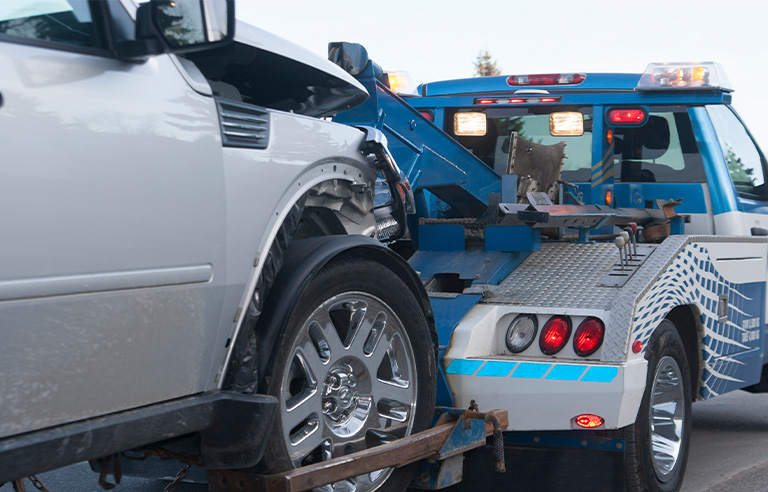
Kentucky's Injury Prevention and Research Center issued a hazard alert after five tow truck operators were killed by passing vehicles over the past decade, highlighting critical safety risks for roadside assistance workers. The alert provides specific case details and safety recommendations to protect workers operating in high-traffic roadside environments.

SafetyWorkforce
Five Reasons Why Total Reliance on Video-Based AI for Construction Jobsite Safety Isn’t the Answer
Construction Executive·May 29, 2026

Five Reasons Why Total Reliance on Video-Based AI for Construction Jobsite Safety Isn’t the Answer

Video-based AI systems have significant limitations and gaps that can actually compromise jobsite safety rather than improve it. Construction leaders should view AI as one tool among many safety measures, not as a complete replacement for human oversight and traditional safety protocols.

AI & MLSafety
California moves toward ban on artificial stone countertop fabrication
Safety+Health Magazine·Jun 2, 2026

California moves toward ban on artificial stone countertop fabrication

California's Occupational Safety and Health Standards Board unanimously approved a petition on May 21 that could ban the fabrication and installation of artificial stone countertops containing more than 1% crystalline silica. The move aims to protect workers from silicosis and other respiratory diseases caused by exposure to crystalline silica dust during stone fabrication.

SafetyWorkforce
Open Bionics Expands Hero FLEX to Above-Elbow Amputees with First Clinical Fitting in New York
3D Printing Industry·May 23, 2026

Open Bionics Expands Hero FLEX to Above-Elbow Amputees with First Clinical Fitting in New York

Open Bionics has successfully fitted the world's first full-length 3D printed bionic arm to an above-elbow amputee in New York, expanding their Hero FLEX prosthetic technology. The advancement demonstrates how additive manufacturing and bionic technology can restore functional mobility to workers with upper-limb amputations.

3D PrintingRobotics
Group files suit over EPA’s missed asbestos deadline
Safety+Health Magazine·Jun 1, 2026

Group files suit over EPA’s missed asbestos deadline

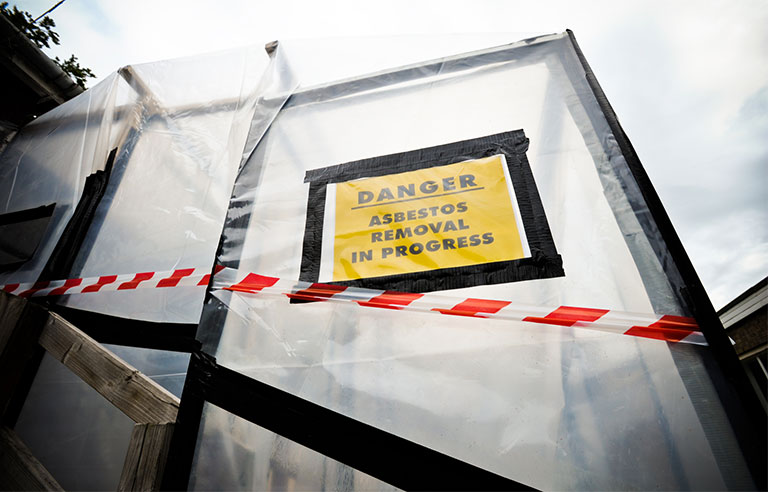
A coalition of organizations is suing the EPA for missing a mandatory deadline to regulate legacy asbestos and address its public health risks. The case will be heard by the 5th U.S. Circuit Court of Appeals.

MaterialsSafety
Smart Skin Technology to Protect Robots in Space
3D Printing Industry·May 22, 2026

Smart Skin Technology to Protect Robots in Space

The European Space Agency is funding a €1.65 million project to develop protective Smart Skin technology for robotic arms used in space exploration. A pan-European consortium led by Denmark's Technological Institute will create this covering to shield cobots operating in the harsh space environment.

RoboticsMaterials
DOT: Medical marijuana ban still in place for safety-sensitive workers
Safety+Health Magazine·May 28, 2026

DOT: Medical marijuana ban still in place for safety-sensitive workers

The Department of Transportation confirmed that truck drivers and other safety-sensitive transportation workers cannot legally use medical marijuana, even when licensed by their state, due to federal Controlled Substances Act restrictions. Construction firms employing drivers and equipment operators in safety-sensitive roles must maintain their existing marijuana use policies regardless of state-level medical marijuana legalization.

WorkforceSafety
‘Robust’ transportation funding bill on the move in the House
Safety+Health Magazine·May 27, 2026

‘Robust’ transportation funding bill on the move in the House

The House Transportation and Infrastructure Committee has advanced a funding bill that allocates $750 million specifically for expanding truck parking capacity across the country. The bill, known as the BUILD for America's 250th Act, includes additional safety provisions aimed at improving transportation infrastructure.

Safety
House bill would cut Chemical Safety Board’s funding by more than 40%
Safety+Health Magazine·May 26, 2026

House bill would cut Chemical Safety Board’s funding by more than 40%

The House Appropriations Committee approved a bill allocating $8.2 million to the Chemical Safety Board for fiscal year 2027, representing a cut of more than 40% from current funding levels. The Trump administration's budget request continues efforts to reduce the agency's resources, which oversees safety investigations at industrial facilities including construction sites.

Safety
OSHA inspection procedures now reflect 2024 HazCom update
Safety+Health Magazine·May 26, 2026

OSHA inspection procedures now reflect 2024 HazCom update

OSHA updated its inspection procedures in May 2024 to align with revisions to the hazard communication standard (1910.1200), covering trade secrets, health hazards, and physical hazards. Construction companies need to ensure their safety documentation and labeling practices comply with these new inspection standards.

Safety