AllAI & MLRoboticsAutonomy3D PrintingElectrificationSafetyWorkforceMaterialsEDITOR'S PICKWEEKLY DISPATCH
Category

Safety & Wearables

OSHA regulations, jobsite safety technology, smart PPE, wearables, incident prevention, and compliance tools.

382 stories found

The implementation discipline gap that defined 2026 continues to crystallize into measurable operational consequences. Construction organizations now possess unprecedented technical capacity for hazard detection—from drone-based monitoring systems exemplified by Axon's expanded first-responder capabilities through Skydio to real-time wearable sensors and environmental exposure tracking—yet this capability remains systematically underdeployed where it matters most. Recent industry reports documenting how technology is improving construction worker safety and health reveal that successful implementations cluster within organizations already operating mature safety cultures, while struck-by incidents, scaffolding collapses, and adjacent-work hazards continue claiming lives across the broader industry. The technical pathways to remove personnel from hazardous exposures now exist. The distinguishing factor separating organizations with demonstrable safety outcomes from those experiencing preventable fatalities is not equipment availability but organizational discipline: the commitment to respond consistently to alerts generated, the financial commitment to ensure properly fitted PPE reaches and remains functional on worksites, and the psychological safety cultures that enable workers across all employment categories—permanent crews, contracted specialists, and maintenance personnel—to disclose health limitations and hazards without schedule-driven retaliation.

Data security and privacy requirements for connected PPE have emerged as a critical implementation barrier that construction companies continue to underestimate. Smart wearables transmitting health data, respiratory protection metrics, or environmental exposure information create significant liability exposure when medical information remains inadequately protected across cloud-based systems. This security dimension operates simultaneously as a regulatory compliance requirement and an organizational accountability framework—companies deploying connected PPE without robust data protection protocols face exposure not only to occupational health violations but to data breach liability affecting workers' protected health information. The paradox remains structural: the same cloud connectivity enabling real-time hazard alerts and longitudinal health monitoring creates attack surfaces and privacy vulnerabilities that organizations must actively defend.

Recent regulatory developments reinforce that standards organizations have moved decisively beyond prescriptive requirements into implementation efficacy. OSHA's expanded Type II safety helmet guidance, the National Safety Council's updated ROI calculators for safety technology investments, and revised ANSI/ISEA standards for high-visibility apparel now addressing fit issues that compromise protective function establish that properly equipped and trained personnel represent documented baseline requirements rather than debatable operational considerations. Simultaneously, emerging legislative action—including Ohio's work zone safety act and MSHA's proposed updates to silica dust exposure rules for mining—demonstrates regulatory bodies recognizing that hazard detection and exposure documentation alone insufficient without enforcement mechanisms ensuring organizational response. Construction executives in 2027 must recognize that competitive differentiation and legal defensibility depend less on acquiring additional detection systems and more on establishing the organizational infrastructure to translate safety information into consistent operational discipline, ensuring all worker populations receive appropriate protection, and creating accountability frameworks where hazard disclosure generates protective action rather than schedule pressure.

FITASY’s Single-Shoe Option Shows What Inclusive Footwear Looks Like
3D Printing Industry·May 22, 2026

FITASY’s Single-Shoe Option Shows What Inclusive Footwear Looks Like

FITASY, a 3D printed custom footwear company, now allows customers to order single shoes at half the pair price, addressing needs of prosthetic users and others requiring one shoe. The platform update expands accessibility options for workers with different footwear requirements.

3D PrintingSafety
Congratulations to All Chapter Safety Award Winners
AGC of America News·May 22, 2026

Congratulations to All Chapter Safety Award Winners

Multiple chapters have been recognized for their outstanding safety achievements and practices. These awards highlight organizations that have prioritized worker protection and incident prevention across their operations.

Safety
Inspector general says vacant seats may hinder Chemical Safety Board’s effectiveness
Safety+Health Magazine·May 21, 2026

Inspector general says vacant seats may hinder Chemical Safety Board’s effectiveness

The EPA's Office of Inspector General reported that unfilled positions on the Chemical Safety Board may prevent it from effectively carrying out its mission to oversee chemical safety. Construction sites and industrial operations depend on the board's oversight to establish safety standards and investigate incidents.

Safety
Tadano Adds In-Cab AI Voice Assistance to “heyTadano” App
Equipment World·May 21, 2026

Tadano Adds In-Cab AI Voice Assistance to “heyTadano” App

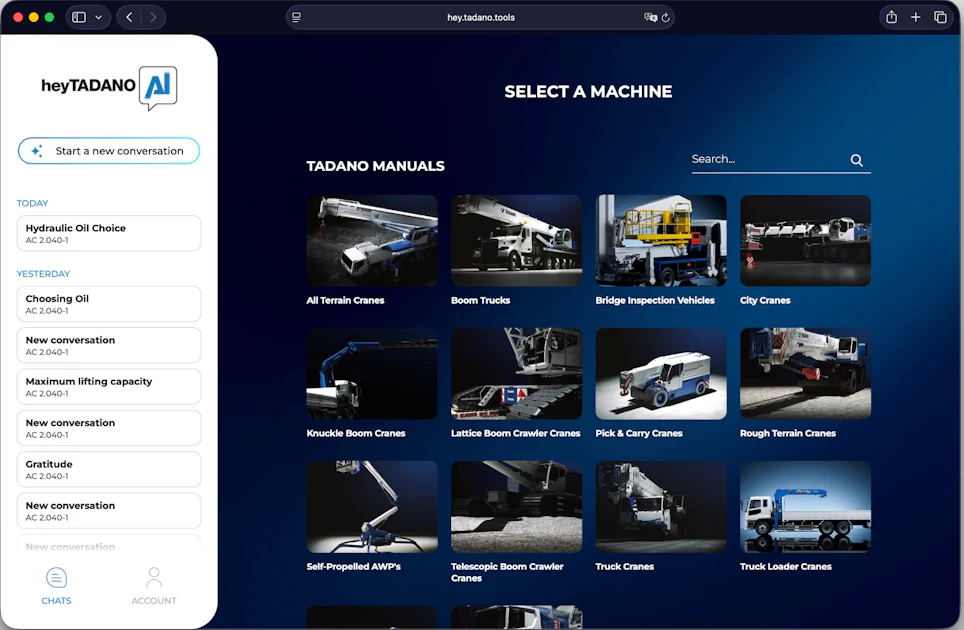
Tadano has integrated AI voice assistance into its heyTadano app, allowing crane operators to get real-time answers on operating procedures, technical issues, and troubleshooting directly from their cab. The feature uses in-cab voice interaction to provide quick access to operational guidance without requiring operators to leave their position.

AI & MLSafety
Oklahoma’s new drug and alcohol policy will affect workers in ‘safety-sensitive’ jobs
Safety+Health Magazine·May 21, 2026

Oklahoma’s new drug and alcohol policy will affect workers in ‘safety-sensitive’ jobs

Oklahoma's new H.B. 3127 law, effective November 1, establishes a zero-tolerance drug and alcohol policy for all workers in safety-sensitive jobs regardless of employer policy. The law was signed by Governor Kevin Stitt on April 20 and creates a statewide standard aimed at protecting worker safety on jobsites.

SafetyWorkforce
Tadano Adds In-Cab AI Voice Assistance to “heyTadano” App
Equipment World·May 21, 2026

Tadano Adds In-Cab AI Voice Assistance to “heyTadano” App

Tadano has integrated AI voice assistance into its heyTadano app, allowing crane operators to ask real-time questions about operating procedures, technical issues, and troubleshooting without leaving the cab. The in-cab feature improves operator efficiency and safety by providing quick access to critical information during crane operations.

AI & MLSafety
Construction Workforce Leader Named ABC Vice President of Safety and Workforce
Construction Executive·May 21, 2026

Construction Workforce Leader Named ABC Vice President of Safety and Workforce

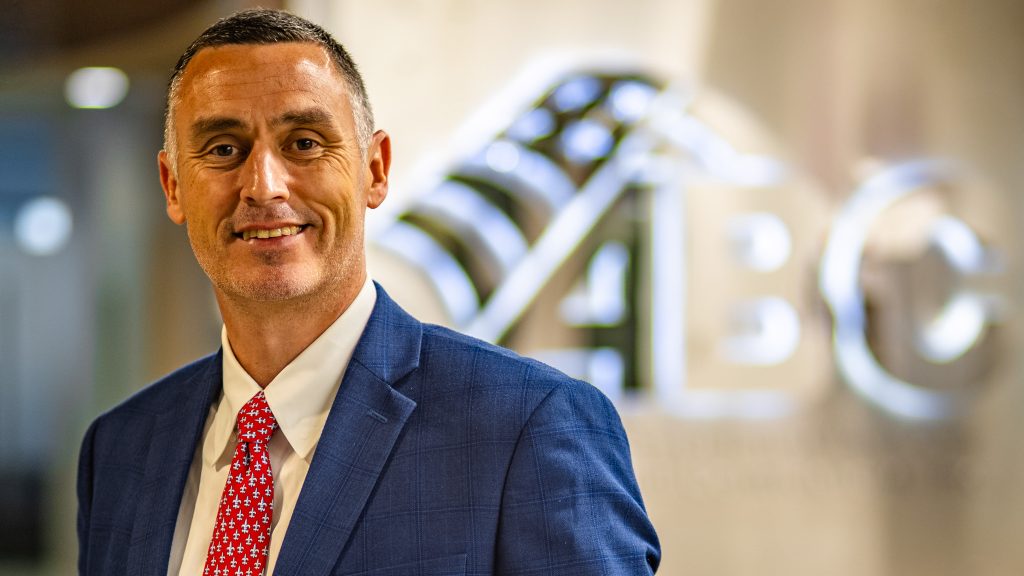
Joel Thames, a construction workforce leader from Performance Contractors, has been named ABC's new Vice President of Health, Safety, Environment and Workforce Development. The appointment reflects ABC's commitment to strengthening safety standards and workforce development across the construction industry.

WorkforceSafety
Inside Verobotics’ edge AI robotics deployment at NVIDIA’s Israel campus
Robotics Business Review·May 20, 2026

Inside Verobotics’ edge AI robotics deployment at NVIDIA’s Israel campus

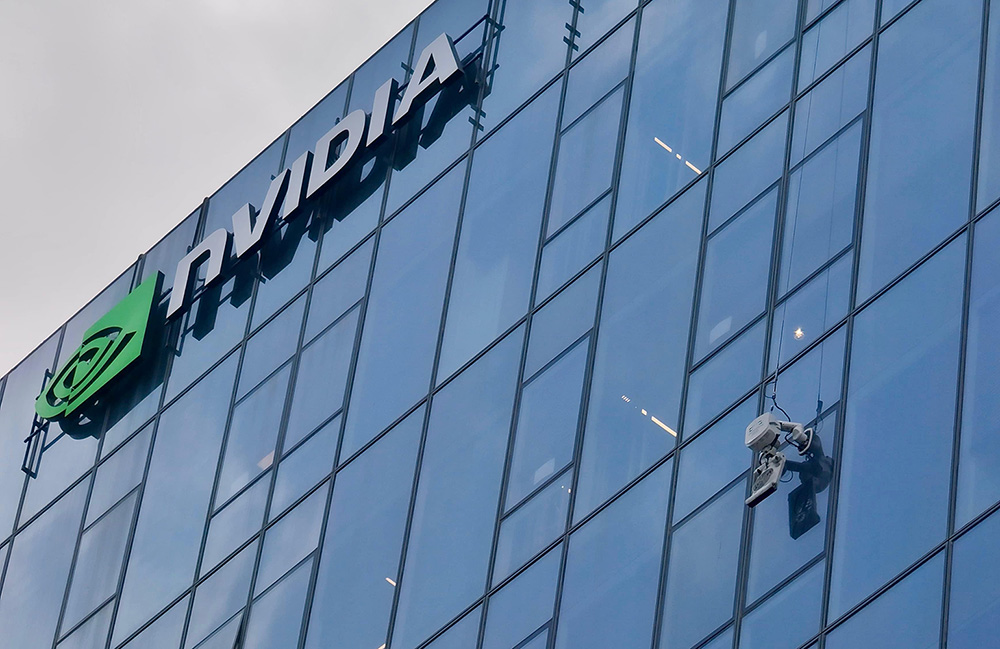
Verobotics has deployed edge AI robots at NVIDIA's Israel campus that can safely and repeatedly access vertical surfaces, transforming dangerous one-time jobs into controlled robotic operations. The robots collect data during these missions, reducing worker risk while improving efficiency on high-access tasks.

RoboticsAI & ML
Develon Reveals Next Gen of Its Largest Articulated Dump Truck, the DA45-7
Equipment World·May 20, 2026

Develon Reveals Next Gen of Its Largest Articulated Dump Truck, the DA45-7

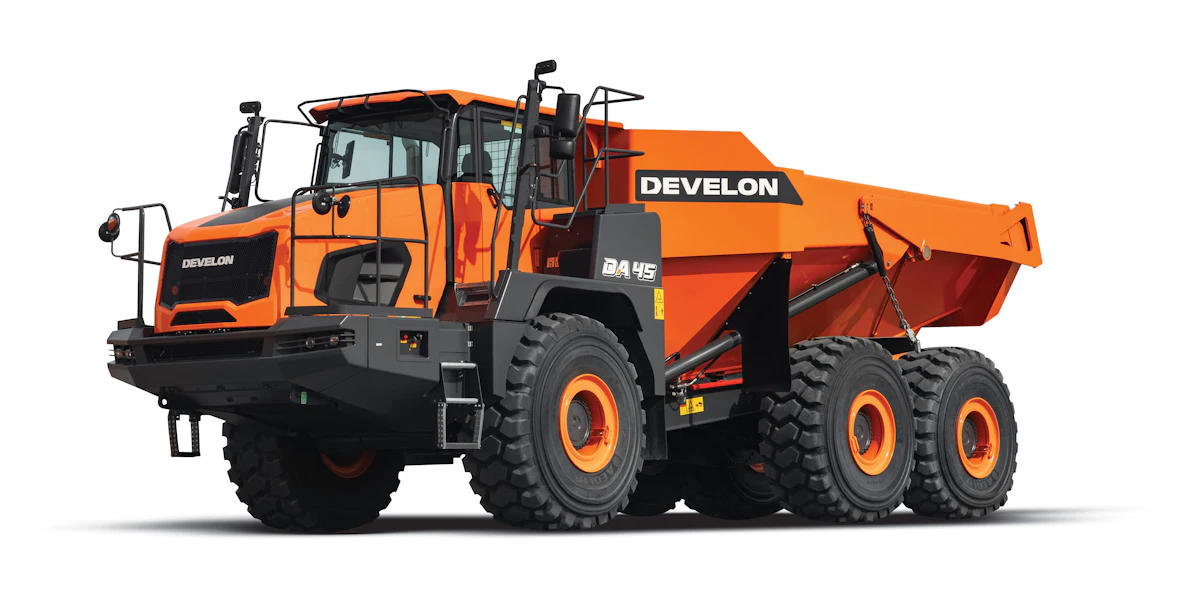
Develon has unveiled the next generation DA45-7, its largest articulated dump truck, featuring a completely redesigned cab with an automotive-style interior. The new model includes advanced production and safety technologies to improve operator experience and job site performance.

Safety
EPA invites comment on controversial fragrance and one other chemical
Safety+Health Magazine·May 20, 2026

EPA invites comment on controversial fragrance and one other chemical

The EPA is reviewing draft risk evaluations for a fragrance additive and another chemical, with a preliminary finding that the fragrance doesn't pose unreasonable risk in workplace settings. Construction professionals should monitor this evaluation as it could affect chemical use and safety standards on jobsites.

SafetyMaterials
Results are in: Survey Finds Growing Safety Risks in Highway Work Zones
AGC of America News·May 20, 2026

Results are in: Survey Finds Growing Safety Risks in Highway Work Zones

A new survey reveals increasing safety hazards affecting workers in highway construction zones, highlighting vulnerabilities that demand immediate attention from contractors and safety managers. Growing risks in these high-traffic environments underscore the need for enhanced protective measures and better hazard management on active job sites.

Safety
Worker Fatigue: The Overlooked Hazard Driving Injuries and Rework
Construction Executive·May 19, 2026

Worker Fatigue: The Overlooked Hazard Driving Injuries and Rework

Worker fatigue directly increases injury rates and rework costs on job sites, making it a critical safety and productivity issue that demands active management. Treating fatigue as a risk control measure—not just a wellness perk—protects both workers and project timelines while safeguarding the bottom line.

SafetyWorkforce
Miners’ lawyer pushes for MSHA silica rule during House hearing
Safety+Health Magazine·May 19, 2026

Miners’ lawyer pushes for MSHA silica rule during House hearing

An attorney representing miners testified before Congress urging the Mine Safety and Health Administration to reinstate its final rule limiting worker exposure to respirable crystalline silica. The rule aims to protect miners from dangerous dust inhalation that can cause serious health conditions.

WorkforceSafety
Improve Somatic Awareness to Increase Construction Workforce Safety
Construction Executive·May 19, 2026

Improve Somatic Awareness to Increase Construction Workforce Safety

Somatic awareness training helps construction workers build mental resilience against daily workplace stress, which directly improves safety outcomes on job sites. Developing these brain-based techniques strengthens a company's overall safety culture and reduces incident risk.

WorkforceSafety
OSHA clarifies its jurisdiction over two State Plans
Safety+Health Magazine·May 18, 2026

OSHA clarifies its jurisdiction over two State Plans

OSHA has clarified its jurisdiction over State Plan programs in Puerto Rico and Maryland, updating Puerto Rico's operational status agreement that was originally established in 1981. The agency published this jurisdictional guidance on April 24 to define regulatory oversight responsibilities in these territories.

Safety
$2.25B Settlement Reached in Key Bridge Collapse; DOJ Files Criminal Charges
Equipment World·May 18, 2026

$2.25B Settlement Reached in Key Bridge Collapse; DOJ Files Criminal Charges

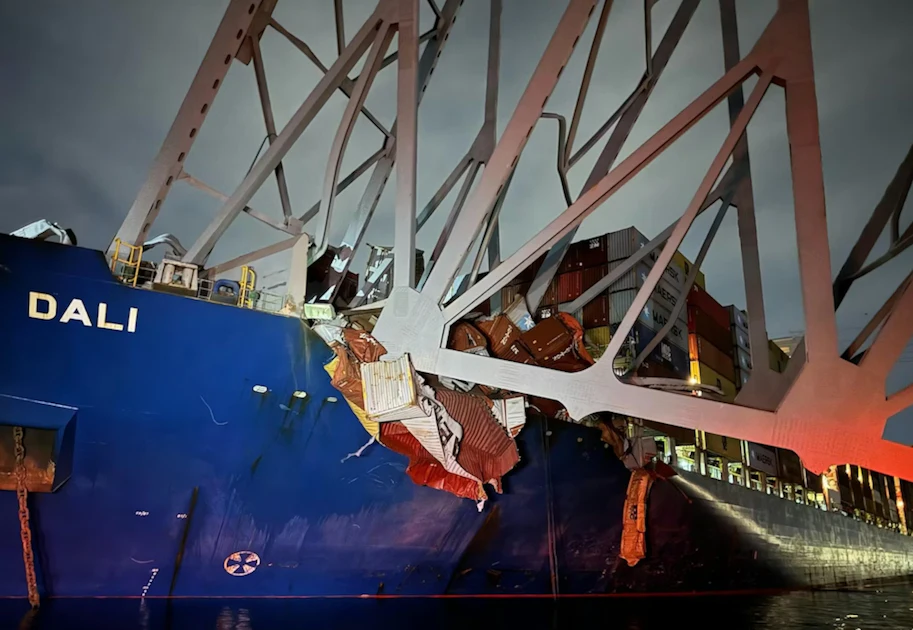
The owner and manager of the cargo ship that struck the Baltimore bridge in 2024 have agreed to a $2.25 billion settlement in Maryland's lawsuit over the incident. The Department of Justice has also filed criminal charges related to the bridge collapse.

Safety
ISOTunes Free Aware Earbuds
JLC Online·May 17, 2026

ISOTunes Free Aware Earbuds

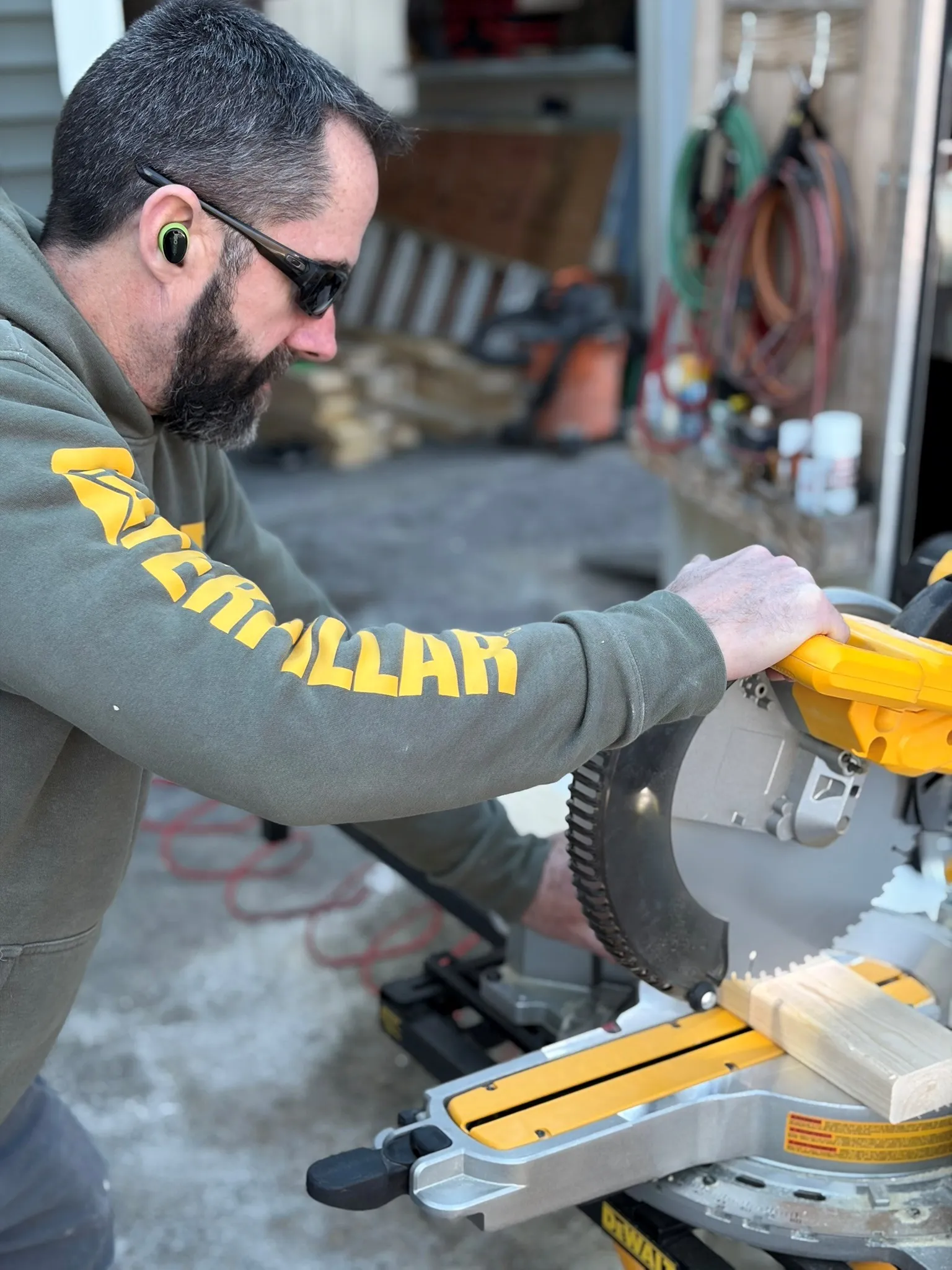
ISOTunes Free Aware earbuds are designed to protect hearing on loud construction job sites while maintaining awareness of surrounding sounds and communications. The earbuds manage noise from power tools like chipping hammers, saws, and nail guns that expose workers to dangerous decibel levels throughout the workday.

Safety
WEEKLY DISPATCH
Wall-Climbing Robot Makes Bridge Inspections Easier and Safer
ENR Construction Technology·May 15, 2026

Wall-Climbing Robot Makes Bridge Inspections Easier and Safer

Wiss, Janney, Elstner Associates is deploying wall-climbing robots to inspect difficult-to-access areas on bridges, improving inspection efficiency and reducing worker risk. The crawling robot technology enables safer, more thorough structural assessments in locations that would otherwise require expensive and dangerous manual access.

RoboticsSafety