AllAI & MLRoboticsAutonomy3D PrintingElectrificationSafetyWorkforceMaterialsEDITOR'S PICKWEEKLY DISPATCH
Category

Safety & Wearables

OSHA regulations, jobsite safety technology, smart PPE, wearables, incident prevention, and compliance tools.

382 stories found

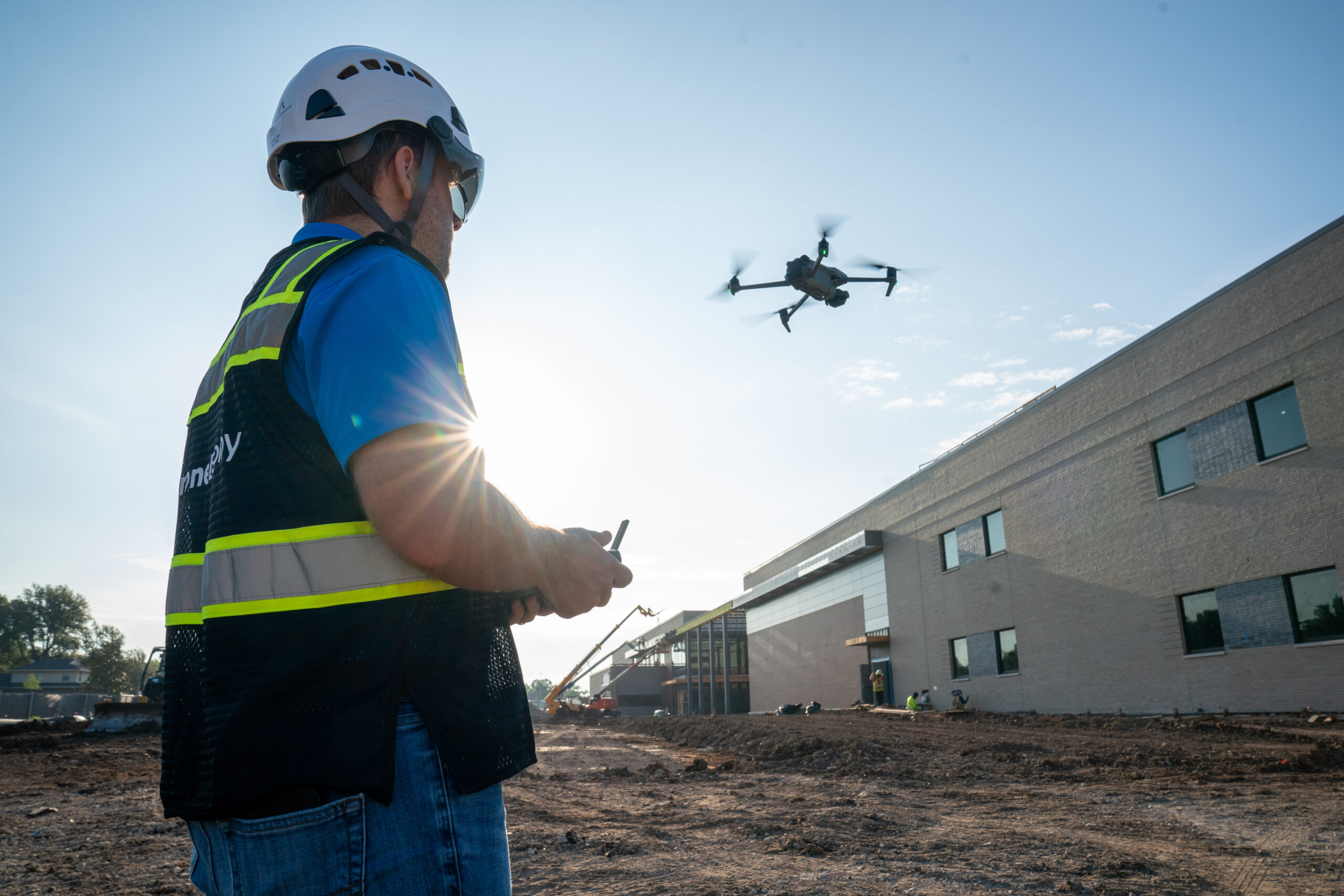
The implementation discipline gap that defined 2026 continues to crystallize into measurable operational consequences. Construction organizations now possess unprecedented technical capacity for hazard detection—from drone-based monitoring systems exemplified by Axon's expanded first-responder capabilities through Skydio to real-time wearable sensors and environmental exposure tracking—yet this capability remains systematically underdeployed where it matters most. Recent industry reports documenting how technology is improving construction worker safety and health reveal that successful implementations cluster within organizations already operating mature safety cultures, while struck-by incidents, scaffolding collapses, and adjacent-work hazards continue claiming lives across the broader industry. The technical pathways to remove personnel from hazardous exposures now exist. The distinguishing factor separating organizations with demonstrable safety outcomes from those experiencing preventable fatalities is not equipment availability but organizational discipline: the commitment to respond consistently to alerts generated, the financial commitment to ensure properly fitted PPE reaches and remains functional on worksites, and the psychological safety cultures that enable workers across all employment categories—permanent crews, contracted specialists, and maintenance personnel—to disclose health limitations and hazards without schedule-driven retaliation.

Data security and privacy requirements for connected PPE have emerged as a critical implementation barrier that construction companies continue to underestimate. Smart wearables transmitting health data, respiratory protection metrics, or environmental exposure information create significant liability exposure when medical information remains inadequately protected across cloud-based systems. This security dimension operates simultaneously as a regulatory compliance requirement and an organizational accountability framework—companies deploying connected PPE without robust data protection protocols face exposure not only to occupational health violations but to data breach liability affecting workers' protected health information. The paradox remains structural: the same cloud connectivity enabling real-time hazard alerts and longitudinal health monitoring creates attack surfaces and privacy vulnerabilities that organizations must actively defend.

Recent regulatory developments reinforce that standards organizations have moved decisively beyond prescriptive requirements into implementation efficacy. OSHA's expanded Type II safety helmet guidance, the National Safety Council's updated ROI calculators for safety technology investments, and revised ANSI/ISEA standards for high-visibility apparel now addressing fit issues that compromise protective function establish that properly equipped and trained personnel represent documented baseline requirements rather than debatable operational considerations. Simultaneously, emerging legislative action—including Ohio's work zone safety act and MSHA's proposed updates to silica dust exposure rules for mining—demonstrates regulatory bodies recognizing that hazard detection and exposure documentation alone insufficient without enforcement mechanisms ensuring organizational response. Construction executives in 2027 must recognize that competitive differentiation and legal defensibility depend less on acquiring additional detection systems and more on establishing the organizational infrastructure to translate safety information into consistent operational discipline, ensuring all worker populations receive appropriate protection, and creating accountability frameworks where hazard disclosure generates protective action rather than schedule pressure.

POC Lab launches two flame-retardant, ESD-safe resins for professional additive manufacturing
3D Printing Industry·May 14, 2026

POC Lab launches two flame-retardant, ESD-safe resins for professional additive manufacturing

POC Lab has released two new resins—Nylon-Like UL94 V-0 ESD and HT-240C UL94 V-0 ESD—designed for 3D printing in industrial construction applications. Both materials meet flame-retardant and electrostatic discharge safety standards needed for demanding jobsite environments.
3D PrintingMaterials
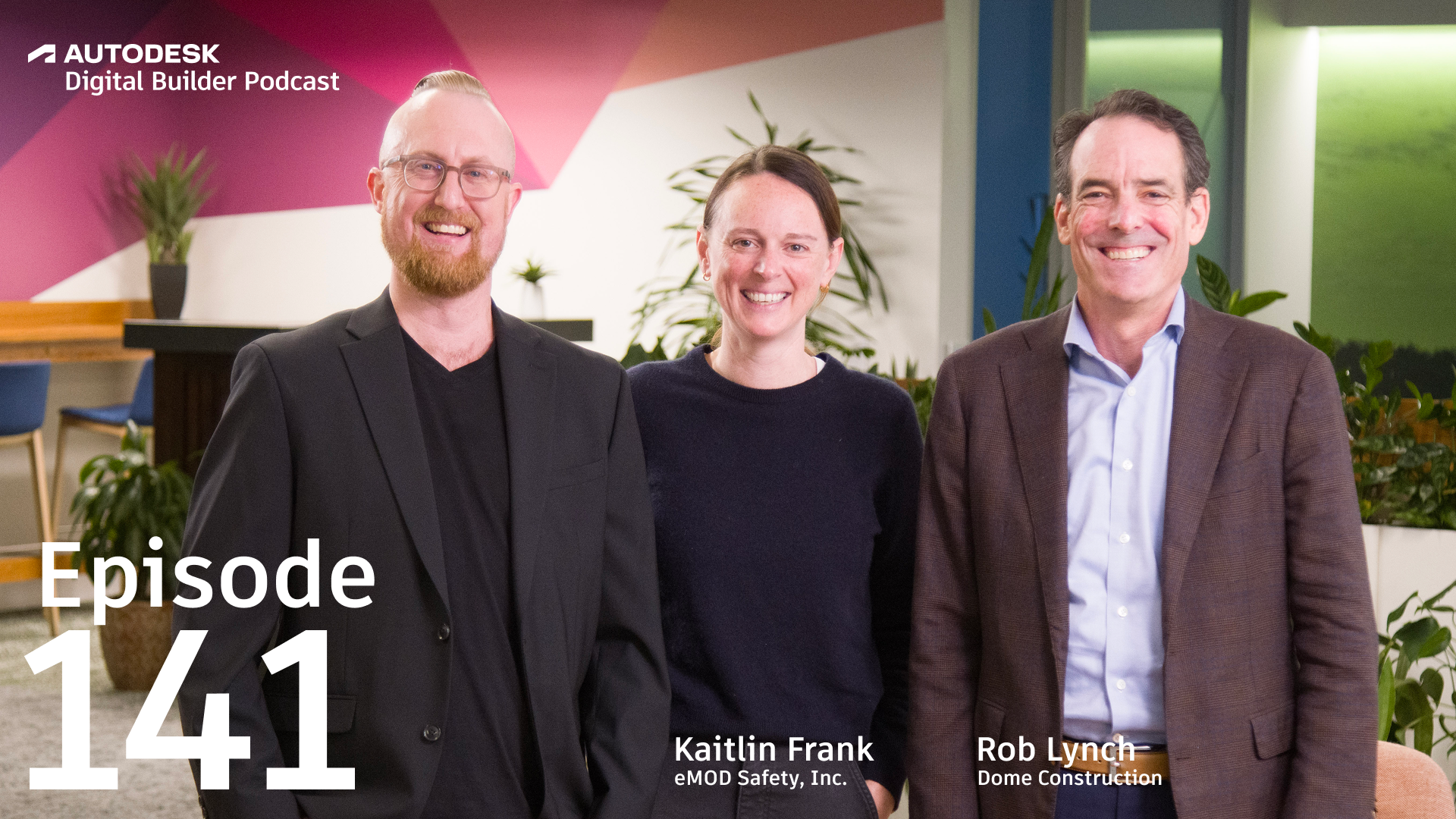
Digital Builder Ep 141: Rethinking Construction Safety from the Ground Up
Autodesk Construction Cloud Blog·May 12, 2026

Digital Builder Ep 141: Rethinking Construction Safety from the Ground Up

Construction safety is often treated as a compliance checkbox rather than a genuine commitment to protecting workers physically and psychologically. A deeper rethinking of safety culture is needed to move beyond form-filling and actually keep people safe on jobsites.

Safety
New Law Prompts ABC Minnesota/North Dakota to Design New Telecommunications Safety Training Program
Construction Executive·May 12, 2026

New Law Prompts ABC Minnesota/North Dakota to Design New Telecommunications Safety Training Program

ABC Minnesota/North Dakota has developed a new telecommunications installer safety training program in response to recently enacted legislation. The first-of-its-kind program aims to establish standardized safety protocols for workers installing telecommunications infrastructure.

SafetyWorkforce
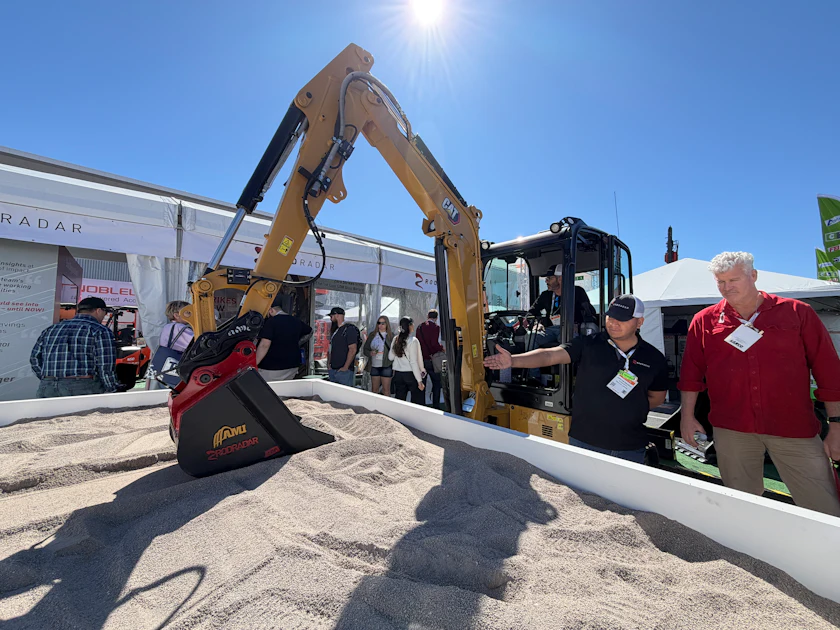
New Hexagon, RodRadar Tech Stops Excavator Bucket Before Striking Utilities
Equipment World·May 11, 2026

New Hexagon, RodRadar Tech Stops Excavator Bucket Before Striking Utilities

Hexagon and RodRadar have developed an AI-powered system that detects buried utilities in real time and automatically halts excavator buckets to prevent strikes. The technology integrates with excavators to add an automated safety layer that protects workers and infrastructure on job sites.

AI & MLAutonomy
Trust, Then Speed
AGC of America News·May 8, 2026

Trust, Then Speed

Building trust in new construction technologies and processes is essential before prioritizing speed of implementation. Teams that establish confidence in safety, reliability, and worker competency see better long-term project outcomes than those rushing adoption.

SafetyWorkforce
Building a Safer Construction Industry Through Culture, Technology, and Innovation: BuiltWorlds Safety-Focused Playlist
BuiltWorlds·May 7, 2026

Building a Safer Construction Industry Through Culture, Technology, and Innovation: BuiltWorlds Safety-Focused Playlist

Construction safety practices are advancing through new jobsite technologies and cultural shifts that address industry priorities faster than before. The discussion encompasses how innovation and technology adoption are reshaping how companies approach worker protection on jobsites.

Safety
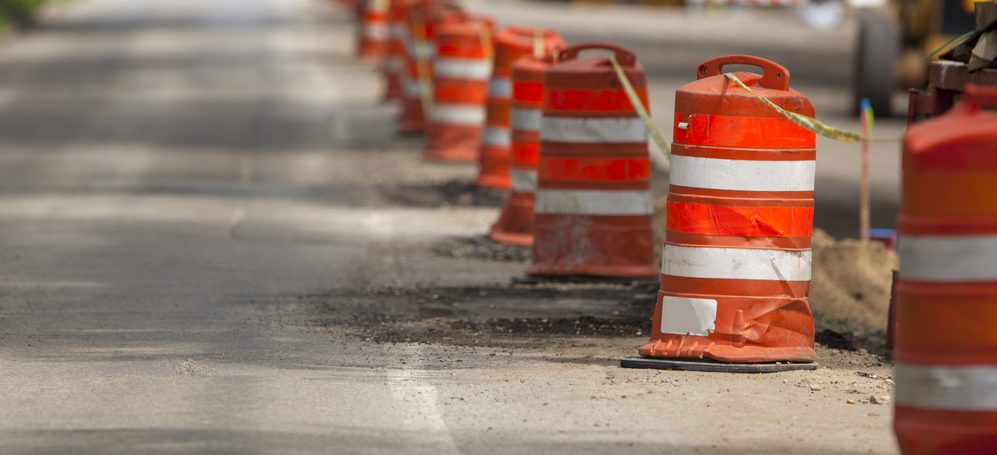
10 Road Construction Work Zone Safety Tips for Contractors
ConstructConnect·May 6, 2026

10 Road Construction Work Zone Safety Tips for Contractors

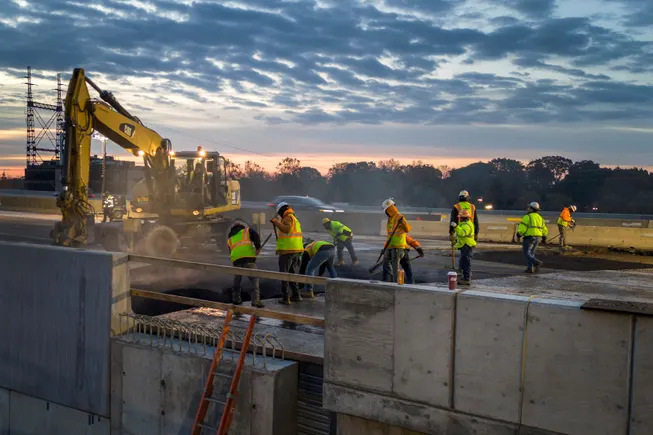
Road construction work zones are high-risk environments where moving traffic, heavy equipment, and workers operate in close proximity, requiring careful management. Every project needs a transportation management plan and site-specific safety program in place before work begins, along with proper personal protective equipment.

Safety
The Future of Construction Safety: 10 ConTech Safety Solutions Making an Impact
BuiltWorlds·May 5, 2026

The Future of Construction Safety: 10 ConTech Safety Solutions Making an Impact

Construction remains a high-hazard industry where workers face long hours, heavy machinery, shifting job sites, and exposure to dangerous materials. New ConTech safety solutions in 2024 are addressing these risks and making measurable improvements across job sites.

Safety
How to Start and Scale Jobsite Safety Programs in Autodesk Forma Build
Autodesk Construction Cloud Blog·May 5, 2026

How to Start and Scale Jobsite Safety Programs in Autodesk Forma Build

Effective jobsite safety requires intentional planning and consistent processes rather than ad-hoc responses to each new project. Autodesk Forma Build provides tools to standardize and scale safety programs across field teams and multiple projects.

Safety
Construction Companies Are Nearly Seven Times Safer With These Best Practices
Construction Executive·May 4, 2026

Construction Companies Are Nearly Seven Times Safer With These Best Practices

ABC's 2026 Health and Safety Performance Report shows that construction companies implementing best practices can achieve nearly seven times better safety performance. The report highlights specific safety protocols and practices that significantly reduce workplace incidents and injuries.

Safety
Eyes in the Sky
AGC of America News·May 4, 2026

Eyes in the Sky

Drone technology and aerial imaging are transforming how construction teams monitor job sites, track progress, and manage safety hazards from above. Real-time data collection from drones reduces the need for manual inspections and helps crews make faster, more informed decisions on project timelines and resource allocation.

AutonomySafety
WEEKLY DISPATCH
California lawmakers open the gate for autonomous trucks in the state
Robotics Business Review·Apr 30, 2026

California lawmakers open the gate for autonomous trucks in the state

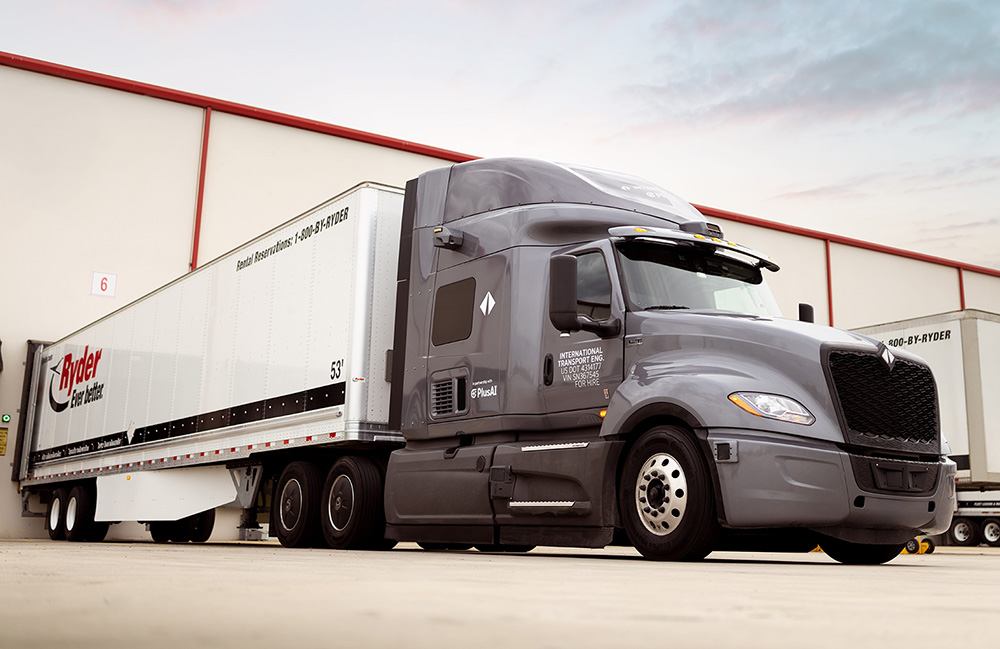
The California DMV has paved the way for autonomous trucks in the state with expanded safety and oversight requirements for all autonomous vehicles. The post California lawmakers open the gate for autonomous trucks in the state appeared first on The Robot Report .

RoboticsAutonomy
7 Heavy Equipment Safety Tips for Construction Workers
ConstructConnect·Apr 29, 2026

7 Heavy Equipment Safety Tips for Construction Workers

Heavy equipment accidents remain a leading cause of injury and death on construction sites, making proper safety protocols essential for all workers. Following established safety guidelines—including equipment inspection, operator training, and hazard awareness—significantly reduces workplace incidents and protects your crew.

Safety
From sci-fi to reality: Physical AI’s future with Dr. Jan Liphardt
Robotics Business Review·Apr 24, 2026

From sci-fi to reality: Physical AI’s future with Dr. Jan Liphardt

Dr. Jan Liphardt discusses the impact of modular AI systems on robotics, emphasizing the importance of transparency and safety in human-robot interactions. The post From sci-fi to reality: Physical AI’s future with Dr. Jan Liphardt appeared first on The Robot Report .

RoboticsSafety
4 Common Risk Factors on Construction Projects for General Contractors
ConstructConnect·Apr 26, 2026

4 Common Risk Factors on Construction Projects for General Contractors

General contractors face four key risk factors on construction projects that can impact project success and profitability. Understanding and managing these risks—whether related to safety, scheduling, budget, or workforce—is essential for maintaining operational efficiency on job sites.

SafetyWorkforce
Let’s take action to make US road work zones safer
Construction Dive·Apr 23, 2026

Let’s take action to make US road work zones safer

An industry association is calling for work zone safety improvements to be included in upcoming surface transportation legislation discussions. The push comes during National Work Zone Awareness Week, highlighting the need for better protections on active job sites.

Safety
Caterpillar Partners with Geotab on Full Fleet Telematics
Equipment World·Apr 21, 2026

Caterpillar Partners with Geotab on Full Fleet Telematics

The integration gives contractors one platform for on- and off-highway fleet tracking, safety and operations.

AutonomySafety
New Bioengineered Patch Makes Its Own Oxygen to Heal Wounds and Grow Tissue
3D Printing Industry·Apr 17, 2026

New Bioengineered Patch Makes Its Own Oxygen to Heal Wounds and Grow Tissue

Researchers have created a bioengineered patch that produces its own oxygen to accelerate wound healing and tissue growth, solving a major challenge in tissue engineering. This technology could have applications in construction-related injuries and worker health management.

MaterialsSafety