AllAI & MLRoboticsAutonomy3D PrintingElectrificationSafetyWorkforceMaterialsEDITOR'S PICKWEEKLY DISPATCH
Category

Safety & Wearables

OSHA regulations, jobsite safety technology, smart PPE, wearables, incident prevention, and compliance tools.

382 stories found

The implementation discipline gap that defined 2026 continues to crystallize into measurable operational consequences. Construction organizations now possess unprecedented technical capacity for hazard detection—from drone-based monitoring systems exemplified by Axon's expanded first-responder capabilities through Skydio to real-time wearable sensors and environmental exposure tracking—yet this capability remains systematically underdeployed where it matters most. Recent industry reports documenting how technology is improving construction worker safety and health reveal that successful implementations cluster within organizations already operating mature safety cultures, while struck-by incidents, scaffolding collapses, and adjacent-work hazards continue claiming lives across the broader industry. The technical pathways to remove personnel from hazardous exposures now exist. The distinguishing factor separating organizations with demonstrable safety outcomes from those experiencing preventable fatalities is not equipment availability but organizational discipline: the commitment to respond consistently to alerts generated, the financial commitment to ensure properly fitted PPE reaches and remains functional on worksites, and the psychological safety cultures that enable workers across all employment categories—permanent crews, contracted specialists, and maintenance personnel—to disclose health limitations and hazards without schedule-driven retaliation.

Data security and privacy requirements for connected PPE have emerged as a critical implementation barrier that construction companies continue to underestimate. Smart wearables transmitting health data, respiratory protection metrics, or environmental exposure information create significant liability exposure when medical information remains inadequately protected across cloud-based systems. This security dimension operates simultaneously as a regulatory compliance requirement and an organizational accountability framework—companies deploying connected PPE without robust data protection protocols face exposure not only to occupational health violations but to data breach liability affecting workers' protected health information. The paradox remains structural: the same cloud connectivity enabling real-time hazard alerts and longitudinal health monitoring creates attack surfaces and privacy vulnerabilities that organizations must actively defend.

Recent regulatory developments reinforce that standards organizations have moved decisively beyond prescriptive requirements into implementation efficacy. OSHA's expanded Type II safety helmet guidance, the National Safety Council's updated ROI calculators for safety technology investments, and revised ANSI/ISEA standards for high-visibility apparel now addressing fit issues that compromise protective function establish that properly equipped and trained personnel represent documented baseline requirements rather than debatable operational considerations. Simultaneously, emerging legislative action—including Ohio's work zone safety act and MSHA's proposed updates to silica dust exposure rules for mining—demonstrates regulatory bodies recognizing that hazard detection and exposure documentation alone insufficient without enforcement mechanisms ensuring organizational response. Construction executives in 2027 must recognize that competitive differentiation and legal defensibility depend less on acquiring additional detection systems and more on establishing the organizational infrastructure to translate safety information into consistent operational discipline, ensuring all worker populations receive appropriate protection, and creating accountability frameworks where hazard disclosure generates protective action rather than schedule pressure.

Low-cost 3D printed sensors could widen access to diagnostics
3D Printing Industry·Jul 21, 2026

Low-cost 3D printed sensors could widen access to diagnostics

Researchers at the University of Brighton are developing affordable 3D printed medical sensors designed to make diagnostic testing cheaper and more accessible. The technology could have applications in construction safety monitoring and health screening for field workers.

3D PrintingMaterials
Boston Dynamics to discuss the art behind human-robot interaction
Robotics Business Review·Jul 20, 2026

Boston Dynamics to discuss the art behind human-robot interaction

Boston Dynamics will host a webinar where experts explain the design principles necessary for safe interactions between humans and robots on job sites. The session focuses on practical considerations that construction teams need to understand when integrating robotic equipment into their operations.

RoboticsSafety
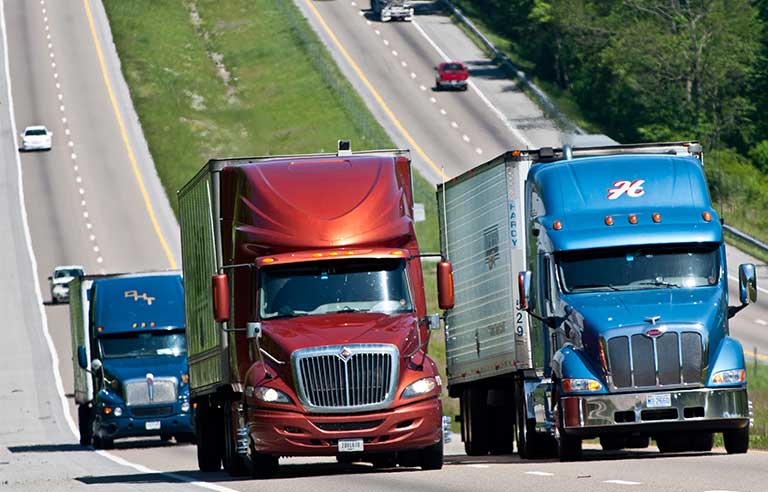
New requirements for automatic braking and electronic logging are on DOT’s to-do list
Safety+Health Magazine·Jul 20, 2026

New requirements for automatic braking and electronic logging are on DOT’s to-do list

The Department of Transportation is moving forward with new regulations requiring automatic emergency braking systems on heavy trucks as part of its updated regulatory agenda. The rule aims to improve safety for commercial vehicles operating on U.S. roads.

AutonomySafety
How construction safety management software helps trade contractors stay compliant in the field
Fieldwire Blog·Jul 19, 2026

How construction safety management software helps trade contractors stay compliant in the field

Construction safety management software helps trade contractors meet regulatory requirements and reduce jobsite incidents by centralizing compliance tracking, incident reporting, and safety documentation in the field. Digital tools enable real-time monitoring of safety protocols, training records, and hazard assessments, making it easier for crews to stay compliant without paperwork delays.

Safety
New Kansas law targets distracted drivers in construction work zones
Safety+Health Magazine·Jul 20, 2026

New Kansas law targets distracted drivers in construction work zones

Kansas has enacted S.B. 366, a new law that imposes penalties on drivers using handheld mobile devices in active construction work zones. The legislation, signed by Governor Laura Kelly in April, aims to reduce distracted driving and protect construction workers on job sites.

Safety
Are suppliers ready for new robot safety standards?
Robotics Business Review·Jul 11, 2026

Are suppliers ready for new robot safety standards?

New robot safety standards are coming, and suppliers need to prepare now or risk losing market access. Companies that adapt quickly to these changes will gain a competitive advantage in the construction robotics space.

RoboticsSafety
Report explores the hazards of airport ramps
Safety+Health Magazine·Jul 17, 2026

Report explores the hazards of airport ramps

Congestion and dynamic work conditions in airport ramp areas create significant hazards for workers, according to a National Academies of Sciences, Engineering and Medicine report. The research identifies work-related injuries and deaths as major concerns in these high-traffic operational zones.

WorkforceSafety
WEEKLY DISPATCH
Fall Protection Equipment Updates and How They Might Affect Your Construction Company
Construction Executive·Jul 9, 2026

Fall Protection Equipment Updates and How They Might Affect Your Construction Company

OSHA and ANSI have released updated fall protection standards that construction companies need to understand and implement. Companies should review these latest requirements to ensure their equipment and protocols meet current safety regulations.

Safety
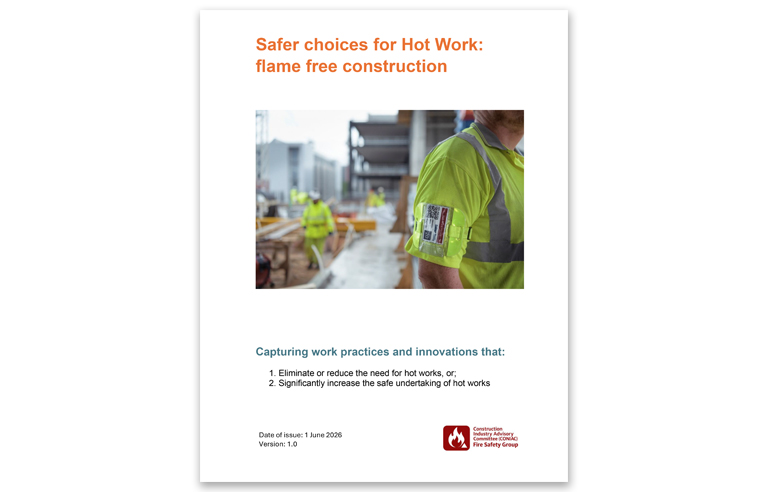
Hot work in construction: New guide promotes flame-free alternatives
Safety+Health Magazine·Jul 15, 2026

Hot work in construction: New guide promotes flame-free alternatives

A UK government working group released a construction safety guide promoting flame-free alternatives to hot work and safer practices for necessary hot work operations. The guide documents work practices and innovations that either eliminate hot work needs or significantly improve safety when hot work must be performed.

Safety
Tickets, geofences, and 1M miles: The new reality of California AV compliance
Robotics Business Review·Jul 8, 2026

Tickets, geofences, and 1M miles: The new reality of California AV compliance

California has implemented new compliance mandates for autonomous vehicles that will reshape how driverless technology operates in the state, including requirements for geofencing, ticketing systems, and logging 1 million miles of operation. Construction and logistics companies using AVs for jobsite transport and material delivery will need to understand these regulatory requirements to maintain legal operations.

AutonomySafety
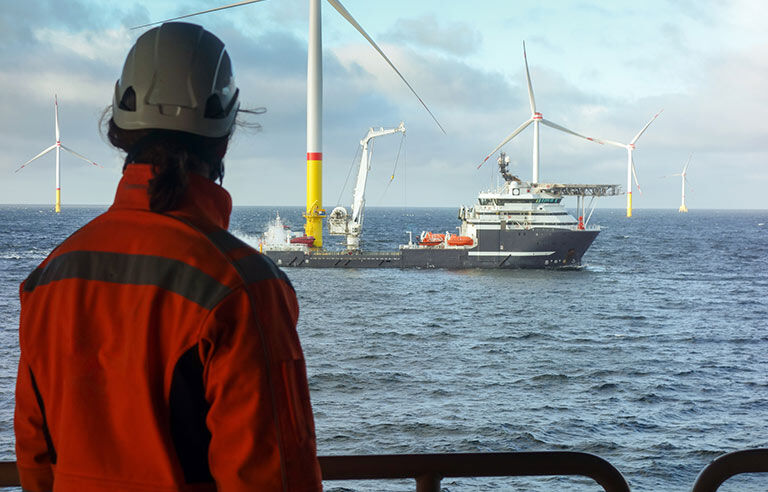
ILO research shows top causes of seafarer deaths in 2024
Safety+Health Magazine·Jul 15, 2026

ILO research shows top causes of seafarer deaths in 2024

The International Labor Organization's 2024 data on 449 seafarer deaths across 66 countries reveals that illness and disease are the leading causes of fatalities, while work-related incidents account for nearly 20% of deaths. These findings underscore critical safety and health risks in maritime work that mirror occupational hazards faced in construction and other industries.

SafetyWorkforce
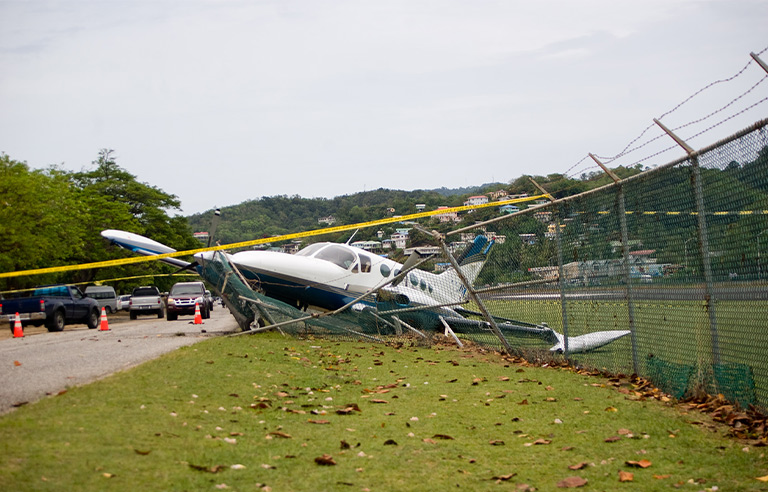
Presence of impairing drugs among fatally injured pilots on the rise, NTSB finds
Safety+Health Magazine·Jul 14, 2026

Presence of impairing drugs among fatally injured pilots on the rise, NTSB finds

The National Transportation Safety Board found that nearly 30% of fatally injured civil aviation pilots tested positive for potentially impairing drugs over a five-year period. The study highlights a growing concern about drug use among certified commercial pilots and its role in aviation accidents.

Safety
Most nurses have recently experienced workplace violence, survey shows
Safety+Health Magazine·Jul 14, 2026

Most nurses have recently experienced workplace violence, survey shows

A survey of nearly 1,300 nurses reveals that the majority have experienced workplace violence in the past year, with over a third reporting increased incidents in their units. The findings highlight a serious safety concern in healthcare work environments that demands attention to worker protection measures.

WorkforceSafety
Pennsylvania lawmakers lead push for heat illness protection bill
Safety+Health Magazine·Jul 14, 2026

Pennsylvania lawmakers lead push for heat illness protection bill

Pennsylvania lawmakers and labor leaders are pushing for passage of a state bill designed to protect workers from heat-related injuries and illnesses on job sites. The legislation was introduced by Representatives Elizabeth Fiedler and Jim Haddock to address occupational heat safety concerns.

SafetyWorkforce
Watchdog group to California governor: Don’t cut Cal/OSHA’s budget
Safety+Health Magazine·Jul 13, 2026

Watchdog group to California governor: Don’t cut Cal/OSHA’s budget

Public Citizen is urging California Governor Gavin Newsom to reject a proposed $725,000 budget cut to Cal/OSHA's enforcement division for fiscal year 2026-2027, arguing the reduction is not fiscally necessary. The watchdog group's position highlights concerns about maintaining workplace safety oversight in the state.

SafetyWorkforce
In development: guidelines for recognizing, treating brain injuries among first responders
Safety+Health Magazine·Jul 10, 2026

In development: guidelines for recognizing, treating brain injuries among first responders

Ohio State University researchers have developed evidence-based guidelines to help first responders recognize and treat traumatic brain injuries on the job. The new protocols will provide clear frameworks for managing brain injuries and determining safe return-to-work timelines.

SafetyWorkforce
WEEKLY DISPATCH
Safety group offers strategy for managing worker fatigue
Safety+Health Magazine·Jul 10, 2026

Safety group offers strategy for managing worker fatigue

The Infrastructure Health and Safety Association has released a hazard alert warning that worker fatigue significantly impairs mental focus and creates serious safety risks on job sites. ISHA defines fatigue as exhaustion affecting the body, mind, or both, and offers strategies for managing this hazard.

WorkforceSafety
NSC marks 5 years of its MSD Solutions Lab during annual summit
Safety+Health Magazine·Jul 8, 2026

NSC marks 5 years of its MSD Solutions Lab during annual summit

The National Safety Council celebrated five years of its MSD Solutions Lab, a program designed to reduce work-related musculoskeletal disorders and boost worker well-being. The milestone was marked on June 23 at NSC's annual Workplace Safety Summit.

SafetyWorkforce