AllAI & MLRoboticsAutonomy3D PrintingElectrificationSafetyWorkforceMaterialsEDITOR'S PICKWEEKLY DISPATCH
Category

Safety & Wearables

OSHA regulations, jobsite safety technology, smart PPE, wearables, incident prevention, and compliance tools.

382 stories found

The implementation discipline gap that defined 2026 continues to crystallize into measurable operational consequences. Construction organizations now possess unprecedented technical capacity for hazard detection—from drone-based monitoring systems exemplified by Axon's expanded first-responder capabilities through Skydio to real-time wearable sensors and environmental exposure tracking—yet this capability remains systematically underdeployed where it matters most. Recent industry reports documenting how technology is improving construction worker safety and health reveal that successful implementations cluster within organizations already operating mature safety cultures, while struck-by incidents, scaffolding collapses, and adjacent-work hazards continue claiming lives across the broader industry. The technical pathways to remove personnel from hazardous exposures now exist. The distinguishing factor separating organizations with demonstrable safety outcomes from those experiencing preventable fatalities is not equipment availability but organizational discipline: the commitment to respond consistently to alerts generated, the financial commitment to ensure properly fitted PPE reaches and remains functional on worksites, and the psychological safety cultures that enable workers across all employment categories—permanent crews, contracted specialists, and maintenance personnel—to disclose health limitations and hazards without schedule-driven retaliation.

Data security and privacy requirements for connected PPE have emerged as a critical implementation barrier that construction companies continue to underestimate. Smart wearables transmitting health data, respiratory protection metrics, or environmental exposure information create significant liability exposure when medical information remains inadequately protected across cloud-based systems. This security dimension operates simultaneously as a regulatory compliance requirement and an organizational accountability framework—companies deploying connected PPE without robust data protection protocols face exposure not only to occupational health violations but to data breach liability affecting workers' protected health information. The paradox remains structural: the same cloud connectivity enabling real-time hazard alerts and longitudinal health monitoring creates attack surfaces and privacy vulnerabilities that organizations must actively defend.

Recent regulatory developments reinforce that standards organizations have moved decisively beyond prescriptive requirements into implementation efficacy. OSHA's expanded Type II safety helmet guidance, the National Safety Council's updated ROI calculators for safety technology investments, and revised ANSI/ISEA standards for high-visibility apparel now addressing fit issues that compromise protective function establish that properly equipped and trained personnel represent documented baseline requirements rather than debatable operational considerations. Simultaneously, emerging legislative action—including Ohio's work zone safety act and MSHA's proposed updates to silica dust exposure rules for mining—demonstrates regulatory bodies recognizing that hazard detection and exposure documentation alone insufficient without enforcement mechanisms ensuring organizational response. Construction executives in 2027 must recognize that competitive differentiation and legal defensibility depend less on acquiring additional detection systems and more on establishing the organizational infrastructure to translate safety information into consistent operational discipline, ensuring all worker populations receive appropriate protection, and creating accountability frameworks where hazard disclosure generates protective action rather than schedule pressure.

August 11th is National 8-1-1 Day: Top Resources for Your Safety Program
AGC of America News·Jul 31, 2026

August 11th is National 8-1-1 Day: Top Resources for Your Safety Program

August 11th marks National 8-1-1 Day, a reminder for construction crews to call before digging to prevent hitting underground utilities. The observance highlights resources and best practices for keeping your jobsite safe from utility strikes.

Safety
WEEKLY DISPATCH
Leveraging Real-Time Wearable Tech to Reduce Heat Stress on Construction Sites
Construction Executive·Jul 30, 2026

Leveraging Real-Time Wearable Tech to Reduce Heat Stress on Construction Sites

Wearable technology can monitor workers in real-time on construction sites to prevent heat stress and injuries. This approach improves safety outcomes, reduces incidents and delays, and builds a stronger safety culture across projects.

Safety
Now Available: 2026 CSEA Best Practices Playbook
AGC of America News·Jul 29, 2026

Now Available: 2026 CSEA Best Practices Playbook

The Construction Safety and Equipment Association (CSEA) has released its 2026 Best Practices Playbook, offering updated guidance for construction professionals on industry standards and safety protocols. The playbook serves as a resource for companies looking to align operations with current best practices and regulatory requirements.

SafetyWorkforce
Did You Know: Unique Legal Considerations for Animal Care Facilities
Construction Executive·Jul 29, 2026

Did You Know: Unique Legal Considerations for Animal Care Facilities

Animal care facilities present unique legal and regulatory challenges due to their specialized construction requirements and complex operational standards. Contractors and facility owners must navigate these considerations carefully to avoid costly compliance issues and project delays.

Safety
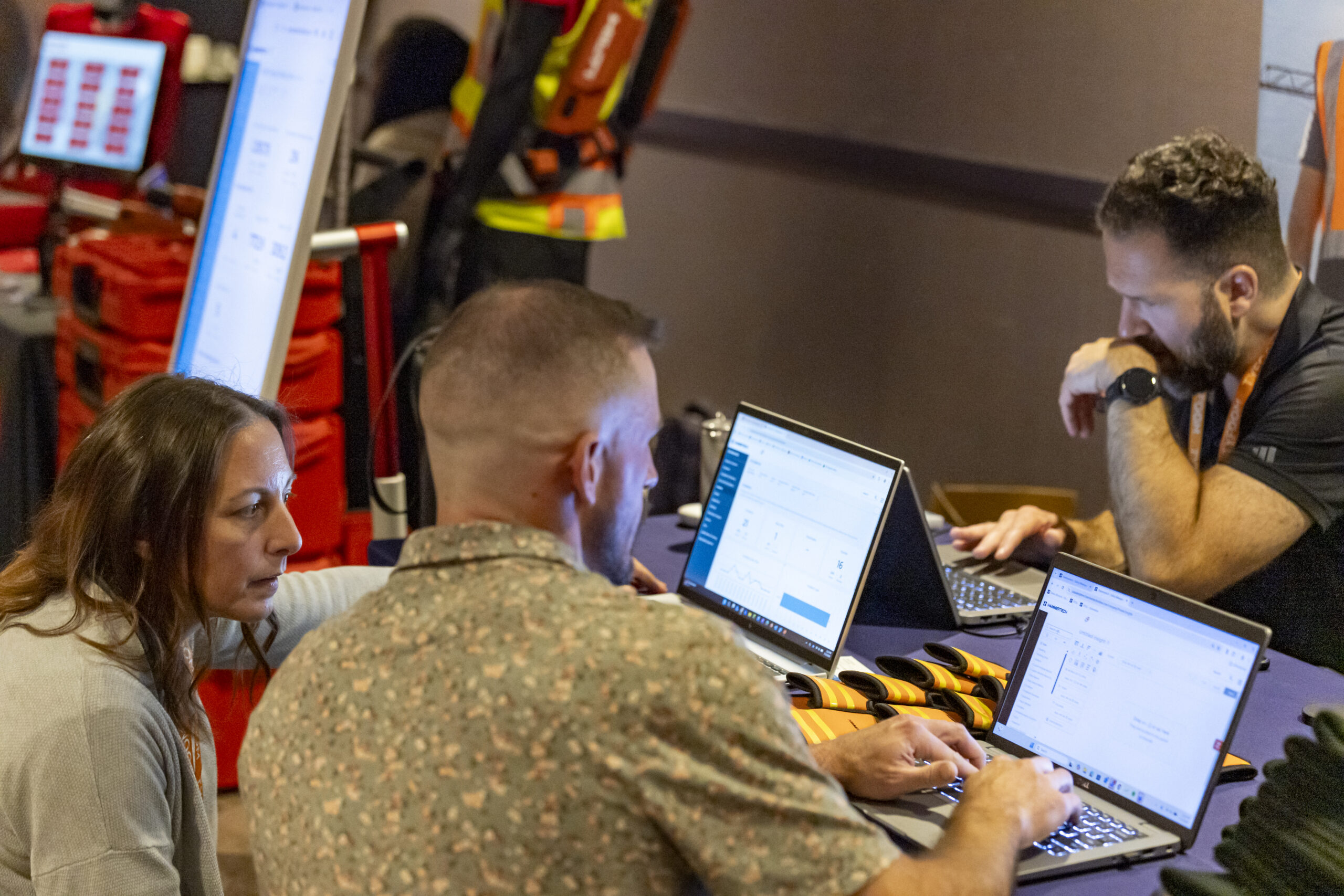
Advancing Safety Together: Highlights from the Summer 2026 AGC Construction Safety & Health Conference
AGC of America News·Jul 29, 2026

Advancing Safety Together: Highlights from the Summer 2026 AGC Construction Safety & Health Conference

The AGC Construction Safety & Health Conference in Summer 2026 brought together industry leaders to share best practices and innovations for improving jobsite safety. The event highlighted collaborative approaches and emerging technologies that help construction companies reduce accidents and protect their workforce.

SafetyWorkforce
ENvue Medical develops robotic feeding tube placement system
Robotics Business Review·Jul 28, 2026

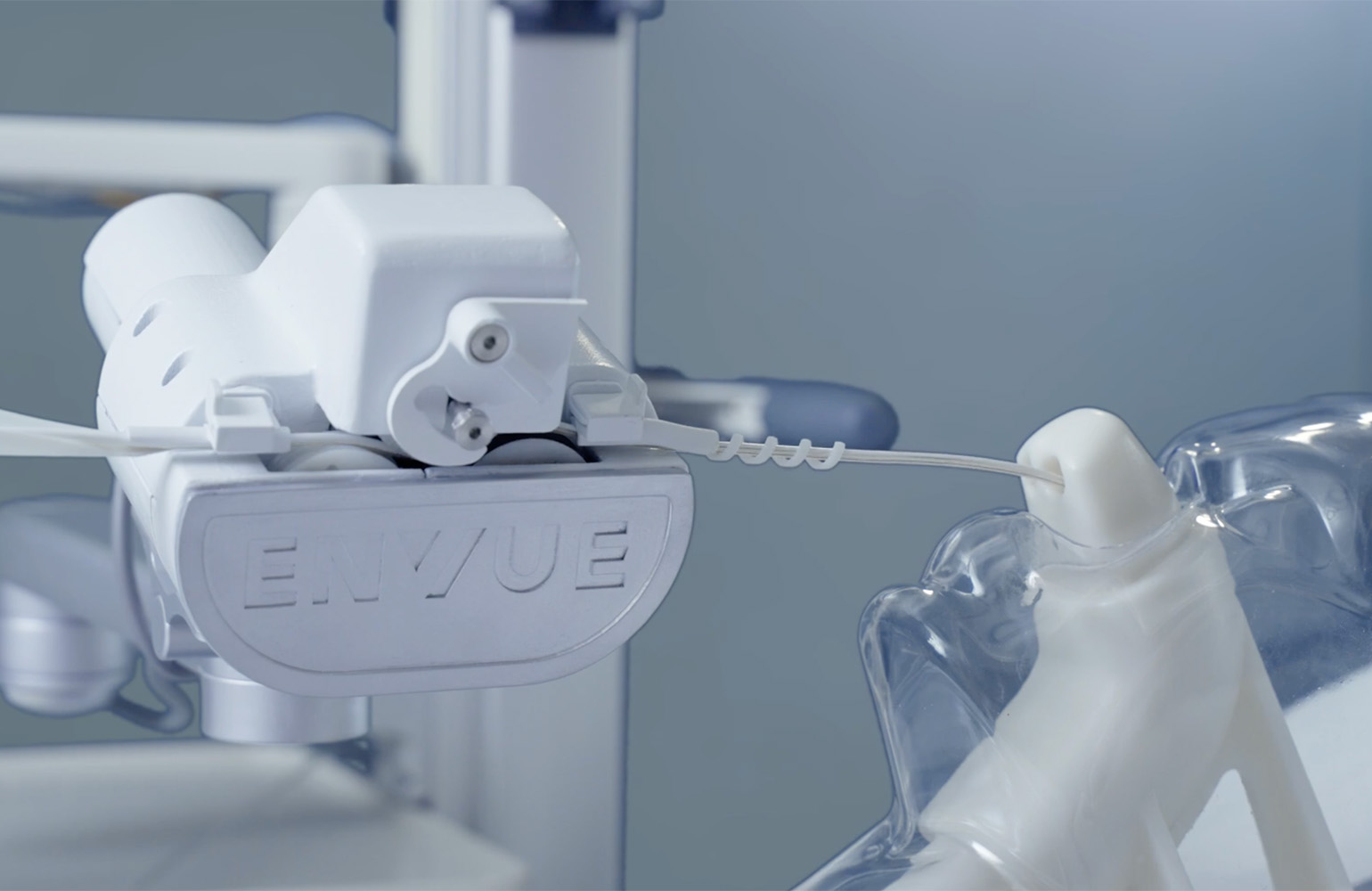
ENvue Medical develops robotic feeding tube placement system

ENvue Medical has developed a robotic system called ENvue Drive that assists clinicians in placing feeding tubes while keeping the doctor in full control throughout the procedure. The technology represents a tool designed to support medical professionals rather than automate the task entirely.

RoboticsSafety
Lawmakers want Dr. John Howard to continue as head of World Trade Center Health Program
Safety+Health Magazine·Jul 28, 2026

Lawmakers want Dr. John Howard to continue as head of World Trade Center Health Program

A bipartisan group of lawmakers is pushing to reappoint Dr. John Howard as head of the World Trade Center Health Program, which serves 140,000 9/11 responders and survivors. Howard's current six-year term is ending, and legislators are advocating for his continued leadership of the medical care program.

Safety
SawStop CTS Jobsite Table Saw
JLC Online·Jul 23, 2026

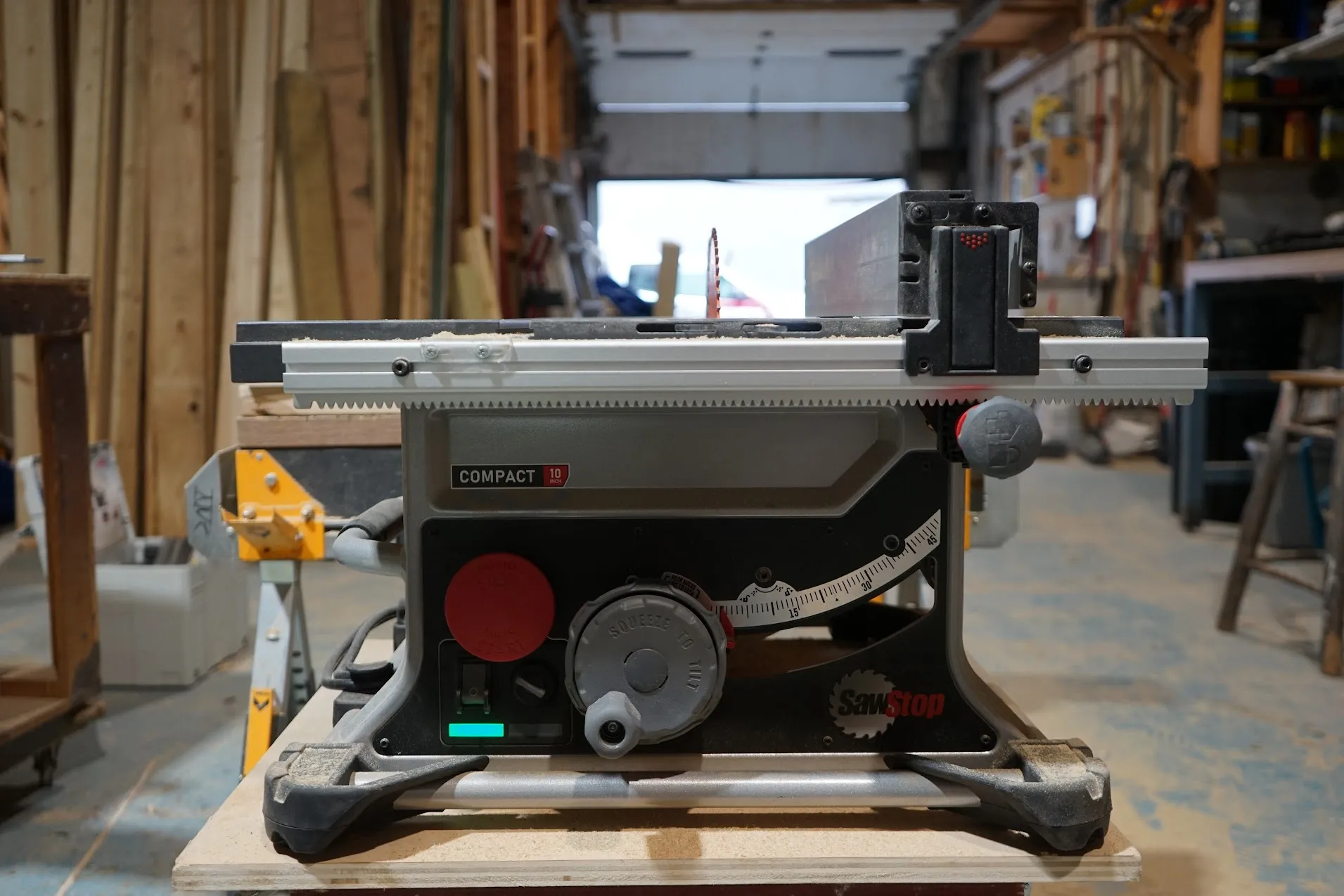
SawStop CTS Jobsite Table Saw

SawStop's Compact Table Saw (CTS) features a blade-braking safety system designed to stop immediately upon skin contact, though the technology remains debated among carpenters. The reviewer explored this controversial saw despite hearing strong opinions from other construction professionals.

Safety
Deadline to comment on 13 proposed rules extended to Aug. 21
Safety+Health Magazine·Jul 27, 2026

Deadline to comment on 13 proposed rules extended to Aug. 21

OSHA extended the public comment deadline to August 21 for proposed changes to respirator requirements for 13 hazardous substances including asbestos, cadmium, and ethylene oxide. Construction workers and employers in affected trades should review the proposed rules and submit feedback before the deadline.

Safety
Generative Bionics unveils humanoid robot with full-body tactile sensing
Robotics Business Review·Jul 21, 2026

Generative Bionics unveils humanoid robot with full-body tactile sensing

Generative Bionics has introduced the Gene.01 humanoid robot equipped with full-body tactile sensing across its entire surface. This sensory capability allows the robot to detect human presence and respond quickly, potentially improving collaboration and safety on job sites.

RoboticsAutonomy
Arizona law bolsters radiation protections for health care workers
Safety+Health Magazine·Jul 27, 2026

Arizona law bolsters radiation protections for health care workers

Arizona Governor Katie Hobbs signed S.B. 1121 on June 19, updating safety standards for health care workers exposed to radiation in cardiac catheterization labs and X-ray rooms. The law permits hospitals to implement approved radiation protection systems to better safeguard medical personnel.

Safety
Flight attendants should have more say on cabin temps, report concludes
Safety+Health Magazine·Jul 27, 2026

Flight attendants should have more say on cabin temps, report concludes

A National Academies report recommends that airlines give flight attendants greater input on real-time cabin temperature decisions that could impact passenger and crew health and safety. The mandate came from Congress to assess how airlines can better incorporate crew expertise into operational decisions affecting working conditions.

WorkforceSafety
WEEKLY DISPATCH
Heat safety in the workplace: New recommendations from athletic trainers’ group
Safety+Health Magazine·Jul 23, 2026

Heat safety in the workplace: New recommendations from athletic trainers’ group

The National Athletic Trainers' Association released 48 evidence-based recommendations for employers to prevent heat illness on job sites, including developing heat illness prevention plans and establishing acclimatization protocols. Construction companies can use these guidelines to implement effective heat mitigation strategies and protect workers from heat-related injuries.

SafetyWorkforce
Flame retardant is among 5 chemicals for which EPA seeks feedback
Safety+Health Magazine·Jul 23, 2026

Flame retardant is among 5 chemicals for which EPA seeks feedback

The EPA released a draft risk evaluation on June 16 identifying five chemicals that pose health risks to workers, including a flame retardant deemed to present unreasonable risk through air exposure. The agency is now seeking public feedback on these workplace chemical assessments.

MaterialsSafety
WEEKLY DISPATCH
Skills gaps can challenge worker safety, UK report shows
Safety+Health Magazine·Jul 23, 2026

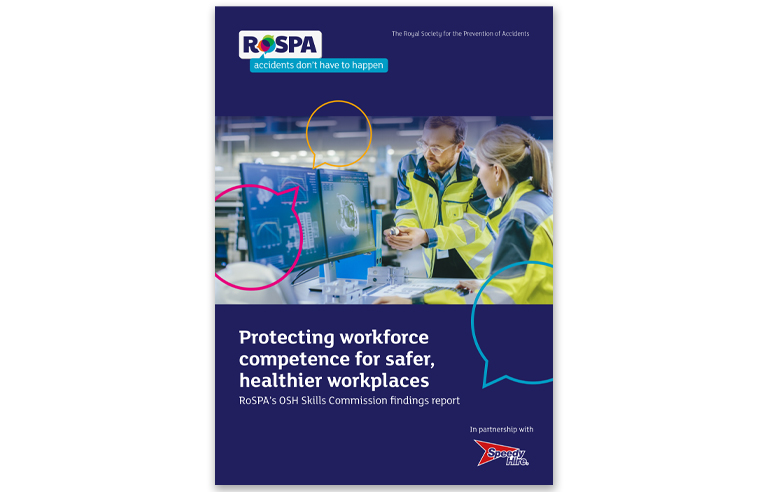
Skills gaps can challenge worker safety, UK report shows

A UK safety agency report warns that skills gaps in the workforce create serious workplace safety and health risks on job sites. Construction professionals need stronger training and competency standards to prevent accidents and injuries.

WorkforceSafety
Reducing wildfire smoke exposure: NIOSH has a new resource
Safety+Health Magazine·Jul 22, 2026

Reducing wildfire smoke exposure: NIOSH has a new resource

NIOSH has released new guidance to help employers and workers reduce exposure to wildfire smoke, which poses a major health hazard across much of the United States. Construction teams can implement protective measures by coordinating efforts between management and workers to limit smoke inhalation on job sites.

Safety
Investigation of fatal explosion focuses on gas monitoring and detection
Safety+Health Magazine·Jul 21, 2026

Investigation of fatal explosion focuses on gas monitoring and detection

The Chemical Safety Board is investigating a fatal explosion involving hydrogen sulfide and recommends that employers deploy gas monitoring equipment to detect hazardous chemical releases. Proper gas detection technology can help prevent similar incidents and protect workers on job sites.

Safety
Coming in August: annual truck and bus brake inspection blitz
Safety+Health Magazine·Jul 21, 2026

Coming in August: annual truck and bus brake inspection blitz

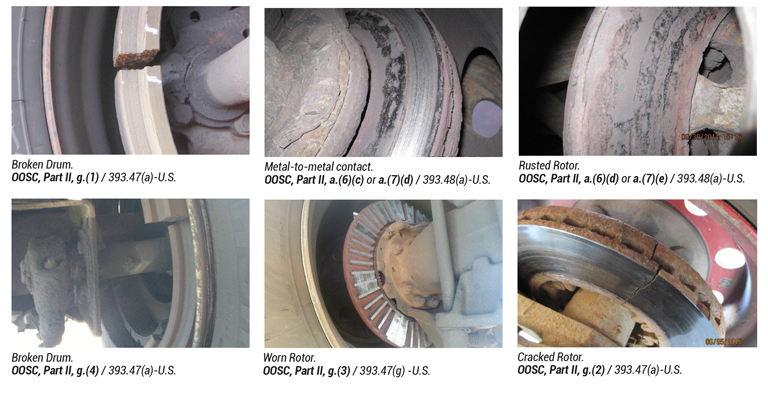
Commercial motor vehicle inspectors across North America will conduct brake system inspections during the Commercial Vehicle Safety Alliance's annual Brake Safety Week from August 23-29. Inspectors will perform both announced and unannounced inspections with special attention to brake drums on trucks and buses.

Safety