AllAI & MLRoboticsAutonomy3D PrintingElectrificationSafetyWorkforceMaterialsEDITOR'S PICKWEEKLY DISPATCH
Category

Safety & Wearables

OSHA regulations, jobsite safety technology, smart PPE, wearables, incident prevention, and compliance tools.

382 stories found

The implementation discipline gap that defined 2026 continues to crystallize into measurable operational consequences. Construction organizations now possess unprecedented technical capacity for hazard detection—from drone-based monitoring systems exemplified by Axon's expanded first-responder capabilities through Skydio to real-time wearable sensors and environmental exposure tracking—yet this capability remains systematically underdeployed where it matters most. Recent industry reports documenting how technology is improving construction worker safety and health reveal that successful implementations cluster within organizations already operating mature safety cultures, while struck-by incidents, scaffolding collapses, and adjacent-work hazards continue claiming lives across the broader industry. The technical pathways to remove personnel from hazardous exposures now exist. The distinguishing factor separating organizations with demonstrable safety outcomes from those experiencing preventable fatalities is not equipment availability but organizational discipline: the commitment to respond consistently to alerts generated, the financial commitment to ensure properly fitted PPE reaches and remains functional on worksites, and the psychological safety cultures that enable workers across all employment categories—permanent crews, contracted specialists, and maintenance personnel—to disclose health limitations and hazards without schedule-driven retaliation.

Data security and privacy requirements for connected PPE have emerged as a critical implementation barrier that construction companies continue to underestimate. Smart wearables transmitting health data, respiratory protection metrics, or environmental exposure information create significant liability exposure when medical information remains inadequately protected across cloud-based systems. This security dimension operates simultaneously as a regulatory compliance requirement and an organizational accountability framework—companies deploying connected PPE without robust data protection protocols face exposure not only to occupational health violations but to data breach liability affecting workers' protected health information. The paradox remains structural: the same cloud connectivity enabling real-time hazard alerts and longitudinal health monitoring creates attack surfaces and privacy vulnerabilities that organizations must actively defend.

Recent regulatory developments reinforce that standards organizations have moved decisively beyond prescriptive requirements into implementation efficacy. OSHA's expanded Type II safety helmet guidance, the National Safety Council's updated ROI calculators for safety technology investments, and revised ANSI/ISEA standards for high-visibility apparel now addressing fit issues that compromise protective function establish that properly equipped and trained personnel represent documented baseline requirements rather than debatable operational considerations. Simultaneously, emerging legislative action—including Ohio's work zone safety act and MSHA's proposed updates to silica dust exposure rules for mining—demonstrates regulatory bodies recognizing that hazard detection and exposure documentation alone insufficient without enforcement mechanisms ensuring organizational response. Construction executives in 2027 must recognize that competitive differentiation and legal defensibility depend less on acquiring additional detection systems and more on establishing the organizational infrastructure to translate safety information into consistent operational discipline, ensuring all worker populations receive appropriate protection, and creating accountability frameworks where hazard disclosure generates protective action rather than schedule pressure.

Road safety experts to FMCSA and fleet managers: Look to the ‘high performers’
Safety+Health Magazine·Aug 11, 2026

Road safety experts to FMCSA and fleet managers: Look to the ‘high performers’

Fleet managers and the FMCSA can improve road safety by adopting practices from top-performing carriers and leveraging assessment tools to measure safety performance. The Safe System Consortium released a report recommending these evidence-based strategies to reduce accidents and improve outcomes across the industry.
Safety
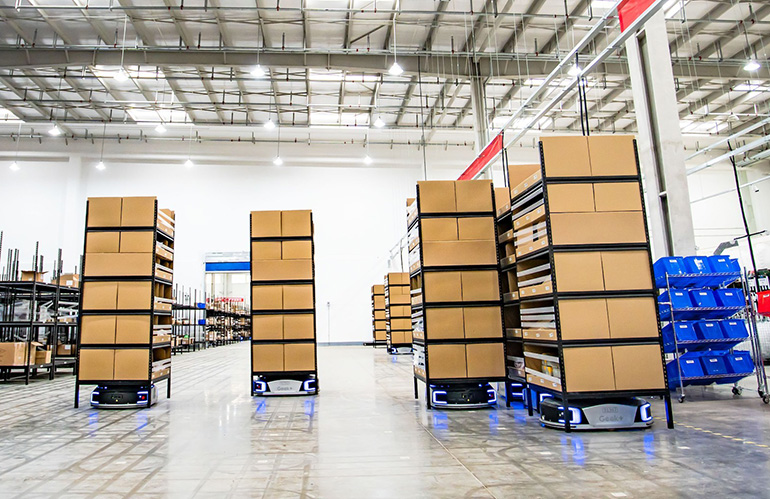
Webinar to discuss safety and scaling robot fleets in the warehouse
Robotics Business Review·Aug 11, 2026

Webinar to discuss safety and scaling robot fleets in the warehouse

Industry experts will share best practices for expanding mobile robot deployments in warehouse operations without compromising safety or productivity. The webinar addresses the practical challenges of scaling robotic fleet management in industrial settings.

RoboticsSafety
Renewed: Dallas Region emphasis program on manufacturing noise
Safety+Health Magazine·Aug 11, 2026

Renewed: Dallas Region emphasis program on manufacturing noise

OSHA's Dallas office has renewed and updated a Regional Emphasis Program targeting hazardous noise exposure in manufacturing industries through March 2029. The program focuses on wood product manufacturing and other industrial sectors where noise presents significant worker health risks.

Safety
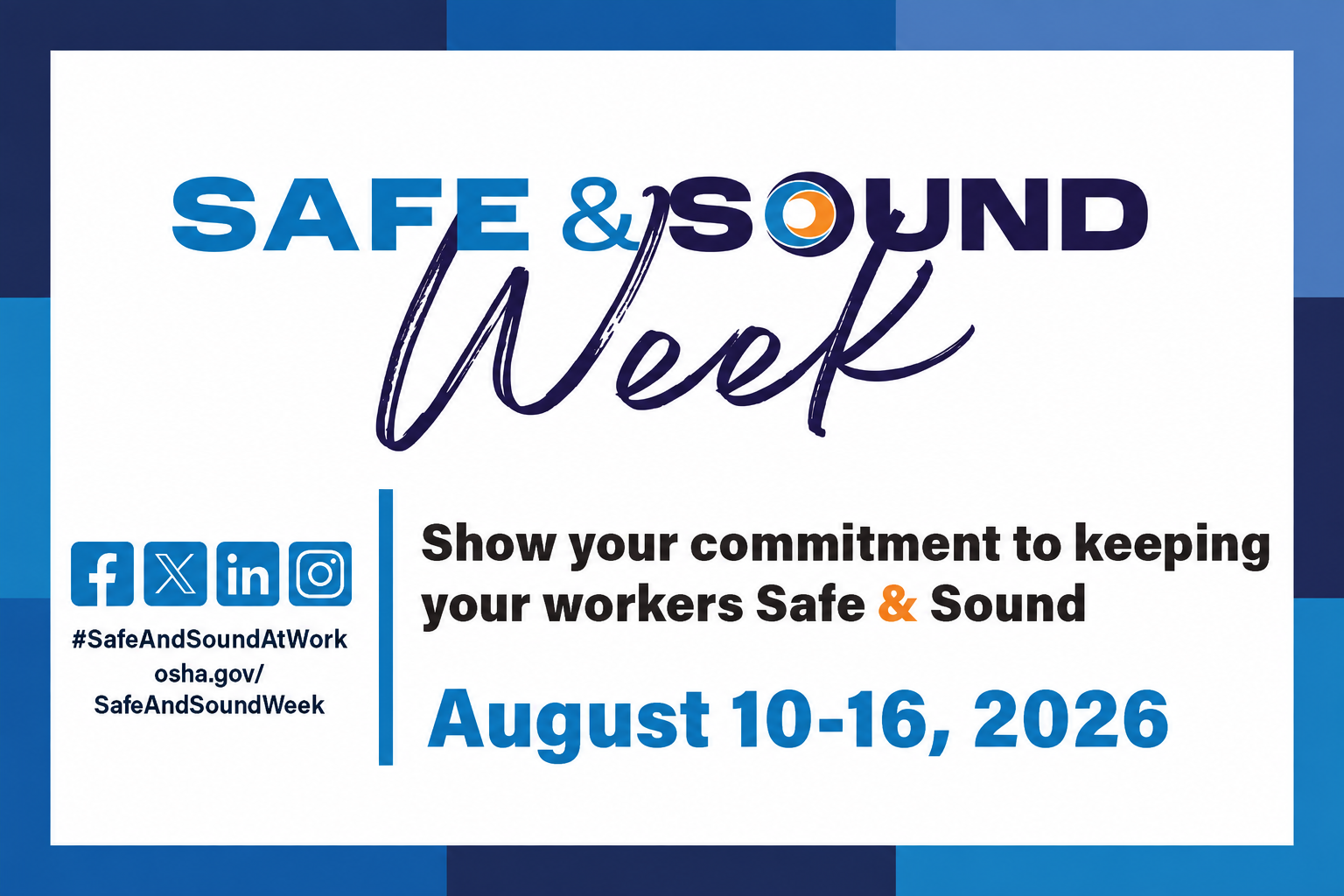
Safe & Sound Week: NEW Recognition Materials Now Available
AGC of America News·Aug 11, 2026

Safe & Sound Week: NEW Recognition Materials Now Available

Safe & Sound Week has released new recognition materials to promote workplace safety awareness in construction. The resources are available now for companies looking to acknowledge and reinforce safety practices on job sites.

Safety
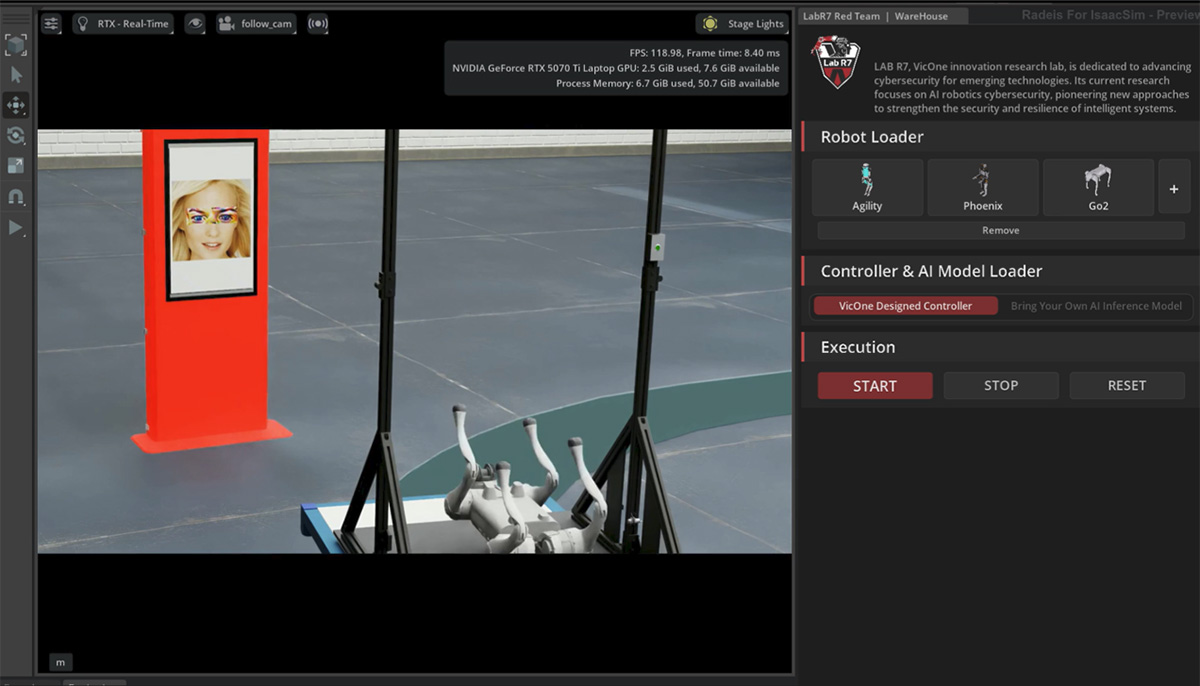
VicOne releases free NVIDIA Isaac Sim cybersecurity extension based on DEF CON 34 research
Robotics Business Review·Aug 10, 2026

VicOne releases free NVIDIA Isaac Sim cybersecurity extension based on DEF CON 34 research

VicOne released a free cybersecurity extension for NVIDIA Isaac Sim that allows developers to test robot safety vulnerabilities before deploying equipment on job sites. The tool was developed based on research presented at DEF CON 34 and helps construction teams identify potential cyber risks in robotic systems.

RoboticsSafety
Nuclear safety agency to host meeting on proposed changes to radiation protections
Safety+Health Magazine·Aug 7, 2026

Nuclear safety agency to host meeting on proposed changes to radiation protections

The Nuclear Regulatory Commission is holding a public meeting to discuss proposed updates to its radiation protection standards, including a reconsideration of the linear no-threshold model for radiation exposure. Construction professionals working on nuclear projects or in radiation-adjacent environments should monitor these regulatory changes as they may affect safety protocols and compliance requirements on job sites.

Safety
Safety Pros: Plan the Rest of Your 2026 Training
AGC of America News·Aug 7, 2026

Safety Pros: Plan the Rest of Your 2026 Training

Safety professionals should begin planning their training curriculum now to ensure crews are prepared for 2026 safety standards and best practices. Proactive training planning helps construction companies stay compliant, reduce incidents, and maintain a safer work environment across all job sites.

SafetyWorkforce
WEEKLY DISPATCH
Embracing Automation in Construction
ENR Construction Technology·Aug 5, 2026

Embracing Automation in Construction

Large-scale solar photovoltaic installations are well-suited for automation due to their repetitive tasks, remote job sites, and harsh working conditions. Automating these installations can improve efficiency and worker safety in challenging environments.

RoboticsWorkforce
Congress Considers Permanent Daylight Saving Time
AGC of America News·Aug 6, 2026

Congress Considers Permanent Daylight Saving Time

Congress is exploring legislation to make Daylight Saving Time permanent year-round, potentially eliminating the twice-yearly clock changes. The shift could affect job site scheduling, equipment operation times, and worker safety protocols across the construction industry.

Safety
Bipartisan bills on workplace violence prevention move forward in Pennsylvania
Safety+Health Magazine·Aug 5, 2026

Bipartisan bills on workplace violence prevention move forward in Pennsylvania

Pennsylvania lawmakers are advancing bipartisan legislation to protect public school employees from workplace violence and fund threat assessments at health care facilities. The bills address safety concerns across institutional workplaces through prevention measures and facility evaluations.

Safety
Webinar: What Employers Need to Know about Marijuana Rescheduling
AGC of America News·Aug 5, 2026

Webinar: What Employers Need to Know about Marijuana Rescheduling

The federal government is considering rescheduling marijuana, which will significantly impact how construction companies handle drug testing policies and workplace safety protocols. Employers need to understand the legal changes and update their HR practices accordingly to stay compliant.

WorkforceSafety
NIOSH firefighter cancer registry video wins a Telly award
Safety+Health Magazine·Aug 5, 2026

NIOSH firefighter cancer registry video wins a Telly award

NIOSH's National Firefighter Registry for Cancer video has won a Gold Award in the 47th annual Telly Awards for excellence in TV and video production. The video, titled Tell Us About Your Fire Service, was recognized in the Public Interest and Awareness category for promoting cancer awareness among firefighters.

Safety
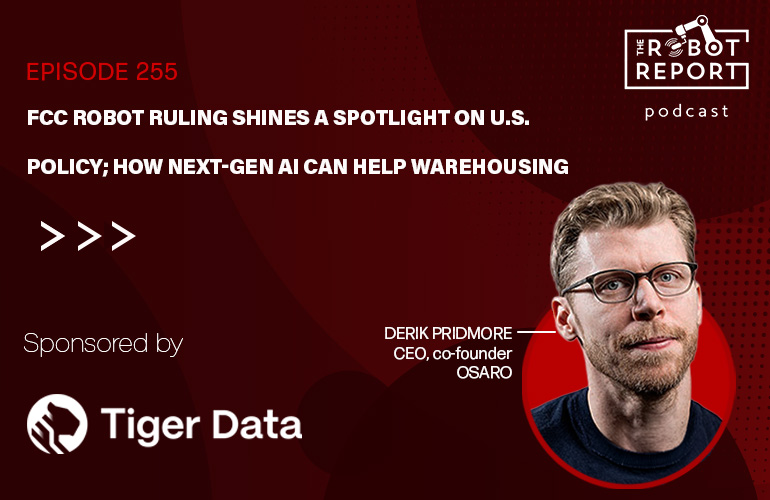
FCC robot ruling shines a spotlight on U.S. policy; how next-gen AI can help warehousing
Robotics Business Review·Jul 31, 2026

FCC robot ruling shines a spotlight on U.S. policy; how next-gen AI can help warehousing

The FCC's recent robot ruling is prompting discussions about U.S. policy frameworks for warehouse automation. Advanced warehouse robots require specialized, layered AI systems to ensure real-world safety and reliability, according to industry experts.

RoboticsAI & ML
House bill intended to help the Bureau of Prisons prevent heat and cold stress issues
Safety+Health Magazine·Aug 4, 2026

House bill intended to help the Bureau of Prisons prevent heat and cold stress issues

House Democrats introduced legislation to address dangerous temperature conditions in federal prisons that threaten the health of both staff and inmates. The bill aims to establish requirements for climate control systems to prevent heat and cold stress-related incidents in Bureau of Prisons facilities.

SafetyWorkforce
Chemical Safety Board urges facilities to conduct storage assessments
Safety+Health Magazine·Aug 4, 2026

Chemical Safety Board urges facilities to conduct storage assessments

The Chemical Safety Board is recommending that facility operators conduct thorough assessments of hazardous chemical storage practices, regardless of current regulatory mandates. This guidance stems from a September 2024 incident and emphasizes the need for proactive hazard identification and control measures.

Safety
OSHA extends comment deadline for proposed changes to benzene rule
Safety+Health Magazine·Aug 3, 2026

OSHA extends comment deadline for proposed changes to benzene rule

OSHA has extended the comment deadline to August 27 for proposed updates to its benzene safety standard (1910.1028), giving stakeholders an additional 30 days to provide feedback. The extension followed consultation with OSHA's Advisory Committee on Construction Safety and Health.

Safety
Massachusetts lawmakers advance bills targeting workplace violence in health care
Safety+Health Magazine·Aug 3, 2026

Massachusetts lawmakers advance bills targeting workplace violence in health care

Massachusetts lawmakers have advanced legislation to protect health care workers from workplace violence, with both the House and Senate passing similar bills in July that now move to a joint conference committee. While focused on health care, these workplace safety measures reflect broader industry trends toward protecting workers on the job.

SafetyWorkforce
WEEKLY DISPATCH
NIOSH wants its 3D printing guidance to ‘stick’
Safety+Health Magazine·Jul 31, 2026

NIOSH wants its 3D printing guidance to ‘stick’

NIOSH has released downloadable sticker graphics with QR codes to help workers using 3D printers reduce their exposure to emissions. The stickers link directly to agency resources about safe practices with additive manufacturing equipment.

3D PrintingSafety