AllAI & MLRoboticsAutonomy3D PrintingElectrificationSafetyWorkforceMaterialsEDITOR'S PICKWEEKLY DISPATCH
Category

Safety & Wearables

OSHA regulations, jobsite safety technology, smart PPE, wearables, incident prevention, and compliance tools.

382 stories found

The implementation discipline gap that defined 2026 continues to crystallize into measurable operational consequences. Construction organizations now possess unprecedented technical capacity for hazard detection—from drone-based monitoring systems exemplified by Axon's expanded first-responder capabilities through Skydio to real-time wearable sensors and environmental exposure tracking—yet this capability remains systematically underdeployed where it matters most. Recent industry reports documenting how technology is improving construction worker safety and health reveal that successful implementations cluster within organizations already operating mature safety cultures, while struck-by incidents, scaffolding collapses, and adjacent-work hazards continue claiming lives across the broader industry. The technical pathways to remove personnel from hazardous exposures now exist. The distinguishing factor separating organizations with demonstrable safety outcomes from those experiencing preventable fatalities is not equipment availability but organizational discipline: the commitment to respond consistently to alerts generated, the financial commitment to ensure properly fitted PPE reaches and remains functional on worksites, and the psychological safety cultures that enable workers across all employment categories—permanent crews, contracted specialists, and maintenance personnel—to disclose health limitations and hazards without schedule-driven retaliation.

Data security and privacy requirements for connected PPE have emerged as a critical implementation barrier that construction companies continue to underestimate. Smart wearables transmitting health data, respiratory protection metrics, or environmental exposure information create significant liability exposure when medical information remains inadequately protected across cloud-based systems. This security dimension operates simultaneously as a regulatory compliance requirement and an organizational accountability framework—companies deploying connected PPE without robust data protection protocols face exposure not only to occupational health violations but to data breach liability affecting workers' protected health information. The paradox remains structural: the same cloud connectivity enabling real-time hazard alerts and longitudinal health monitoring creates attack surfaces and privacy vulnerabilities that organizations must actively defend.

Recent regulatory developments reinforce that standards organizations have moved decisively beyond prescriptive requirements into implementation efficacy. OSHA's expanded Type II safety helmet guidance, the National Safety Council's updated ROI calculators for safety technology investments, and revised ANSI/ISEA standards for high-visibility apparel now addressing fit issues that compromise protective function establish that properly equipped and trained personnel represent documented baseline requirements rather than debatable operational considerations. Simultaneously, emerging legislative action—including Ohio's work zone safety act and MSHA's proposed updates to silica dust exposure rules for mining—demonstrates regulatory bodies recognizing that hazard detection and exposure documentation alone insufficient without enforcement mechanisms ensuring organizational response. Construction executives in 2027 must recognize that competitive differentiation and legal defensibility depend less on acquiring additional detection systems and more on establishing the organizational infrastructure to translate safety information into consistent operational discipline, ensuring all worker populations receive appropriate protection, and creating accountability frameworks where hazard disclosure generates protective action rather than schedule pressure.

JLC Online·Aug 27, 2026

JLC’s Latest Product Round Up

Journal of Light Construction compiled their latest product roundup featuring new tools and materials for construction professionals. The collection highlights innovations across equipment, safety gear, and building materials currently available in the market.

MaterialsSafety
‘Incidents are rarely random’: Webinar looks at electrical hazards in construction
Safety+Health Magazine·Aug 26, 2026

‘Incidents are rarely random’: Webinar looks at electrical hazards in construction

Electrical hazards are a persistent risk throughout construction projects and aren't accidental occurrences, according to an electrical safety expert who presented at a recent CPWR webinar. Construction workers and supervisors need to understand that electrical dangers exist for everyone on site from start to finish.

Safety
AGC to EPA: Contractors Face PFAS-Related Risk without Compliance Path
AGC of America News·Aug 26, 2026

AGC to EPA: Contractors Face PFAS-Related Risk without Compliance Path

The Associated General Contractors of America is warning the EPA that construction contractors lack a clear compliance pathway for PFAS (per- and polyfluoroalkyl substances) regulations, creating significant legal and operational risk. Without defined standards and guidance, contractors face uncertainty about material sourcing, site remediation, and liability exposure.

MaterialsSafety
NIOSH has tips for protecting cannabis workers from lung and skin irritation
Safety+Health Magazine·Aug 26, 2026

NIOSH has tips for protecting cannabis workers from lung and skin irritation

NIOSH has released guidance on protecting cannabis facility workers from lung and skin irritation caused by particulate and cannabinoid exposure during processing and retail operations. The report emphasizes the need for improved cleaning protocols, ventilation systems, and enhanced workplace safety measures at cannabis facilities.

SafetyWorkforce
AGC Opposes OSHA Proposal to Roll Back Lead Respirator Protections
AGC of America News·Aug 25, 2026

AGC Opposes OSHA Proposal to Roll Back Lead Respirator Protections

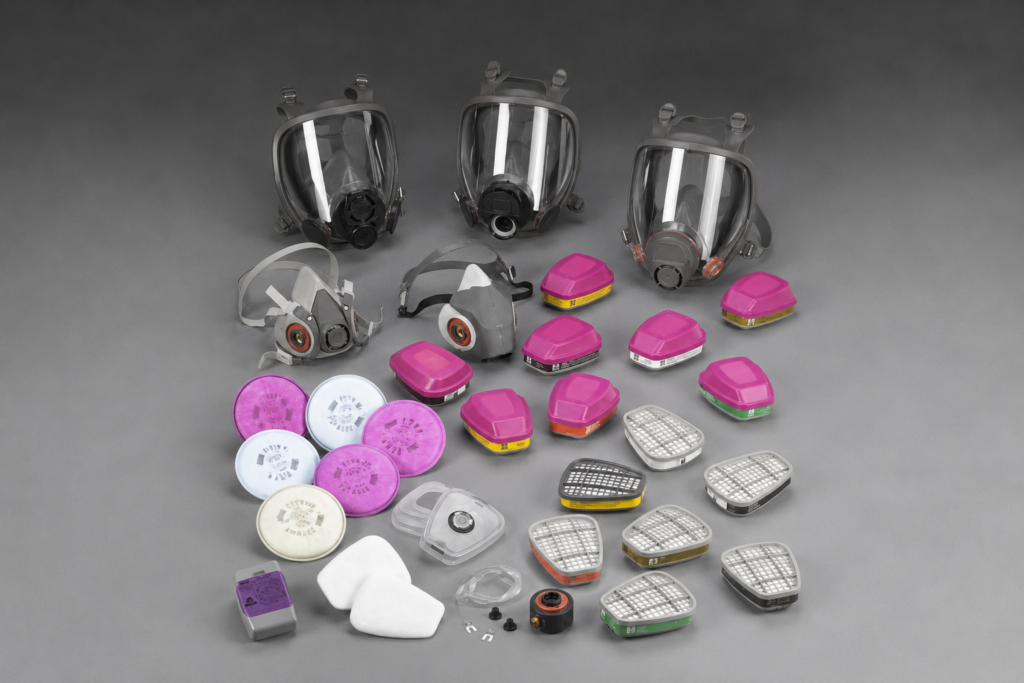
The Associated General Contractors of America is opposing an OSHA proposal that would weaken protections requiring workers to use respirators when exposed to lead on job sites. The AGC argues that rolling back these safety standards puts construction workers at unnecessary health risk from lead poisoning.

Safety
Is coffee part of your workday? Researchers explore safe caffeine limits
Safety+Health Magazine·Aug 26, 2026

Is coffee part of your workday? Researchers explore safe caffeine limits

Recent American Heart Association research shows that most adults can safely consume up to five 8-ounce cups of coffee daily (about 400 mg of caffeine) without health concerns. The findings suggest that moderate caffeine intake may even provide cardiovascular benefits for construction workers managing demanding workdays.

Safety
SYZMIK’s X7C+ Cuts Concussion Risk 77% With 3D Printed Lattice Padding
3D Printing Industry·Aug 20, 2026

SYZMIK’s X7C+ Cuts Concussion Risk 77% With 3D Printed Lattice Padding

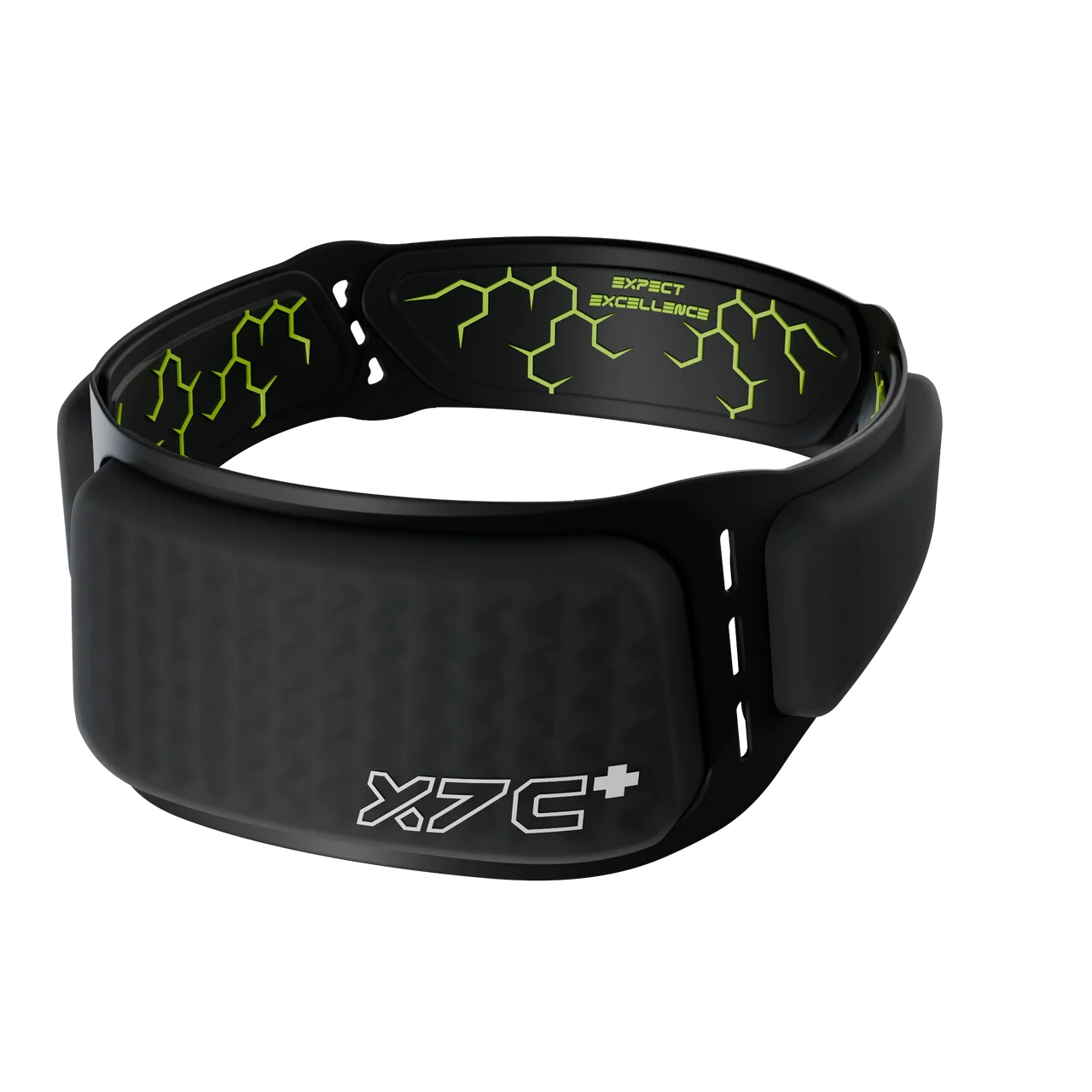
SYZMIK Sports has launched the X7C+ headband using 3D printed lattice padding technology, claiming a 77% reduction in concussion risk with a 5-star impact rating. The $77 protective headband represents a new application of additive manufacturing in sports safety equipment.

3D PrintingSafety
NSC, NCCCO Foundation report highlights safety benefits of crane industry certification
Safety+Health Magazine·Aug 25, 2026

NSC, NCCCO Foundation report highlights safety benefits of crane industry certification

A National Safety Council report finds that 9 out of 10 crane professionals believe certification improves jobsite safety, technical competence, and career advancement. The research, developed through the NSC Work to Zero initiative, underscores the value of industry-standard credentialing for crane operators and personnel.

WorkforceSafety
Recognize Your Safe & Sound Week Participation
AGC of America News·Aug 19, 2026

Recognize Your Safe & Sound Week Participation

Safe & Sound Week recognizes workplace safety initiatives and achievements across industries, including construction. The campaign encourages companies to highlight their safety programs and best practices that protect workers on job sites.

Safety
FAA proposes ‘performance-based’ approach to aircraft medical kits
Safety+Health Magazine·Aug 25, 2026

FAA proposes ‘performance-based’ approach to aircraft medical kits

The FAA is proposing to replace rigid standardized requirements for airline medical kits with flexible performance-based standards that focus on outcomes rather than specific items. This shift aims to improve emergency response capabilities while giving airlines more discretion in how they equip and stock their medical kits.

Safety
FORT Robotics to take safety stack public via SPAC merger
Robotics Business Review·Aug 18, 2026

FORT Robotics to take safety stack public via SPAC merger

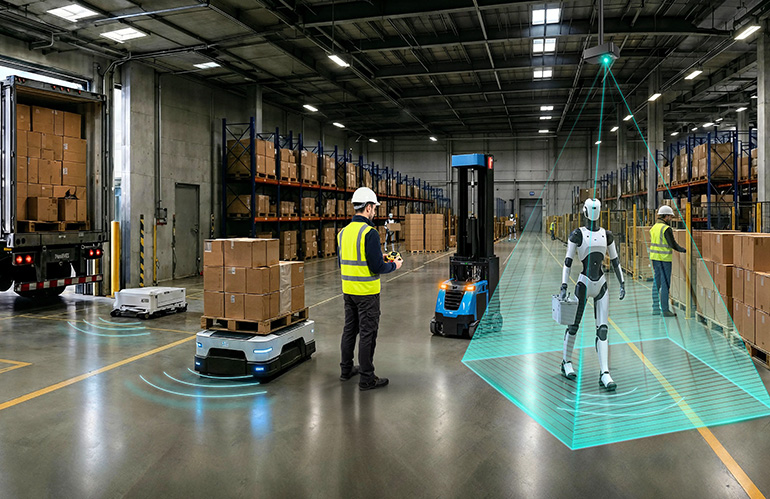
FORT Robotics is going public through a SPAC merger with an expected valuation exceeding $500 million on the Nasdaq. The company plans to use the capital to accelerate development of its safety software platform for robotic systems.

RoboticsSafety
Miners’ union demands reinstatement of MSHA silica rule
Safety+Health Magazine·Aug 21, 2026

Miners’ union demands reinstatement of MSHA silica rule

The United Mine Workers of America is demanding that MSHA resume enforcement of its respirable crystalline silica exposure limits, citing new NIOSH research showing alarming rates of worker exposure to this hazardous material. The union's push highlights ongoing concerns about protecting miners from serious health risks in underground operations.

WorkforceSafety
AGC Safety & Health Town Hall – September 2
AGC of America News·Aug 14, 2026

AGC Safety & Health Town Hall – September 2

The Associated General Contractors is hosting a safety and health town hall on September 2 to discuss industry concerns and best practices. Construction professionals can expect to hear updates on regulations, hazard management, and worker protection strategies relevant to their jobsites.

SafetyWorkforce
Safety board urges chemical facilities to make sure buildings are protective
Safety+Health Magazine·Aug 19, 2026

Safety board urges chemical facilities to make sure buildings are protective

The Chemical Safety Board released a final report on a fatal August 2025 explosion at a U.S. Steel coking plant, highlighting the need for facilities to design buildings that protect people and equipment during incidents. The report underscores critical design standards for industrial facility construction to prevent casualties and damage from explosions.

Safety
WEEKLY DISPATCH
One in five construction workers report chronic pain, new data shows
Safety+Health Magazine·Aug 18, 2026

One in five construction workers report chronic pain, new data shows

One in five construction workers experience chronic pain, according to new research from CPWR – the Center for Construction Research and Training. The data highlights a significant health challenge in the industry that's linked to opioid use among workers.

WorkforceSafety
Senators trying again on bill aimed at banning asbestos
Safety+Health Magazine·Aug 17, 2026

Senators trying again on bill aimed at banning asbestos

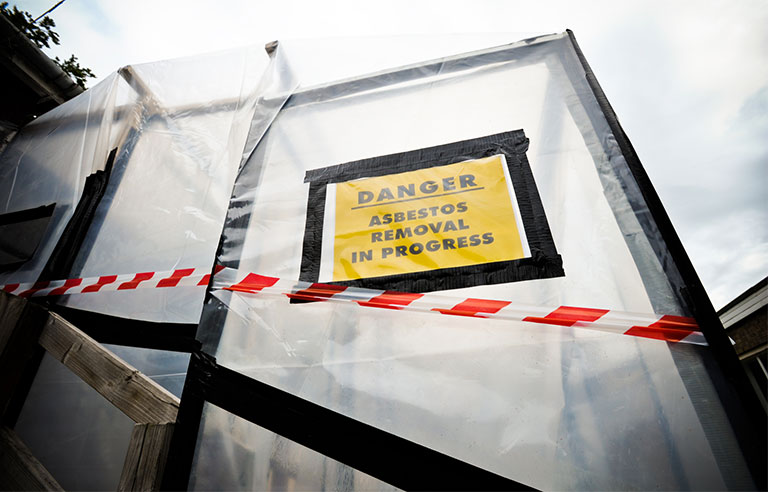
Sen. Jeff Merkley has reintroduced a bill to ban commercial and industrial asbestos use, this time with Republican co-sponsorship from Sen. John Curtis. The Alan Reinstein Ban Asbestos Now Act of 2026 marks a bipartisan effort to restrict a material long associated with serious health hazards in construction.

MaterialsSafety
MSHA wants more feedback on its mine roof control and ventilation proposals
Safety+Health Magazine·Aug 14, 2026

MSHA wants more feedback on its mine roof control and ventilation proposals

The Mine Safety and Health Administration has reopened the comment period for proposed rules on mine roof control and ventilation plan approval criteria that were initially published in July 2025. MSHA is seeking additional feedback from stakeholders before finalizing these safety standards.

Safety
Black lung rates in coal-country states at a 50-year high, NIOSH says
Safety+Health Magazine·Aug 12, 2026

Black lung rates in coal-country states at a 50-year high, NIOSH says

Black lung disease rates among long-tenured underground coal miners in Kentucky, Virginia, and West Virginia have reached nearly 1 in 3 workers, marking the highest prevalence in almost 50 years according to recent NIOSH research. The findings highlight serious occupational health risks in coal mining regions and underscore the need for improved workplace safety measures and dust control practices.

SafetyWorkforce