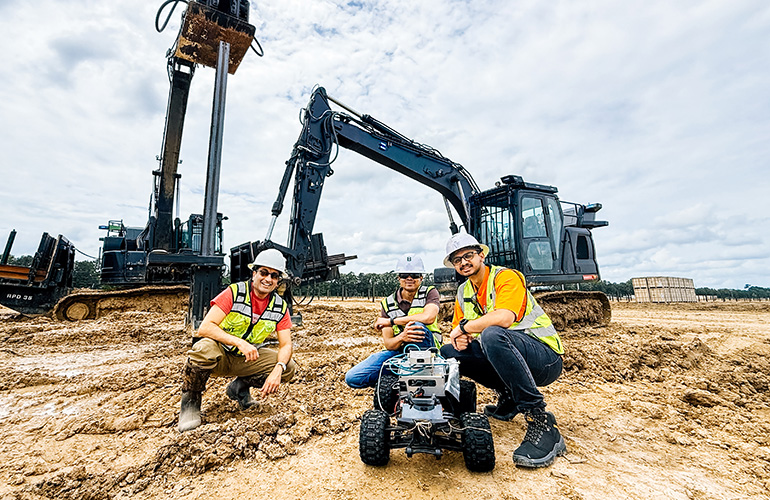
The construction safety infrastructure continues its evolution toward distributed, human-centered decision systems—and recent developments confirm that the competitive advantage accrues to firms treating safety as transparent, documented operational discipline rather than algorithmic delegation. Fennec Engineering's achievement of T2 qualification for its Advanced Safety Acceleration Platform exemplifies the validation cycle now expected: automated traceability systems that document safety-critical workflows pass rigorous standards precisely because they augment rather than replace human judgment. Similarly, the collaboration between Built Robotics and Penn xLAB to develop physical AI for construction site safety reflects industry maturation—these systems are purpose-built to enhance data collection and environmental awareness, not to autonomously manage hazards. The pattern is consistent across wearables, equipment monitoring, and site surveillance: technology gains institutional trust when its constraints are explicit, its role defined within documented procedures, and its outputs designed to amplify worker expertise rather than outsource decision-making. This architecture now forms the baseline expectation for safety-conscious contractors, and regulatory bodies increasingly expect to audit not just outcomes but the procedural and technological infrastructure supporting them.
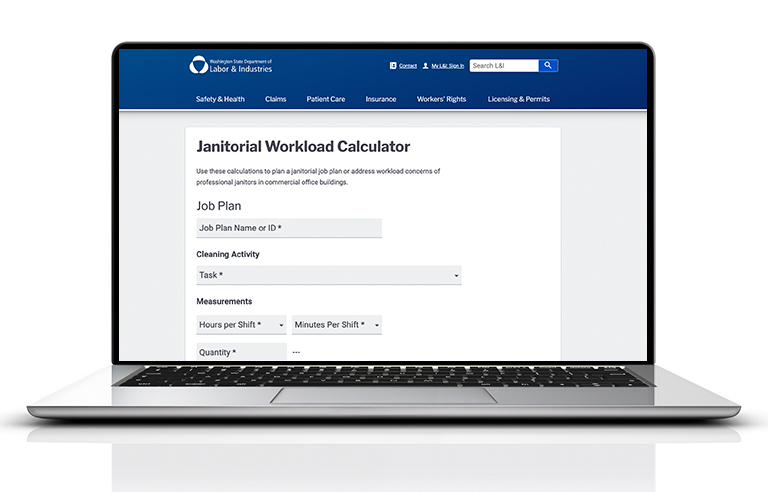
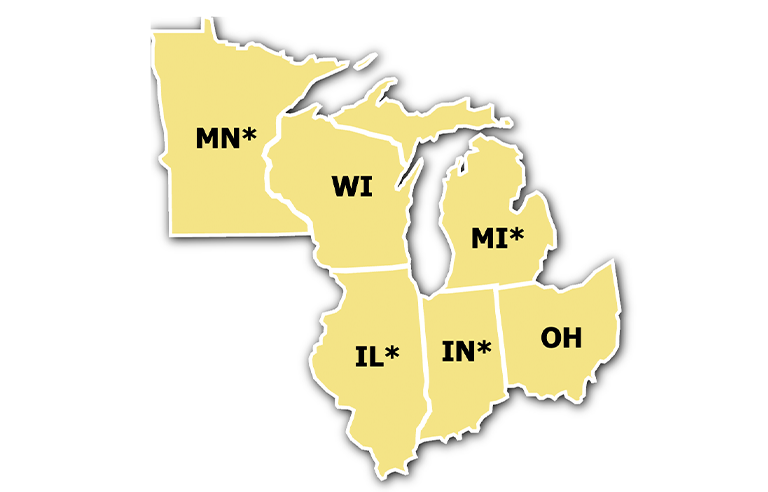
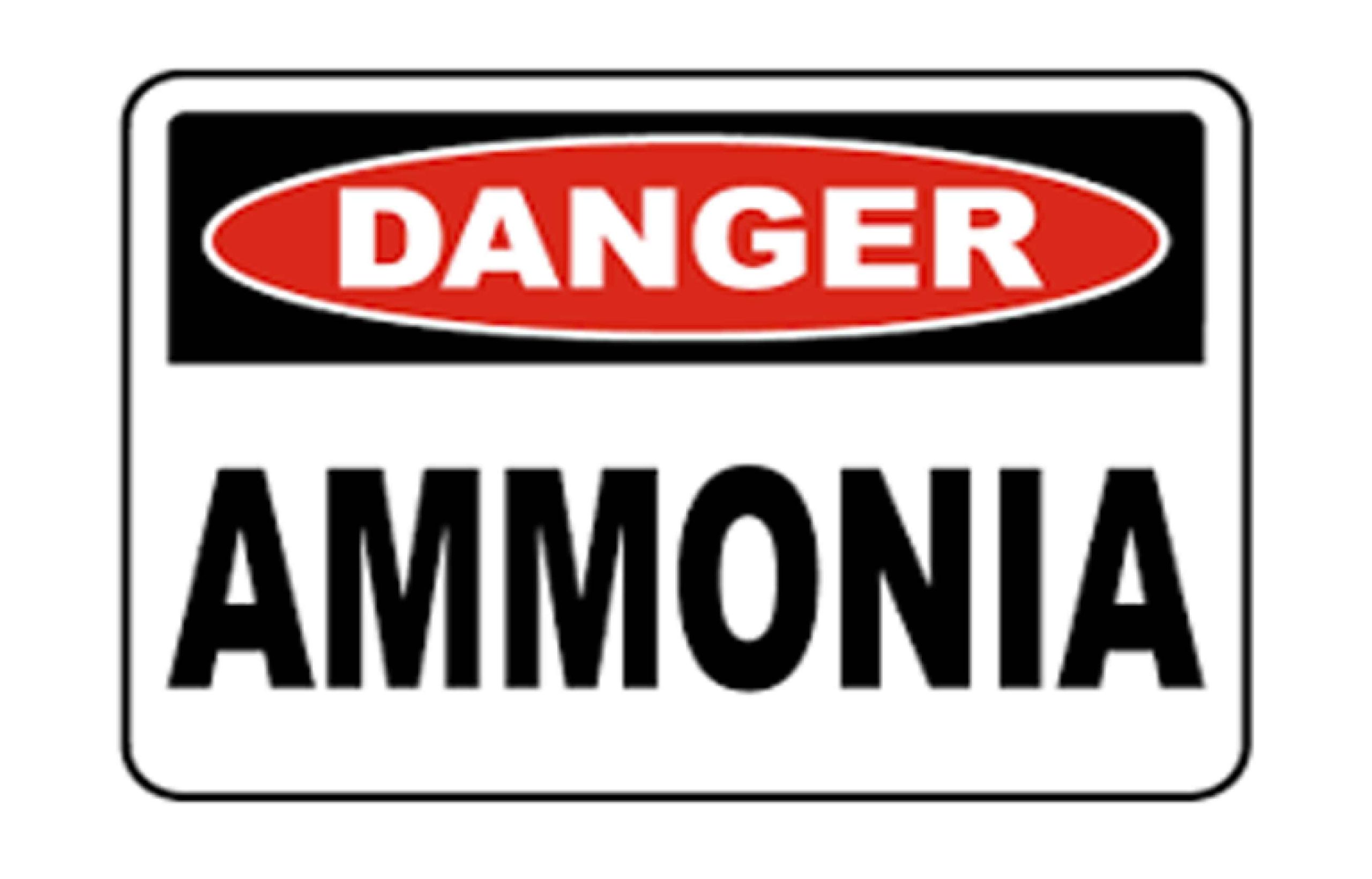
Simultaneously, regulatory tightening has accelerated across multiple fronts in ways that demand immediate procurement and protocol revision. OSHA's extended Regional Emphasis Program targeting noise hazards through year-end in the Chicago region signals sustained enforcement focus on acoustic exposure, particularly in high-noise industries where cumulative exposure remains undermonitored. The Mine Safety and Health Administration's warning that smell alone cannot reliably detect ammonia exposure underscores a broader institutional lesson: sensory detection and informal risk assessment are no longer defensible where monitoring equipment exists, and contractors must treat equipment-based hazard documentation as mandatory. Washington State's updated Janitorial Workload Calculator, now expanded to large commercial and office building environments, reflects expanding occupational health surveillance into construction-adjacent work where musculoskeletal injury risk compounds across shifts. The cumulative effect is regulatory convergence on the principle that occupational exposures require active, documented monitoring rather than assumption-based protocols—a shift that demands immediate attention to equipment specifications, supplier vetting, and procedure documentation across material handling, noise environments, and chemical exposure zones.
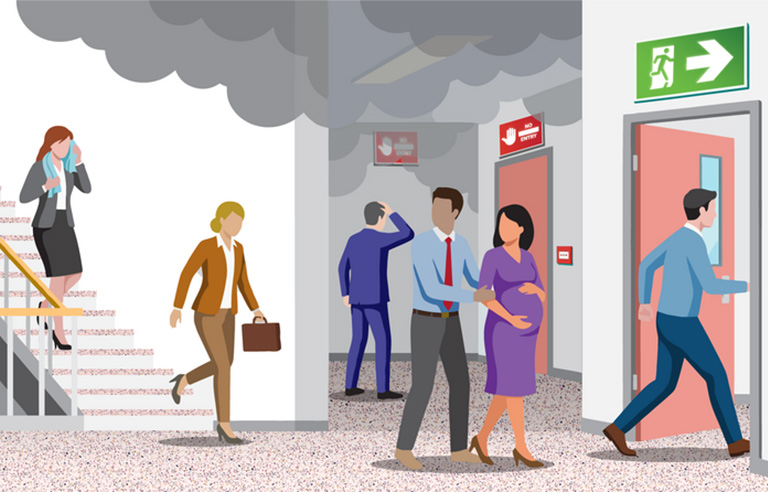
The emerging gap between regulatory velocity and contractor readiness creates both risk and opportunity. Firms that now audit their wearable sensor deployments, safety training protocols, and hazard communication systems against current and proposed standards will operationalize compliance before enforcement escalates. NIST's development of Safe Step, an AI-guided evacuation model for fire emergencies, and parallel advances in real-time site monitoring represent the technical capability now available to contractors willing to invest in integrated safety infrastructure. Those treating safety technology as discrete tools rather than layered, interdependent systems—and those delaying regulatory engagement until enforcement action arrives—face expanding liability exposure and talent retention risk. The construction firms leading on safety metrics now operate at the intersection of transparent technology deployment, documented procedures that pass regulatory scrutiny, and proactive hazard mitigation that acknowledges both equipment capability and human expertise. This is no longer competitive differentiation; it is operational baseline expectation.