AllAI & MLRoboticsAutonomy3D PrintingElectrificationSafetyWorkforceMaterialsEDITOR'S PICKWEEKLY DISPATCH
Category

Safety & Wearables

OSHA regulations, jobsite safety technology, smart PPE, wearables, incident prevention, and compliance tools.

382 stories found

The implementation discipline gap that defined 2026 continues to crystallize into measurable operational consequences. Construction organizations now possess unprecedented technical capacity for hazard detection—from drone-based monitoring systems exemplified by Axon's expanded first-responder capabilities through Skydio to real-time wearable sensors and environmental exposure tracking—yet this capability remains systematically underdeployed where it matters most. Recent industry reports documenting how technology is improving construction worker safety and health reveal that successful implementations cluster within organizations already operating mature safety cultures, while struck-by incidents, scaffolding collapses, and adjacent-work hazards continue claiming lives across the broader industry. The technical pathways to remove personnel from hazardous exposures now exist. The distinguishing factor separating organizations with demonstrable safety outcomes from those experiencing preventable fatalities is not equipment availability but organizational discipline: the commitment to respond consistently to alerts generated, the financial commitment to ensure properly fitted PPE reaches and remains functional on worksites, and the psychological safety cultures that enable workers across all employment categories—permanent crews, contracted specialists, and maintenance personnel—to disclose health limitations and hazards without schedule-driven retaliation.

Data security and privacy requirements for connected PPE have emerged as a critical implementation barrier that construction companies continue to underestimate. Smart wearables transmitting health data, respiratory protection metrics, or environmental exposure information create significant liability exposure when medical information remains inadequately protected across cloud-based systems. This security dimension operates simultaneously as a regulatory compliance requirement and an organizational accountability framework—companies deploying connected PPE without robust data protection protocols face exposure not only to occupational health violations but to data breach liability affecting workers' protected health information. The paradox remains structural: the same cloud connectivity enabling real-time hazard alerts and longitudinal health monitoring creates attack surfaces and privacy vulnerabilities that organizations must actively defend.

Recent regulatory developments reinforce that standards organizations have moved decisively beyond prescriptive requirements into implementation efficacy. OSHA's expanded Type II safety helmet guidance, the National Safety Council's updated ROI calculators for safety technology investments, and revised ANSI/ISEA standards for high-visibility apparel now addressing fit issues that compromise protective function establish that properly equipped and trained personnel represent documented baseline requirements rather than debatable operational considerations. Simultaneously, emerging legislative action—including Ohio's work zone safety act and MSHA's proposed updates to silica dust exposure rules for mining—demonstrates regulatory bodies recognizing that hazard detection and exposure documentation alone insufficient without enforcement mechanisms ensuring organizational response. Construction executives in 2027 must recognize that competitive differentiation and legal defensibility depend less on acquiring additional detection systems and more on establishing the organizational infrastructure to translate safety information into consistent operational discipline, ensuring all worker populations receive appropriate protection, and creating accountability frameworks where hazard disclosure generates protective action rather than schedule pressure.

WEEKLY DISPATCH
Equipment World·Oct 16, 2026

NY, NJ, PA Contractors Face $900K in Fines for Excavation Violations

OSHA has issued $900K in fines to contractors in NY, NJ, and PA for excavation safety violations, including a fatal trench collapse and workers found in a dangerously unstable 75-foot embankment. These citations underscore persistent failures in trench protection and site safety protocols that continue to result in worker deaths and serious injuries.

Safety
‘Safer Seas Digest 2025’ offers insights for maritime crews
Safety+Health Magazine·Oct 14, 2026

‘Safer Seas Digest 2025’ offers insights for maritime crews

The National Transportation Safety Board released its 2025 Safer Seas Digest, analyzing 49 maritime incidents and concluding that most were preventable. The agency identified 12 key lessons aimed at improving crew safety across the maritime industry.

Safety
Equipment World·Oct 14, 2026

Panasonic Releases New Toughbook 34 and Toughbook G3 Tablets

Panasonic has released updated Toughbook 34 and Toughbook G3 tablets designed to withstand harsh construction environments. The devices feature a 6-foot drop rating and IP66 protection against dust and moisture, making them durable options for field use.

Safety
Before the Core Drill Starts: How Contractors Can Reduce the Risks Hidden Inside Concrete
Construction Executive·Oct 14, 2026

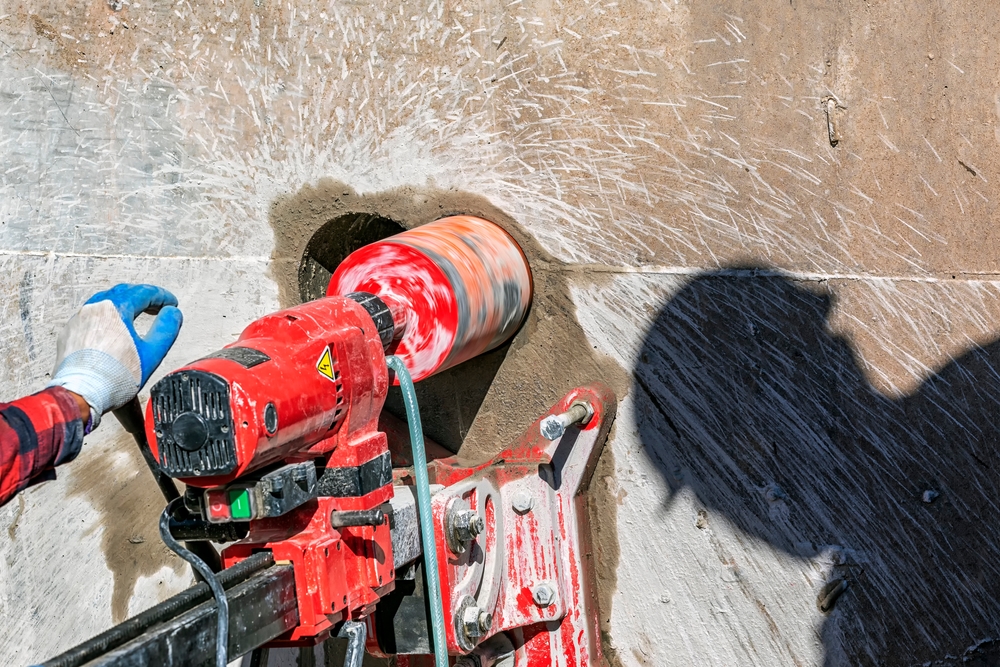
Before the Core Drill Starts: How Contractors Can Reduce the Risks Hidden Inside Concrete

Concrete often contains hidden hazards like rebar, post-tension cables, electrical conduit, and utility lines that can cause serious injuries and structural damage if struck during drilling. Contractors need to identify and locate these embedded elements before starting core drilling operations to prevent costly accidents and project delays.

Safety
Fire safety in the workplace: OSHA webinar set for Oct. 20
Safety+Health Magazine·Oct 13, 2026

Fire safety in the workplace: OSHA webinar set for Oct. 20

OSHA's New York regional office is hosting a free webinar on October 20 at 2 p.m. Eastern covering fire safety in the workplace as part of their Passport to Safety and Health Training series. The session will address common fire hazards and essential fire prevention strategies for construction and other work environments.

Safety
WEEKLY DISPATCH
The Hidden Impact of Working Alone: Connecting Safety and Wellbeing in Construction
Construction Executive·Oct 12, 2026

The Hidden Impact of Working Alone: Connecting Safety and Wellbeing in Construction

Working alone in construction takes a psychological toll, gradually eroding worker confidence, concentration, morale, and job satisfaction through prolonged isolation and uncertainty. Addressing the mental health impacts of solitary work is as critical to overall wellbeing as traditional safety measures.

SafetyWorkforce
Annual number of global workplace injuries higher than U.S. population: report
Safety+Health Magazine·Oct 12, 2026

Annual number of global workplace injuries higher than U.S. population: report

Approximately 395 million workers suffer injuries annually worldwide, a figure that surpasses the entire U.S. population according to the Royal Society for the Prevention of Accidents. Occupational injuries and illnesses represent a significant challenge to global workplace safety and productivity across all industries.

WorkforceSafety
WEEKLY DISPATCH
Proactive Safety Technology Protects Workers, Jobsites
Construction Executive·Oct 9, 2026

Proactive Safety Technology Protects Workers, Jobsites

ABC member contractors are implementing innovative technologies to improve worker safety on jobsites, including heat hydration monitoring and injury pattern detection systems. These proactive safety measures establish new standards for protecting workers while reducing incidents through data-driven insights.

SafetyAI & ML
Hurricane cleanup: OSHA offers hazard prevention resources
Safety+Health Magazine·Oct 9, 2026

Hurricane cleanup: OSHA offers hazard prevention resources

OSHA has released safety resources for hurricane recovery work, including the Hurricane eMatrix tool that identifies common hazards in post-storm response and cleanup operations. Construction teams can use these resources to understand and prevent injuries during hurricane recovery projects.

Safety
WEEKLY DISPATCH
Equipment World·Oct 9, 2026

Boy Awarded $65M After Excavator Crashes Into Bridge, Kills His Mom

A newly licensed truck driver with only four days of CDL experience improperly secured an excavator on his trailer, leading to a crash that killed a woman and resulted in a $65 million settlement for her young son. The incident underscores critical gaps in driver training and equipment loading procedures within the construction hauling industry.

WorkforceSafety
Chemical Safety Board video on refinery fire urges facilities to plan ahead
Safety+Health Magazine·Oct 9, 2026

Chemical Safety Board video on refinery fire urges facilities to plan ahead

The Chemical Safety Board released a video highlighting how anticipating abnormal situations and maintaining practiced emergency plans can significantly improve decision-making during crises at industrial facilities. The investigation underscores the importance of preparation and planning to enhance safety confidence when facilities face unexpected events.

Safety
SafeWorld emerges from stealth to build, deploy robot safety simulation technologies
Robotics Business Review·Oct 8, 2026

SafeWorld emerges from stealth to build, deploy robot safety simulation technologies

SafeWorld has launched a platform offering testing and simulation software to help construction and other enterprises safely evaluate and deploy robots before real-world use. The technology enables companies to assess robot performance responsibly and reduce risks associated with robotic deployment on job sites.

RoboticsSafety
MSHA alerts miners to hydrogen sulfide hazards
Safety+Health Magazine·Oct 7, 2026

MSHA alerts miners to hydrogen sulfide hazards

The Mine Safety and Health Administration warns that miners cannot rely on smell alone to detect hydrogen sulfide, a colorless toxic gas that causes serious injuries and deaths. Proper detection equipment and safety protocols are essential since human olfactory senses become desensitized to this hazard.

Safety
ForConstructionPros·Oct 7, 2026

AI at the Leading Edge: Closing Front-Load Blind Spots

Intelligent camera systems with automatic view switching help equipment operators see blind spots around their machines and identify hazards earlier. This technology improves safety by giving operators better awareness of their surrounding work environment.

AI & MLSafety
WEEKLY DISPATCH
Researchers link workplace violence and musculoskeletal disorders
Safety+Health Magazine·Oct 7, 2026

Researchers link workplace violence and musculoskeletal disorders

A new study from the National Safety Council and University of Waterloo identifies workplace violence as a significant but preventable factor contributing to work-related musculoskeletal disorders on job sites. Construction professionals should recognize this connection and implement violence prevention measures as part of their overall worker safety strategy.

WorkforceSafety
The Safety Glasses the Contractor Paid for Are Still in the Truck
Construction Executive·Oct 7, 2026

The Safety Glasses the Contractor Paid for Are Still in the Truck

Buying safety glasses for contractors means nothing if they stay unused in a truck bed instead of protecting workers on site. Employers need to verify that prescribed safety eyewear is actually being worn to get any real value from the investment.

Safety
Noise and hearing protection: New toolbox talk available
Safety+Health Magazine·Oct 7, 2026

Noise and hearing protection: New toolbox talk available

NIOSH has released a new toolbox talk emphasizing that loud job site noise causes permanent damage to hearing and can lead to missed instructions and distractions. Prevention and planning strategies can help limit hearing hazards on construction projects.

Safety
ForConstructionPros·Oct 6, 2026

The Skilled Labor Shortage Is Creating New Jobsite Safety Challenges

Skilled labor shortages are creating new safety risks on construction jobsites as contractors struggle to fill positions with qualified workers. AI technology could help bridge this gap by matching available workers with job opportunities more effectively.

WorkforceSafety