AllAI & MLRoboticsAutonomy3D PrintingElectrificationSafetyWorkforceMaterialsEDITOR'S PICKWEEKLY DISPATCH
Category

Safety & Wearables

OSHA regulations, jobsite safety technology, smart PPE, wearables, incident prevention, and compliance tools.

382 stories found

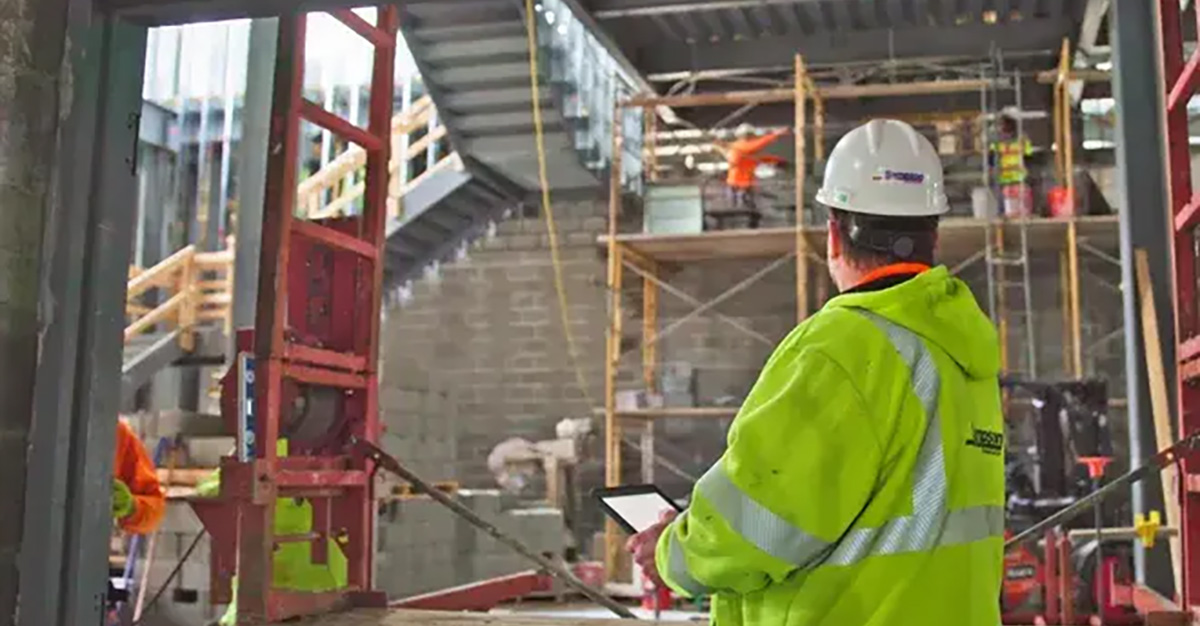
The implementation discipline gap that defined 2026 continues to crystallize into measurable operational consequences. Construction organizations now possess unprecedented technical capacity for hazard detection—from drone-based monitoring systems exemplified by Axon's expanded first-responder capabilities through Skydio to real-time wearable sensors and environmental exposure tracking—yet this capability remains systematically underdeployed where it matters most. Recent industry reports documenting how technology is improving construction worker safety and health reveal that successful implementations cluster within organizations already operating mature safety cultures, while struck-by incidents, scaffolding collapses, and adjacent-work hazards continue claiming lives across the broader industry. The technical pathways to remove personnel from hazardous exposures now exist. The distinguishing factor separating organizations with demonstrable safety outcomes from those experiencing preventable fatalities is not equipment availability but organizational discipline: the commitment to respond consistently to alerts generated, the financial commitment to ensure properly fitted PPE reaches and remains functional on worksites, and the psychological safety cultures that enable workers across all employment categories—permanent crews, contracted specialists, and maintenance personnel—to disclose health limitations and hazards without schedule-driven retaliation.

Data security and privacy requirements for connected PPE have emerged as a critical implementation barrier that construction companies continue to underestimate. Smart wearables transmitting health data, respiratory protection metrics, or environmental exposure information create significant liability exposure when medical information remains inadequately protected across cloud-based systems. This security dimension operates simultaneously as a regulatory compliance requirement and an organizational accountability framework—companies deploying connected PPE without robust data protection protocols face exposure not only to occupational health violations but to data breach liability affecting workers' protected health information. The paradox remains structural: the same cloud connectivity enabling real-time hazard alerts and longitudinal health monitoring creates attack surfaces and privacy vulnerabilities that organizations must actively defend.

Recent regulatory developments reinforce that standards organizations have moved decisively beyond prescriptive requirements into implementation efficacy. OSHA's expanded Type II safety helmet guidance, the National Safety Council's updated ROI calculators for safety technology investments, and revised ANSI/ISEA standards for high-visibility apparel now addressing fit issues that compromise protective function establish that properly equipped and trained personnel represent documented baseline requirements rather than debatable operational considerations. Simultaneously, emerging legislative action—including Ohio's work zone safety act and MSHA's proposed updates to silica dust exposure rules for mining—demonstrates regulatory bodies recognizing that hazard detection and exposure documentation alone insufficient without enforcement mechanisms ensuring organizational response. Construction executives in 2027 must recognize that competitive differentiation and legal defensibility depend less on acquiring additional detection systems and more on establishing the organizational infrastructure to translate safety information into consistent operational discipline, ensuring all worker populations receive appropriate protection, and creating accountability frameworks where hazard disclosure generates protective action rather than schedule pressure.

Final report on polymer plant explosion focuses on process control systems
Safety+Health Magazine·Oct 6, 2026

Final report on polymer plant explosion focuses on process control systems

The Chemical Safety Board released a final report on a polymer plant explosion that emphasizes the need for process control systems designed with clarity and ease of use for operators. Effective communication of essential information through control systems is critical to preventing similar industrial incidents.
Safety
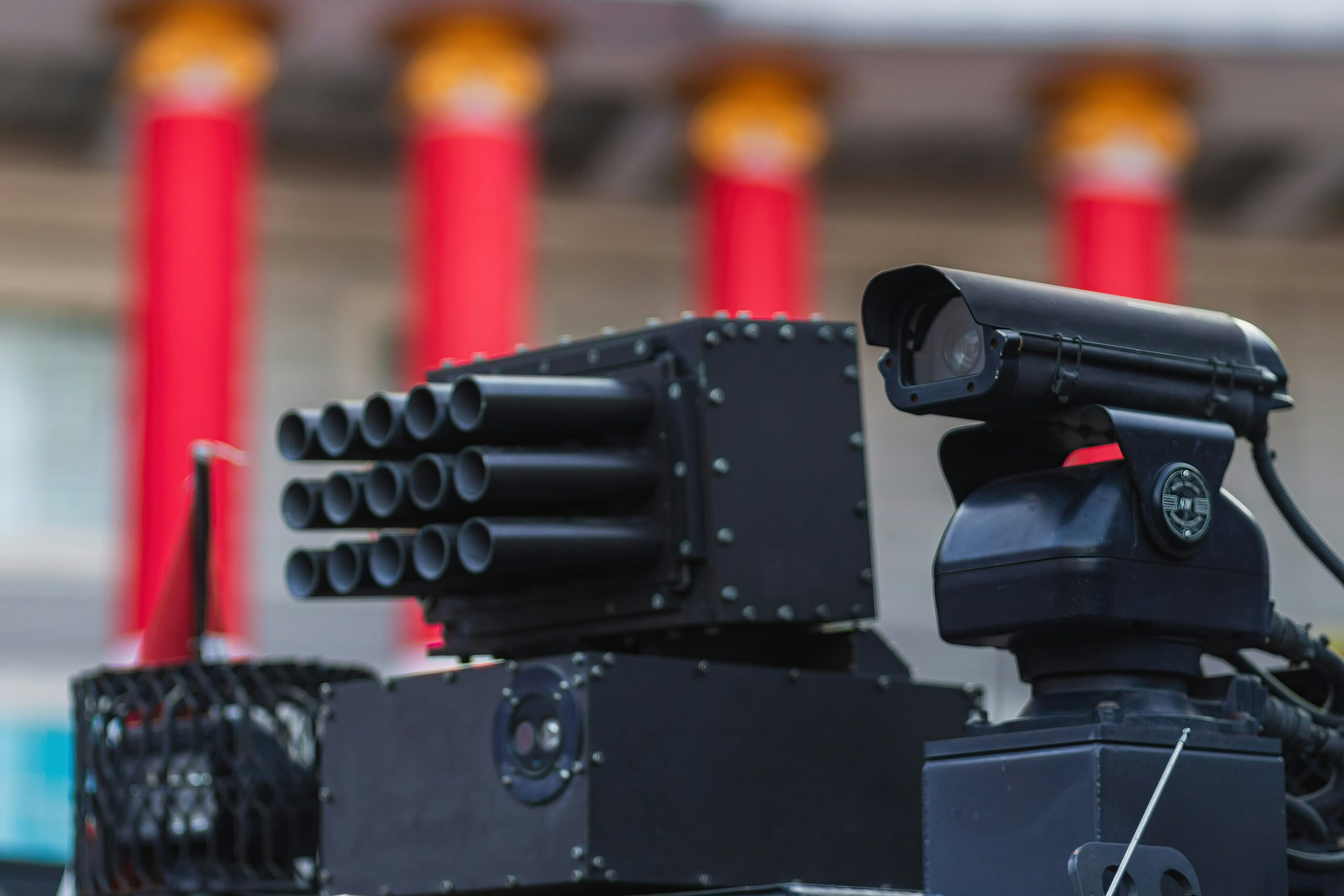
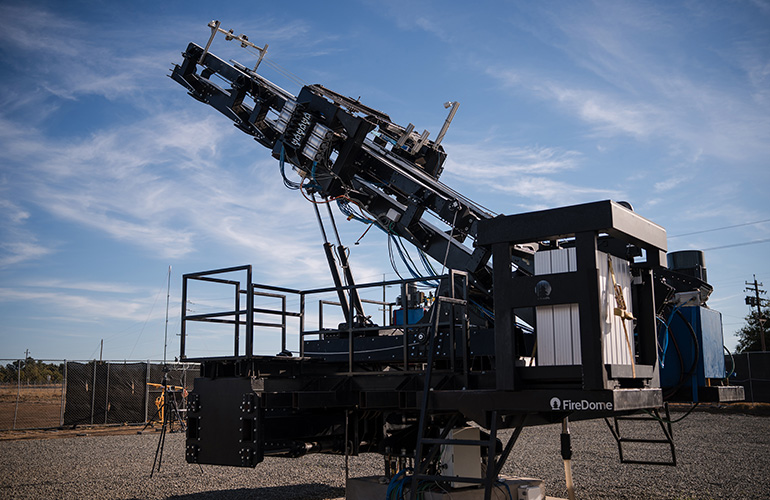
FireDome builds autonomous ‘artillery’ for wildfire defense
Robotics Business Review·Oct 6, 2026

FireDome builds autonomous ‘artillery’ for wildfire defense

FireDome has developed autonomous wildfire defense systems designed to protect communities and infrastructure by deploying defensive measures before firefighters can arrive on scene. The technology uses automated systems to combat wildfires, offering a proactive approach to fire suppression and property protection.

AutonomyRobotics
Annual ‘Roadcheck’ spotlights vehicle and driver violations
Safety+Health Magazine·Oct 6, 2026

Annual ‘Roadcheck’ spotlights vehicle and driver violations

The Commercial Vehicle Safety Alliance's 39th annual International Roadcheck inspected nearly 55,000 commercial trucks and buses across North America in May, identifying violations in vehicles and driver compliance. The three-day enforcement event highlights ongoing safety concerns in the commercial transportation industry that construction companies rely on for material and equipment delivery.

Safety
OSHA Launches Alliance to Prevent Serious Injuries and Fatalities
AGC of America News·Oct 6, 2026

OSHA Launches Alliance to Prevent Serious Injuries and Fatalities

OSHA has launched a new alliance focused on preventing serious injuries and fatalities in the workplace. The initiative brings together industry partners to develop and implement safety strategies across construction and related sectors.

Safety
Senate advances bipartisan bills on aviation worker mental health and medication transparency
Safety+Health Magazine·Oct 5, 2026

Senate advances bipartisan bills on aviation worker mental health and medication transparency

The Senate unanimously passed bipartisan legislation to improve mental health support for pilots and air traffic controllers, recognizing the critical need for mental wellness in safety-sensitive roles. The Mental Health in Aviation Act would establish new resources and reduce stigma around mental health treatment for aviation workers.

WorkforceSafety
How robotics and physical AI can responsibly tackle key physical security challenges
Robotics Business Review·Oct 4, 2026

How robotics and physical AI can responsibly tackle key physical security challenges

Robotics and AI technologies are advancing to address evolving cyber and physical security threats in real-time. Construction sites can leverage these solutions to strengthen physical security measures and protect assets responsibly.

RoboticsAI & ML
Get help right away for these symptoms of wildfire smoke exposure, experts say
Safety+Health Magazine·Oct 5, 2026

Get help right away for these symptoms of wildfire smoke exposure, experts say

Wildfire smoke exposure can cause serious respiratory symptoms including wheezing, difficulty breathing, asthma attacks, and shortness of breath that require immediate medical attention. Construction workers in affected areas like Washington State should seek emergency care if they experience these symptoms while on job sites.

SafetyWorkforce
Equipment World·Oct 1, 2026

Review: Georgia Launches New TrailPoint Boot for the Jobsite & the Hiking Trail

Georgia Boot has introduced the TrailPoint, a new work boot designed for both jobsite and trail use. The boot features a dual-density EVA and Carbo-Tec outsole for underfoot protection and durability.

Safety
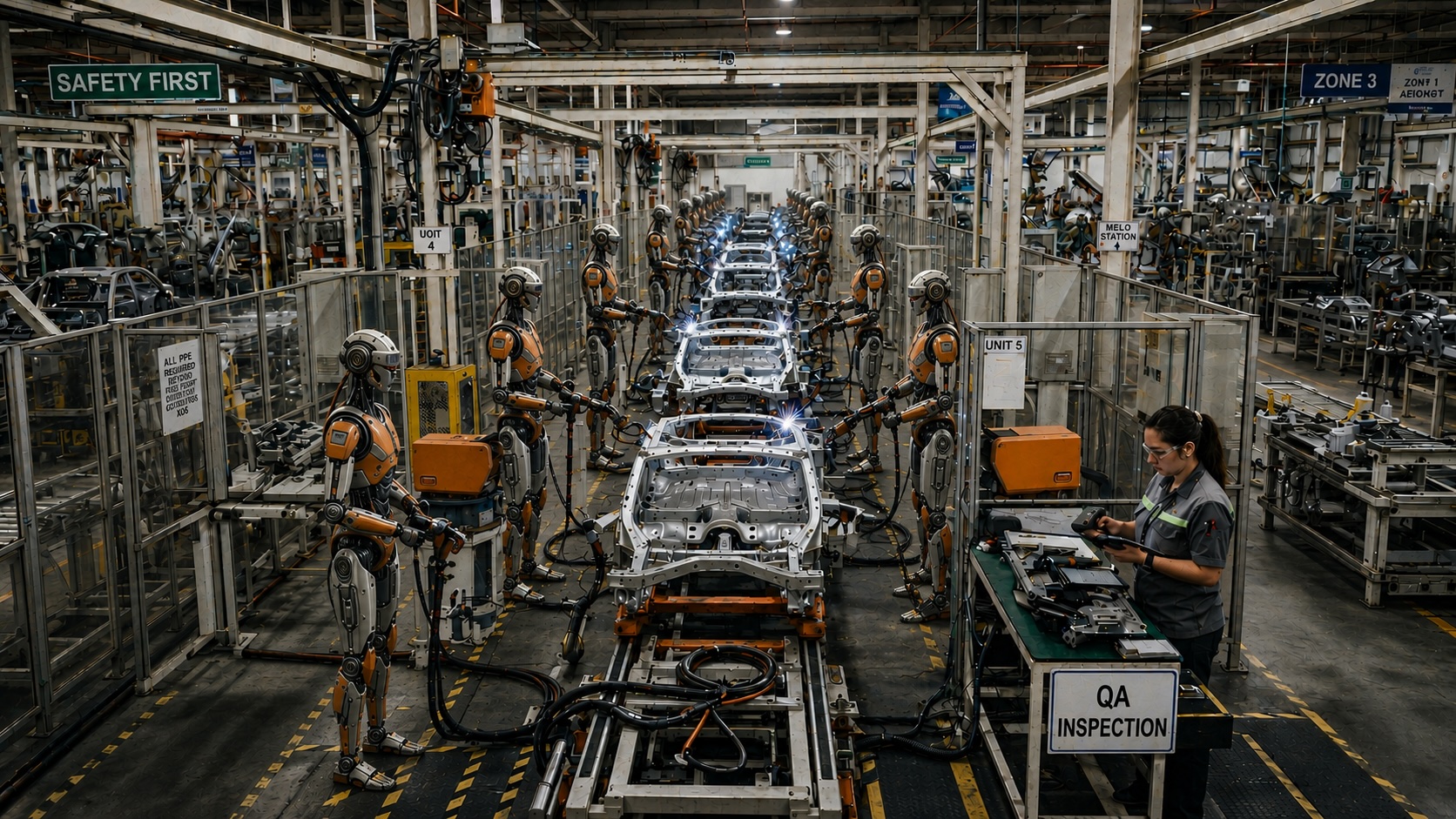
Your Robot’s Safety Functions Already Work. What If the Input Lies?
Robotics Business Review·Oct 1, 2026

Your Robot’s Safety Functions Already Work. What If the Input Lies?

Even when robots have proper safety functions built in, they can still cause problems if they receive false or manipulated information. Construction teams need better testing methods to verify that robots won't blindly follow bad data.

RoboticsSafety
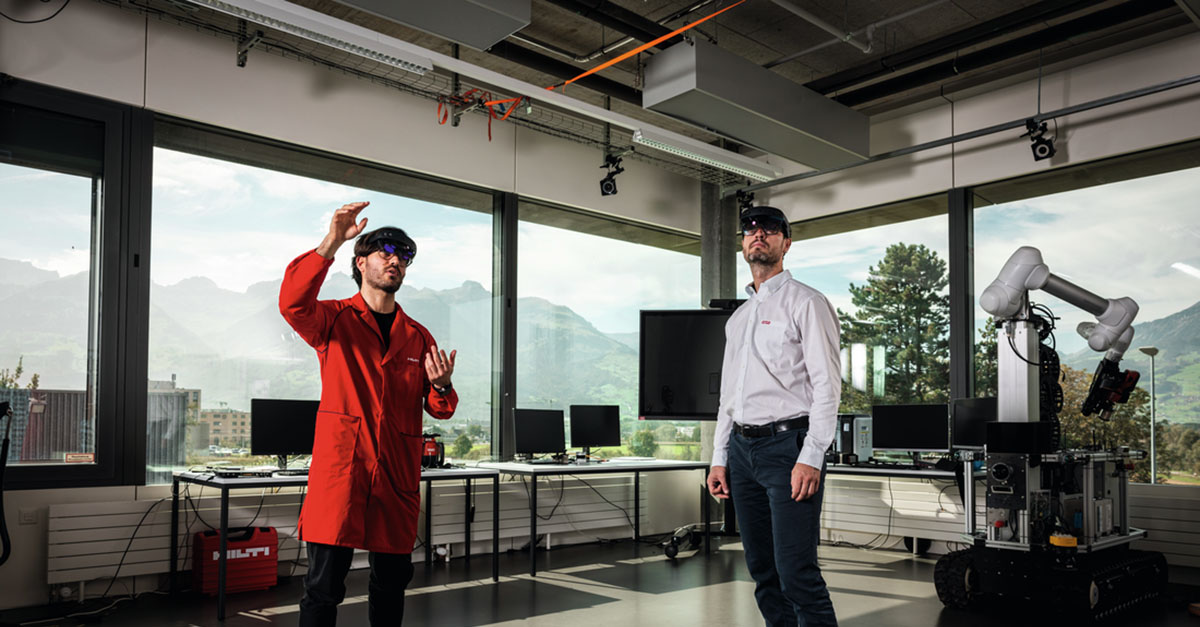
VR training in construction: does simulated experience actually improve real-world performance
Fieldwire Blog·Oct 1, 2026

VR training in construction: does simulated experience actually improve real-world performance

Research into virtual reality training for construction workers examines whether hands-on practice in simulated environments translates to better performance on actual job sites. The evidence suggests VR can effectively teach safety procedures and technical skills, though real-world variables and site-specific conditions still require on-the-job experience.

WorkforceSafety
NSC a charter member of OSHA’s SIF prevention alliance
Safety+Health Magazine·Sep 30, 2026

NSC a charter member of OSHA’s SIF prevention alliance

The National Safety Council has joined OSHA's new National Serious Injury and Fatality Prevention alliance as a charter member to develop resources and training aimed at reducing workplace accidents. The collaboration brings together multiple safety organizations to create practical solutions for preventing serious injuries and fatalities in construction and other industries.

Safety
Connected Rental Technology Is Reshaping Construction Operations
Construction Executive·Sep 30, 2026

Connected Rental Technology Is Reshaping Construction Operations

Connected rental technology and smart solutions are helping contractors optimize fleet management and improve project efficiency through better data integration. Open platforms enable jobsites to enhance safety measures and operational performance by connecting equipment across projects.

Safety
HHS announces new process for agency’s PPE purchases
Safety+Health Magazine·Sep 30, 2026

HHS announces new process for agency’s PPE purchases

The Department of Health and Human Services has established a formal, ongoing process to identify and consolidate anticipated PPE purchases under the Make PPE in America Act. This streamlined purchasing approach aims to improve transparency and planning for HHS's personal protective equipment needs across routine operations and emergency response.

SafetyMaterials
WEEKLY DISPATCH
Harnessing big data for real-time risk assessment on major construction sites
Fieldwire Blog·Sep 28, 2026

Harnessing big data for real-time risk assessment on major construction sites

Construction sites are using big data analytics to identify hazards and prevent accidents before they happen, giving safety managers real-time visibility into on-site conditions. This approach combines data from multiple sources—equipment sensors, weather stations, and worker movements—to catch safety risks faster than traditional inspection methods.

AI & MLSafety
Injuries and illnesses cost U.S. employers $58.7 billion in 2023, insurer’s index shows
Safety+Health Magazine·Sep 28, 2026

Injuries and illnesses cost U.S. employers $58.7 billion in 2023, insurer’s index shows

U.S. employers spent $58.7 billion on workplace injuries and illnesses in 2023, with the top 10 injury causes accounting for 85% of total costs. Construction professionals should note that focusing prevention efforts on these leading causes offers the greatest opportunity to reduce both human suffering and financial losses.

SafetyWorkforce
WEEKLY DISPATCH
Asimov’s laws are not enough to keep robotics and AI safe
Robotics Business Review·Sep 27, 2026

Asimov’s laws are not enough to keep robotics and AI safe

Asimov's Three Laws of Robotics, while foundational in fiction, are insufficient safeguards for modern AI and robotics applications. Tech experts warn that contemporary AI systems require more comprehensive safety frameworks beyond these simplified rules.

AI & MLRobotics
California moves closer to banning work involving countertops containing silica
Safety+Health Magazine·Sep 28, 2026

California moves closer to banning work involving countertops containing silica

California's Division of Occupational Safety and Health has issued a draft emergency rule to ban the fabrication of artificial stone countertops containing more than 1% crystalline silica. The regulation aims to protect workers from silicosis, a serious lung disease caused by inhaling silica dust during countertop manufacturing and installation.

SafetyWorkforce
ISEA to outline latest revisions to head protection standard during Sept. 30 webinar
Safety+Health Magazine·Sep 28, 2026

ISEA to outline latest revisions to head protection standard during Sept. 30 webinar

The International Safety Equipment Association is hosting a free webinar on September 30 at 1 p.m. Eastern to discuss the latest updates to the ANSI/ISEA Z89.1 head protection standard, which was released on September 11. Registration is required to attend the online session covering the revised safety requirements.

Safety