AllAI & MLRoboticsAutonomy3D PrintingElectrificationSafetyWorkforceMaterialsEDITOR'S PICKWEEKLY DISPATCH
Category

Safety & Wearables

OSHA regulations, jobsite safety technology, smart PPE, wearables, incident prevention, and compliance tools.

382 stories found

The implementation discipline gap that defined 2026 has now crystallized into a specific operational vulnerability: construction organizations possess unprecedented technical capacity for hazard detection and worker protection, yet this capability remains systematically underdeployed where it matters most. OSHA's expanded guidance on Type II safety helmets, the National Safety Council's expanded ROI calculators for safety technology investments, and revised ANSI/ISEA standards for high-visibility apparel (now addressing fit issues that compromise protective function) collectively demonstrate that regulatory bodies and standards organizations have moved beyond prescriptive requirements into the domain of implementation efficacy. The emerging clarity is unambiguous—properly fitted PPE, appropriate helmet selection for specific hazard environments, and demonstrated return on safety technology investments are no longer debatable operational considerations but documented baseline requirements. Organizations like Axon, through its $1.2 billion investment in Skydio and expansion of drone-based first responder capabilities, exemplify how automation and remote monitoring systems continue expanding the technical pathways to remove personnel from hazardous exposures while maintaining real-time hazard visibility—yet adoption remains concentrated among organizations already operating within mature safety cultures rather than extending systematically across the industry.

Data security and privacy requirements for connected PPE have emerged as a critical implementation barrier that construction companies have underestimated. Smart wearables that transmit health data, respiratory protection metrics, or environmental exposure information create significant liability exposure when medical information remains inadequately protected across cloud-based systems. This security dimension operates as both a regulatory compliance requirement and an organizational accountability framework—companies deploying connected PPE without robust data protection protocols now face exposure not only to occupational health violations but to data breach liability affecting workers' protected health information. The paradox is structural: the same cloud connectivity that enables real-time hazard alerts and longitudinal health monitoring also creates attack surfaces and privacy vulnerabilities that organizations must actively defend rather than treat as background infrastructure.

The persistent gap between capability and implementation discipline extends into occupational categories that remain systematically underserved. While struck-by prevention methodologies, temporary fire detection systems during permanent protection offline periods, and compact equipment reducing physical strain all represent demonstrable safety advances, adoption rates remain uneven across worker populations and employment models. Construction executives confronting this landscape must recognize that safety outcomes in 2027 depend less on acquiring additional detection systems and more on establishing the organizational discipline to respond consistently to alerts generated, the financial commitment to ensure PPE reaches and remains functional on worksites, and the psychological safety cultures that enable workers across all employment categories—permanent crews, contracted specialists, and maintenance personnel—to disclose health limitations and hazards without schedule-driven retaliation. The technical infrastructure now exists. The distinguishing competitive and legal factor remains whether organizations treat safety information as actionable operational data or as documentation for compliance files.

OSHA letter of interpretation covers selection and use of Type II safety helmets
Safety+Health Magazine·Nov 12, 2026

OSHA letter of interpretation covers selection and use of Type II safety helmets

OSHA's Directorate of Enforcement Programs released an official letter addressing six key questions about how to properly select and use Type II safety helmets on job sites. The guidance clarifies best practices for this critical piece of personal protective equipment to help contractors ensure worker safety compliance.

Safety
Construction Dive·Nov 12, 2026

Brooklyn building collapses into adjacent construction site, leading to multiple deaths

A Brooklyn building collapsed into an adjacent construction site, resulting in multiple deaths and hospitalizations. The Department of Buildings issued a stop-work order citing unsafe construction operations, with the full cause of the collapse still under investigation.

Safety
‘Strengthening Rail Safety’: NTSB refuels push with new campaign
Safety+Health Magazine·Nov 12, 2026

‘Strengthening Rail Safety’: NTSB refuels push with new campaign

The National Transportation Safety Board is launching a new campaign to strengthen rail safety, recognizing the challenging conditions railroaders face. The initiative aims to improve safety practices across the rail industry's complex operational environments.

WorkforceSafety
ForConstructionPros·Nov 12, 2026

Construction Fire Risks Rise When Permanent Protection Is Offline

Construction sites face increased fire risks when permanent fire protection systems are temporarily offline during active building. Contractors can mitigate these risks using temporary fire detection systems, wireless alarms, and updated safety protocols to protect workers and equipment.

Safety
Making the business case for safety tech: NSC adds to its suite of calculators
Safety+Health Magazine·Nov 11, 2026

Making the business case for safety tech: NSC adds to its suite of calculators

The National Safety Council has expanded its calculator tools to help construction companies evaluate safety technology investments. Users can model different scenarios, compare costs against potential savings, and calculate five-year return on investment for safety solutions.

Safety
Construction Dive·Nov 10, 2026

How to create a ‘sphere of safety’ to protect workers from struck-bys

A CPWR panel outlined practical methods to prevent struck-by incidents, including securing overhead materials, creating physical separation between workers and heavy equipment, and establishing clear communication protocols for spotters. These measures work together to establish a protective zone that reduces the risk of workers being struck by falling objects or moving machinery.

Safety
Equipment World·Nov 10, 2026

“Good-Bye, Manual Labor!” — Mini Skid Steer Buyer’s Guide 2026

Stand-on mini loaders have seen sales nearly quadruple in recent years, surpassing wheel loaders in popularity. These compact machines reduce physical strain on workers while maintaining job site productivity.

WorkforceSafety
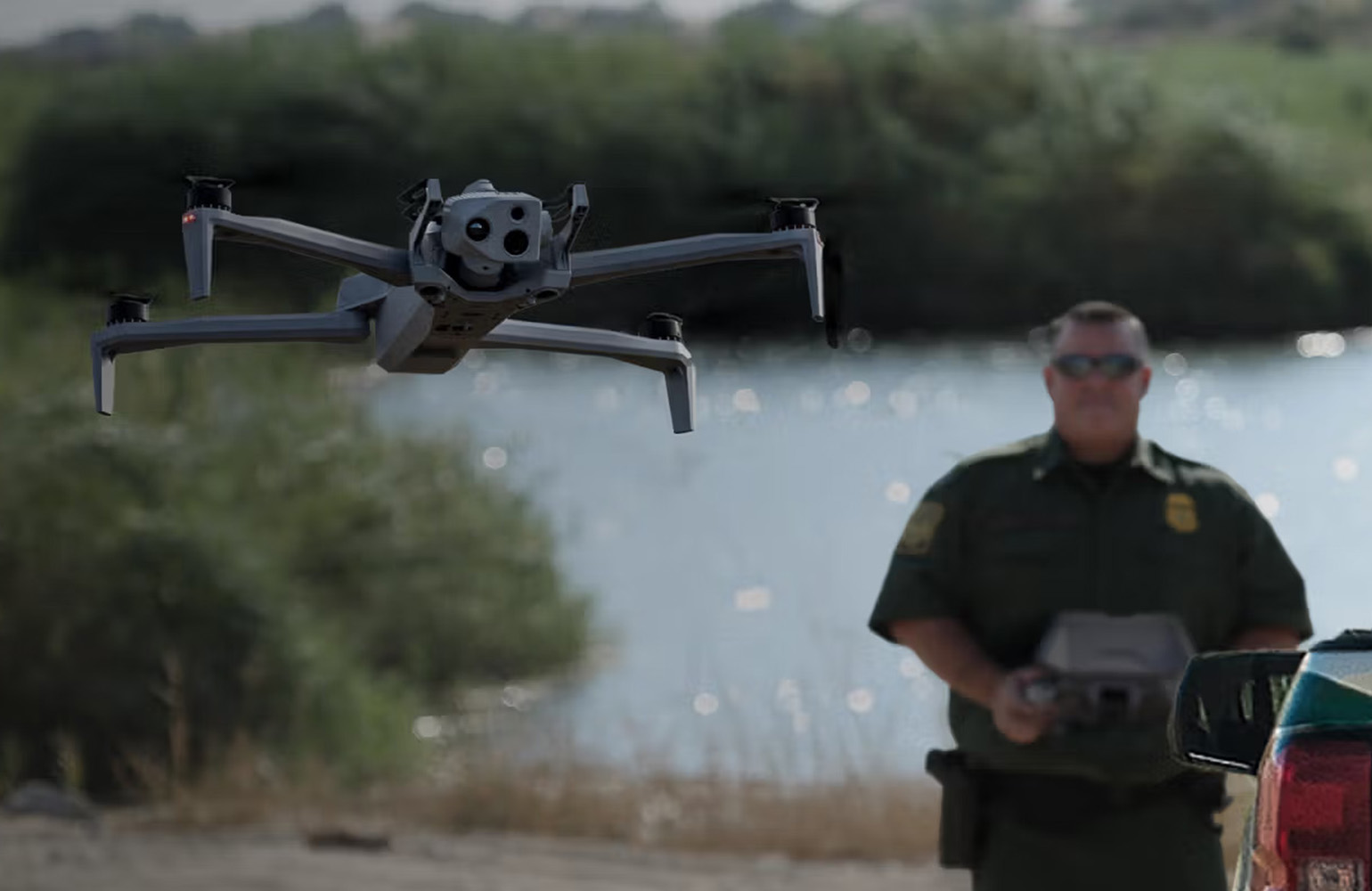
Axon invests $1.2B into Skydio and becomes its U.S. public safety distributor
Robotics Business Review·Nov 10, 2026

Axon invests $1.2B into Skydio and becomes its U.S. public safety distributor

Axon has invested $1.2 billion in drone manufacturer Skydio and will distribute its drones to U.S. public safety agencies as part of Axon's Drone as First Responder program. This partnership aims to expand drone adoption across emergency response and public safety operations nationwide.

RoboticsSafety
Company recalling ladders over potential fall hazard
Safety+Health Magazine·Nov 9, 2026

Company recalling ladders over potential fall hazard

A ladder manufacturer is recalling 11 models due to fall hazard risks and recommending immediate removal from job sites. Workers should stop using affected models and contact the manufacturer for replacement or refund information.

Safety
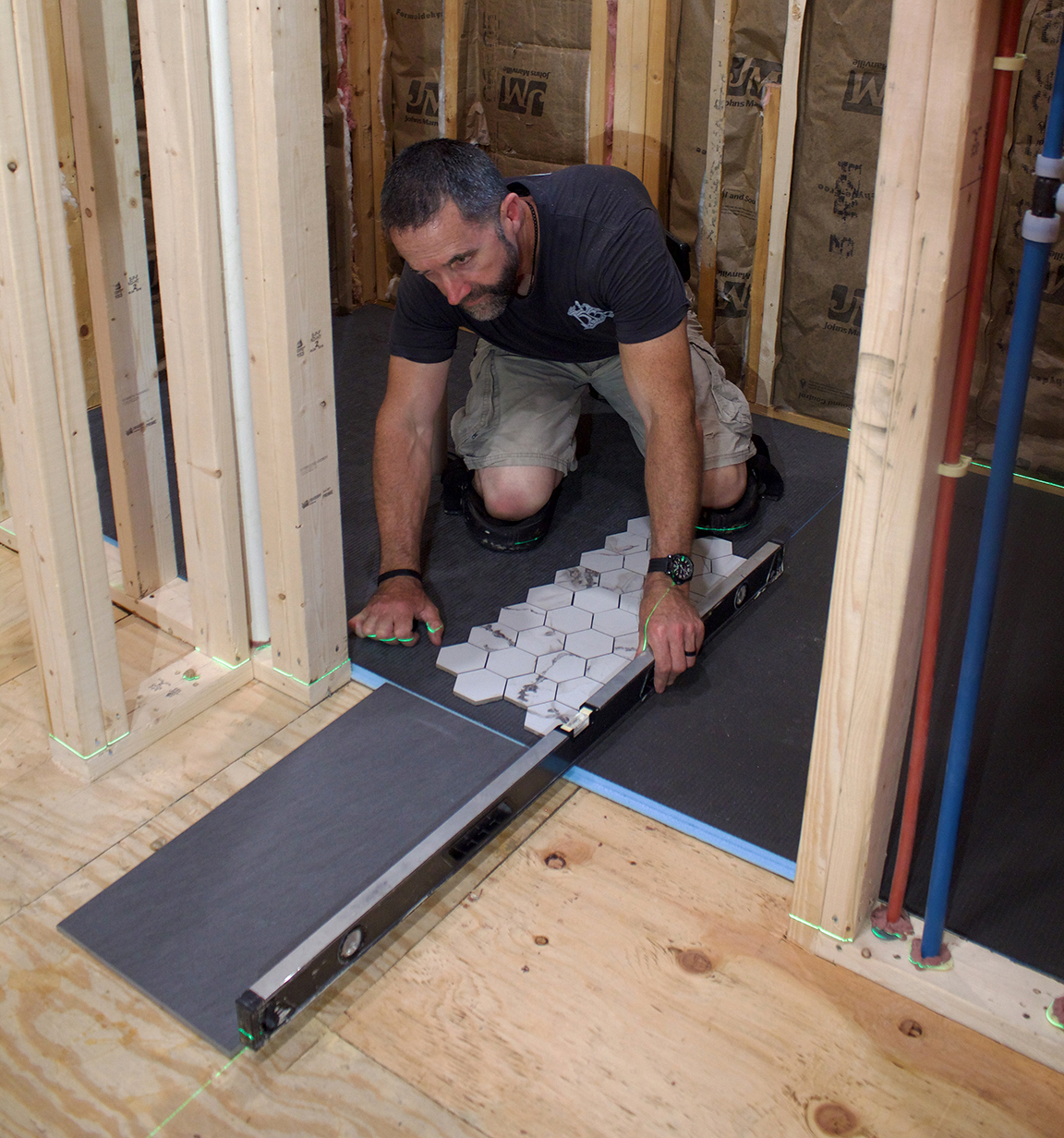
Installing Barrier-Free Showers
JLC Online·Nov 5, 2026

Installing Barrier-Free Showers

A lead carpenter at DBS Remodel in Poughkeepsie reports that about 80% of their 25-30 annual bathroom renovations now include barrier-free showers, where the bathroom floor is flush with the shower floor rather than stepped up with a curb. This design eliminates the trip hazard and makes showers more accessible for all users.

Safety
Aiming for a better fit: Hi-vis apparel standard gets revised
Safety+Health Magazine·Nov 9, 2026

Aiming for a better fit: Hi-vis apparel standard gets revised

The International Safety Equipment Association has revised the hi-vis apparel standard to address fit issues that can compromise worker safety on job sites. Properly fitting PPE is now being recognized as a critical factor in preventing accidents and ensuring protection works as intended.

Safety
Five Construction Safety Trends That Will Define the Jobsite in 2027
Construction Executive·Nov 5, 2026

Five Construction Safety Trends That Will Define the Jobsite in 2027

Adaptability will be the key safety trend defining jobsites in 2027, with safety infrastructure needing to evolve as crews rotate, access points change, and projects move through different phases. Construction teams will need dynamic safety systems that keep pace with jobsite changes rather than static solutions.

Safety
Miners and union file suit over silica dust regulation in West Virginia
Safety+Health Magazine·Nov 6, 2026

Miners and union file suit over silica dust regulation in West Virginia

Miners and their union in West Virginia have filed a lawsuit challenging silica dust regulations, arguing that miners lack the same occupational protections against silicosis that other American workers receive. The legal action highlights a significant gap in workplace safety standards for the mining industry.

WorkforceSafety
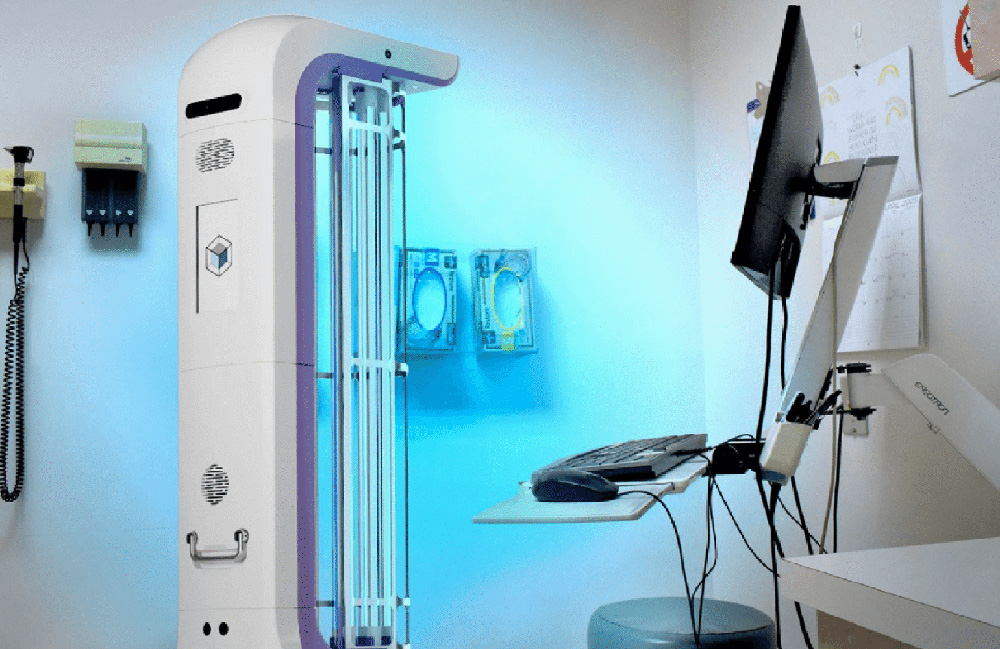
How GlobalLogic helped Haystack Robotics build a UV disinfection robot
Robotics Business Review·Nov 4, 2026

How GlobalLogic helped Haystack Robotics build a UV disinfection robot

GlobalLogic partnered with Haystack Robotics to develop a UV disinfection robot designed for multiple use cases and environments rather than a single application. The collaboration prioritized versatile design to create a solution with broader construction and facility management applications.

RoboticsSafety
OSHA panel gives update on efforts to reduce worker exposure to silica
Safety+Health Magazine·Nov 4, 2026

OSHA panel gives update on efforts to reduce worker exposure to silica

OSHA's Office of Health Enforcement and Office of Physical Hazards held a webinar to discuss their ongoing initiatives aimed at reducing worker exposure to silica on job sites. The agency shared updates on enforcement efforts and safety measures to protect construction workers from this serious respiratory hazard.

Safety
New from OSHA: Lithium-ion Battery Safety website
Safety+Health Magazine·Nov 4, 2026

New from OSHA: Lithium-ion Battery Safety website

OSHA has launched a new Lithium-ion Battery Safety website to help construction workers understand and mitigate hazards associated with battery-powered tools and equipment. The resource provides guidance on safe handling, storage, and emergency response for lithium-ion batteries commonly used on job sites.

ElectrificationSafety
FAA’s proposed changes to on-flight medical kits are the wrong way to modernize, AMA contends
Safety+Health Magazine·Nov 4, 2026

FAA’s proposed changes to on-flight medical kits are the wrong way to modernize, AMA contends

The FAA proposed changes to on-flight medical kits that would remove minimum equipment requirements, according to the American Medical Association. The AMA argues this approach undermines modernization efforts rather than advancing them.

Safety
Study of janitors explores the safety and health impacts of working alone
Safety+Health Magazine·Nov 3, 2026

Study of janitors explores the safety and health impacts of working alone

A study on janitors reveals that working alone creates safety and health risks on jobsites. Supervisors often prioritize schedule adherence over safe work practices, according to research participants.

WorkforceSafety