AllAI & MLRoboticsAutonomy3D PrintingElectrificationSafetyWorkforceMaterialsEDITOR'S PICKWEEKLY DISPATCH
Category

AI & Machine Learning

Artificial intelligence, machine learning, BIM, digital twins, predictive analytics, and data platforms in construction.

514 stories found

The construction industry's transition from AI pilot projects to operational deployment has reached an inflection point, driven simultaneously by labor scarcity and demonstrated technical viability. What distinguishes this moment is not the emergence of new AI capabilities—computer vision, predictive analytics, and autonomous decision-making have matured considerably—but rather the industry's willingness to integrate these tools into mission-critical workflows across estimation, scheduling, and jobsite execution. Suffolk's deployment of OpenSpace, Dusty Robotics, Kaya AI, and Alice Technologies on Gilead's California research center exemplifies this operational maturity, as does MasTec's adoption of Gritt's physical AI for solar construction execution. Meanwhile, the competitive consolidation in takeoff and estimation continues, with ConstructConnect's Project Intelligence and advanced mechanical takeoff platforms now competing on accuracy and integration rather than novelty. The real differentiator has shifted decisively toward organizational capability—firms like Mycon, which elevated technology leadership into the C-suite, recognize that AI deployment demands simultaneous competency in data governance, cybersecurity, workforce training, and regulatory compliance. Construction executives can no longer treat AI as a procurement decision; it demands the same strategic rigor and cross-functional alignment as capital investment or labor planning.

The robotics frontier has simultaneously accelerated and clarified, with technical breakthroughs resolving the programming barrier that historically constrained factory floor automation. Siemens and AGIBOT's demonstration of AI agents that design 3D-printed robot grippers from text prompts, combined with UC Berkeley and NVIDIA's open-source tools enabling machines to automatically write industrial robot programs, have obliterated the assumption that robotics requires specialized programming expertise. Humyn Labs' $47 million funding round to systematize real-world operational data collection signals that the industry recognizes embodied AI as the next frontier, one where robots generalize across tasks rather than operating within narrow, pre-programmed constraints. Yet construction remains in early adoption precisely because regulatory uncertainty, data sovereignty concerns, and the need for standardized infrastructure outweigh technical enablement. The manufacturing data gap—inadequate industrial data collection, weak interoperability standards, and poor feedback loops—represents the genuine constraint on physical AI deployment, not algorithm sophistication.

The workforce awareness and capability gap remains construction's most decisive strategic vulnerability. Only 59 percent of young people recognize that construction already operates with AI, undermining recruitment into the technical roles the industry increasingly demands, while most construction firms have not scaled AI adoption beyond isolated pilots due to implementation barriers and skills deficiencies. The path forward requires construction organizations to treat AI integration as organizational transformation: embedding technology leadership in management structures, investing systematically in workforce education about AI tool validation, and maintaining digital visibility across discovery systems. Firms that invest in the organizational discipline, talent development, and regulatory acumen required to deploy AI effectively at scale—rather than those that simply purchase the latest platforms—are establishing competitive advantages that transcend individual technology choices. Construction is no longer deliberating whether to adopt AI; it is determining whether it will invest the structural, cultural, and human capital necessary to deploy these tools with strategic coherence across operations.
Brain Corp partners with UC San Diego to help robots operate in complex environments
Robotics Business Review·May 21, 2026

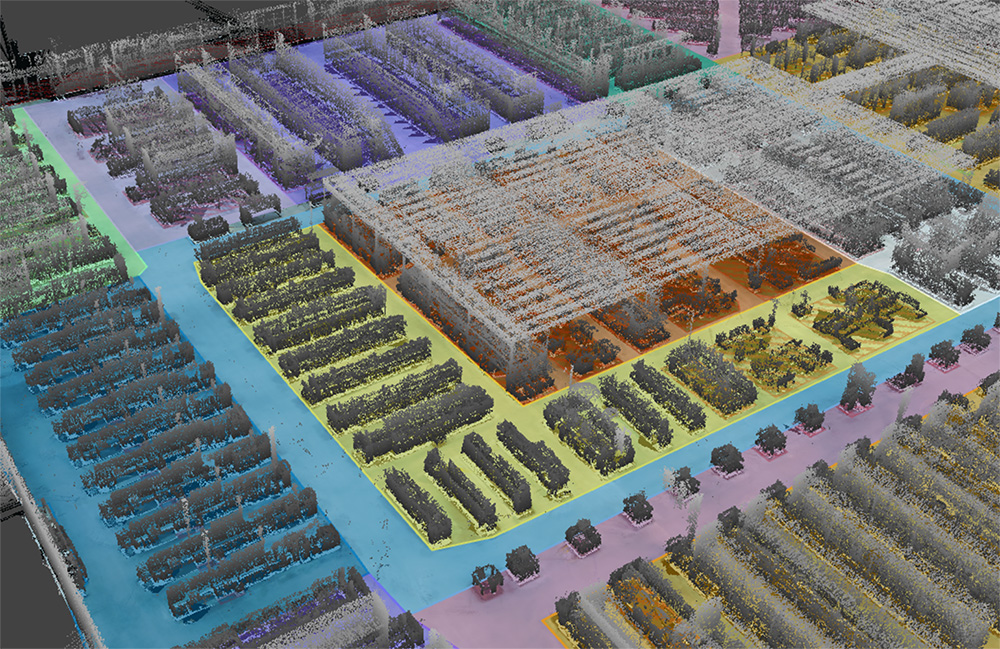
Brain Corp partners with UC San Diego to help robots operate in complex environments

Brain Corp is partnering with UC San Diego to advance artificial intelligence capabilities that enable robots to work effectively in complex job site environments. The collaboration leverages Brain's existing network of over 50,000 deployed robots worldwide to improve their operational capabilities.

AI & MLRobotics
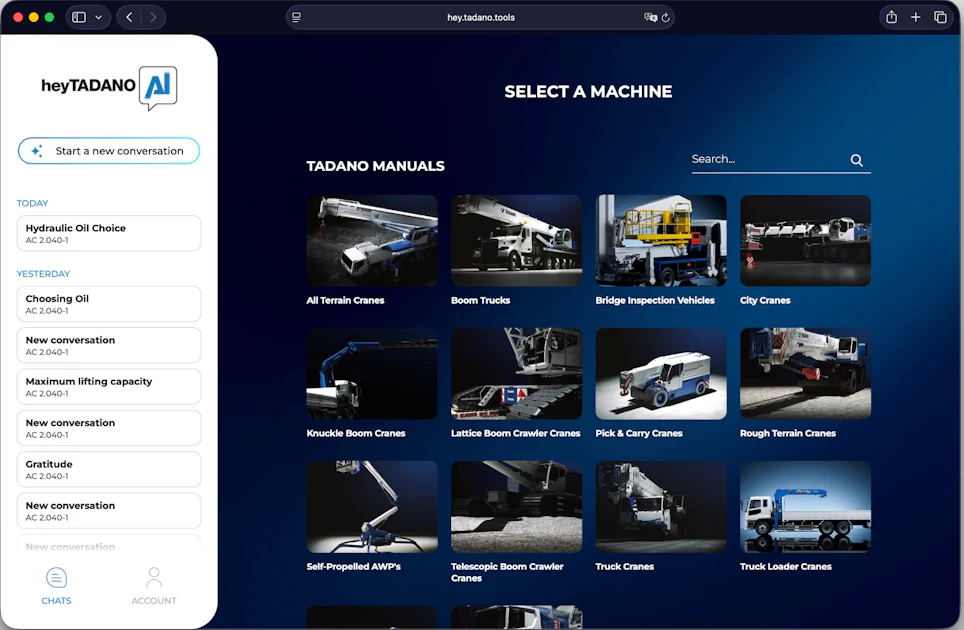
Tadano Adds In-Cab AI Voice Assistance to “heyTadano” App
Equipment World·May 21, 2026

Tadano Adds In-Cab AI Voice Assistance to “heyTadano” App

Tadano has integrated AI voice assistance into its heyTadano app, allowing crane operators to get real-time answers on operating procedures, technical issues, and troubleshooting directly from their cab. The feature uses in-cab voice interaction to provide quick access to operational guidance without requiring operators to leave their position.

AI & MLSafety
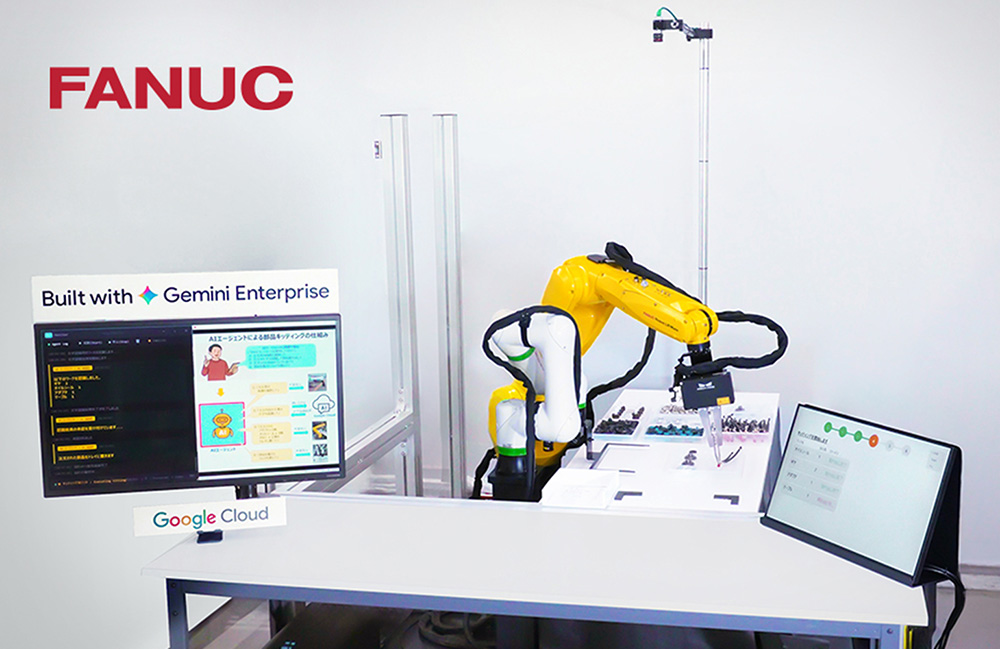
FANUC partners with Google to advance physical AI in its robots
Robotics Business Review·May 21, 2026

FANUC partners with Google to advance physical AI in its robots

FANUC has partnered with Google and NVIDIA to enhance its physical AI system for robots, which debuted at IREX in Tokyo. Customer demand for the technology has increased significantly since its initial release.

AI & MLRobotics
Tadano Adds In-Cab AI Voice Assistance to “heyTadano” App
Equipment World·May 21, 2026

Tadano Adds In-Cab AI Voice Assistance to “heyTadano” App

Tadano has integrated AI voice assistance into its heyTadano app, allowing crane operators to ask real-time questions about operating procedures, technical issues, and troubleshooting without leaving the cab. The in-cab feature improves operator efficiency and safety by providing quick access to critical information during crane operations.

AI & MLSafety
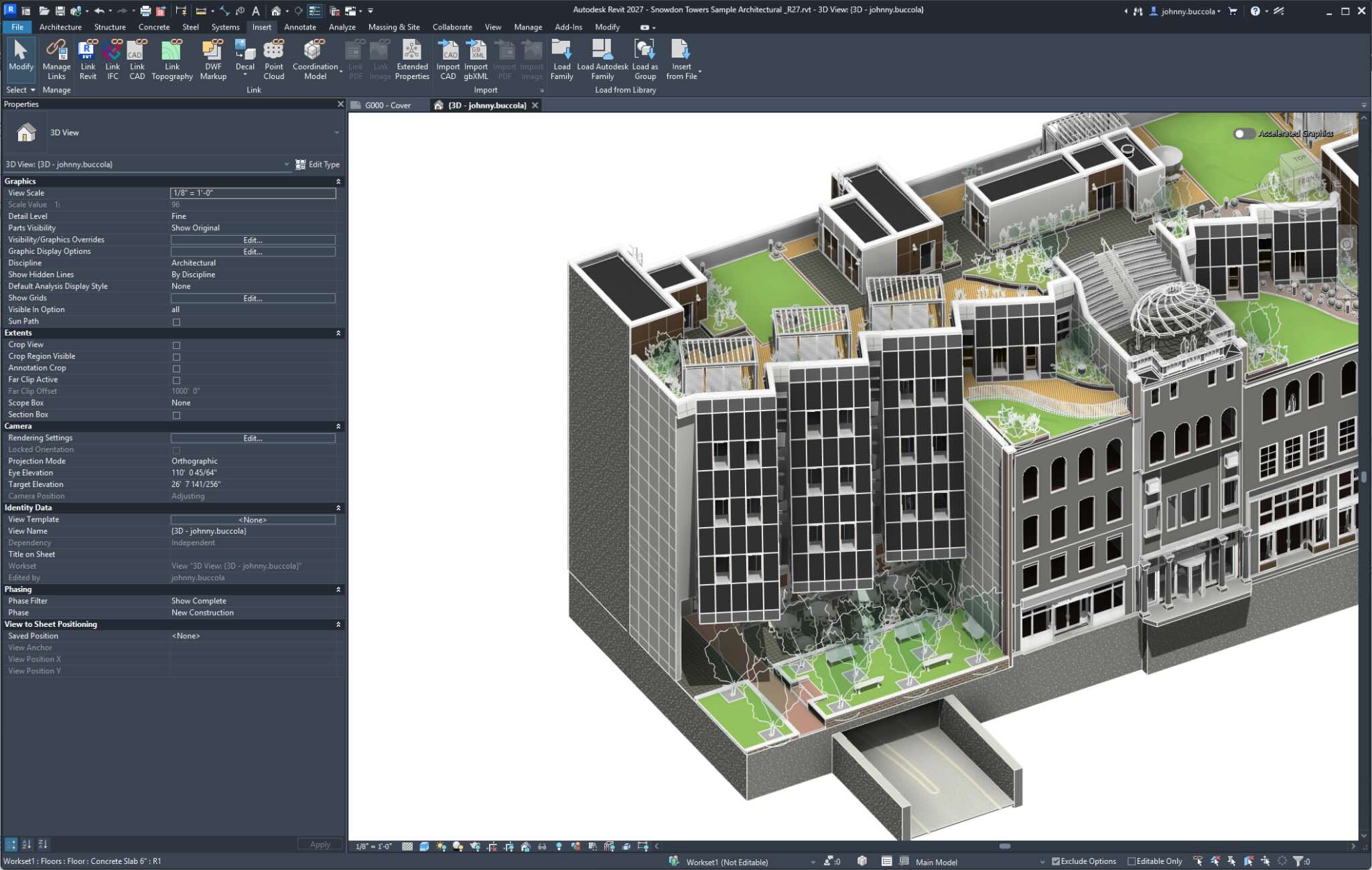
Democratizing the information model with Extended Properties and Revit
Autodesk Construction Cloud Blog·May 21, 2026

Democratizing the information model with Extended Properties and Revit

Revit has evolved beyond basic CAD into a comprehensive BIM platform handling everything from design to project coordination, but this expansion creates practical challenges on job sites. Extended Properties offer a way to democratize how project information is organized and accessed across teams without requiring specialized expertise.

AI & ML
Inside Verobotics’ edge AI robotics deployment at NVIDIA’s Israel campus
Robotics Business Review·May 20, 2026

Inside Verobotics’ edge AI robotics deployment at NVIDIA’s Israel campus

Verobotics has deployed edge AI robots at NVIDIA's Israel campus that can safely and repeatedly access vertical surfaces, transforming dangerous one-time jobs into controlled robotic operations. The robots collect data during these missions, reducing worker risk while improving efficiency on high-access tasks.

RoboticsAI & ML
18 startups chosen to test tech solutions for NY transit systems
Construction Dive·May 20, 2026

18 startups chosen to test tech solutions for NY transit systems

New York's MTA selected 18 startups to pilot innovative technology solutions for the transit system through the Transit Tech Lab program. AI-powered proposals are among the technologies being tested as part of the public-private initiative, which has already brought 22 ideas to implementation.

AI & ML
Why Preconstruction Is Ripe for AI Right Now
Autodesk Construction Cloud Blog·May 20, 2026

Why Preconstruction Is Ripe for AI Right Now

AI discussions in construction often focus on theoretical applications rather than practical implementations teams are currently using. Preconstruction is an ideal area to move from talking about AI potential to actually deploying it in real workflows.

AI & ML
Burns & McDonnell taps tradesworkers for preconstruction, AI vetting
Construction Dive·May 20, 2026

Burns & McDonnell taps tradesworkers for preconstruction, AI vetting

Burns & McDonnell is involving experienced tradespeople in its preconstruction process to validate and refine AI-generated suggestions. The firm recognizes that jobsite professionals provide essential judgment to push back on AI recommendations that don't align with real-world construction realities.

AI & MLWorkforce
Why AI Is a Labor Cost, Not a Software Cost
Construction Executive·May 20, 2026

Why AI Is a Labor Cost, Not a Software Cost

AI tools should be evaluated as labor-replacing investments similar to heavy equipment purchases, not treated as typical software expenses. Construction companies need to account for AI's impact on workforce costs and productivity when making procurement decisions.

AI & MLWorkforce
Latest construction data shows activity hinges on AI buildout
Construction Dive·May 20, 2026

Latest construction data shows activity hinges on AI buildout

Construction activity in March slowed across most sectors due to rising energy costs, with the notable exception of data center projects driven by AI infrastructure demand. The divergence shows how dependent overall building momentum has become on the artificial intelligence buildout rather than broader economic strength.

AI & ML
University of Illinois Team Is Engineering the Fix for the AI Heat Crisis
3D Printing Industry·May 19, 2026

University of Illinois Team Is Engineering the Fix for the AI Heat Crisis

Mechanical engineers at the University of Illinois have developed a new chip cooling method that could significantly reduce the energy data centers spend on thermal management. The approach uses a mathematical design algorithm and is published in Cell Reports Physical Science.

AI & MLMaterials
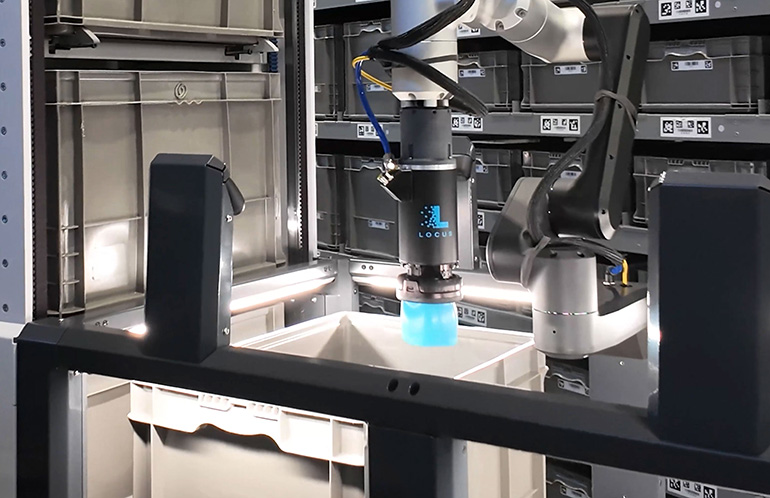
Locus Array expands picking ability with Nexera Robotics’ NeuraGrasp
Robotics Business Review·May 19, 2026

Locus Array expands picking ability with Nexera Robotics’ NeuraGrasp

Locus Array's mobile manipulator robot is integrating Nexera Robotics' NeuraGrasp adaptive gripper technology to handle a significantly wider variety of e-commerce products. This expansion improves the robot's picking capability for warehouse and fulfillment operations.

RoboticsAI & ML
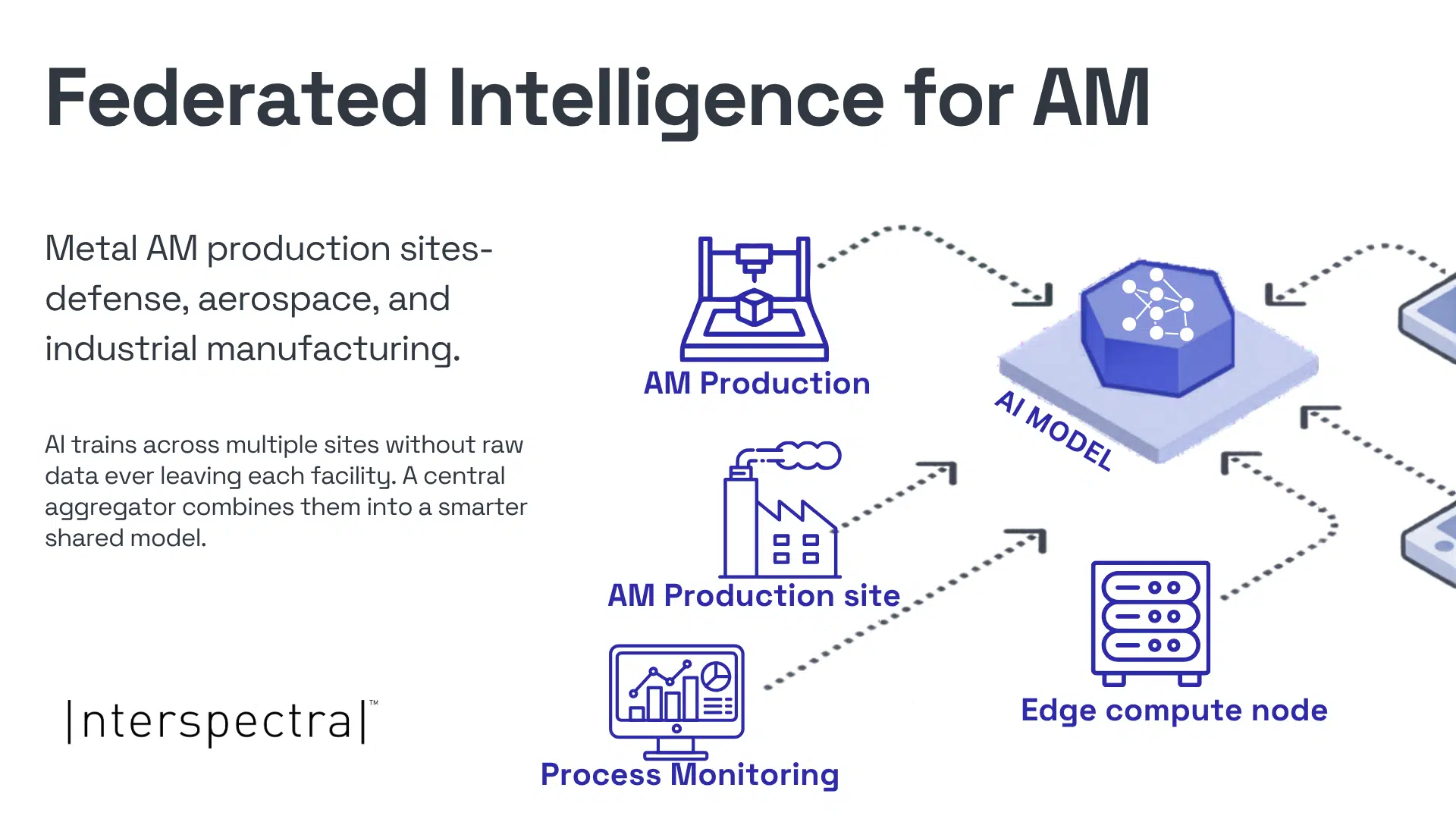
Sweden’s TRUSTAM Initiative Brings Federated AI to Additive Manufacturing Quality Control
3D Printing Industry·May 19, 2026

Sweden’s TRUSTAM Initiative Brings Federated AI to Additive Manufacturing Quality Control

Sweden's TRUSTAM initiative, backed by national innovation agency Vinnova, is applying federated artificial intelligence to improve quality control in 3D printing and additive manufacturing. The consortium includes Interspectral, Saab, AMEXCI, and Scaleout Systems working to address persistent quality challenges in the additive manufacturing sector.

AI & ML3D Printing
Your AEC Firm Has a Memory Problem. Here Is How to Fix It
AEC Business·May 18, 2026

Your AEC Firm Has a Memory Problem. Here Is How to Fix It

AEC firms struggle with fragmented data and institutional knowledge loss, which hampers their ability to adopt AI effectively. Organizing and centralizing project information is essential for construction companies to become AI-ready and improve operations.

AI & ML
FANUC strengthens robot integration with NVIDIA Isaac Sim
Robotics Business Review·May 18, 2026

FANUC strengthens robot integration with NVIDIA Isaac Sim

FANUC is integrating its industrial robots and teach pendant with NVIDIA's Isaac Sim simulation platform to improve robot programming and deployment. The partnership combines FANUC's robotics expertise with NVIDIA's AI and simulation technology to streamline robot integration on job sites.

RoboticsAI & ML
Introducing ConstructConnect® Analytics: The Smarter Way to Understand Your Market
ConstructConnect·May 18, 2026

Introducing ConstructConnect® Analytics: The Smarter Way to Understand Your Market

ConstructConnect Analytics is a new tool within the ConstructConnect platform that converts verified project data into actionable market insights and lead generation opportunities for construction professionals. Building product manufacturers and construction firms can use the analytics to better understand their market positioning and identify specification opportunities.

AI & ML
Imperial College London researchers develop topology optimization framework for nonlinear mechanical metamaterials
3D Printing Industry·May 18, 2026

Imperial College London researchers develop topology optimization framework for nonlinear mechanical metamaterials

Imperial College London researchers have created a computational tool that uses topology optimization to design nonlinear mechanical metamaterials with custom stress-strain properties at the microscale. This framework could enable construction materials with enhanced performance characteristics tailored for specific structural applications.

AI & MLMaterials