AllAI & MLRoboticsAutonomy3D PrintingElectrificationSafetyWorkforceMaterialsEDITOR'S PICKWEEKLY DISPATCH
Category

Workforce & Labor

Labor shortage, skilled trades, apprenticeships, hiring platforms, workforce development, and crew management.

1202 stories found

Construction's structural labor crisis has crystallized into an unmistakable competitive sorting mechanism that now explicitly divides operators who've architected integrated talent systems from those still fragmenting efforts across disconnected initiatives. The convergence of three forces is reshaping the entire industry: persistent labor scarcity that refuses cyclical relief, intensifying regulatory enforcement that transforms safety compliance into a non-negotiable operational requirement, and technology adoption that separates strategic workforce planners from those still relying on manual processes. Contractors embedding psychological capital development—the renewable resource combining hope, efficacy, resilience, and optimism identified by the American Psychological Association—alongside safety culture, wellness programming, and technology implementation are demonstrating measurably superior retention outcomes precisely as competitors continue hemorrhaging workers to attrition. The data is unambiguous: firms managing labor strategically through integrated systems now capture talent at scale, while those treating workforce development as a disconnected cost center are fragmenting against wider performance gaps that cannot be bridged by margin compression from material cost inflation.

Technology adoption has shifted decisively from implementation barrier to retention lever as purpose-built solutions designed for trade-level adoption rather than corporate mandate reshape labor dynamics across estimation, scheduling, and field operations. ConstructConnect's automated takeoff capabilities cut estimation time by 50% on large projects while freeing estimator bandwidth for strategic opportunity scoring, eSUB's partnership with SMART Local 104 is embedding project management skills directly into sheet metal apprenticeships, and MasTec's deployment of physical AI on solar construction jobsites demonstrates on-site operation optimization beyond corporate-level forecasting. The gap between early adopters systematizing these capabilities and lagging competitors remains a decisive competitive moat—yet implementation barriers and workforce skills gaps simultaneously create immediate opportunity for operators willing to integrate training alongside technology deployment. Bluebeam's 2027 AEC technology report confirms most construction firms haven't scaled these capabilities, a condition that reflects organizational friction but masks exceptional runway for contractors positioned to move first.

The talent acquisition and retention crisis now operates entirely on a different plane than wage competition alone can address. Procore's research reveals 50% of young people believe AI could enhance construction careers, yet 41% remain unaware the industry already uses AI—a marketing gap that contractors actively communicating technological enhancement of labor can exploit for talent acquisition at scale while competitors remain silent. Meanwhile, the Department of Labor's reinstatement of the economic reality test for independent contractor classification, the BlackRock Foundation's new veteran transition program, and expanded federal apprentice payment programs signal sustained commitment to training infrastructure scaling precisely as construction employment rose across 37 states. The industry's competitive architecture has fundamentally reorganized: firms treating safety, wellness integration, and technology implementation as interconnected systems that explicitly enhance worker experience and career trajectory are establishing sustainable performance advantages that low-cost operators cannot replicate. This is no longer construction's labor shortage; it is construction's talent development divide.

David Keeling reflects on his 1st year as OSHA leader
Safety+Health Magazine·Sep 14, 2026

David Keeling reflects on his 1st year as OSHA leader

David Keeling, who became OSHA's assistant secretary of labor in October, expressed cautious satisfaction with the agency's work during his first year leading occupational safety and health efforts. Keeling reflected on OSHA's accomplishments while speaking at an event in Indianapolis.

Workforce
The Business Case for a Stronger Construction Safety Culture
Construction Executive·Sep 14, 2026

The Business Case for a Stronger Construction Safety Culture

Over half of construction executives report employees working longer hours with fewer breaks, while 44% acknowledge workers performing tasks without adequate training. These risky practices underscore the need for stronger safety cultures to protect workers and improve business outcomes.

WorkforceSafety
Study explores what’s making plumbers unsafe on the job
Safety+Health Magazine·Sep 14, 2026

Study explores what’s making plumbers unsafe on the job

A West Virginia University study of 23 licensed plumbers identifies reluctance to wear personal protective equipment and a prioritization of speed over safety as major workplace hazards in the plumbing trade. The research highlights persistent cultural barriers that prevent plumbers from adopting safer work practices on job sites.

SafetyWorkforce
Don’t Just Build What They Ask For
JLC Online·Sep 14, 2026

Don’t Just Build What They Ask For

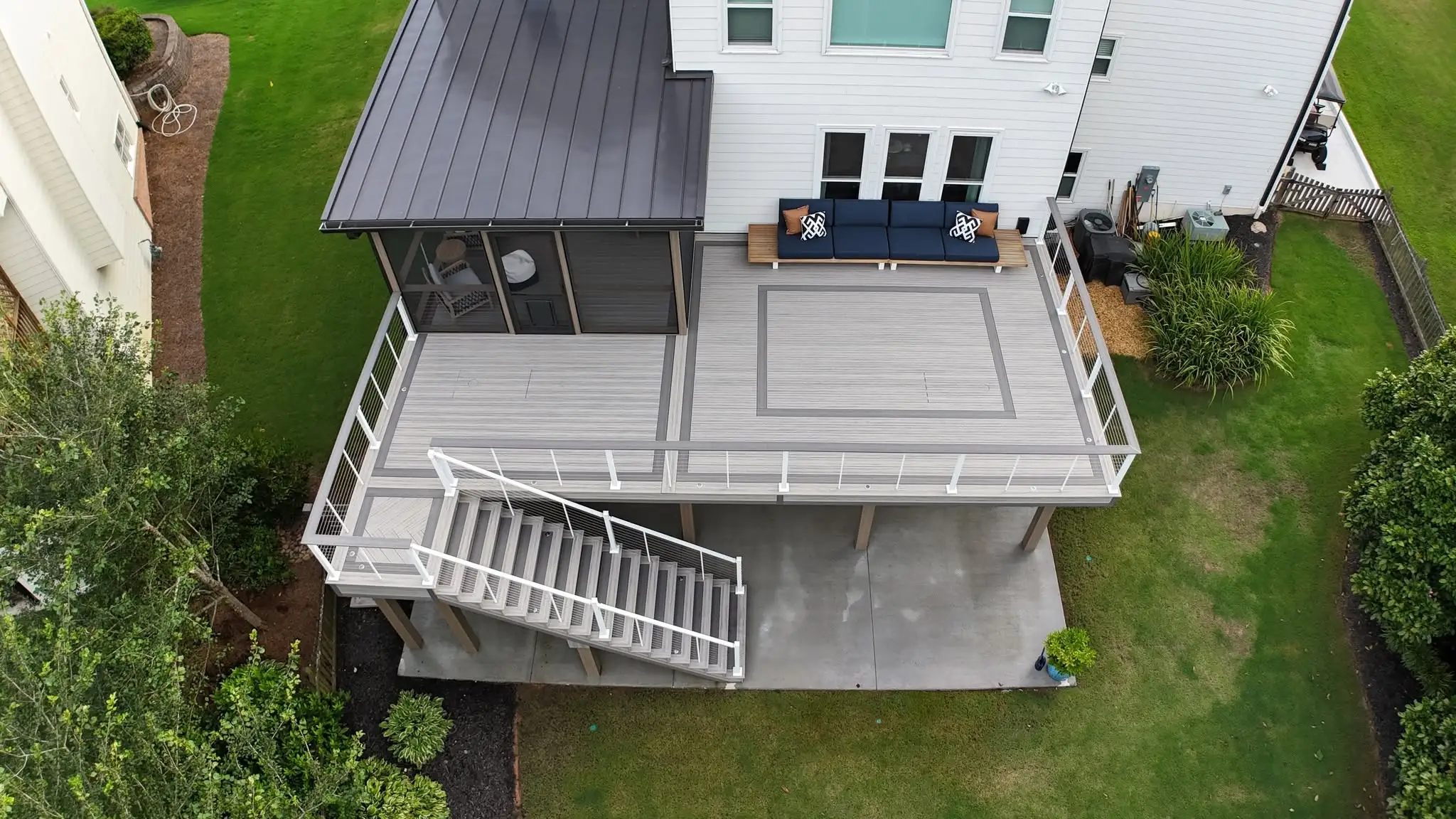
Homeowners often arrive with a specific vision for outdoor projects like decks and porches, but contractors shouldn't simply build exactly what's requested. Derek Kirchner, an Atlanta-area outdoor contractor, argues that contractors should push back and offer professional guidance to deliver better results than initial customer specifications.

Workforce
Rethinking the Approach to Suicide Prevention In Construction: What Gets Passed Down From Leadership
Construction Executive·Sep 14, 2026

Rethinking the Approach to Suicide Prevention In Construction: What Gets Passed Down From Leadership

Construction leaders need to examine which workplace pressures and practices they pass down to their teams, as inherited work cultures can contribute to mental health crises. While work pressure is inevitable in construction, leadership has a responsibility to break harmful patterns that may increase suicide risk among workers.

Workforce
Chicago Roofing Secret Revealed
JLC Online·Sep 14, 2026

Chicago Roofing Secret Revealed

A&J Roofing Services, a 10-year-old Aurora, Illinois roofing company, is experiencing significant growth under owner Jose Martinez and his 10-person crew. The company is capitalizing on strong market demand in the Chicago suburb area.

Workforce
Why Progress Billing Transparency Protects Subcontractor Cash Flow
eSUB Construction Software Blog·Sep 14, 2026

Why Progress Billing Transparency Protects Subcontractor Cash Flow

Clear visibility into progress billing helps subcontractors understand payment schedules and reduces cash flow disruptions that can threaten project operations. Transparent billing practices create accountability between general contractors and subs, ensuring invoices are tracked consistently and payments arrive on predictable timelines.

Workforce
What Should Estimators Do When Product Specifications and Drawings Conflict?
ConstructConnect·Sep 14, 2026

What Should Estimators Do When Product Specifications and Drawings Conflict?

Estimators must establish a clear protocol for resolving conflicts between product specifications and drawings to ensure accurate project costs and avoid costly rework. Documentation of which source takes precedence and communication with design teams should be part of the standard estimating process.

Workforce
More Than a Seat at the Table
AGC of America News·Sep 14, 2026

More Than a Seat at the Table

The construction industry is expanding opportunities for underrepresented groups to participate in decision-making and leadership roles. Greater diversity in planning and management positions leads to better project outcomes and stronger workforce development.

Workforce
One brick at a time: How Monumental uses robotics to build walls
Robotics Business Review·Sep 11, 2026

One brick at a time: How Monumental uses robotics to build walls

Monumental is using robotic systems to automate wall construction, improving speed and consistency in bricklaying operations. CEO Salar al Khafaji discusses the company's approach to bringing robotics into traditional masonry work.

RoboticsWorkforce
Jobsite Security: The Core Equipment Needed to Secure Isolated Projects
Construction Executive·Sep 11, 2026

Jobsite Security: The Core Equipment Needed to Secure Isolated Projects

Securing isolated jobsites requires a multi-layered approach combining surveillance cameras, communication systems, onsite security personnel, and proper fencing. This integrated strategy addresses the unique vulnerabilities of remote construction projects and helps prevent theft, vandalism, and unauthorized access.

Workforce
Marking up plans from the field: What to look for in plan markup software
Fieldwire Blog·Sep 11, 2026

Marking up plans from the field: What to look for in plan markup software

Plan markup software helps construction teams annotate and modify field plans in real time, improving communication between site workers and office staff. Key features to evaluate include ease of use, integration with existing systems, markup tools, version control, and mobile accessibility.

Workforce
Comau automates picking, handling, and palletizing for Decathlon
Robotics Business Review·Sep 10, 2026

Comau automates picking, handling, and palletizing for Decathlon

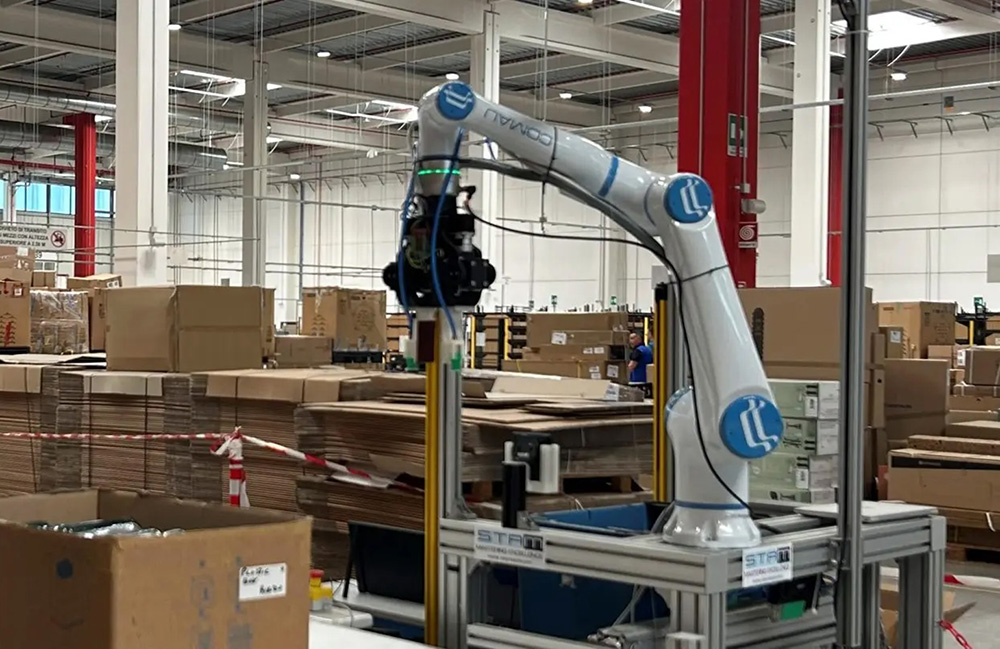
Comau has deployed an automated system for Decathlon that uses collaborative robots, AI-powered vision, and modular grippers to handle picking, packing, and palletizing tasks. The solution combines Comau's MyCo cobot with ROS2 software architecture to streamline warehouse and fulfillment operations.

RoboticsAI & ML
Construction software ROI: How to quantify the value for leadership
Fieldwire Blog·Sep 11, 2026

Construction software ROI: How to quantify the value for leadership

Construction leaders need concrete metrics to justify software investments, including labor savings, project timeline reductions, and error prevention. Quantifying ROI through data tracking and comparison of pre- and post-implementation performance helps secure buy-in for technology adoption across the organization.

Workforce
WEEKLY DISPATCH
How Do Subcontractors Manage RFIs, Submittals, and Change Orders Digitally?
eSUB Construction Software Blog·Sep 10, 2026

How Do Subcontractors Manage RFIs, Submittals, and Change Orders Digitally?

Digital tools streamline how subcontractors handle requests for information, product submittals, and change orders by centralizing documentation and reducing delays caused by manual paper-based processes. Cloud-based platforms enable real-time collaboration between subs, general contractors, and project teams while creating an audit trail that protects all parties.

Workforce
Jobsite software for commercial painting contractors managing multiple crews
Fieldwire Blog·Sep 11, 2026

Jobsite software for commercial painting contractors managing multiple crews

Jobsite software designed specifically for commercial painting contractors streamlines operations by centralizing crew management, scheduling, and project tracking across multiple teams. The platform helps contractors improve efficiency, reduce coordination overhead, and maintain better visibility into daily operations across distributed work crews.

Workforce
WEEKLY DISPATCH
Why Ongoing Crane Training Is Essential for Technology Advancements Onsite
Construction Executive·Sep 10, 2026

Why Ongoing Crane Training Is Essential for Technology Advancements Onsite

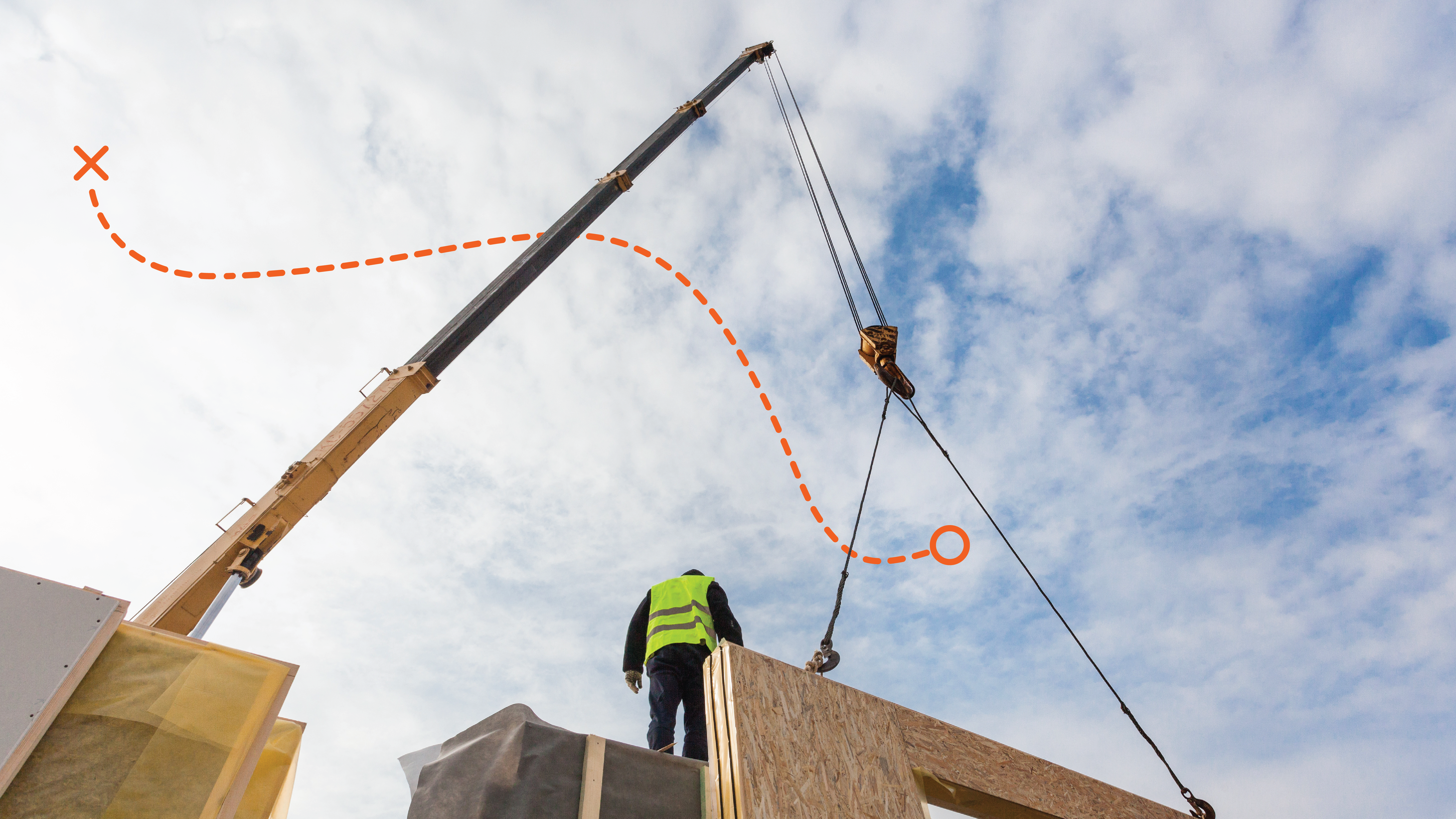
Modern cranes now incorporate sophisticated sensors, digital controls, and integrated safety computers that demand specialized operator knowledge. Ongoing training is critical to ensure crews can effectively and safely operate these technologically advanced machines on job sites.

WorkforceSafety
What to look for in a jobsite management software demo before you commit
Fieldwire Blog·Sep 11, 2026

What to look for in a jobsite management software demo before you commit

Before purchasing jobsite management software, evaluate whether the demo covers your specific workflows, integrates with tools your team already uses, and includes real-world reporting features that match your project needs. Test the user interface for ease of use across different roles on your crew and confirm that customer support and training are included in the package.

Workforce