AllAI & MLRoboticsAutonomy3D PrintingElectrificationSafetyWorkforceMaterialsEDITOR'S PICKWEEKLY DISPATCH
Category

AI & Machine Learning

Artificial intelligence, machine learning, BIM, digital twins, predictive analytics, and data platforms in construction.

514 stories found

The construction industry's transition from AI pilot projects to operational deployment has reached an inflection point, driven simultaneously by labor scarcity and demonstrated technical viability. What distinguishes this moment is not the emergence of new AI capabilities—computer vision, predictive analytics, and autonomous decision-making have matured considerably—but rather the industry's willingness to integrate these tools into mission-critical workflows across estimation, scheduling, and jobsite execution. Suffolk's deployment of OpenSpace, Dusty Robotics, Kaya AI, and Alice Technologies on Gilead's California research center exemplifies this operational maturity, as does MasTec's adoption of Gritt's physical AI for solar construction execution. Meanwhile, the competitive consolidation in takeoff and estimation continues, with ConstructConnect's Project Intelligence and advanced mechanical takeoff platforms now competing on accuracy and integration rather than novelty. The real differentiator has shifted decisively toward organizational capability—firms like Mycon, which elevated technology leadership into the C-suite, recognize that AI deployment demands simultaneous competency in data governance, cybersecurity, workforce training, and regulatory compliance. Construction executives can no longer treat AI as a procurement decision; it demands the same strategic rigor and cross-functional alignment as capital investment or labor planning.

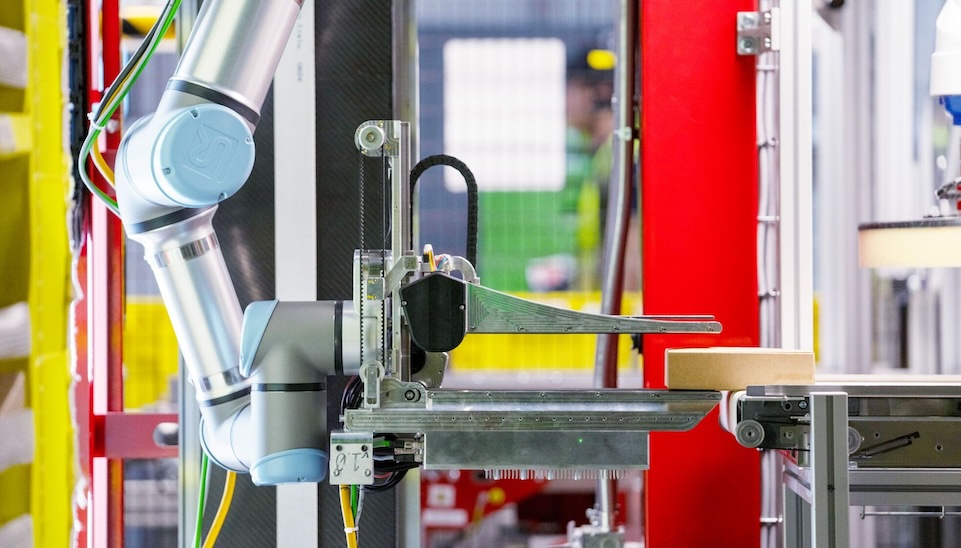
The robotics frontier has simultaneously accelerated and clarified, with technical breakthroughs resolving the programming barrier that historically constrained factory floor automation. Siemens and AGIBOT's demonstration of AI agents that design 3D-printed robot grippers from text prompts, combined with UC Berkeley and NVIDIA's open-source tools enabling machines to automatically write industrial robot programs, have obliterated the assumption that robotics requires specialized programming expertise. Humyn Labs' $47 million funding round to systematize real-world operational data collection signals that the industry recognizes embodied AI as the next frontier, one where robots generalize across tasks rather than operating within narrow, pre-programmed constraints. Yet construction remains in early adoption precisely because regulatory uncertainty, data sovereignty concerns, and the need for standardized infrastructure outweigh technical enablement. The manufacturing data gap—inadequate industrial data collection, weak interoperability standards, and poor feedback loops—represents the genuine constraint on physical AI deployment, not algorithm sophistication.

The workforce awareness and capability gap remains construction's most decisive strategic vulnerability. Only 59 percent of young people recognize that construction already operates with AI, undermining recruitment into the technical roles the industry increasingly demands, while most construction firms have not scaled AI adoption beyond isolated pilots due to implementation barriers and skills deficiencies. The path forward requires construction organizations to treat AI integration as organizational transformation: embedding technology leadership in management structures, investing systematically in workforce education about AI tool validation, and maintaining digital visibility across discovery systems. Firms that invest in the organizational discipline, talent development, and regulatory acumen required to deploy AI effectively at scale—rather than those that simply purchase the latest platforms—are establishing competitive advantages that transcend individual technology choices. Construction is no longer deliberating whether to adopt AI; it is determining whether it will invest the structural, cultural, and human capital necessary to deploy these tools with strategic coherence across operations.


WEEKLY DISPATCH
What 10 Software Providers Say About AI Keeping Projects on Time and on Budget
ConstructConnect·Oct 8, 2026

What 10 Software Providers Say About AI Keeping Projects on Time and on Budget

AI in construction management software won't automatically keep projects on time and budget, but it helps by identifying risks and surfacing information earlier in the process. Bid management, preconstruction, and field progress capture are the areas where AI is most mature and effective today.

AI & ML
Helm.ai reaches $70M in signed commercial contracts for its foundation models
Robotics Business Review·Oct 8, 2026

Helm.ai reaches $70M in signed commercial contracts for its foundation models

Helm.ai has secured $70M in signed commercial contracts for its foundation models trained using a proprietary 'deep teaching' methodology designed to understand physical world structures. The company's AI technology targets applications where understanding spatial relationships and physical environments is critical for autonomous systems.

AI & MLAutonomy
Spherene adds integrated structural simulation to sphereneNXT
3D Printing Industry·Oct 8, 2026

Spherene adds integrated structural simulation to sphereneNXT

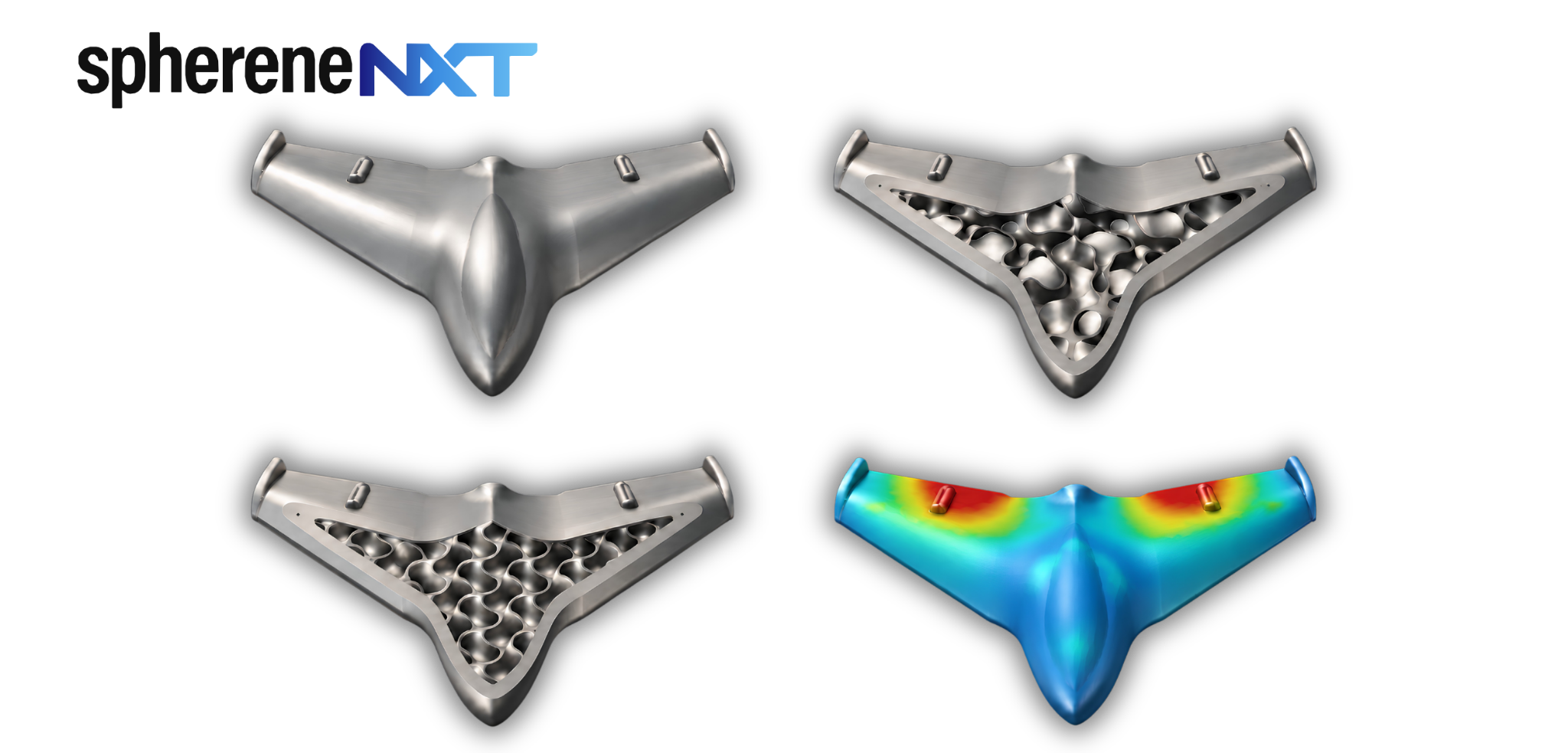
Spherene has integrated structural simulation capabilities into sphereneNXT, its browser-based platform for designing internal part architecture for additive manufacturing. The software update aims to streamline the design workflow for 3D printing applications.

3D PrintingAI & ML
WEEKLY DISPATCH
AWS launches open-source Physical AI Toolchain for robotics
Robotics Business Review·Oct 8, 2026

AWS launches open-source Physical AI Toolchain for robotics

AWS and NVIDIA have released an open-source toolchain designed to accelerate robotics development, covering synthetic data generation, model training, simulation, and edge deployment. The platform enables construction and other industries to build, test, and deploy physical AI systems more efficiently from development through continuous improvement.

AI & MLRobotics
ForConstructionPros·Oct 7, 2026

AI at the Leading Edge: Closing Front-Load Blind Spots

Intelligent camera systems with automatic view switching help equipment operators see blind spots around their machines and identify hazards earlier. This technology improves safety by giving operators better awareness of their surrounding work environment.

AI & MLSafety
PTC acquisition positions Schneider Electric to challenge Siemens
Robotics Business Review·Oct 7, 2026

PTC acquisition positions Schneider Electric to challenge Siemens

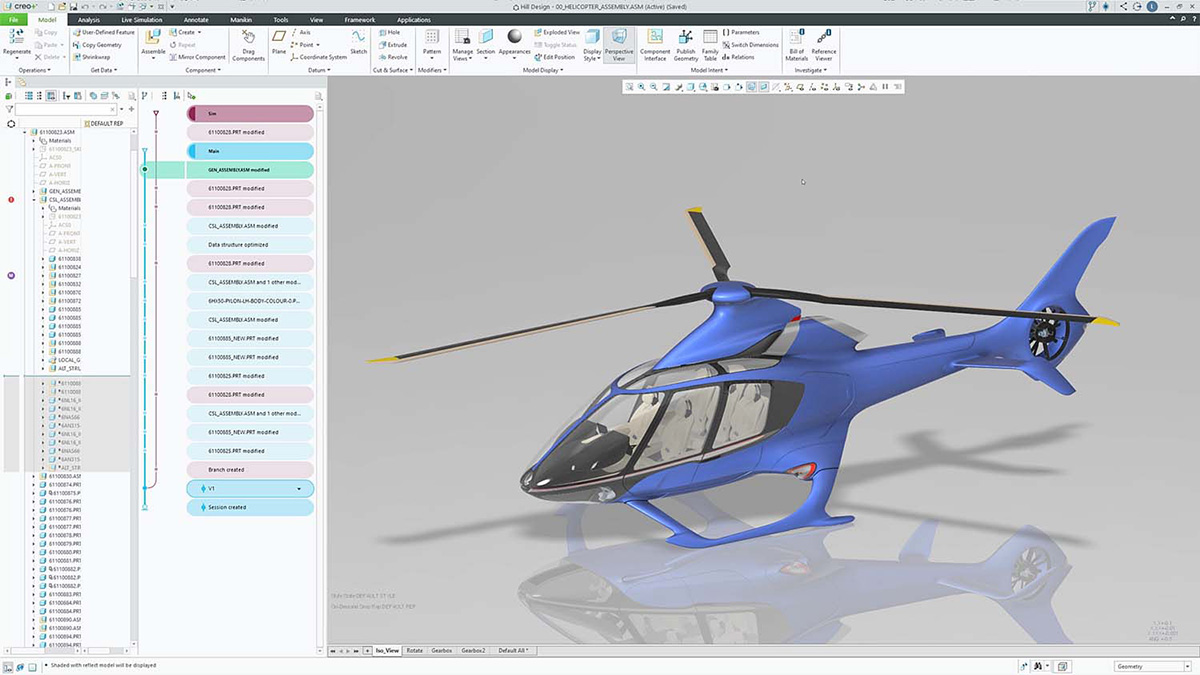
Schneider Electric's acquisition of PTC strengthens its ability to connect design, engineering, and operations through an integrated digital platform. The company now competes more directly with Siemens by offering a complete digital thread, though successful integration of PTC's data and software remains critical.

AI & ML
Inertia Systems’ blade ai Takes Demo Day by a Single Point: Takeaways from Buildings 2026
BuiltWorlds·Oct 6, 2026

Inertia Systems’ blade ai Takes Demo Day by a Single Point: Takeaways from Buildings 2026

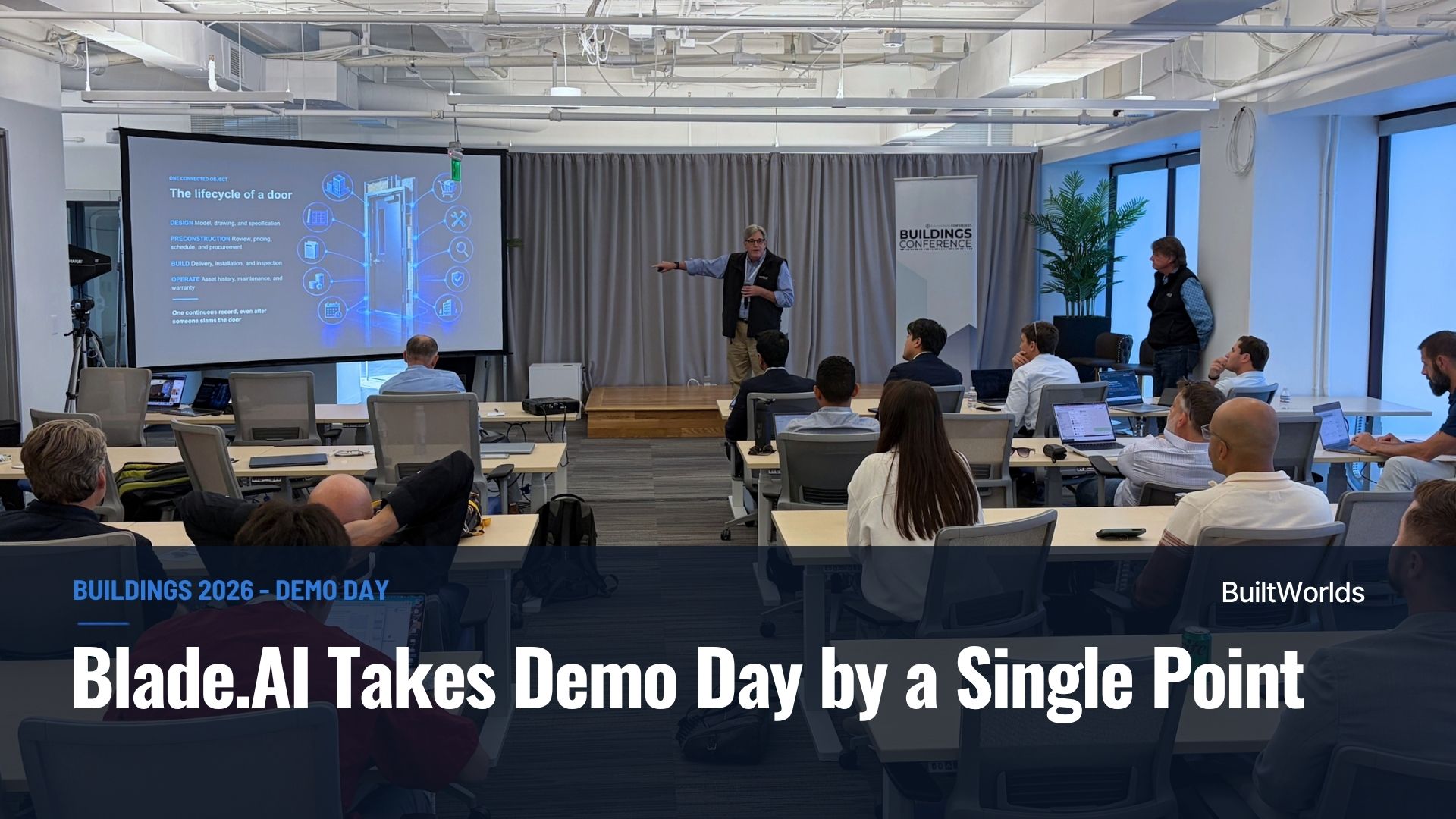
Inertia Systems' blade ai won the Demo Day pitch competition at the Buildings Conference: Data Centers & AI Infrastructure in Nashville with the closest margin of the year. The victory highlights growing attention to AI-driven solutions for data center and infrastructure management.

AI & ML
Boston Dynamics appoints former Amazon exec Rohit Prasad as new CEO
Robotics Business Review·Oct 6, 2026

Boston Dynamics appoints former Amazon exec Rohit Prasad as new CEO

Boston Dynamics has named Rohit Prasad, a former Amazon executive who led Alexa and artificial general intelligence development, as its new CEO. Prasad's background in AI and voice technology leadership positions him to guide the robotics company's strategic direction.

RoboticsAI & ML
Equipment World·Oct 5, 2026

Ziggy the Robot Can Grab a Nail Gun — and Get to Work

LimX Dynamics' Tron 2 robots equipped with Zinova's Tool Intelligence can now operate construction tools like nail guns for formwork, rebar, and concrete work. This advancement expands robotic capabilities beyond basic material handling to actual tool operation on job sites.

RoboticsAutonomy
Pegasus 1.6 brings video understanding to physical AI, says TwelveLabs
Robotics Business Review·Oct 6, 2026

Pegasus 1.6 brings video understanding to physical AI, says TwelveLabs

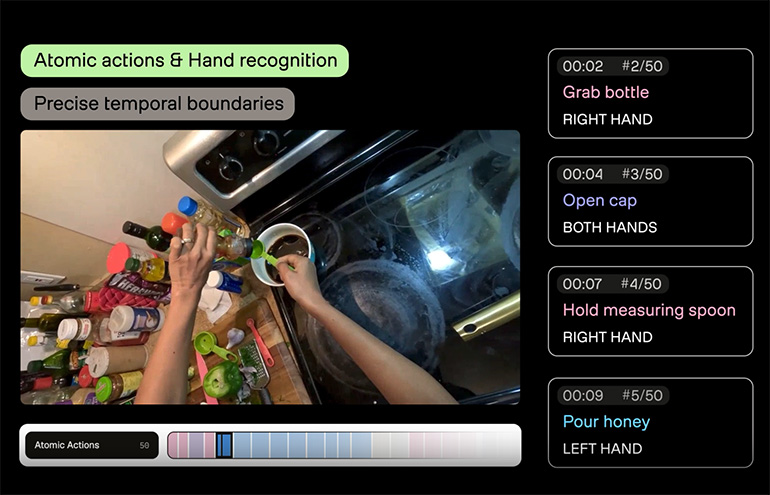
TwelveLabs released Pegasus 1.6, a video understanding model that can analyze first-person video footage for robotics applications. The model enables workflows like automated labeling, helping robotics developers build and train systems for construction tasks.

AI & MLRobotics
Native Quad Meshes Arrive in AI 3D Generation With Tripo P2.0
3D Printing Industry·Oct 5, 2026

Native Quad Meshes Arrive in AI 3D Generation With Tripo P2.0

Tripo AI has released Tripo P2.0, an AI model that generates 3D assets with quad topology, marking the first native quad mesh generation capability in the AI 3D industry. This technology could streamline 3D modeling workflows for construction design and visualization by automating asset creation with production-ready mesh topology.

AI & ML
Sovereign AI, same landlord — thoughts on the physical AI race
Robotics Business Review·Oct 6, 2026

Sovereign AI, same landlord — thoughts on the physical AI race

NVIDIA is pursuing a sovereign strategy to maintain its dominance in the physical AI market despite growing architectural alternatives from competitors. The company's approach centers on controlling key infrastructure to secure its position as a foundational provider in the emerging physical AI industry.

AI & MLRobotics
AEC Business·Oct 5, 2026

Walk Before You Run to Win: Standard Work, Edge Cases, and AI

AI tools work best for construction companies when their core processes and standard work practices are already solid and well-documented. Companies that try to use AI to fix chaotic workflows without first establishing strong fundamentals will struggle to gain competitive advantages.

AI & ML
Overview AI launches OV Spark line of AI inspection cameras
Robotics Business Review·Oct 6, 2026

Overview AI launches OV Spark line of AI inspection cameras

Overview AI has released the OV Spark and OV Spark Pro, new AI-powered inspection cameras designed to automate visual inspections on job sites. The cameras are available now through Overview AI and its distribution partners.

AI & MLRobotics
Teradyne invests in Bright Machines to bring robotics to AI infrastructure manufacturing
Robotics Business Review·Oct 5, 2026

Teradyne invests in Bright Machines to bring robotics to AI infrastructure manufacturing

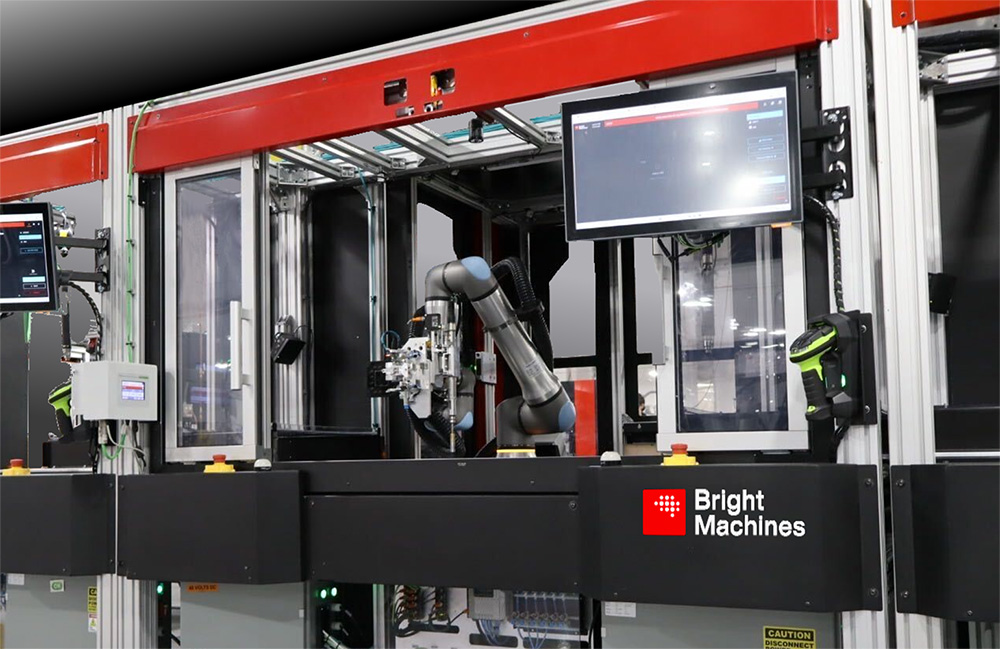
Teradyne is investing in Bright Machines to combine robotics and testing technology for manufacturing AI infrastructure equipment. The partnership aims to automate production processes by integrating Teradyne's robotics capabilities with Bright Machines' manufacturing platform.

RoboticsAI & ML
FCC robot restrictions could accelerate shift to local AI
Robotics Business Review·Oct 5, 2026

FCC robot restrictions could accelerate shift to local AI

New FCC restrictions on robots are pushing construction companies to process more artificial intelligence workloads locally on equipment rather than relying on cloud connections. Firms must now balance on-device AI capabilities with security, safety, and supply chain requirements to meet these emerging regulatory standards.

RoboticsAI & ML
How robotics and physical AI can responsibly tackle key physical security challenges
Robotics Business Review·Oct 4, 2026

How robotics and physical AI can responsibly tackle key physical security challenges

Robotics and AI technologies are advancing to address evolving cyber and physical security threats in real-time. Construction sites can leverage these solutions to strengthen physical security measures and protect assets responsibly.

RoboticsAI & ML
The physical AI race will be won in the patent office
Robotics Business Review·Oct 3, 2026

The physical AI race will be won in the patent office

Robotics startups need strong patent protection to compete in the physical AI market, but success depends on strategic decisions about which intellectual property to prioritize. Patent portfolios are becoming a critical competitive advantage as companies race to develop practical robotics solutions for construction and other industries.

RoboticsAI & ML