AllAI & MLRoboticsAutonomy3D PrintingElectrificationSafetyWorkforceMaterialsEDITOR'S PICKWEEKLY DISPATCH
Category

AI & Machine Learning

Artificial intelligence, machine learning, BIM, digital twins, predictive analytics, and data platforms in construction.

514 stories found

The construction industry's transition from AI pilot projects to operational deployment has reached an inflection point, driven simultaneously by labor scarcity and demonstrated technical viability. What distinguishes this moment is not the emergence of new AI capabilities—computer vision, predictive analytics, and autonomous decision-making have matured considerably—but rather the industry's willingness to integrate these tools into mission-critical workflows across estimation, scheduling, and jobsite execution. Suffolk's deployment of OpenSpace, Dusty Robotics, Kaya AI, and Alice Technologies on Gilead's California research center exemplifies this operational maturity, as does MasTec's adoption of Gritt's physical AI for solar construction execution. Meanwhile, the competitive consolidation in takeoff and estimation continues, with ConstructConnect's Project Intelligence and advanced mechanical takeoff platforms now competing on accuracy and integration rather than novelty. The real differentiator has shifted decisively toward organizational capability—firms like Mycon, which elevated technology leadership into the C-suite, recognize that AI deployment demands simultaneous competency in data governance, cybersecurity, workforce training, and regulatory compliance. Construction executives can no longer treat AI as a procurement decision; it demands the same strategic rigor and cross-functional alignment as capital investment or labor planning.

The robotics frontier has simultaneously accelerated and clarified, with technical breakthroughs resolving the programming barrier that historically constrained factory floor automation. Siemens and AGIBOT's demonstration of AI agents that design 3D-printed robot grippers from text prompts, combined with UC Berkeley and NVIDIA's open-source tools enabling machines to automatically write industrial robot programs, have obliterated the assumption that robotics requires specialized programming expertise. Humyn Labs' $47 million funding round to systematize real-world operational data collection signals that the industry recognizes embodied AI as the next frontier, one where robots generalize across tasks rather than operating within narrow, pre-programmed constraints. Yet construction remains in early adoption precisely because regulatory uncertainty, data sovereignty concerns, and the need for standardized infrastructure outweigh technical enablement. The manufacturing data gap—inadequate industrial data collection, weak interoperability standards, and poor feedback loops—represents the genuine constraint on physical AI deployment, not algorithm sophistication.

The workforce awareness and capability gap remains construction's most decisive strategic vulnerability. Only 59 percent of young people recognize that construction already operates with AI, undermining recruitment into the technical roles the industry increasingly demands, while most construction firms have not scaled AI adoption beyond isolated pilots due to implementation barriers and skills deficiencies. The path forward requires construction organizations to treat AI integration as organizational transformation: embedding technology leadership in management structures, investing systematically in workforce education about AI tool validation, and maintaining digital visibility across discovery systems. Firms that invest in the organizational discipline, talent development, and regulatory acumen required to deploy AI effectively at scale—rather than those that simply purchase the latest platforms—are establishing competitive advantages that transcend individual technology choices. Construction is no longer deliberating whether to adopt AI; it is determining whether it will invest the structural, cultural, and human capital necessary to deploy these tools with strategic coherence across operations.

ForConstructionPros·Oct 15, 2026

ServiceTitan Report Finds Commercial Contractors Focused on Profitability, AI

A ServiceTitan survey of over 1,000 commercial contractors reveals that profitability and AI adoption are top priorities as firms navigate cash flow challenges and rising costs. The report examines how contractors are managing service agreements, cost pressures, and using field information systems amid economic pressures.

AI & MLWorkforce
CM-BIM Goes Global
AGC of America News·Oct 15, 2026

CM-BIM Goes Global

CM-BIM has expanded its operations internationally, extending its building information modeling platform beyond its initial markets. The company's global rollout aims to standardize BIM workflows across construction projects worldwide.

AI & ML
NYSOFA expands partnership with Intuition Robotics to bring ElliQ to more seniors
Robotics Business Review·Oct 13, 2026

NYSOFA expands partnership with Intuition Robotics to bring ElliQ to more seniors

New York State Office for the Aging and Intuition Robotics signed a $2.1 million, three-year agreement to expand deployment of ElliQ, an AI-powered robot designed to support seniors. The partnership aims to bring the technology to more elderly residents across New York State.

RoboticsAI & ML
Digital Builder Ep 154: How Better Construction Data Leads to Better AI Outcomes
Autodesk Construction Cloud Blog·Oct 13, 2026

Digital Builder Ep 154: How Better Construction Data Leads to Better AI Outcomes

AI tools in construction can quickly analyze data and surface valuable insights, but their effectiveness depends heavily on the quality of information they receive. Garbage data in means garbage insights out, making data quality management essential for getting real value from AI investments.

AI & ML
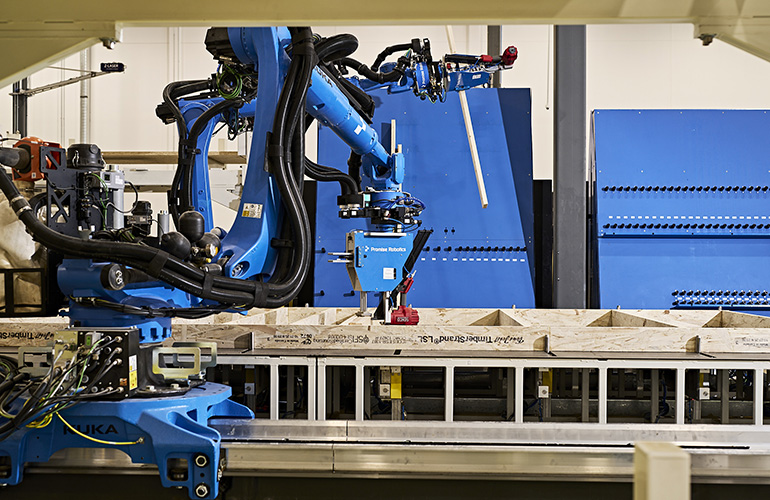
Promise Robotics partners with D.R. Horton on physical AI for homebuilding
Robotics Business Review·Oct 13, 2026

Promise Robotics partners with D.R. Horton on physical AI for homebuilding

Promise Robotics has partnered with D.R. Horton, the nation's largest homebuilder by volume, to deploy physical AI technology on construction sites. The multi-year agreement aims to bring automation and AI-powered systems to homebuilding operations.

AI & MLRobotics
ForConstructionPros·Oct 13, 2026

Put AI Takeoff Tools to the Test Before Trusting Them with Your Bids

Before adopting AI takeoff tools for bid preparation, contractors should run controlled tests to verify accuracy, traceability, and revision handling capabilities. A proper evaluation process ensures these systems produce reliable quantity data and identifies what level of human review is still needed before submitting bids.

AI & ML
Six Ways to Stress-Test Construction Technology
Construction Executive·Oct 13, 2026

Six Ways to Stress-Test Construction Technology

Construction technology needs to be tested under real-world conditions that match how contractors actually work on job sites. Proper stress-testing ensures systems perform reliably when deployed in the field.

AI & ML
Procore Blog·Oct 13, 2026

Procore Redefines the Common Data Environment with Connected Data and Agentic AI

Procore has enhanced its Common Data Environment (CDE) platform by integrating connected data and agentic AI capabilities to streamline construction project information management. The update aims to help construction teams access, organize, and act on project data more efficiently through AI-driven tools.

AI & ML
Executive Insights 2026: Leaders in Construction Accounting
Construction Executive·Oct 12, 2026

Executive Insights 2026: Leaders in Construction Accounting

Top construction accounting firm leaders share their perspectives on critical industry issues including artificial intelligence integration, work-in-progress reporting, and underbilling challenges. The insights provide practical guidance for construction professionals navigating evolving accounting practices and technology adoption in 2026.

AI & ML
Procore Blog·Oct 13, 2026

Procore Introduces New Suite of Portfolio Management and Capital Planning Capabilities for Owners, Powered by Procore AI

Procore launched new portfolio management and capital planning tools designed specifically for construction owners, with AI capabilities built into the platform. The suite helps owners better manage multiple projects and allocate resources more effectively across their portfolios.

AI & ML
Simulations Explain Fresh Cement Flow for 3D Printing
3D Printing Industry·Oct 12, 2026

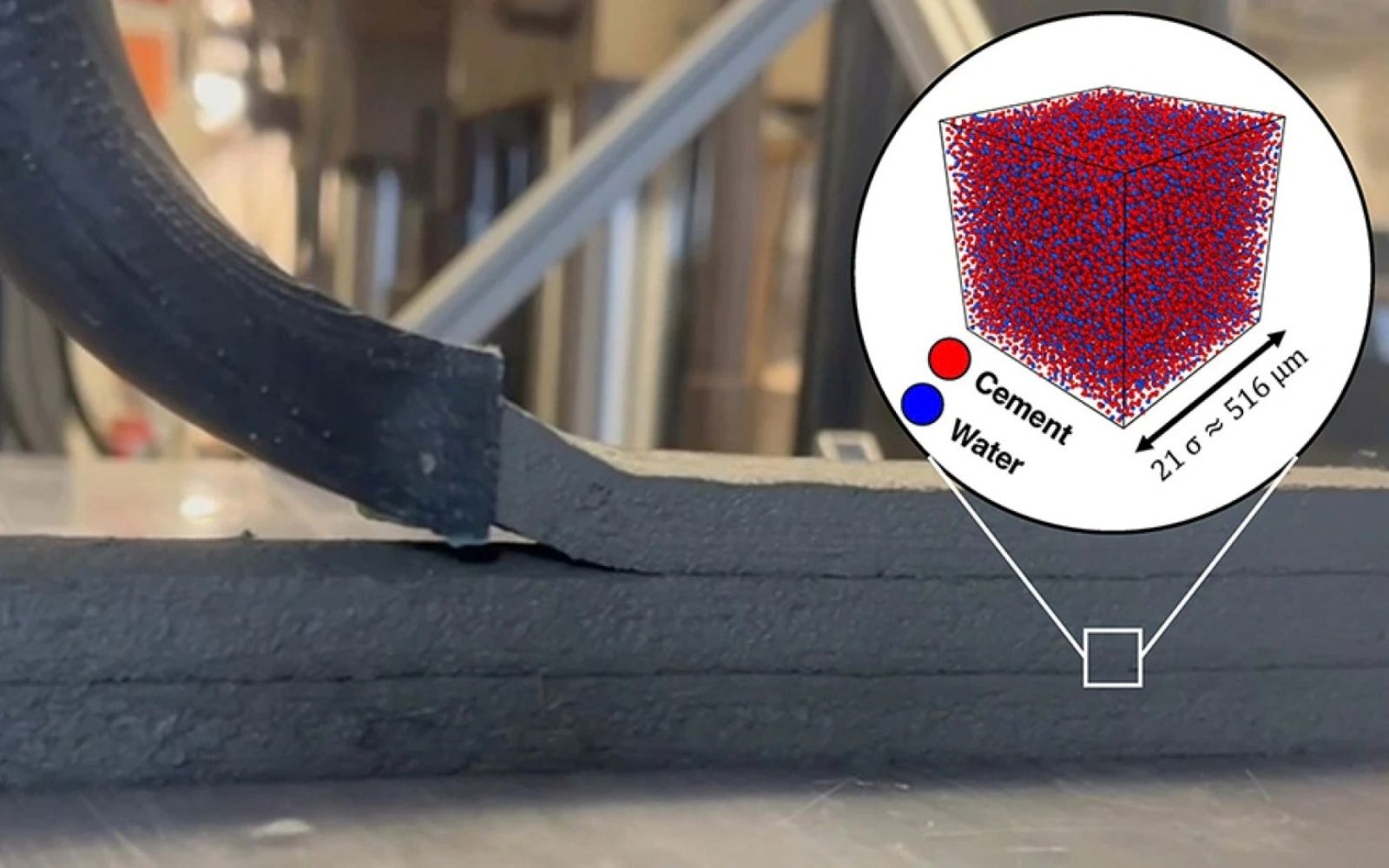
Simulations Explain Fresh Cement Flow for 3D Printing

Researchers at Northwestern University and The University of Alabama created a multiscale modeling framework that simulates how fresh cement paste flows during mixing, which is critical for controlling concrete quality in 3D printing applications. Understanding this flow behavior helps optimize concrete printability and structural performance in additive manufacturing processes.

3D PrintingAI & ML
Procore Blog·Oct 13, 2026

Procore Introduces Digital Coworker Packages, Expands AI Agent Library, and Previews Skills to Help Construction Teams Put AI to Work

Procore has launched digital coworker packages and expanded its AI agent library to help construction teams implement artificial intelligence on job sites. The company is also previewing a Skills feature designed to make AI tools more practical and accessible for construction professionals.

AI & MLWorkforce
Why dexterity is physical AI’s real bottleneck
Robotics Business Review·Oct 10, 2026

Why dexterity is physical AI’s real bottleneck

Robotic dexterity remains a critical hurdle in physical AI development, with advanced hand and arm capabilities still struggling in real-world applications. The industry must focus on making these systems reliable and consistent enough to perform actual construction work rather than just demonstrating isolated capabilities.

RoboticsAI & ML
WEEKLY DISPATCH
Proactive Safety Technology Protects Workers, Jobsites
Construction Executive·Oct 9, 2026

Proactive Safety Technology Protects Workers, Jobsites

ABC member contractors are implementing innovative technologies to improve worker safety on jobsites, including heat hydration monitoring and injury pattern detection systems. These proactive safety measures establish new standards for protecting workers while reducing incidents through data-driven insights.

SafetyAI & ML
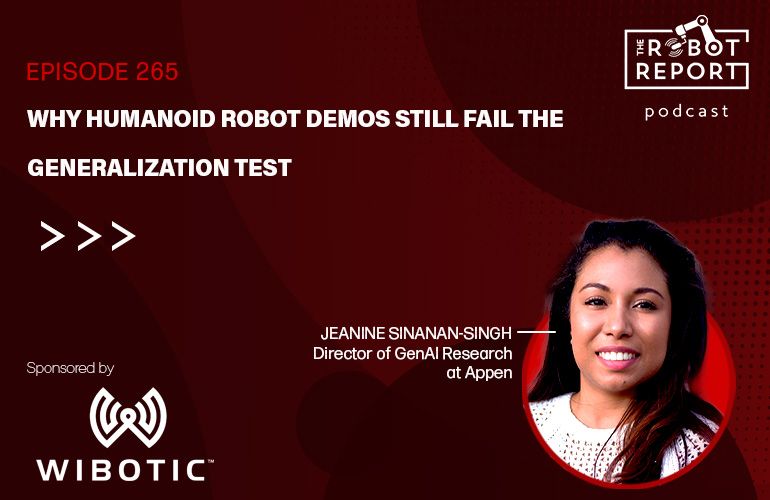
Why humanoid robot demos still fail the generalization test
Robotics Business Review·Oct 9, 2026

Why humanoid robot demos still fail the generalization test

Humanoid robots can perform impressive demonstrations but struggle to adapt when conditions change in real-world construction environments. Improving training data quality and incorporating human judgment are key steps to making these robots reliable for actual jobsite work.

RoboticsAI & ML
ForConstructionPros·Oct 9, 2026

Construction’s Financial Blind Spots Are Costing Contractors Time and Money

Contractors are losing time and money due to poor financial visibility, often caused by manual data entry and disconnected systems. AI and automated reporting tools are helping firms streamline workflows and gain better control over their financial operations.

AI & ML
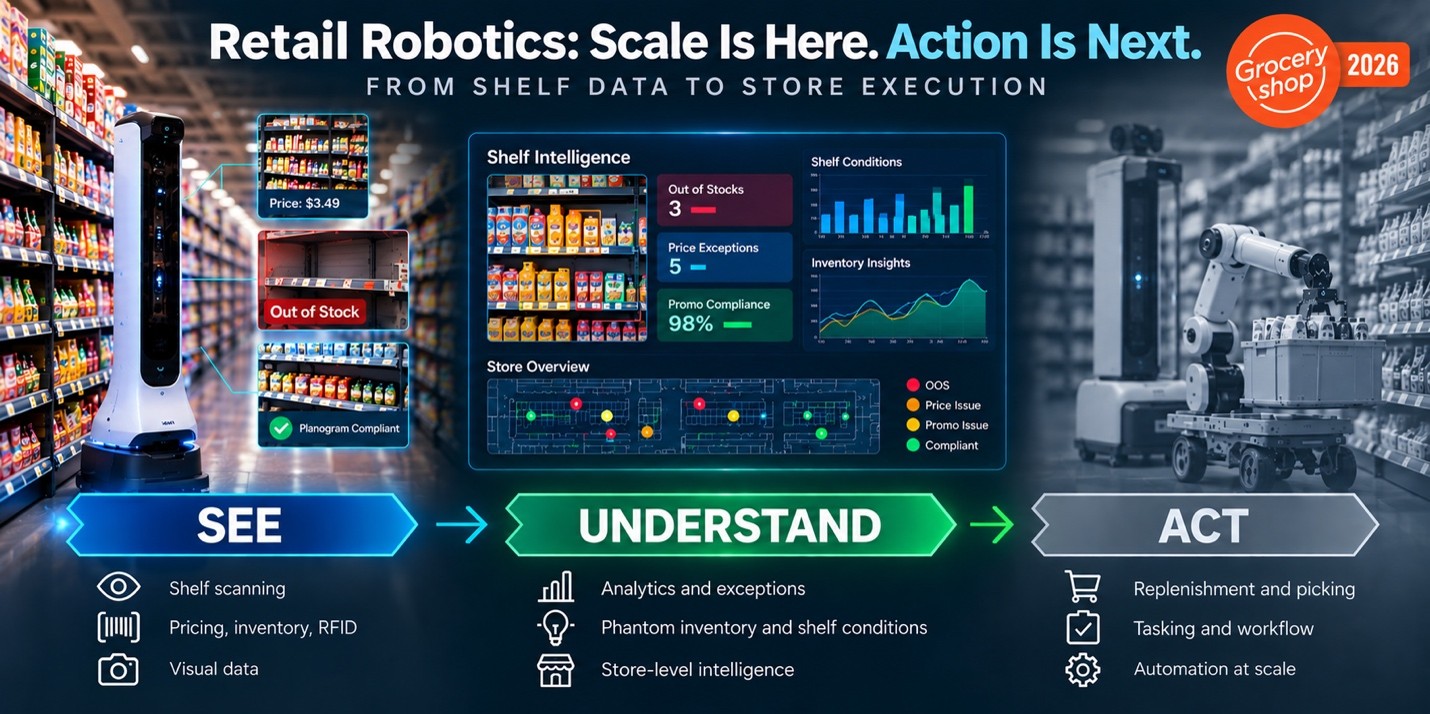
Groceryshop 2026 shows that retail robots are ready to scale, use AI
Robotics Business Review·Oct 9, 2026

Groceryshop 2026 shows that retail robots are ready to scale, use AI

Groceryshop 2026 demonstrated that retail automation technology, including mobile inventory robots powered by AI, has matured enough for widespread commercial deployment. The event showcased how robotics and artificial intelligence are transforming retail operations at scale.

RoboticsAI & ML
WEEKLY DISPATCH
Construction Firms Are Investing in AI—But Are They Actually AI-Ready?
Construction Executive·Oct 9, 2026

Construction Firms Are Investing in AI—But Are They Actually AI-Ready?

Construction firms are pouring money into AI investments, but many lack the organizational readiness to actually implement and benefit from the technology effectively. The Wipfli 2026 survey reveals a gap between AI spending and genuine preparedness across the industry.

AI & MLWorkforce