AllAI & MLRoboticsAutonomy3D PrintingElectrificationSafetyWorkforceMaterialsEDITOR'S PICKWEEKLY DISPATCH
Category

AI & Machine Learning

Artificial intelligence, machine learning, BIM, digital twins, predictive analytics, and data platforms in construction.

514 stories found

The construction industry's transition from AI pilot projects to operational deployment has reached an inflection point, driven simultaneously by labor scarcity and demonstrated technical viability. What distinguishes this moment is not the emergence of new AI capabilities—computer vision, predictive analytics, and autonomous decision-making have matured considerably—but rather the industry's willingness to integrate these tools into mission-critical workflows across estimation, scheduling, and jobsite execution. Suffolk's deployment of OpenSpace, Dusty Robotics, Kaya AI, and Alice Technologies on Gilead's California research center exemplifies this operational maturity, as does MasTec's adoption of Gritt's physical AI for solar construction execution. Meanwhile, the competitive consolidation in takeoff and estimation continues, with ConstructConnect's Project Intelligence and advanced mechanical takeoff platforms now competing on accuracy and integration rather than novelty. The real differentiator has shifted decisively toward organizational capability—firms like Mycon, which elevated technology leadership into the C-suite, recognize that AI deployment demands simultaneous competency in data governance, cybersecurity, workforce training, and regulatory compliance. Construction executives can no longer treat AI as a procurement decision; it demands the same strategic rigor and cross-functional alignment as capital investment or labor planning.

The robotics frontier has simultaneously accelerated and clarified, with technical breakthroughs resolving the programming barrier that historically constrained factory floor automation. Siemens and AGIBOT's demonstration of AI agents that design 3D-printed robot grippers from text prompts, combined with UC Berkeley and NVIDIA's open-source tools enabling machines to automatically write industrial robot programs, have obliterated the assumption that robotics requires specialized programming expertise. Humyn Labs' $47 million funding round to systematize real-world operational data collection signals that the industry recognizes embodied AI as the next frontier, one where robots generalize across tasks rather than operating within narrow, pre-programmed constraints. Yet construction remains in early adoption precisely because regulatory uncertainty, data sovereignty concerns, and the need for standardized infrastructure outweigh technical enablement. The manufacturing data gap—inadequate industrial data collection, weak interoperability standards, and poor feedback loops—represents the genuine constraint on physical AI deployment, not algorithm sophistication.

The workforce awareness and capability gap remains construction's most decisive strategic vulnerability. Only 59 percent of young people recognize that construction already operates with AI, undermining recruitment into the technical roles the industry increasingly demands, while most construction firms have not scaled AI adoption beyond isolated pilots due to implementation barriers and skills deficiencies. The path forward requires construction organizations to treat AI integration as organizational transformation: embedding technology leadership in management structures, investing systematically in workforce education about AI tool validation, and maintaining digital visibility across discovery systems. Firms that invest in the organizational discipline, talent development, and regulatory acumen required to deploy AI effectively at scale—rather than those that simply purchase the latest platforms—are establishing competitive advantages that transcend individual technology choices. Construction is no longer deliberating whether to adopt AI; it is determining whether it will invest the structural, cultural, and human capital necessary to deploy these tools with strategic coherence across operations.
Trimble Expands Risk Intelligence Capabilities to Include Construction Drawings
Trimble Constructible·Oct 21, 2026

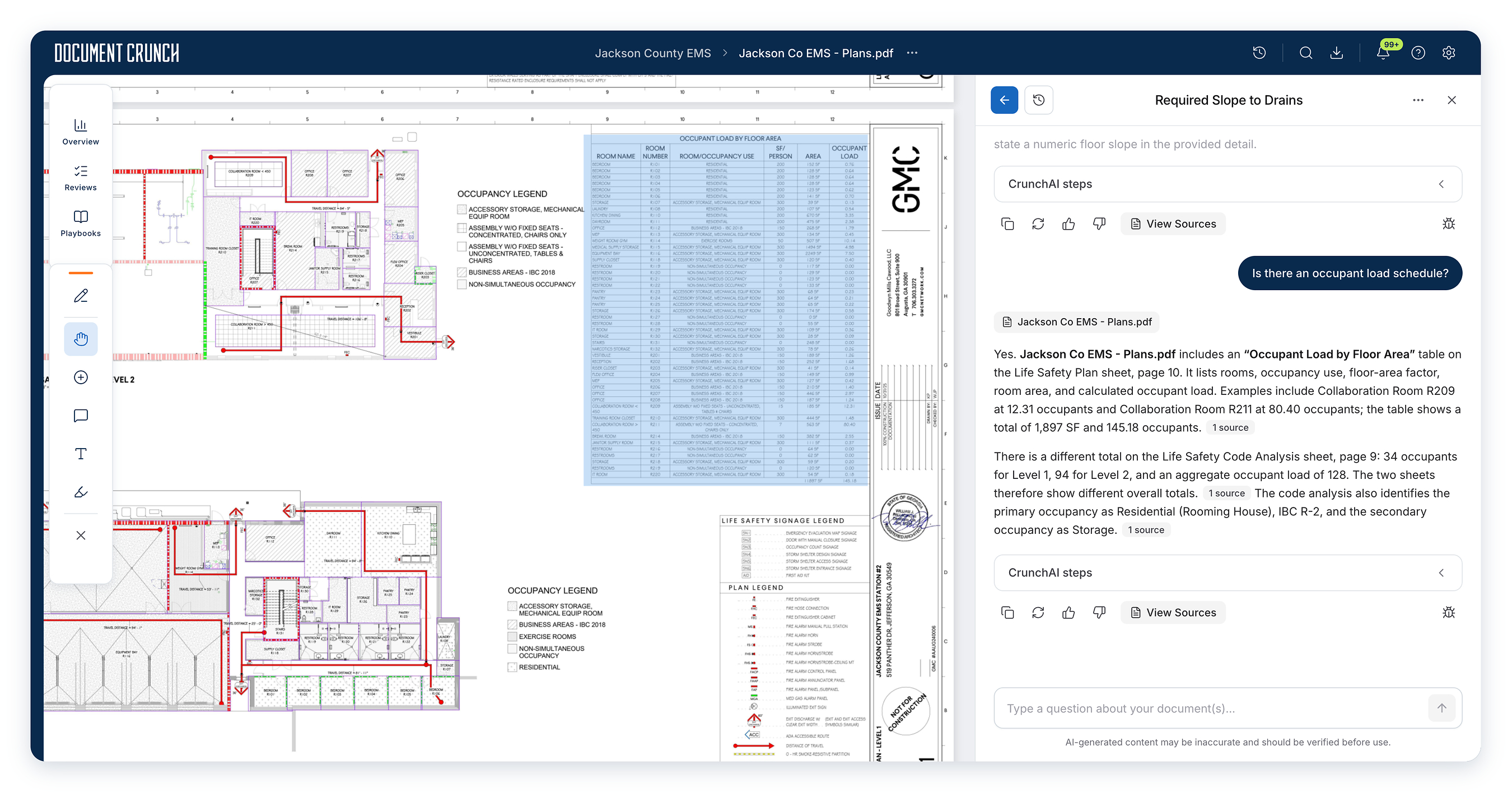
Trimble Expands Risk Intelligence Capabilities to Include Construction Drawings

Trimble has upgraded its risk intelligence platform to analyze construction drawings, enabling crews to identify potential hazards and safety issues earlier in the planning phase. The expanded capability helps construction teams mitigate risks before work begins on site.

AI & MLSafety
RoboBusiness rebrands as Robotics Summit & Expo West
Robotics Business Review·Oct 20, 2026

RoboBusiness rebrands as Robotics Summit & Expo West

RoboBusiness has rebranded as Robotics Summit & Expo West to emphasize practical deployment of robotics and AI technology in real-world applications. The West Coast event now complements the flagship East Coast Robotics Summit & Expo.

RoboticsAI & ML
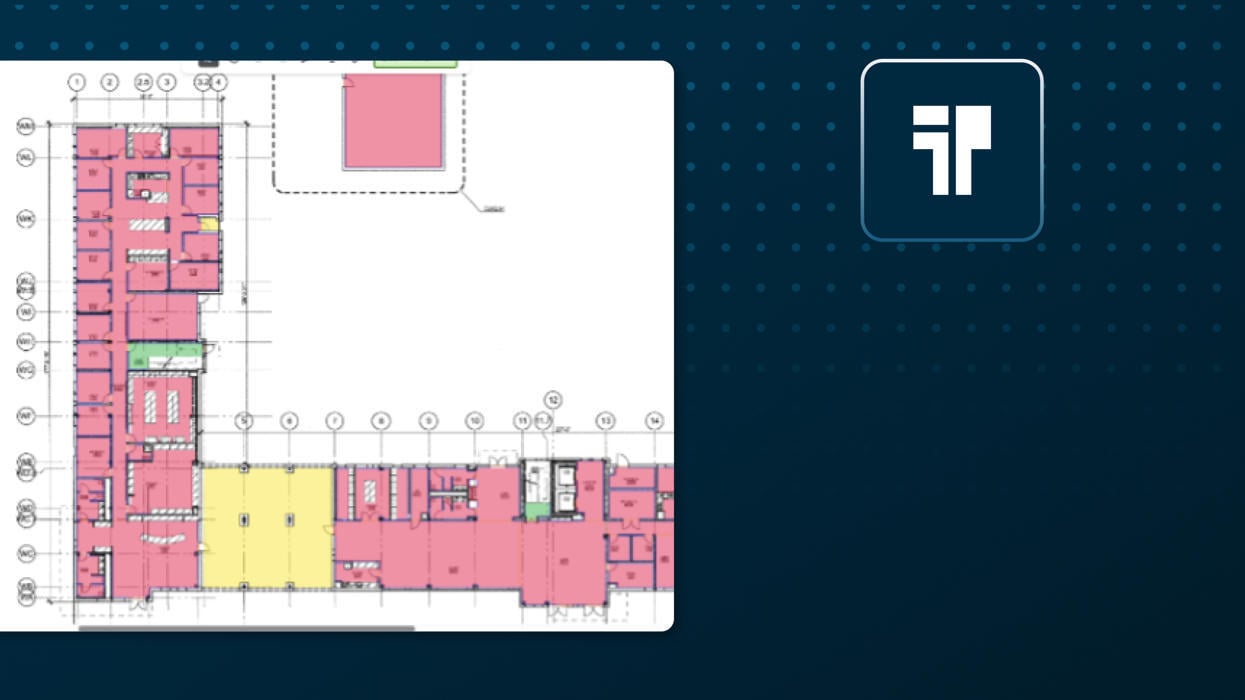
Take the Grind Out of Flooring Takeoff - Advanced Auto Takeoff for Flooring
ConstructConnect·Oct 20, 2026

Take the Grind Out of Flooring Takeoff - Advanced Auto Takeoff for Flooring

Advanced auto takeoff software streamlines flooring material estimates by automating the measurement and calculation process from plans or site data. This technology reduces manual takeoff time and minimizes errors, helping contractors bid jobs faster and more accurately.

AI & ML
Digital Builder Ep 155: How AI Is Helping Construction Teams Turn Data Into Better Decisions
Autodesk Construction Cloud Blog·Oct 20, 2026

Digital Builder Ep 155: How AI Is Helping Construction Teams Turn Data Into Better Decisions

Construction projects generate vast amounts of data from emails, BIM models, and job site footage, but teams struggle to convert this information into actionable insights. Hawaiian Dredging Construction Company's Director of Construction Technology discusses how AI is helping teams make better decisions by turning raw data into meaningful intelligence.

AI & ML
Avenda Health expands Unfold AI platform to support intraoperative prostate cancer care
Robotics Business Review·Oct 20, 2026

Avenda Health expands Unfold AI platform to support intraoperative prostate cancer care

Avenda Health has added Surgery Mode to its Unfold AI platform, which generates patient-specific 3D maps to improve visualization of cancer anatomy during robotic prostate procedures. The enhancement aims to give surgeons better intraoperative guidance and decision-making capabilities during minimally invasive robotic surgery.

AI & MLRobotics
New California laws place limits on employers’ use of AI
Safety+Health Magazine·Oct 19, 2026

New California laws place limits on employers’ use of AI

California has enacted two new laws that restrict employers from using AI to monitor workers' neural and emotional data or to make automated firing decisions. Construction companies operating in California will need to review their AI monitoring practices to ensure compliance with these regulations.

AI & MLWorkforce
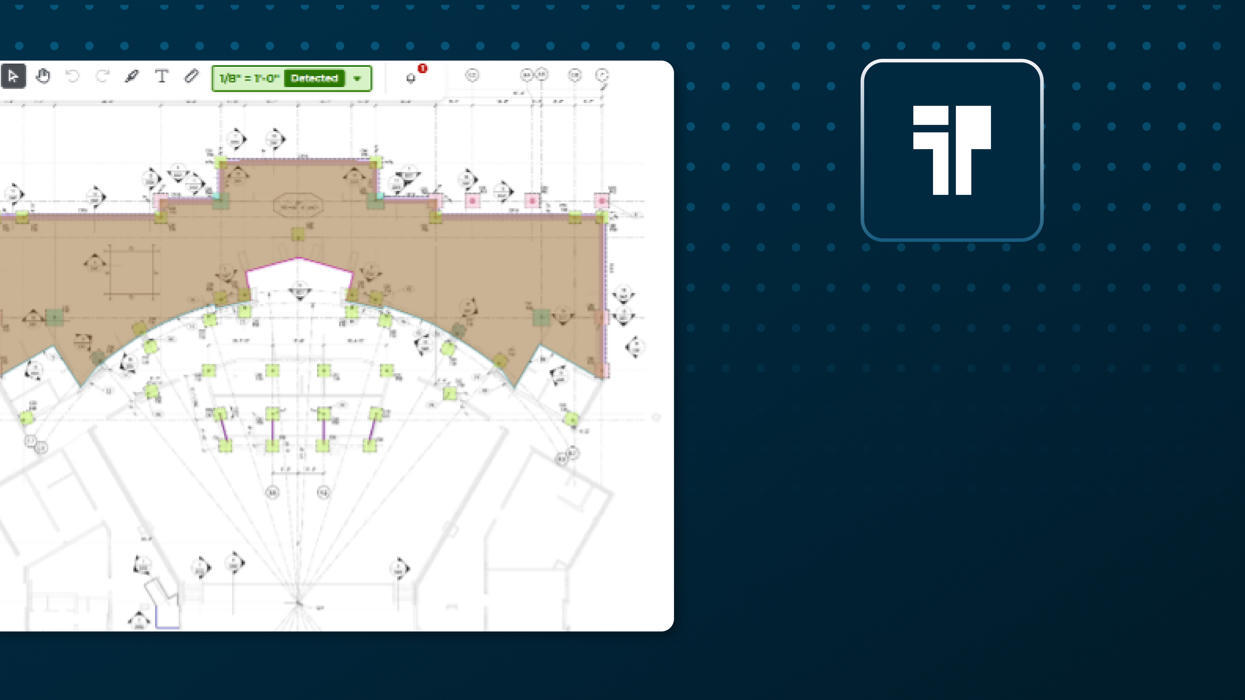
Turn Complex Plans into a Faster First Takeoff - Advanced Auto Takeoff for Concrete
ConstructConnect·Oct 19, 2026

Turn Complex Plans into a Faster First Takeoff - Advanced Auto Takeoff for Concrete

Advanced auto takeoff technology streamlines the process of converting complex construction plans into accurate material estimates and project schedules. This automation reduces manual planning time and accelerates project startup by eliminating tedious manual takeoff work for concrete projects.

AI & MLWorkforce
Unleash AI Innovation: The Power of NVIDIA RTX PRO 6000 Blackwell Workstation Edition Fueled by PNY-Supplied GPUs
Robotics Business Review·Oct 19, 2026

Unleash AI Innovation: The Power of NVIDIA RTX PRO 6000 Blackwell Workstation Edition Fueled by PNY-Supplied GPUs

NVIDIA's RTX PRO 6000 Blackwell GPU, supplied by PNY, delivers powerful computing capabilities for AI-driven robotics systems used in construction and industrial applications. As robotic equipment becomes faster and more precise, advanced interconnect technology is essential to support the growing demands of AI vision and autonomous control systems.

AI & MLRobotics
Starting Conceptual Design in BIM: How Teams Skip the Blank File Phase
Autodesk Construction Cloud Blog·Oct 19, 2026

Starting Conceptual Design in BIM: How Teams Skip the Blank File Phase

Most projects delay BIM modeling until after design decisions are finalized, leaving conceptual work to sketches and rendering software. Teams can streamline the process by starting building information modeling earlier to explore massing and major design moves within the model itself.

AI & ML
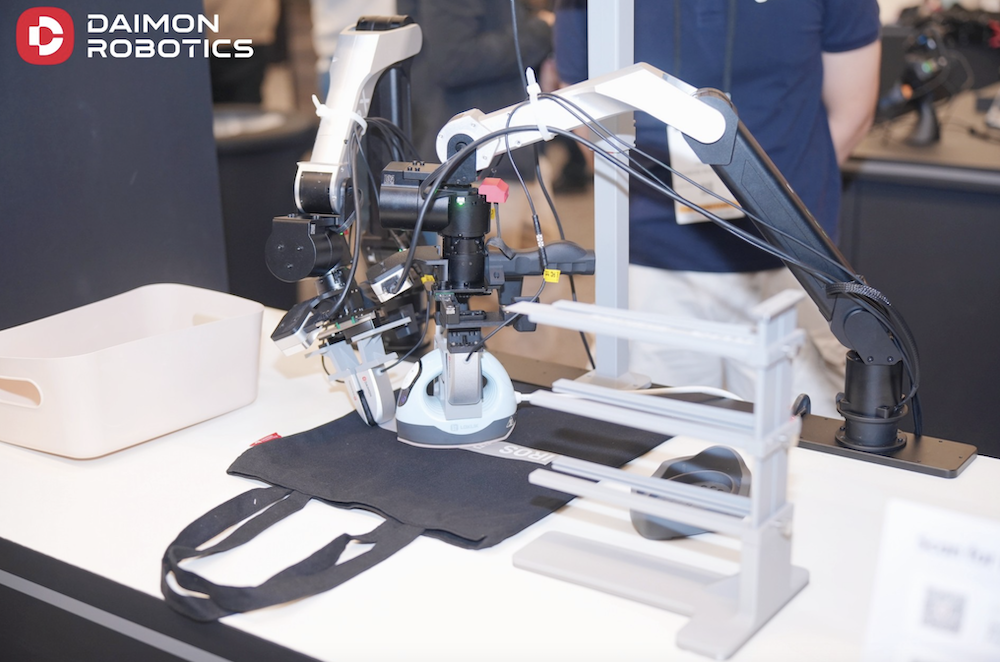
Daimon Robotics building the infrastructure layer for tactile intelligence
Robotics Business Review·Oct 19, 2026

Daimon Robotics building the infrastructure layer for tactile intelligence

Daimon Robotics is developing technology that combines tactile sensing, real-world data, simulation, and AI to enable robots to perform physical construction tasks with greater reliability. The infrastructure approach integrates touch feedback and machine learning to improve how robots handle the unpredictable conditions found on job sites.

RoboticsAI & ML
$500m Jiuquan aerospace project plans 100 3D printers and 6,300 tonnes of annual metal powder capacity
3D Printing Industry·Oct 19, 2026

$500m Jiuquan aerospace project plans 100 3D printers and 6,300 tonnes of annual metal powder capacity

Jiuquan City in Gansu Province, China is tendering a $500 million commercial aerospace manufacturing plant that will operate 100 3D printers and produce 6,300 tonnes of metal powder annually. The facility combines AI design with metal additive manufacturing to streamline aerospace component production.

3D PrintingAI & ML
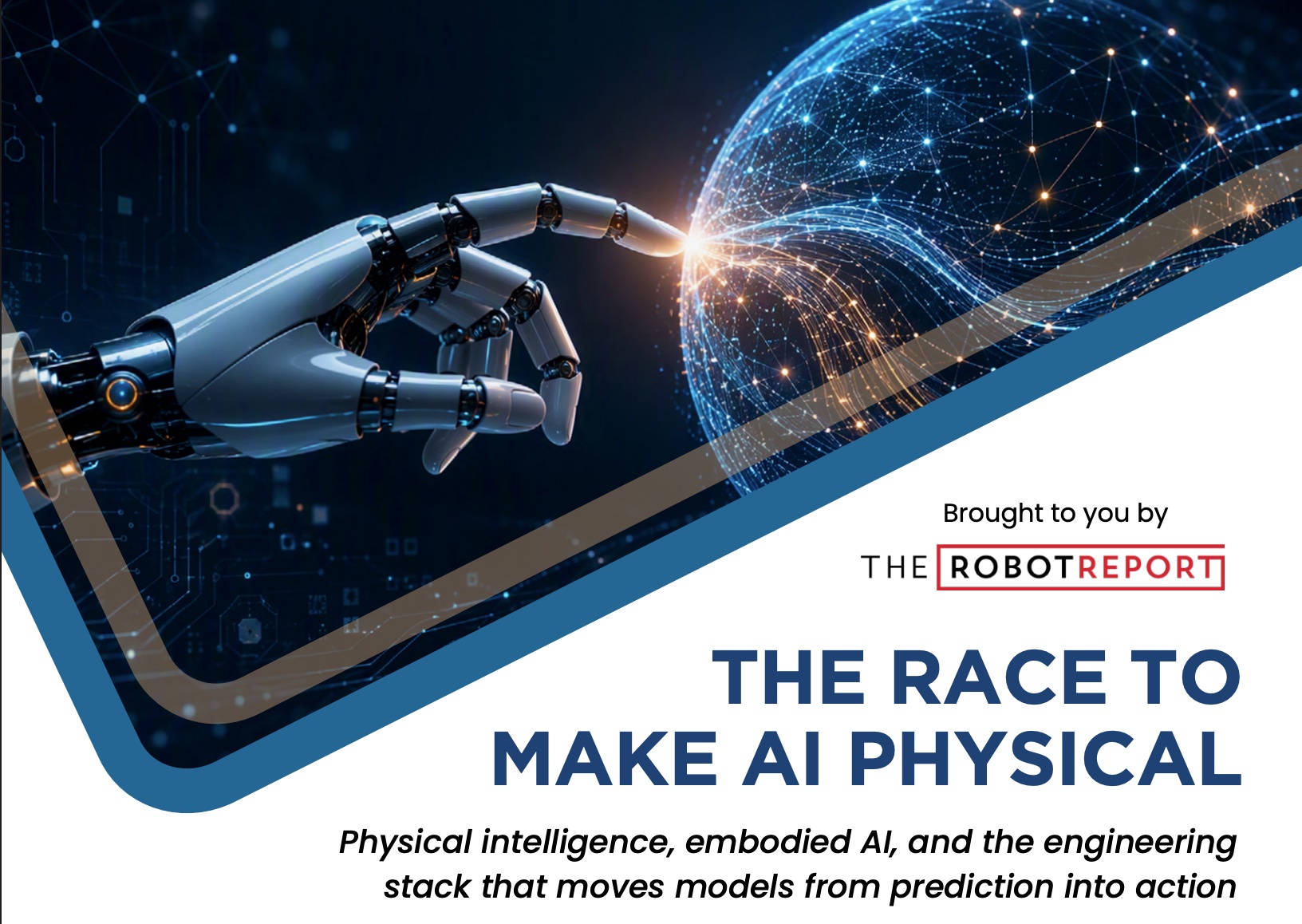
ADI explains the race to make AI physical
Robotics Business Review·Oct 17, 2026

ADI explains the race to make AI physical

ADI has released a whitepaper addressing how to transition artificial intelligence from experimental settings into working construction equipment and machinery. The document outlines the practical challenges and business opportunities involved in deploying physical AI systems at job sites.

AI & MLRobotics
Stop Starting from a Blank Page - Auto Takeoff for Exterior Elevations
ConstructConnect·Oct 16, 2026

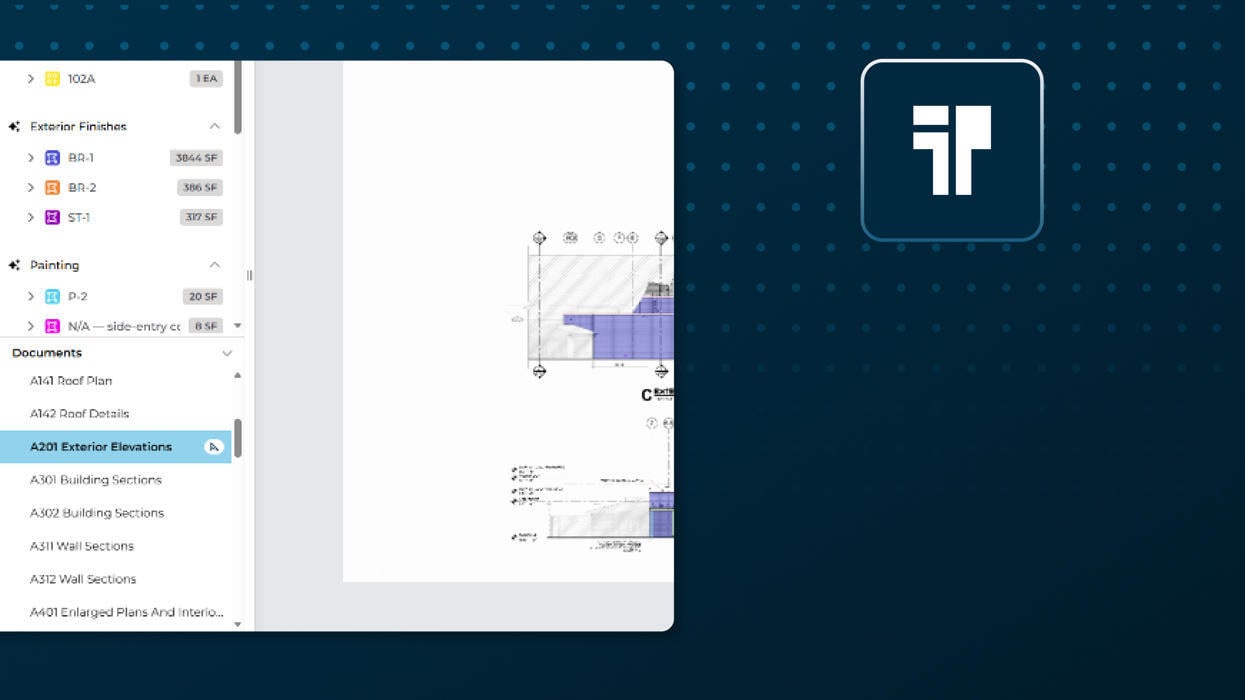
Stop Starting from a Blank Page - Auto Takeoff for Exterior Elevations

A new tool automates the creation of exterior elevation drawings, eliminating the need to start design work from scratch. This capability streamlines the initial design phase and speeds up project documentation for construction teams.

AI & MLAutonomy
WEEKLY DISPATCH
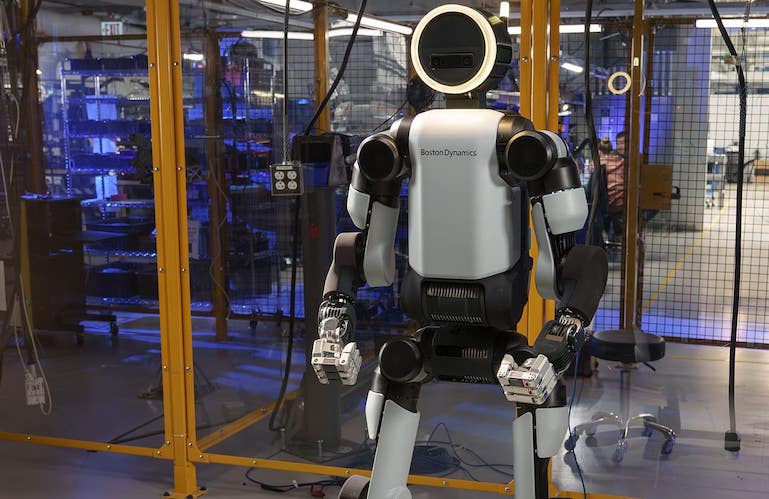
The rise of the machines is canceled: Why humanoids with AI are helpers, not enemies
Robotics Business Review·Oct 17, 2026

The rise of the machines is canceled: Why humanoids with AI are helpers, not enemies

Humanoid robots with AI are being developed as tools to assist workers rather than replace them, with humans maintaining control through active involvement in training and deployment. The technology represents a collaborative future where machines support construction operations under human oversight.

RoboticsAI & ML
Equipment World·Oct 16, 2026

Sokkia Expands Surveying Lineup With New GNSS, Scanning and Total Stations

Sokkia, a Topcon subsidiary, introduced six new surveying instruments including GNSS receivers, scanning equipment, and total stations designed to streamline field-to-office workflows. The new GCX5, GRX7, SRS1, SRS2, iM-60, and iM-120 models integrate field data directly with CAD and BIM software for improved project coordination.

AI & ML
WEEKLY DISPATCH
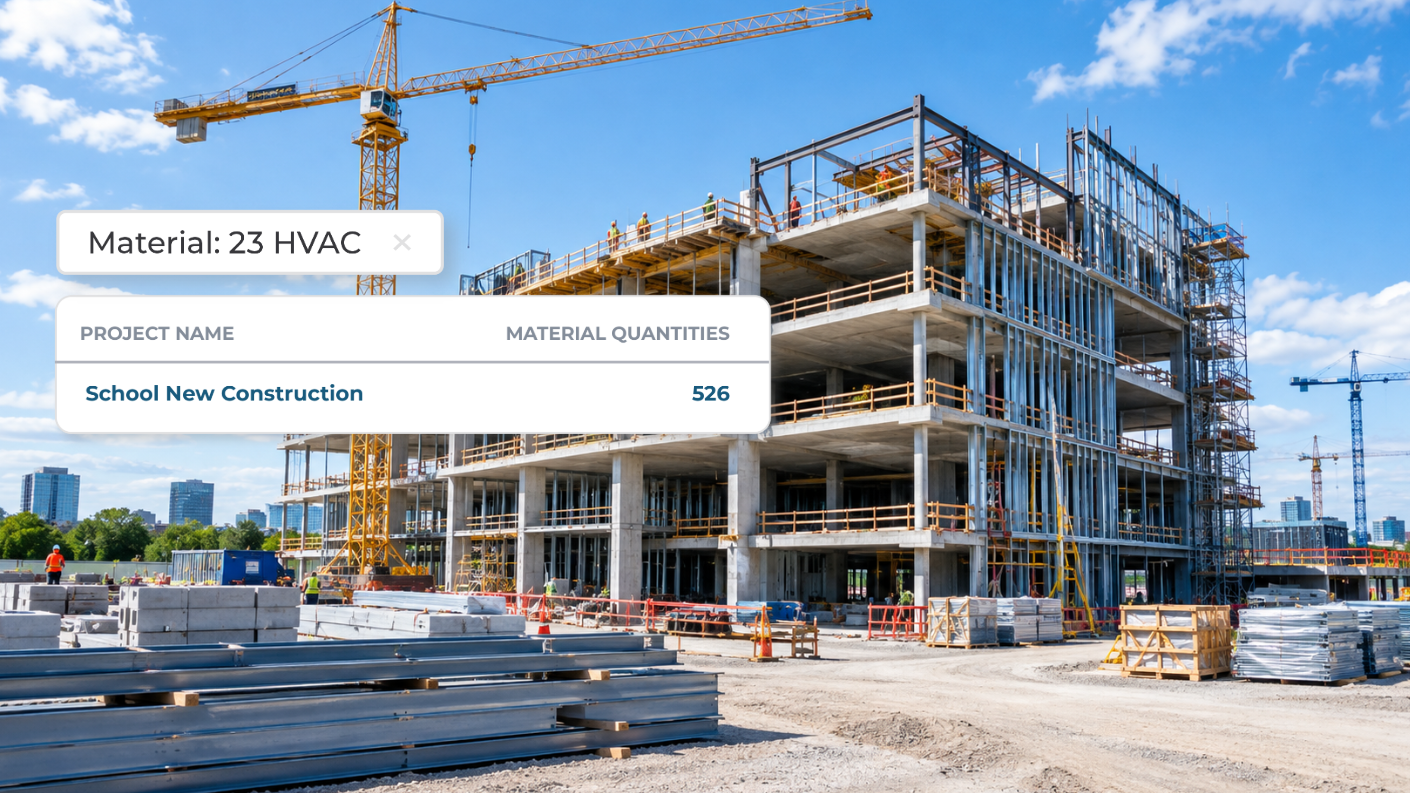
Introducing Material Intelligence in ConstructConnect® Project Intelligence: Find Projects by Material Quantities
ConstructConnect·Oct 16, 2026

Introducing Material Intelligence in ConstructConnect® Project Intelligence: Find Projects by Material Quantities

ConstructConnect® Project Intelligence has launched Material Intelligence, a new beta feature that lets construction teams search for projects based on specific material quantities pulled directly from project plans. Three new search filters help users narrow down project opportunities that match their material needs and inventory.

AI & ML
WEEKLY DISPATCH
ForConstructionPros·Oct 16, 2026

Using Intelligent Compaction Data as a Quality-Control Shield

Intelligent Compaction (IC) technology collects real-time data during soil compaction work that provides objective proof of quality to inspectors and clients. This data-driven approach builds confidence in construction work integrity and helps contractors establish their reputation for reliable workmanship.

AI & ML
WEEKLY DISPATCH
ForConstructionPros·Oct 15, 2026

AI in Construction: Building Capacity, Not Replacing Workers

AI adoption in construction is driven by labor shortages, cost pressures, and tight schedules rather than workforce replacement. The technology focuses on building capacity and improving efficiency within existing operational constraints.

AI & MLWorkforce