AllAI & MLRoboticsAutonomy3D PrintingElectrificationSafetyWorkforceMaterialsEDITOR'S PICKWEEKLY DISPATCH
Category

AI & Machine Learning

Artificial intelligence, machine learning, BIM, digital twins, predictive analytics, and data platforms in construction.

514 stories found

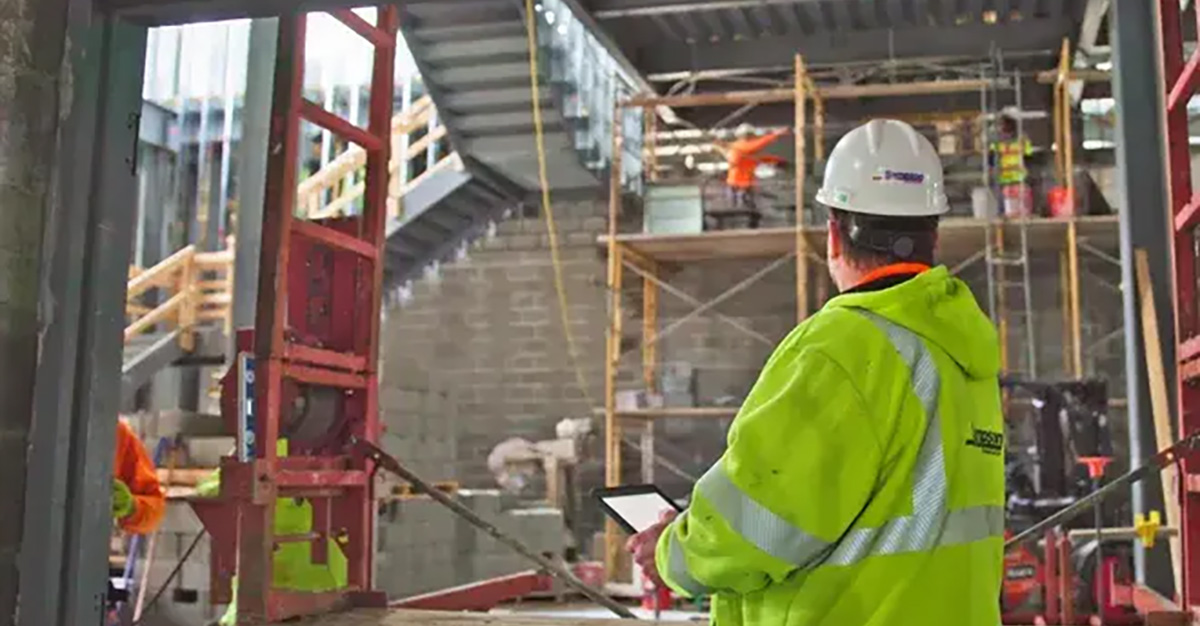
The construction industry's transition from AI pilot projects to operational deployment has reached an inflection point, driven simultaneously by labor scarcity and demonstrated technical viability. What distinguishes this moment is not the emergence of new AI capabilities—computer vision, predictive analytics, and autonomous decision-making have matured considerably—but rather the industry's willingness to integrate these tools into mission-critical workflows across estimation, scheduling, and jobsite execution. Suffolk's deployment of OpenSpace, Dusty Robotics, Kaya AI, and Alice Technologies on Gilead's California research center exemplifies this operational maturity, as does MasTec's adoption of Gritt's physical AI for solar construction execution. Meanwhile, the competitive consolidation in takeoff and estimation continues, with ConstructConnect's Project Intelligence and advanced mechanical takeoff platforms now competing on accuracy and integration rather than novelty. The real differentiator has shifted decisively toward organizational capability—firms like Mycon, which elevated technology leadership into the C-suite, recognize that AI deployment demands simultaneous competency in data governance, cybersecurity, workforce training, and regulatory compliance. Construction executives can no longer treat AI as a procurement decision; it demands the same strategic rigor and cross-functional alignment as capital investment or labor planning.

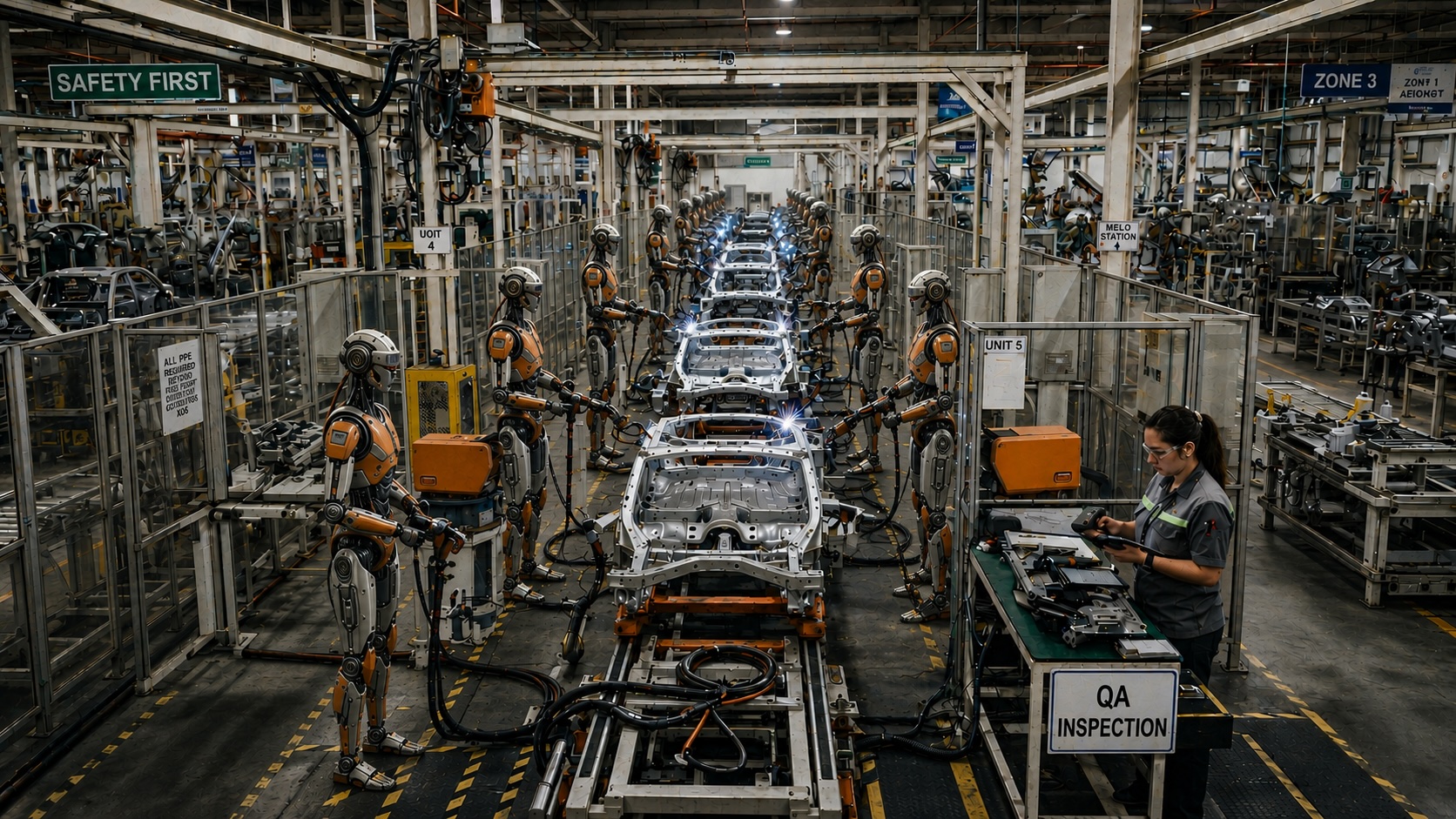
The robotics frontier has simultaneously accelerated and clarified, with technical breakthroughs resolving the programming barrier that historically constrained factory floor automation. Siemens and AGIBOT's demonstration of AI agents that design 3D-printed robot grippers from text prompts, combined with UC Berkeley and NVIDIA's open-source tools enabling machines to automatically write industrial robot programs, have obliterated the assumption that robotics requires specialized programming expertise. Humyn Labs' $47 million funding round to systematize real-world operational data collection signals that the industry recognizes embodied AI as the next frontier, one where robots generalize across tasks rather than operating within narrow, pre-programmed constraints. Yet construction remains in early adoption precisely because regulatory uncertainty, data sovereignty concerns, and the need for standardized infrastructure outweigh technical enablement. The manufacturing data gap—inadequate industrial data collection, weak interoperability standards, and poor feedback loops—represents the genuine constraint on physical AI deployment, not algorithm sophistication.

The workforce awareness and capability gap remains construction's most decisive strategic vulnerability. Only 59 percent of young people recognize that construction already operates with AI, undermining recruitment into the technical roles the industry increasingly demands, while most construction firms have not scaled AI adoption beyond isolated pilots due to implementation barriers and skills deficiencies. The path forward requires construction organizations to treat AI integration as organizational transformation: embedding technology leadership in management structures, investing systematically in workforce education about AI tool validation, and maintaining digital visibility across discovery systems. Firms that invest in the organizational discipline, talent development, and regulatory acumen required to deploy AI effectively at scale—rather than those that simply purchase the latest platforms—are establishing competitive advantages that transcend individual technology choices. Construction is no longer deliberating whether to adopt AI; it is determining whether it will invest the structural, cultural, and human capital necessary to deploy these tools with strategic coherence across operations.
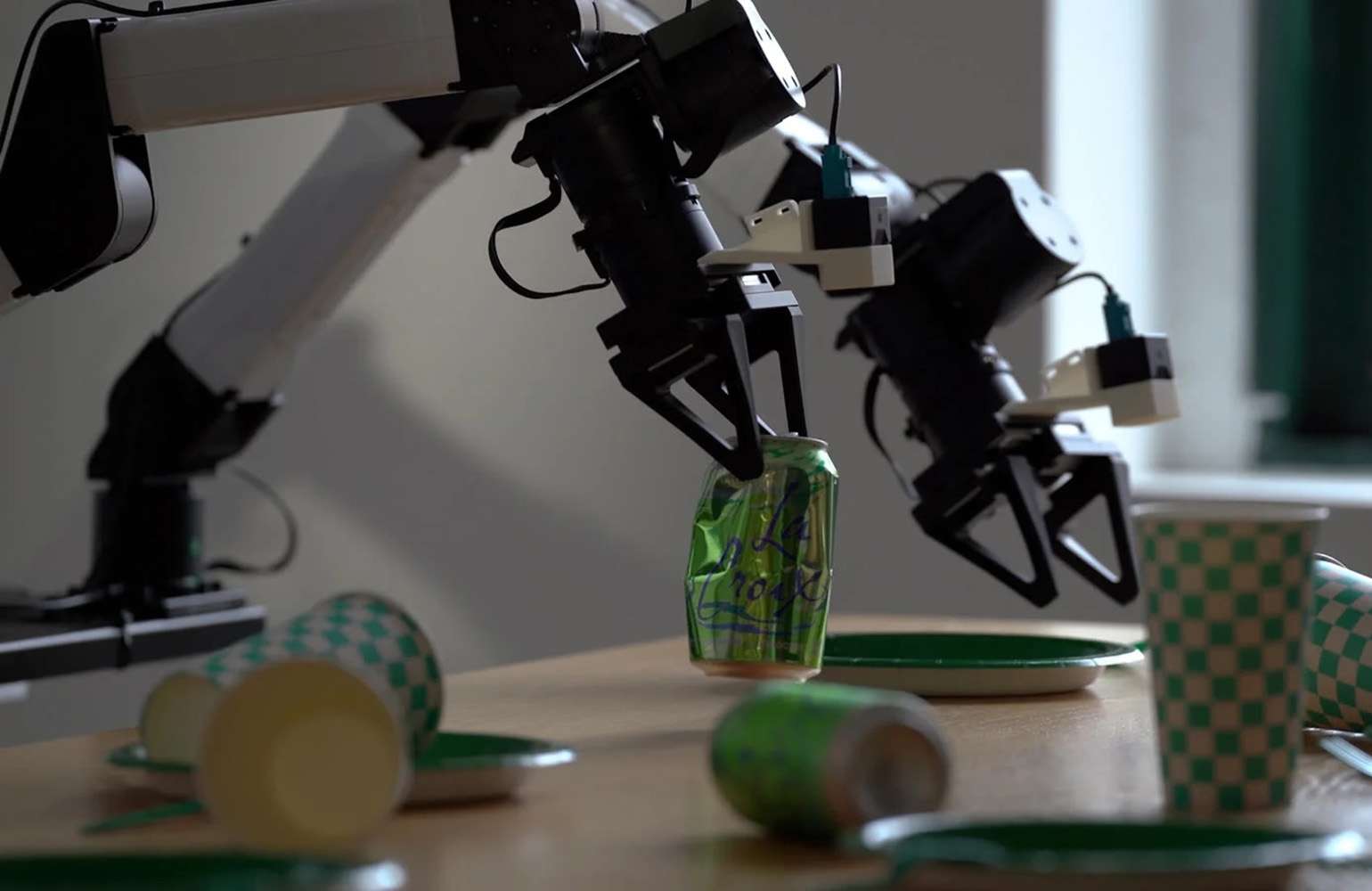
Runway introduces Praxis-1 world action model for robotics
Robotics Business Review·Oct 2, 2026

Runway introduces Praxis-1 world action model for robotics

Runway has developed Praxis-1, a world action model designed to enable robots to understand and execute real-world construction and industrial tasks. The company plans to release the model with open weights, making the technology broadly accessible to robotics developers and construction equipment manufacturers.

AI & MLRobotics
Design Review Platform Buildcheck Raises $12M, DPR/WND Among Backers
ENR Construction Technology·Oct 1, 2026

Design Review Platform Buildcheck Raises $12M, DPR/WND Among Backers

Buildcheck secured $12 million in funding to advance its AI-powered design review platform, with backing from DPR Construction's venture arm WND Ventures. The funding will support further development of the platform's artificial intelligence capabilities for construction design workflows.

AI & ML
Turning Hype Into ROI: Practical AI Applications for Midsized Contractors
Construction Executive·Oct 1, 2026

Turning Hype Into ROI: Practical AI Applications for Midsized Contractors

The global AI adoption market is projected to reach nearly $40 billion within eight years, with North America capturing close to half of that growth. Midsized contractors can leverage practical AI applications to convert market hype into measurable return on investment.

AI & ML
Construction’s AI Future Will Be Built on Jobsites
ENR Construction Technology·Oct 1, 2026

Construction’s AI Future Will Be Built on Jobsites

Construction faces mounting pressure from complex projects, rising costs, and compressed schedules while stakeholders demand better certainty, quality, and value. AI adoption on jobsites will be critical to addressing these challenges and improving project outcomes.

AI & ML
The Robot Report parent Arrowfly launches AI for Engineers platform, events for engineers navigating AI
Robotics Business Review·Sep 30, 2026

The Robot Report parent Arrowfly launches AI for Engineers platform, events for engineers navigating AI

Arrowfly, parent company of The Robot Report, is launching a new AI for Engineers platform designed to help construction and engineering professionals understand and navigate artificial intelligence. The initiative includes a news desk, conference, research resources, and advisory board to support engineers adopting AI tools.

AI & MLWorkforce
OSU Team Adds In-Situ Sensing to Multi-Head Composite 3D Printing Platform
3D Printing Industry·Sep 30, 2026

OSU Team Adds In-Situ Sensing to Multi-Head Composite 3D Printing Platform

Oklahoma State University and Mississippi State University are developing a 3D printer that simultaneously deposits continuous fiber and polymer while using machine learning to monitor part quality in real time. The NSF-funded project combines multi-material additive manufacturing with AI-powered quality control to improve composite part production.

3D PrintingAI & ML
Innodata opens motion-capture lab to help humanoids move more like people
Robotics Business Review·Sep 30, 2026

Innodata opens motion-capture lab to help humanoids move more like people

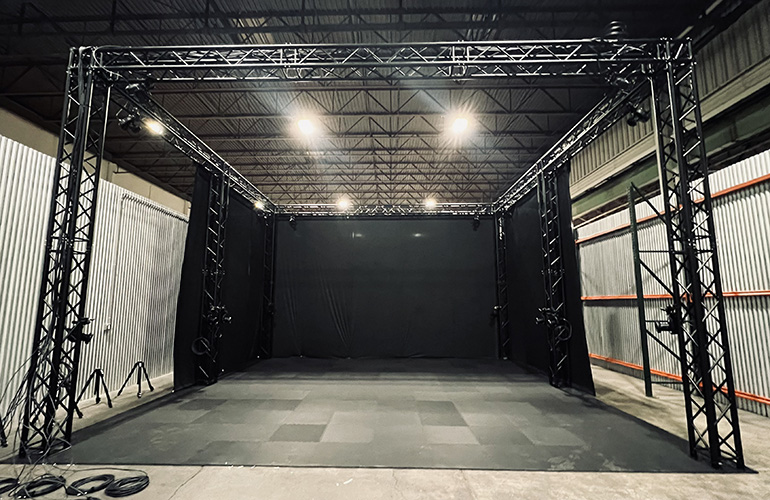
Innodata has launched a motion-capture lab using Vicon cameras to record human movements with sub-millimeter precision, creating training data for humanoid robots. The technology will help robots move more naturally and realistically, potentially improving their performance on construction sites.

RoboticsAI & ML
The 5 Best AI Prompts for Reviewing Construction Specs and Bid Docs in 2027
ConstructConnect·Sep 29, 2026

The 5 Best AI Prompts for Reviewing Construction Specs and Bid Docs in 2027

AI prompts can help construction teams quickly identify red flags, ambiguities, and risks in specs and bid documents while drafting RFI questions and checking compliance. Human estimators and licensed professionals remain essential since AI flags potential issues but cannot replace expert judgment in final review.

AI & ML
September Autodesk Forma Construction Releases – Built for What’s Next
Autodesk Construction Cloud Blog·Sep 29, 2026

September Autodesk Forma Construction Releases – Built for What’s Next

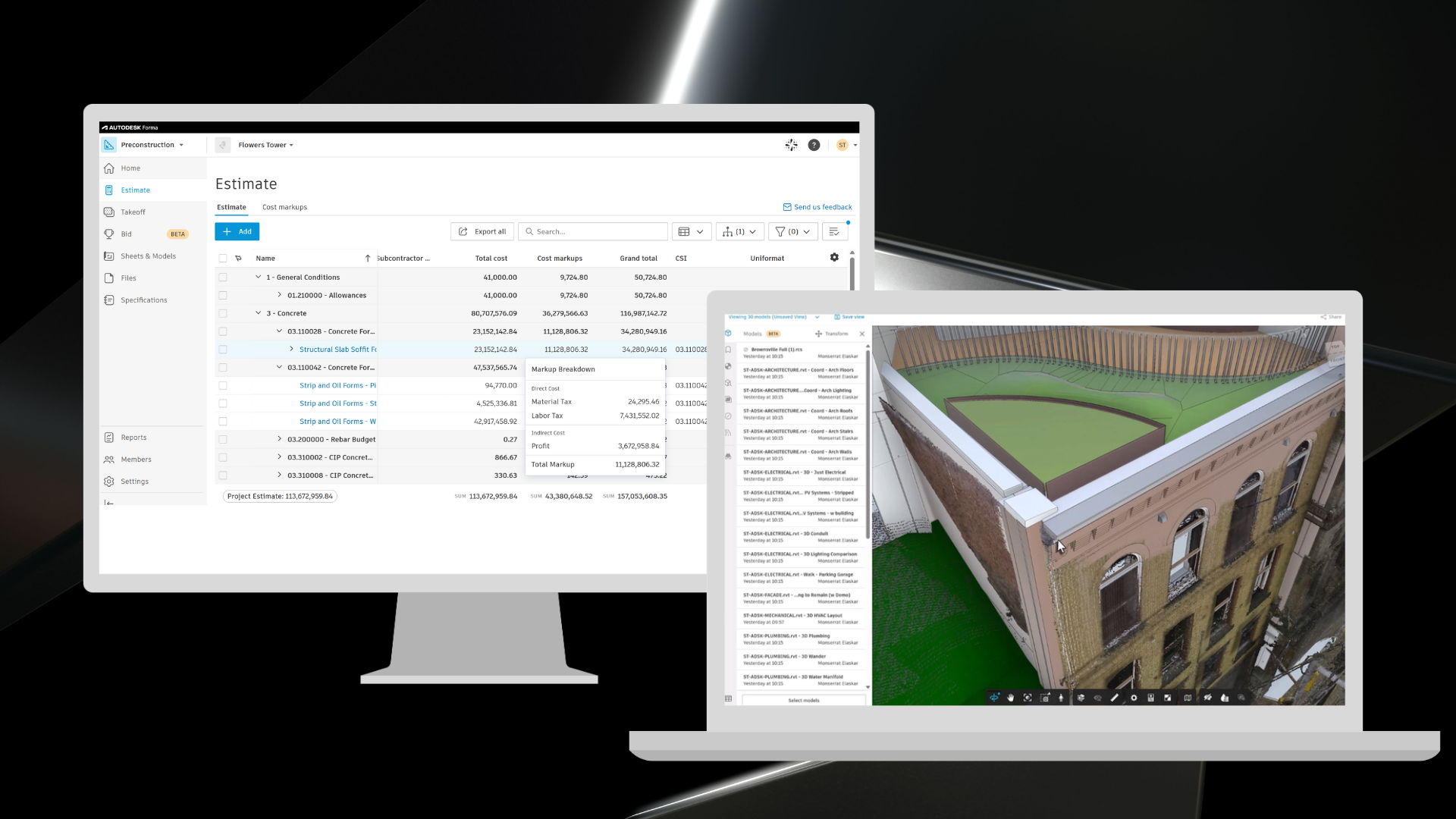
Autodesk Forma released over 75 construction product updates in September designed to improve how project teams manage access, information, and change across jobsites. The updates strengthen connected project delivery and help teams work more efficiently together.

AI & ML
State of Robots in Manufacturing
Robotics Business Review·Sep 29, 2026

State of Robots in Manufacturing

Recent advances in manufacturing automation are improving robot technologies and expanding their practical applications across the industry. Humanoid robots and artificial intelligence are emerging as promising tools that could further transform manufacturing operations.

RoboticsAI & ML
WEEKLY DISPATCH
AEC Business·Sep 28, 2026

When Customers Can Code, Who Needs Software Companies?

AEC software founders are questioning their business model as AI tools enable clients to build custom software solutions independently. The shift raises fundamental questions about the future viability of traditional software companies in the construction industry.

AI & MLWorkforce
Gecko Robotics works with NVIDIA to add AI agent security and control
Robotics Business Review·Sep 28, 2026

Gecko Robotics works with NVIDIA to add AI agent security and control

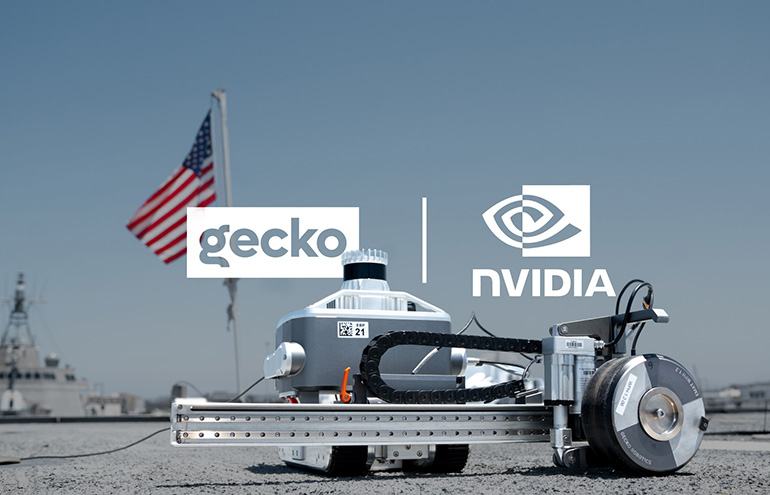
Gecko Robotics has partnered with NVIDIA to implement the Open Agent Safety Platform, which adds security controls to AI-powered autonomous systems. This integration helps ensure that robotic systems can operate independently while maintaining safe and controlled operation on job sites.

AI & MLRobotics
WEEKLY DISPATCH
Harnessing big data for real-time risk assessment on major construction sites
Fieldwire Blog·Sep 28, 2026

Harnessing big data for real-time risk assessment on major construction sites

Construction sites are using big data analytics to identify hazards and prevent accidents before they happen, giving safety managers real-time visibility into on-site conditions. This approach combines data from multiple sources—equipment sensors, weather stations, and worker movements—to catch safety risks faster than traditional inspection methods.

AI & MLSafety
WEEKLY DISPATCH
Asimov’s laws are not enough to keep robotics and AI safe
Robotics Business Review·Sep 27, 2026

Asimov’s laws are not enough to keep robotics and AI safe

Asimov's Three Laws of Robotics, while foundational in fiction, are insufficient safeguards for modern AI and robotics applications. Tech experts warn that contemporary AI systems require more comprehensive safety frameworks beyond these simplified rules.

AI & MLRobotics
WEEKLY DISPATCH
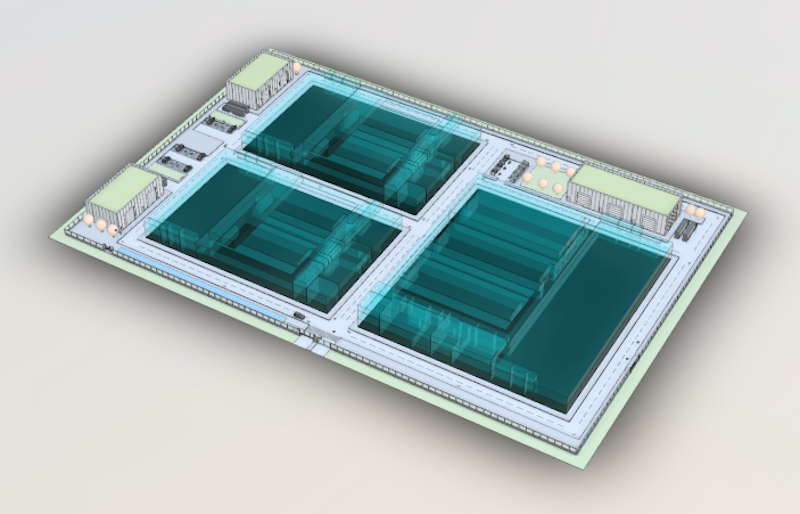
Making Complex Data Centre Information Accessible with Autodesk Data Exchange and Power BI
Autodesk Construction Cloud Blog·Sep 25, 2026

Making Complex Data Centre Information Accessible with Autodesk Data Exchange and Power BI

Reid Brewin Architects' BIM Coordinator Adrian Trujillo used Autodesk Data Exchange and Power BI to simplify access to building information on a complex data centre project. The approach makes it easier for construction teams to understand and work with BIM data across the project lifecycle.

AI & ML
WEEKLY DISPATCH
General Robotics is betting on modular intelligence, not one robot brain
Robotics Business Review·Sep 25, 2026

General Robotics is betting on modular intelligence, not one robot brain

General Robotics is developing modular AI systems that combine specialized capabilities rather than relying on a single universal model, allowing robots to adapt across different tasks and equipment. This approach enables construction robots to be more flexible and efficient by swapping in purpose-built intelligence modules as needed for specific job requirements.

RoboticsAI & ML
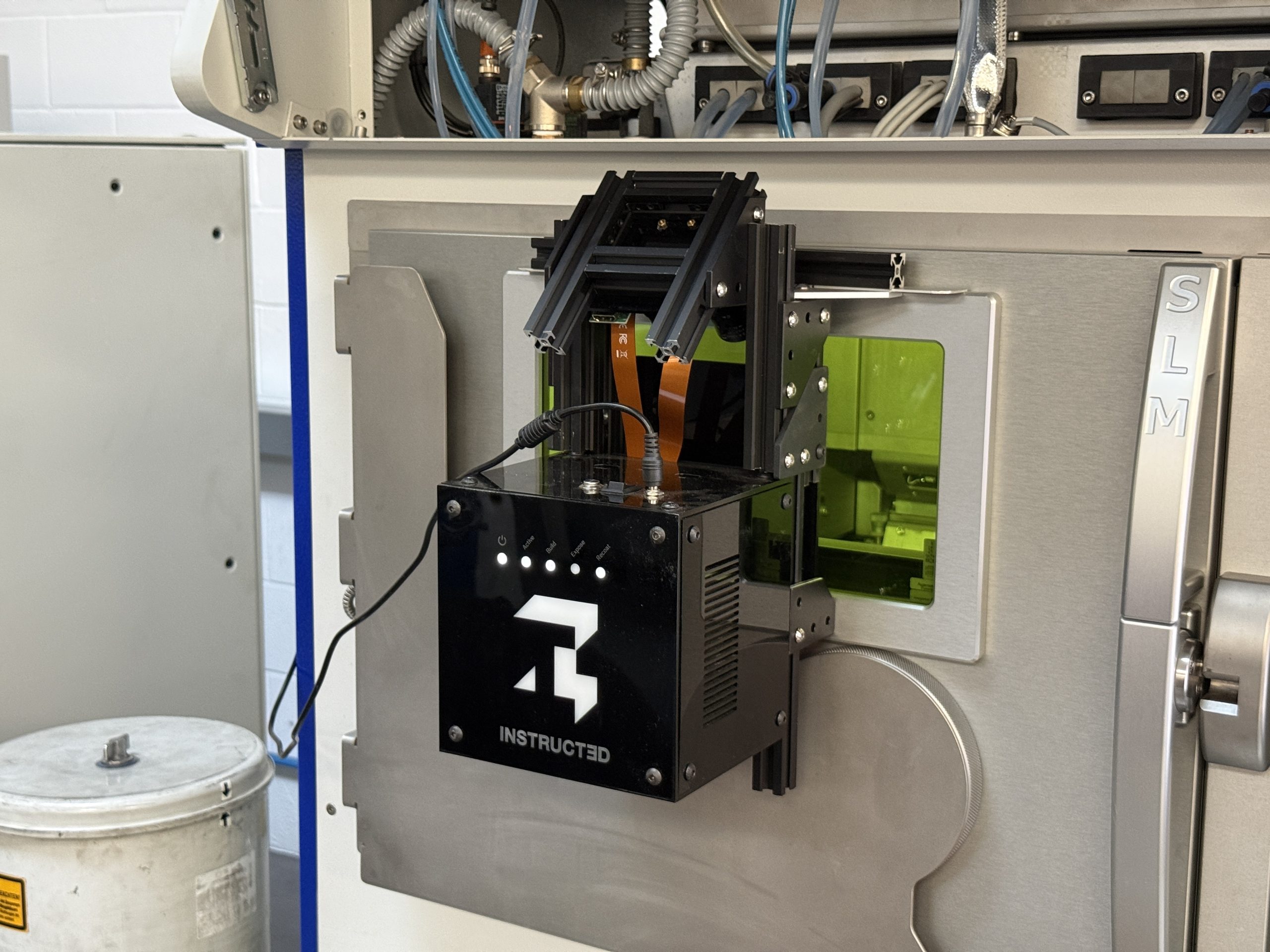
Instruct3D Launches Additive Build Intelligence Platform for Metal AM Quality Verification
3D Printing Industry·Sep 24, 2026

Instruct3D Launches Additive Build Intelligence Platform for Metal AM Quality Verification

Instruct3D has released Additive Build Intelligence, a software and sensor platform that monitors metal 3D printing to predict and identify build failures in real time. The system provides documentation of print processes to help manufacturers ensure quality and compliance.

3D PrintingAI & ML
Intel to discuss the infrastructure needed to scale physical AI at RoboBusiness
Robotics Business Review·Sep 22, 2026

Intel to discuss the infrastructure needed to scale physical AI at RoboBusiness

Intel's Nagesh Puppala will speak at RoboBusiness about the infrastructure requirements needed to scale physical AI and robotics technology. The presentation emphasizes that advancing robotics requires more than just larger AI models or better simulations.

AI & MLRobotics