Construction's AI transition has moved decisively from capital accumulation to systematic operational deployment, with the industry now confronting the practical constraints that separate technology adoption from sustained competitive advantage. The maturation of purpose-built platforms—Trunk Tools' Cortex drawing interpretation system, Document Crunch's risk intelligence consolidation, and the continued expansion of computer vision infrastructure across jobsites—confirms that the bottleneck is no longer algorithmic capability but workforce readiness and process integration. However, a critical gap has emerged: while contractors express willingness to adopt AI on jobsites, hands-on training infrastructure remains sparse, creating a genuine competitive liability as adoption accelerates. DEWALT's research surfaces what many firms are experiencing internally—that technology deployment outpaces the practical preparation necessary to realize its value. Simultaneously, the accountability and regulatory frameworks governing AI systems in construction have stalled far behind deployment velocity, leaving firms to navigate responsible AI implementation without clear industry standards or oversight mechanisms. These gaps represent near-term constraints that will separate execution leaders from laggards over the next eighteen months.
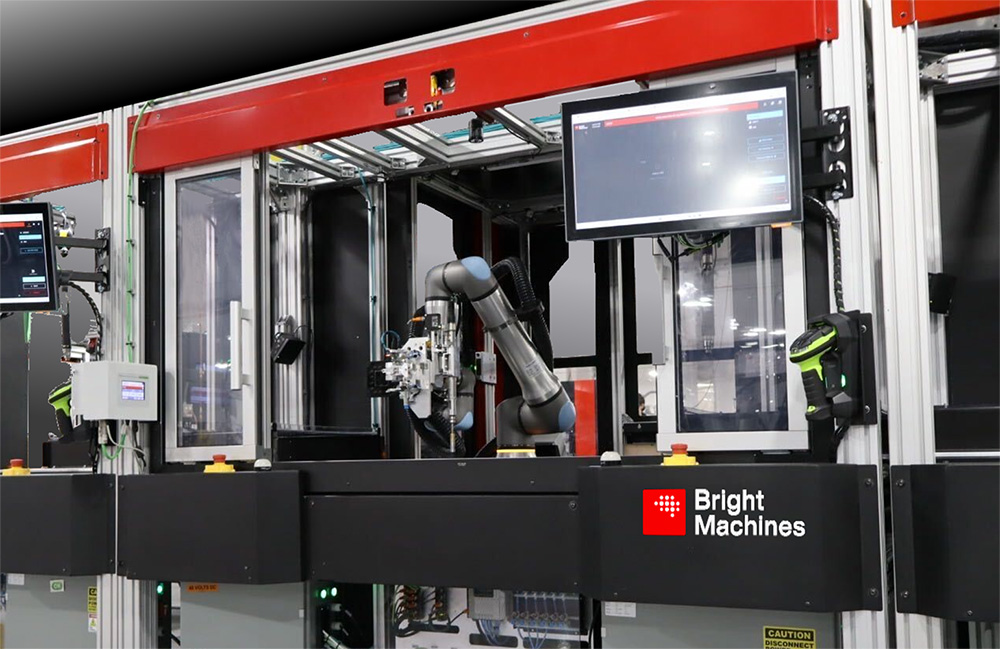
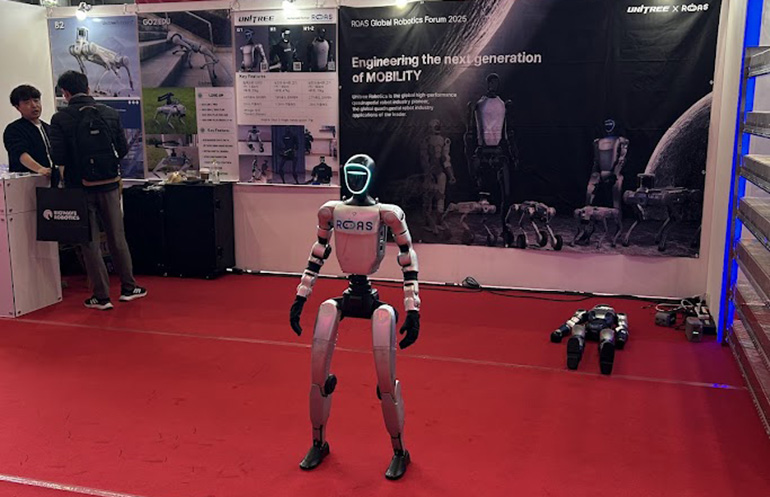
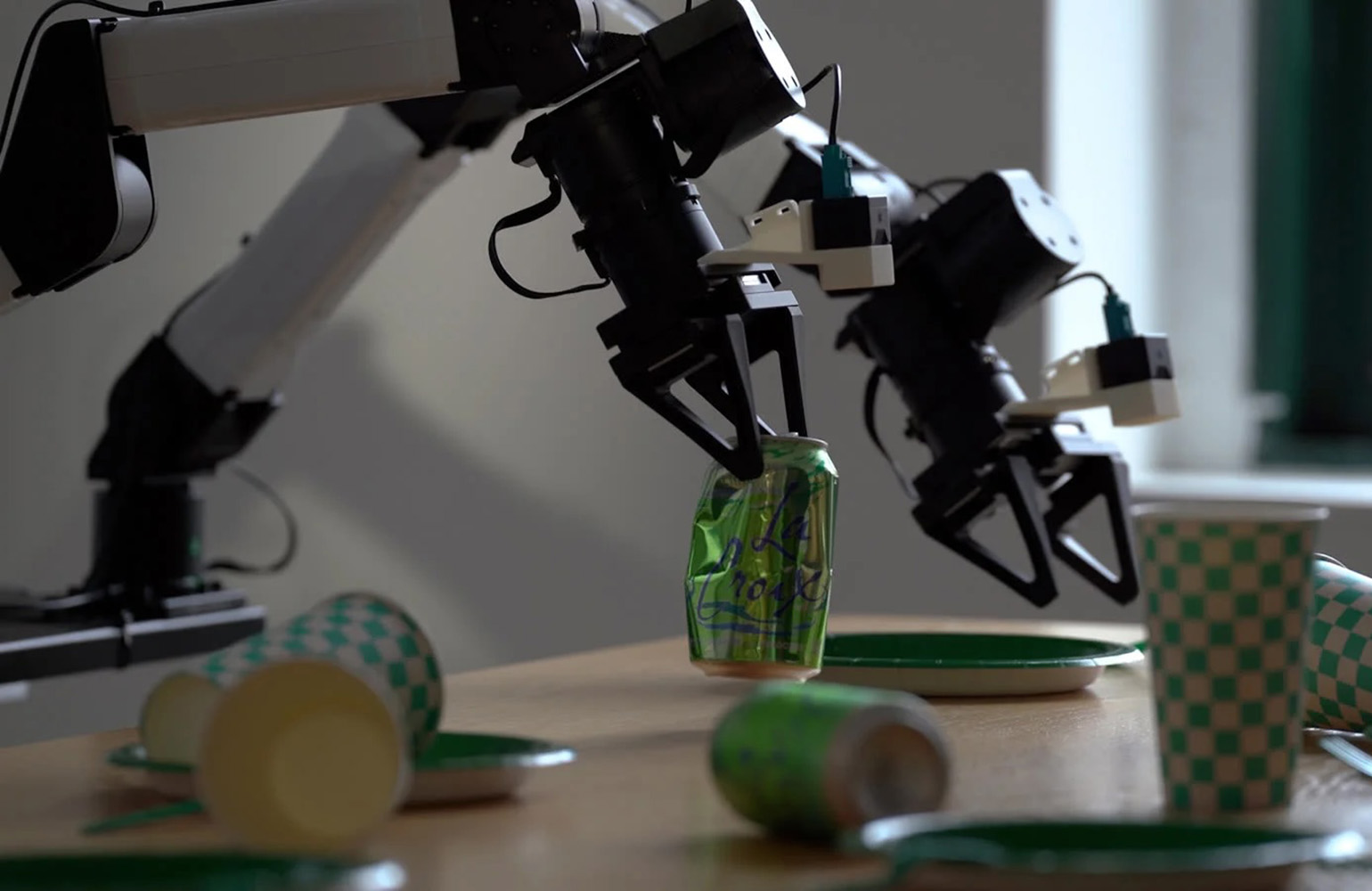
The convergence of humanoid robotics validation, specialized hardware acceleration, and collaborative preconstruction tools signals that construction is absorbing AI through multiple channels simultaneously. Sanctuary AI's production-ready validation at tier-one manufacturing suppliers, Autonomique's full-scale deployment across global manufacturing networks, and the launch of focused investment vehicles like Pegasus Tech Ventures' $60M physical AI fund indicate that robotics and automation are transitioning from experimental pilots to operational systems. Within construction specifically, Built Robotics' partnership with Penn xLAB to develop physical AI for safety and site intelligence, combined with RealSense's introduction of the AI-native D585 Pro depth camera and NIST's development of AI-guided evacuation modeling, demonstrates how edge intelligence is hardening into infrastructure and safety systems where construction firms operate daily. Preconstruction workflows continue their transformation toward data-driven collaboration, with AI-powered bidding and planning tools enabling contractors to compress cycle times during peak building seasons. The recognition that open-source AEC platforms can thrive alongside AI—rather than be displaced by it—suggests that construction's advantage will accrue to organizations that embed intelligence into existing workflows and collaborative ecosystems rather than replacing them wholesale.
The industry has crossed a threshold where AI adoption reflects workforce expectations and operational necessity rather than executive experimentation. Data center construction continues its surge as tech companies expand AI infrastructure nationwide, creating sustained demand in power generation, site preparation, and utilities. The planned return of the AI in AEC conference series for March 2027 signals that the construction-design-engineering community views AI integration as durable enough to sustain dedicated programming. Construction professionals now face a straightforward competitive reality: firms that systematize training, address accountability gaps proactively, and embed intelligence into familiar preconstruction and execution interfaces will capture disproportionate advantage. Those that treat AI as layered software or isolated experimentation will find themselves unable to compete effectively as practical deployment becomes the baseline expectation. The decisive gap is no longer technological but organizational and cultural—the capacity to make AI literacy operational across preconstruction, execution, and risk management in ways that align with how construction teams already work.