AllAI & MLRoboticsAutonomy3D PrintingElectrificationSafetyWorkforceMaterialsEDITOR'S PICKWEEKLY DISPATCH
Category

3D Printing & Prefab

3D printed buildings, concrete printing, prefabrication, modular construction, and offsite manufacturing.

278 stories found

The transition from experimental validation to production-scale manufacturing operations continues accelerating across construction additive manufacturing, with the critical inflection now extending into design automation and process velocity improvements that compress the traditional lead time between intent and fabrication. Siemens and AGIBOT's demonstration of AI agents that generate 3D-printed component designs directly from text prompts signals a qualitative shift in how design-to-production workflows operate: the iterative modeling cycles that previously created scheduling friction between architects and manufacturers are now being collapsed by generative systems that interpret functional requirements and translate them directly into printable geometries. This design-layer automation compounds the efficiency gains already established through ML-accelerated optimization in wire arc additive manufacturing and positions organizations that integrate these AI-driven design tools into their procurement workflows to outpace competitors still managing additive manufacturing as exception-based capability. Combined with 3T-AM's proven transition toward repeat manufacturing representing 70% of revenue, the market architecture now confirms that construction-relevant additive manufacturing has matured beyond isolated applications into embedded production infrastructure.

Simultaneously, process-level velocity improvements are fundamentally reshaping production economics across material categories. Lithoz's introduction of the CeraFab S65 Performance Pack, which doubles light intensity through advanced 4K projection systems, directly accelerates ceramic component production—a material category with high relevance for specialized industrial applications—while ongoing research at the University of Freiburg on volumetric 3D printing of commercial plastics, supported by a €10M European Research Council grant through the CHiC2PRINT project, signals that speed-to-production improvements are now competing priorities alongside material performance. These advances in process velocity matter operationally because they increase manufacturing capacity utilization per installed system, improving the capital efficiency calculation that mid-market contractors and manufacturers use to justify equipment deployment. When combined with modular production architectures like AltForm's ZENIT system—which scales from 2 x 2 meters to 4 x 4 meters with expandable capability—organizations can now plan incremental capacity growth tied directly to validated demand rather than absorb fixed-asset constraints that previously discouraged adoption among smaller operations.

For construction professionals evaluating manufacturing partnerships and equipment strategies, the operational imperative has crystallized entirely around embedding additive manufacturing into standard production capacity rather than treating it as specialized exception handling. Organizations that now establish material specifications aligned with available production capability, deploy AI-accelerated design tools that streamline the design-to-fabrication pipeline, and partner with manufacturers operating additive manufacturing as continuous production infrastructure will continue capturing competitive returns. The technical feasibility constraints that dominated earlier adoption discussions have now been decisively resolved; the remaining variable is organizational capacity to treat additive manufacturing as standard manufacturing asset, integrated fully into procurement protocols and design workflows.

POC Lab launches two flame-retardant, ESD-safe resins for professional additive manufacturing
3D Printing Industry·May 14, 2026

POC Lab launches two flame-retardant, ESD-safe resins for professional additive manufacturing

POC Lab has released two new resins—Nylon-Like UL94 V-0 ESD and HT-240C UL94 V-0 ESD—designed for 3D printing in industrial construction applications. Both materials meet flame-retardant and electrostatic discharge safety standards needed for demanding jobsite environments.

3D PrintingMaterials
Getting the Most Out of AI Takes Real Work, Say ENR FutureTech Speakers
ENR Construction Technology·May 14, 2026

Getting the Most Out of AI Takes Real Work, Say ENR FutureTech Speakers

ENR's FutureTech conference demonstrated that getting real value from AI requires significant effort and implementation work on construction jobsites. The event featured AI-powered workflows, robotic equipment, and 3D-printed structures that showcase emerging technologies reshaping how projects are built.

AI & MLRobotics
Carbon Names DDK First Tier 1 Supplier for 3D Printed Saddles in Asia
3D Printing Industry·May 14, 2026

Carbon Names DDK First Tier 1 Supplier for 3D Printed Saddles in Asia

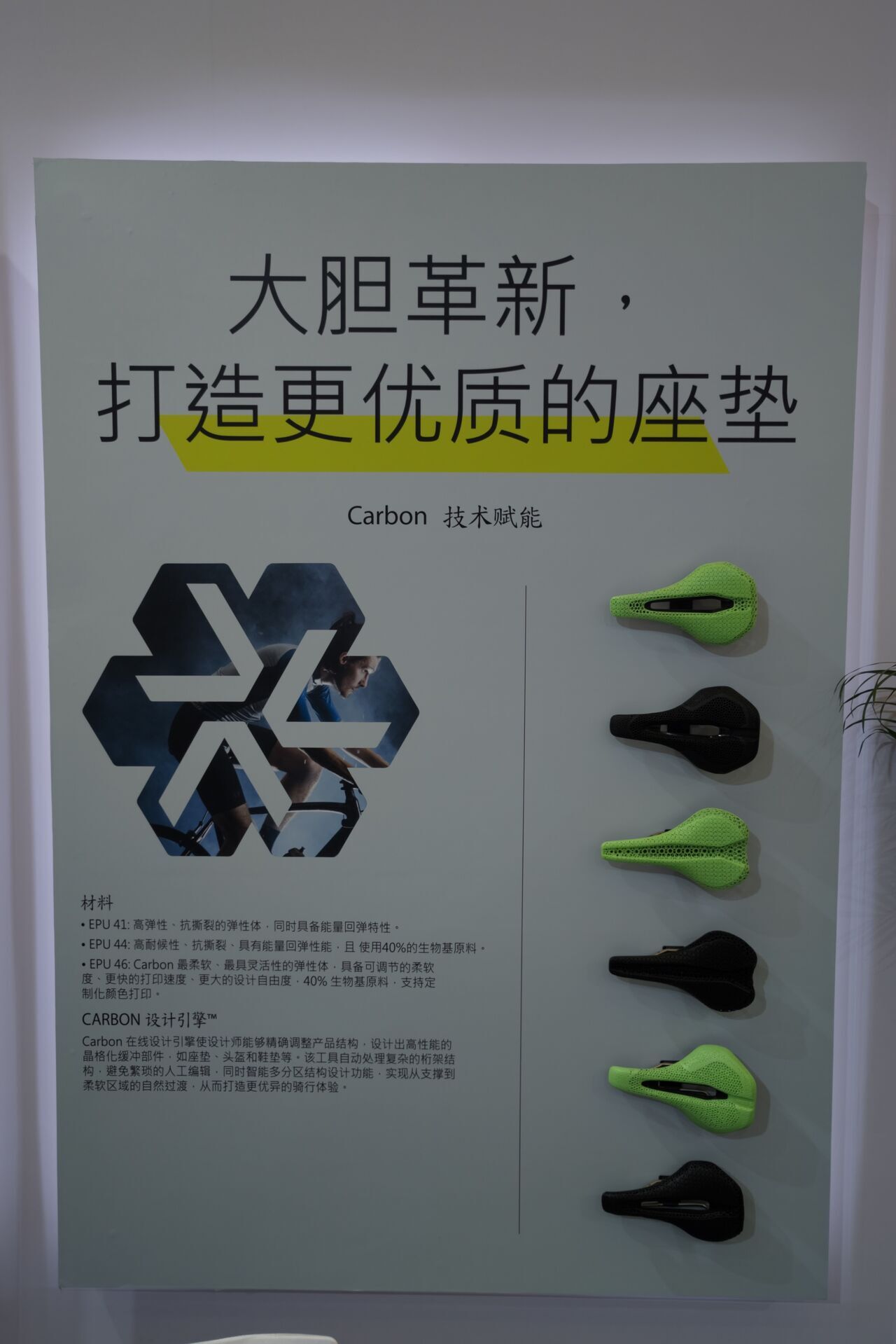
Carbon, a 3D printing technology company, has partnered with DDK Group to establish the first dedicated Tier 1 saddle manufacturing partner in Asia. This agreement expands Carbon's additive manufacturing capabilities for high-performance bicycle saddle production in the region.

3D Printing
CRP Group Backs MoRe Modena Racing for Formula SAE Michigan 2026
3D Printing Industry·May 14, 2026

CRP Group Backs MoRe Modena Racing for Formula SAE Michigan 2026

CRP Meccanica and CRP Technology, Italian engineering firms under CRP Group, are backing MoRe Modena Racing from the University of Modena and Reggio Emilia for the Formula SAE Michigan competition scheduled for May 13–16 at Michigan International Speedway. The partnership supports the university team's 2026 season launch through engineering expertise and technical resources.

3D Printing
New Study: Architecture Targets the Core Bottleneck in Battery Manufacturing
3D Printing Industry·May 14, 2026

New Study: Architecture Targets the Core Bottleneck in Battery Manufacturing

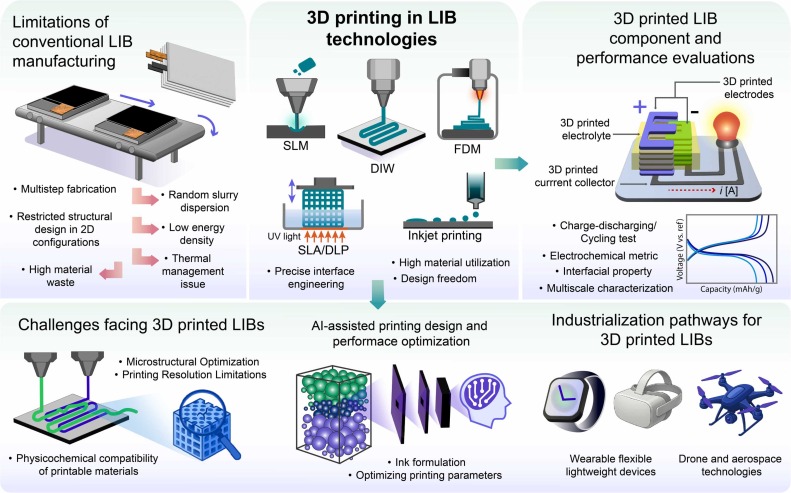
A Materials Science & Engineering R study confirms that 3D printing technology is advancing toward practical use in lithium battery manufacturing at commercial scale. The research identifies material and process challenges that must be resolved before the technology moves beyond lab prototyping into widespread production.

3D PrintingMaterials
Formnext Asia Shenzhen 2026 Spotlights AM’s Role in Cooling AI Hardware
3D Printing Industry·May 13, 2026

Formnext Asia Shenzhen 2026 Spotlights AM’s Role in Cooling AI Hardware

Formnext Asia Shenzhen 2026 will take place August 26-28 at the Shenzhen World Exhibition & Convention Center, highlighting additive manufacturing's applications in producing liquid cooling components for AI hardware. The trade show demonstrates how 3D printing technology is becoming essential for managing thermal challenges in data center and computing equipment.

3D PrintingAI & ML
Rapid Fusion Appoints Labostera as Reseller in Lithuania and Latvia
3D Printing Industry·May 13, 2026

Rapid Fusion Appoints Labostera as Reseller in Lithuania and Latvia

Rapid Fusion, which makes large-format additive and hybrid manufacturing systems, has appointed Labostera as its reseller to bring these technologies to Lithuania and Latvia. Labostera will distribute Rapid Fusion's systems to medical, scientific, and industrial customers in these markets.

3D Printing
Firestorm Secures $82M to Scale Battlefield Manufacturing
3D Printing Industry·May 13, 2026

Firestorm Secures $82M to Scale Battlefield Manufacturing

Firestorm Labs, a defense manufacturing startup, has raised $82 million in Series B funding to scale its battlefield manufacturing operations, bringing total capital to $153 million. The round was led by Washington Harbour Partners and includes backing from major defense contractors and venture firms like Lockheed Martin and In-Q-Tel.

Robotics3D Printing
Mahdi Naïm Studio Develops AERIS Bicycle Saddle with 3D Printed Lattice and Vegetable-Tanned Leather
3D Printing Industry·May 13, 2026

Mahdi Naïm Studio Develops AERIS Bicycle Saddle with 3D Printed Lattice and Vegetable-Tanned Leather

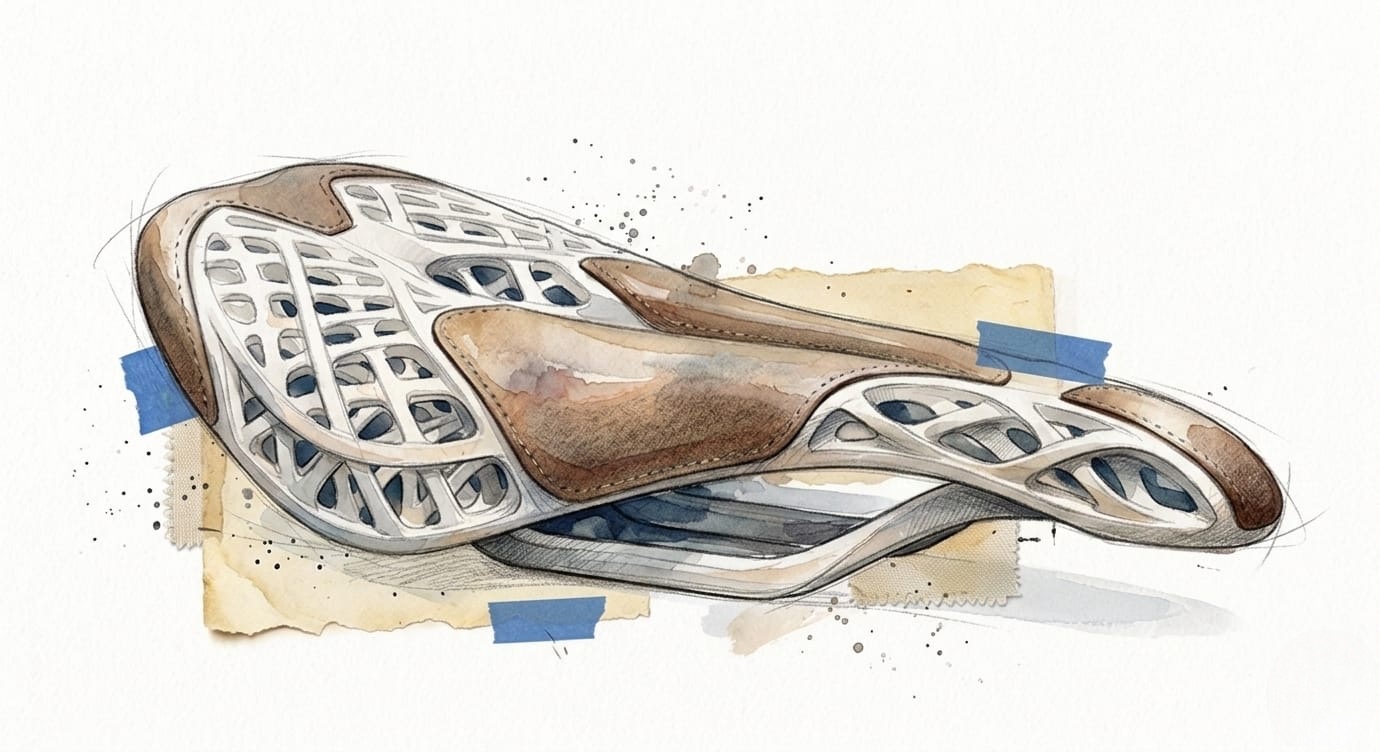
Mahdi Naïm Studio has developed AERIS, a bicycle saddle that combines 3D printed lattice structures with vegetable-tanned leather to demonstrate how additive manufacturing and traditional craftsmanship can work together. The design approach shows how modern production technologies and conventional materials can be intentionally integrated from the concept phase forward.

3D PrintingMaterials
New Zealand Companies Launch Wool-Based Colour 3D Printing Filament
3D Printing Industry·May 13, 2026

New Zealand Companies Launch Wool-Based Colour 3D Printing Filament

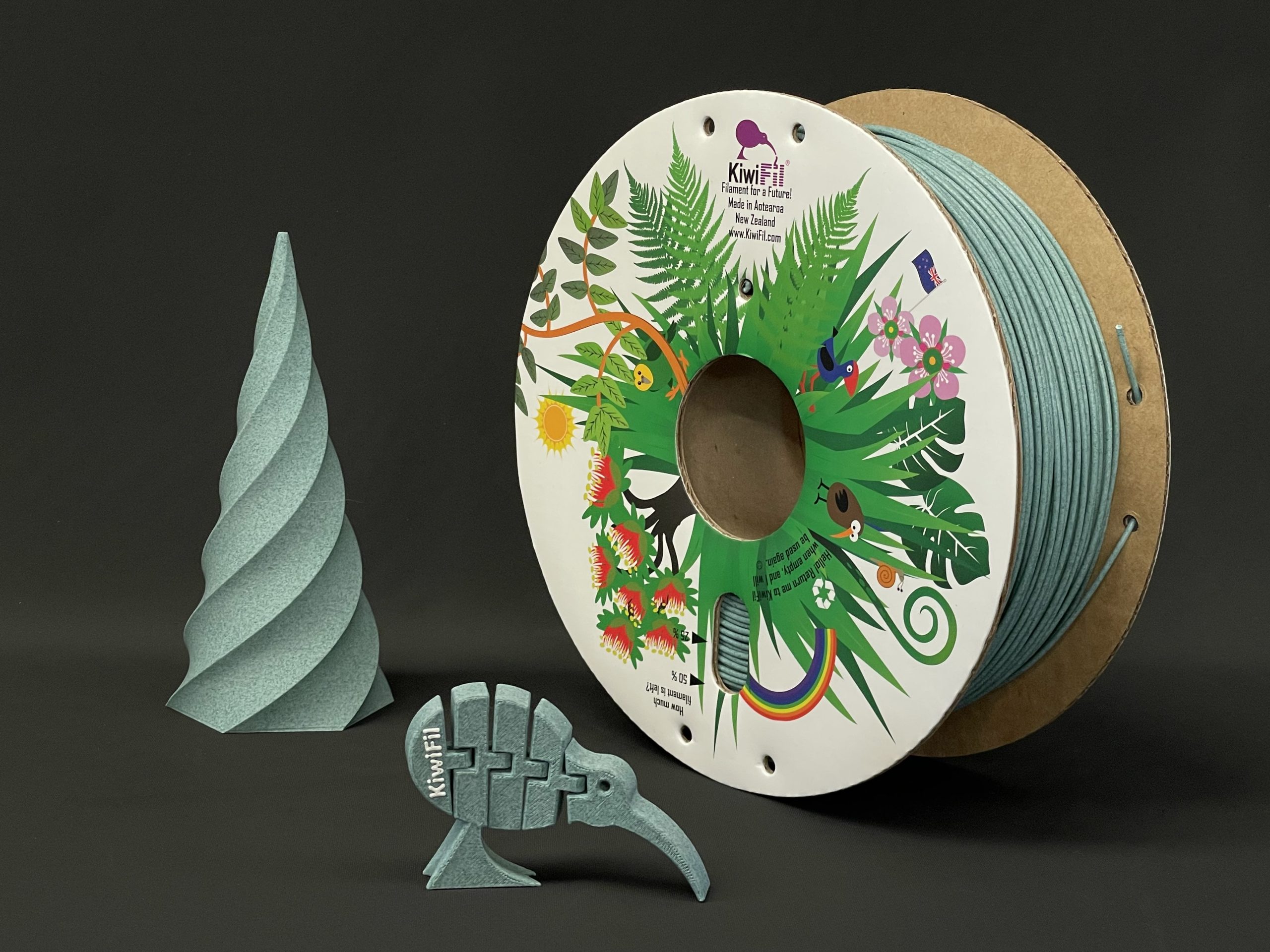
Two New Zealand companies have jointly launched WoolyFil, a 3D printing filament that uses wool-based colorants, marking the first commercial product of its kind. The development offers construction professionals a sustainable material option for additive manufacturing applications.

3D PrintingMaterials
6K Additive Appoints Brandon Davis as Chief Operating Officer
3D Printing Industry·May 13, 2026

6K Additive Appoints Brandon Davis as Chief Operating Officer

6K Additive, a US metal powder manufacturer for additive manufacturing and aluminum alloys, has named Brandon Davis as Chief Operating Officer. Davis will lead global operations across the company's production facilities and report directly to leadership.

3D PrintingMaterials
Cellulose modifications could support more sustainable FDM 3D printing filaments, review finds
3D Printing Industry·May 13, 2026

Cellulose modifications could support more sustainable FDM 3D printing filaments, review finds

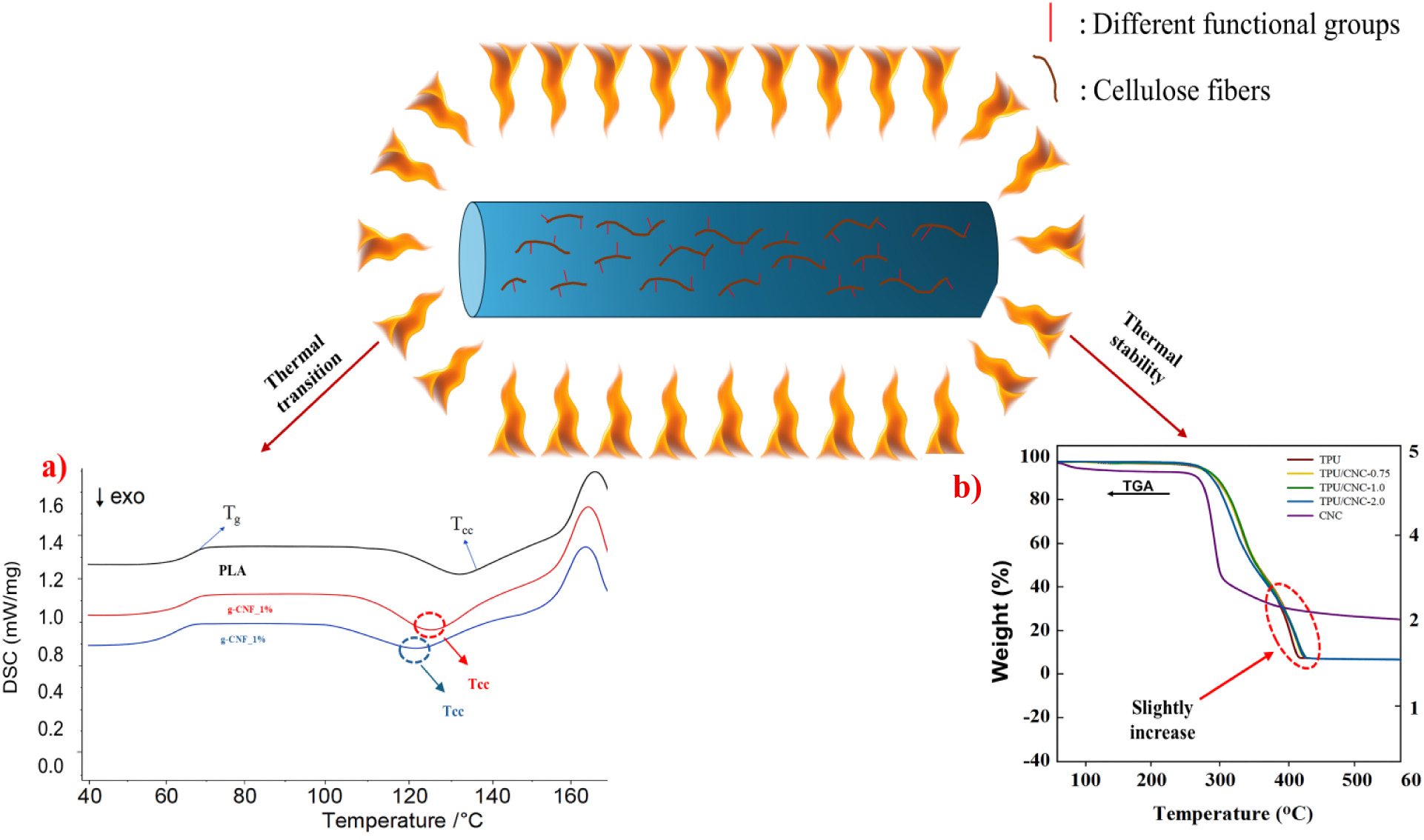
Researchers have identified how chemically modified cellulose can enhance the performance of FDM 3D printing filaments while reducing environmental impact. The findings could enable construction companies to use more sustainable materials for on-site and off-site 3D printing applications.

3D PrintingMaterials
A Low-Power Path to Mars Radiation Shielding Made With Innovative 3D Printed Basalt Structures
3D Printing Industry·May 12, 2026

A Low-Power Path to Mars Radiation Shielding Made With Innovative 3D Printed Basalt Structures

AAKA Space Studio 3D printed a radiation shield using basalt-based materials engineered to match Martian soil composition, demonstrating the technology at an analog space mission in Gujarat. The innovation shows how additive manufacturing techniques can create low-power protective structures for extraterrestrial construction applications.

3D PrintingMaterials
DMG MORI launches LASERTEC 65 DED hybrid 2 for additive and subtractive metal manufacturing
3D Printing Industry·May 11, 2026

DMG MORI launches LASERTEC 65 DED hybrid 2 for additive and subtractive metal manufacturing

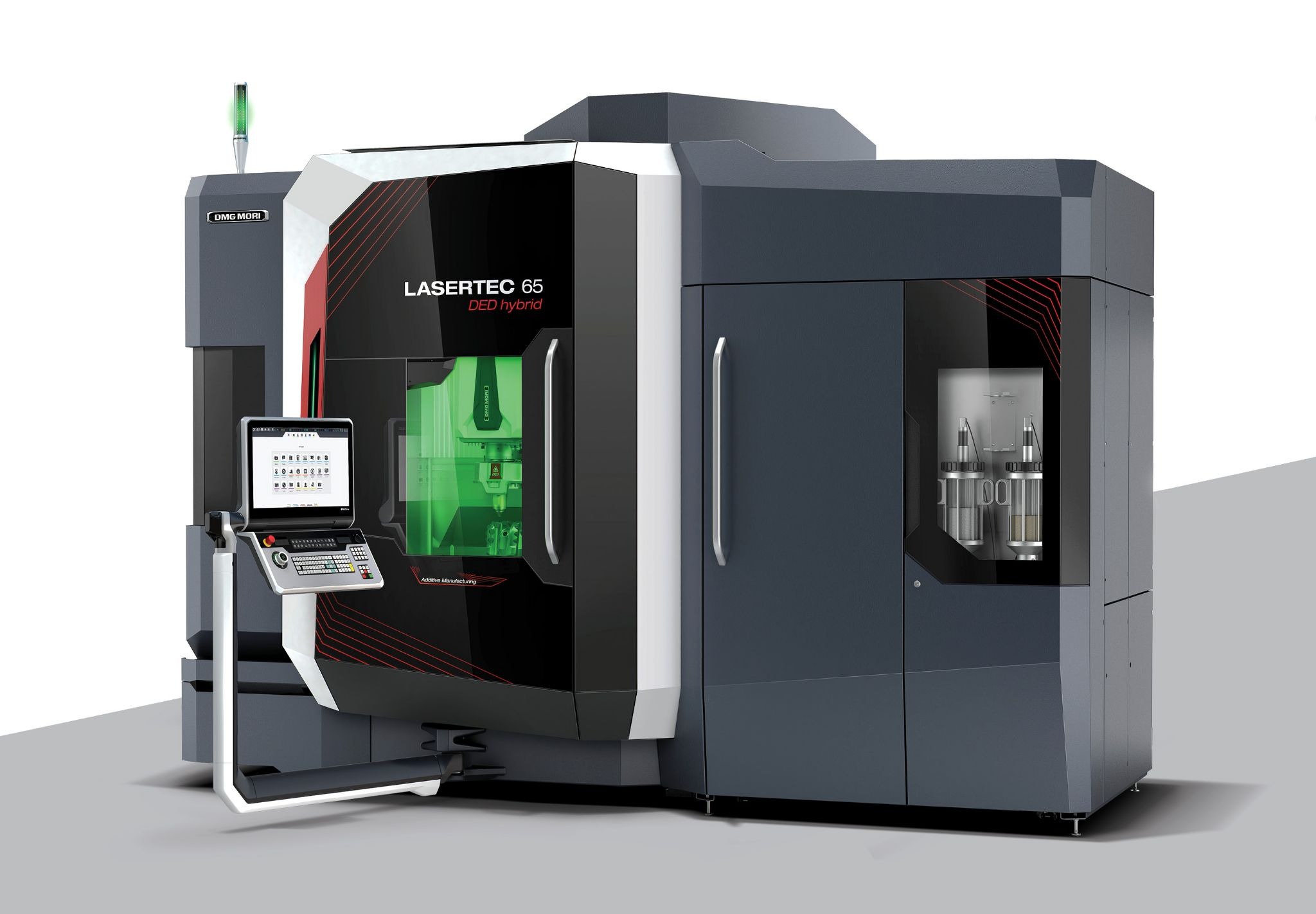
DMG MORI has released the LASERTEC 65 DED hybrid 2, a production machine that combines metal 3D printing (directed energy deposition) with 5-axis machining and measurement capabilities in one tool. The second-generation system allows manufacturers to build and finish metal parts without moving them between machines, reducing setup time and improving precision.

3D Printing
Lockheed Martin Scales LPBF for Thermal Management Parts in Hypersonic and Aircraft Systems
3D Printing Industry·May 11, 2026

Lockheed Martin Scales LPBF for Thermal Management Parts in Hypersonic and Aircraft Systems

Lockheed Martin is scaling laser powder-bed fusion technology to manufacture thermal management parts for advanced aircraft and hypersonic systems more quickly. The advancement strengthens supply chain resilience while reducing production timelines for next-generation defense and aerospace platforms.

3D Printing
Evaporation-Driven Droplet Fission Study Points to Nanoscale Fabrication Potential
3D Printing Industry·May 11, 2026

Evaporation-Driven Droplet Fission Study Points to Nanoscale Fabrication Potential

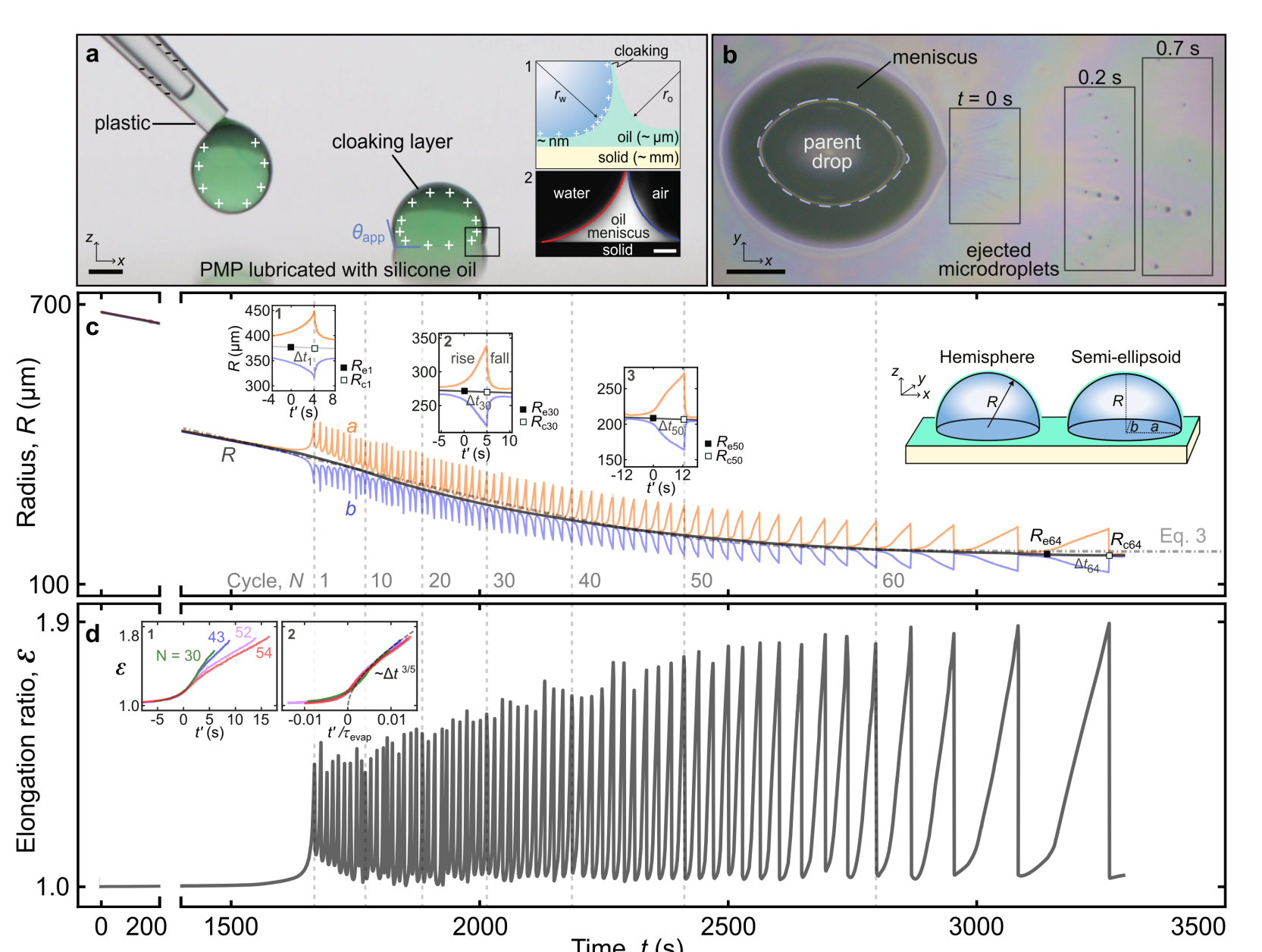
Researchers discovered that evaporating water droplets from pipetting can build up electrical charge and split apart through Coulomb forces, revealing a natural nanoscale fabrication mechanism. This evaporation-driven fission process could enable new methods for creating precise microscopic structures and materials at the nanoscale level.

3D PrintingMaterials
3D Printed Silicone Lattice Mixes Antifungal Resistance with Vibration Isolation
3D Printing Industry·May 11, 2026

3D Printed Silicone Lattice Mixes Antifungal Resistance with Vibration Isolation

Researchers have developed a 3D printed silicone rubber lattice that combines antifungal properties with vibration isolation capabilities for construction applications. The material resists fungal growth while absorbing vibration and repetitive stress, offering potential benefits for equipment mounting and structural isolation in building systems.

3D PrintingMaterials
WEEKLY DISPATCH
New Framework Could Standardize 3D Printed Construction in Earthquake Zones
3D Printing Industry·May 11, 2026

New Framework Could Standardize 3D Printed Construction in Earthquake Zones

Researchers at IIT Guwahati have successfully tested full-scale 3D printed concrete walls under simulated earthquake conditions and created a validated design framework for seismic applications. The findings, published in the Journal of Building Engineering, provide a standardized approach for using 3D printed construction in earthquake-prone zones.

3D PrintingMaterials