AllAI & MLRoboticsAutonomy3D PrintingElectrificationSafetyWorkforceMaterialsEDITOR'S PICKWEEKLY DISPATCH
Category

Workforce & Labor

Labor shortage, skilled trades, apprenticeships, hiring platforms, workforce development, and crew management.

1202 stories found

Construction's structural labor crisis has crystallized into an unmistakable competitive sorting mechanism that now explicitly divides operators who've architected integrated talent systems from those still fragmenting efforts across disconnected initiatives. The convergence of three forces is reshaping the entire industry: persistent labor scarcity that refuses cyclical relief, intensifying regulatory enforcement that transforms safety compliance into a non-negotiable operational requirement, and technology adoption that separates strategic workforce planners from those still relying on manual processes. Contractors embedding psychological capital development—the renewable resource combining hope, efficacy, resilience, and optimism identified by the American Psychological Association—alongside safety culture, wellness programming, and technology implementation are demonstrating measurably superior retention outcomes precisely as competitors continue hemorrhaging workers to attrition. The data is unambiguous: firms managing labor strategically through integrated systems now capture talent at scale, while those treating workforce development as a disconnected cost center are fragmenting against wider performance gaps that cannot be bridged by margin compression from material cost inflation.

Technology adoption has shifted decisively from implementation barrier to retention lever as purpose-built solutions designed for trade-level adoption rather than corporate mandate reshape labor dynamics across estimation, scheduling, and field operations. ConstructConnect's automated takeoff capabilities cut estimation time by 50% on large projects while freeing estimator bandwidth for strategic opportunity scoring, eSUB's partnership with SMART Local 104 is embedding project management skills directly into sheet metal apprenticeships, and MasTec's deployment of physical AI on solar construction jobsites demonstrates on-site operation optimization beyond corporate-level forecasting. The gap between early adopters systematizing these capabilities and lagging competitors remains a decisive competitive moat—yet implementation barriers and workforce skills gaps simultaneously create immediate opportunity for operators willing to integrate training alongside technology deployment. Bluebeam's 2027 AEC technology report confirms most construction firms haven't scaled these capabilities, a condition that reflects organizational friction but masks exceptional runway for contractors positioned to move first.

The talent acquisition and retention crisis now operates entirely on a different plane than wage competition alone can address. Procore's research reveals 50% of young people believe AI could enhance construction careers, yet 41% remain unaware the industry already uses AI—a marketing gap that contractors actively communicating technological enhancement of labor can exploit for talent acquisition at scale while competitors remain silent. Meanwhile, the Department of Labor's reinstatement of the economic reality test for independent contractor classification, the BlackRock Foundation's new veteran transition program, and expanded federal apprentice payment programs signal sustained commitment to training infrastructure scaling precisely as construction employment rose across 37 states. The industry's competitive architecture has fundamentally reorganized: firms treating safety, wellness integration, and technology implementation as interconnected systems that explicitly enhance worker experience and career trajectory are establishing sustainable performance advantages that low-cost operators cannot replicate. This is no longer construction's labor shortage; it is construction's talent development divide.

ForConstructionPros·Oct 31, 2026

The Hidden Cost of Traffic Citations for Construction Fleets

Traffic citations for construction fleet vehicles create expensive ripple effects beyond ticket fines, including insurance rate increases, vehicle downtime, and administrative costs that can total thousands per incident. Implementing fleet management practices and driver accountability systems helps construction companies reduce violations and protect their bottom line.


Workforce
Safety+Health Magazine·Oct 30, 2026

Oregon adopts workplace violence prevention rules for health care settings

Oregon OSHA has formally adopted new workplace violence prevention rules specifically designed to protect health care workers in medical settings. The regulations also amend existing rules on discrimination complaints and require better recordkeeping of on-the-job assaults.

Workforce
WEEKLY DISPATCH
ForConstructionPros·Oct 31, 2026

ABC Research Finds Multiskilled Crews Boost Construction Productivity

ABC Research's field trials demonstrate that multiskilled construction crews complete work approximately 30% faster while boosting production by 37% to 50%. Reducing task switching and coordination delays by cross-training workers delivers measurable productivity gains for construction operations.

Workforce
Trucking surveys ask: How does driver health affect industry operations?
Safety+Health Magazine·Oct 30, 2026

Trucking surveys ask: How does driver health affect industry operations?

The American Transportation Research Institute is surveying truckers and motor carriers to understand how driver health impacts trucking operations. The research aims to highlight the connection between driver wellness and industry performance.

WorkforceSafety
WEEKLY DISPATCH
All 50 States Had a Construction Unemployment Rate Below 10% in September; Maryland Posts Lowest Unemployment Rate Ever
Construction Executive·Oct 30, 2026

All 50 States Had a Construction Unemployment Rate Below 10% in September; Maryland Posts Lowest Unemployment Rate Ever

Construction unemployment across all 50 states fell below 10% in September, indicating strong job market conditions in the industry. Maryland achieved the lowest construction unemployment rate ever recorded, followed closely by North Carolina.

Workforce
Construction Dive·Oct 30, 2026

Punch List: Granite wins infrastructure jobs, Hensel Phelps reaches Tampa airport milestone

Granite secures multiple infrastructure jobs while Hensel Phelps reaches a significant construction milestone at Tampa airport. Bechtel invests $1 million in trades workforce development in Wyoming, and the U.S. Navy awards a contract for autonomous construction work.

AutonomyWorkforce
WEEKLY DISPATCH
Autonomous Construction Equipment Is Here. What Does That Mean for Worker Jobsite Safety?
Construction Executive·Oct 30, 2026

Autonomous Construction Equipment Is Here. What Does That Mean for Worker Jobsite Safety?

Excavators and other construction equipment can now operate without an operator in the cab, marking a significant shift in how jobsites function. This autonomous capability raises important questions about how jobsite safety protocols and worker practices will need to adapt.

AutonomyRobotics
ForConstructionPros·Oct 30, 2026

Construction’s Biggest Boogeymen: 6 Business Problems Contractors Can’t Escape

Contractors face persistent operational headwinds including labor shortages and payment delays that directly impact project delivery and cash flow. These six challenges represent ongoing structural problems in the construction industry that require strategic solutions.

Workforce
Why an integrated approach matters for MEP modular construction
BD+C Building Design+Construction·Oct 30, 2026

Why an integrated approach matters for MEP modular construction

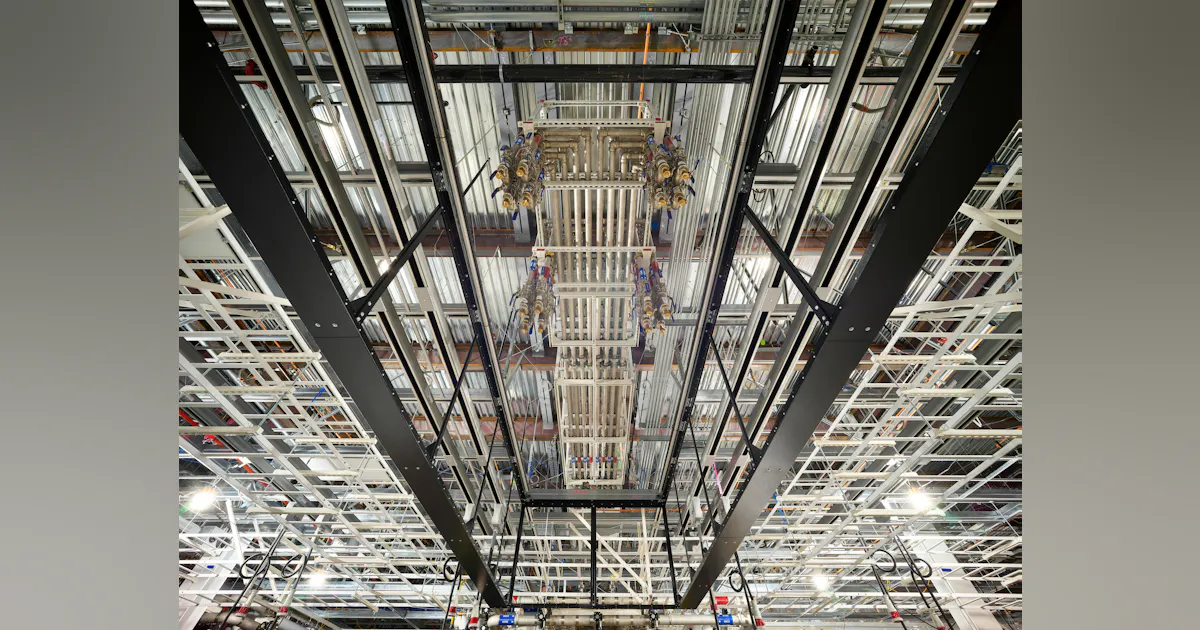
Integrating MEP (mechanical, electrical, plumbing) systems early in modular construction planning reduces rework, conflicts, and delays on job sites. Coordinated MEP design and prefabrication improves quality control and accelerates project timelines compared to traditional sequential approaches.

WorkforceMaterials
WEEKLY DISPATCH
White House makes Section 232 determination regarding foreign-made robots
Robotics Business Review·Oct 29, 2026

White House makes Section 232 determination regarding foreign-made robots

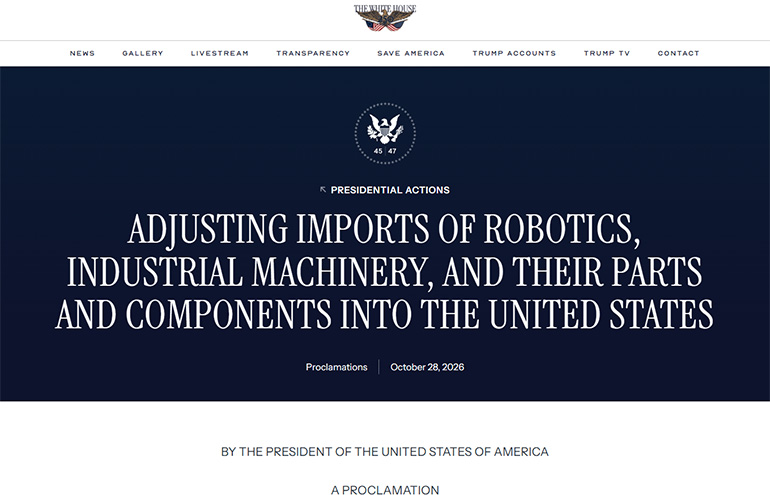
The U.S. Commerce Department determined that reliance on foreign-made robots threatens national security, triggering a Section 232 investigation outcome. This finding could reshape how construction firms source robotic equipment and may lead to tariffs or trade restrictions on imported robotics.

RoboticsWorkforce
ABC Is the First Nationally Certified Recovery Friendly Association—Receives Recognition From the White House
Construction Executive·Oct 29, 2026

ABC Is the First Nationally Certified Recovery Friendly Association—Receives Recognition From the White House

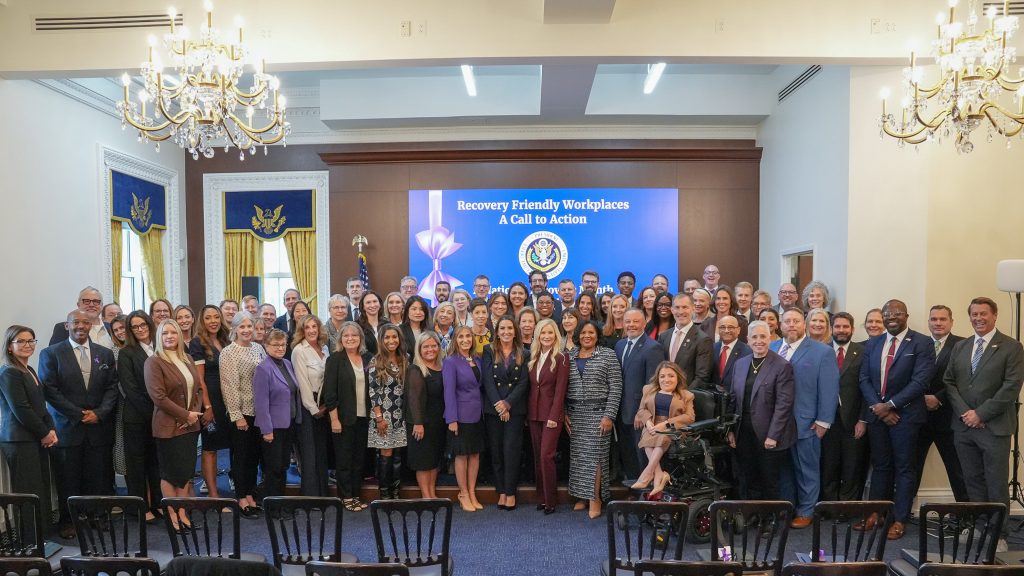
ABC has become the first nationally certified Recovery Friendly Association and received White House recognition for its workplace recovery initiatives. The company participated in a White House roundtable on recovery in the workplace last year and is now joining other organizations for Recovery Month celebrations.

Workforce
Building the Future Construction Workforce: Why Tomorrow's Builders Need Digital and Hands-On Skills
Autodesk Construction Cloud Blog·Oct 29, 2026

Building the Future Construction Workforce: Why Tomorrow's Builders Need Digital and Hands-On Skills

Autodesk's Design & Make It Real: Make It Heal challenge is helping construction students develop both digital and hands-on skills needed for the industry's future. The program offers over $75,000 in scholarships to support student innovators during Careers in Construction Month.

Workforce
WEEKLY DISPATCH
Turning AI and Facial Recognition Into Practical Jobsite Value
Construction Executive·Oct 29, 2026

Turning AI and Facial Recognition Into Practical Jobsite Value

Facial recognition technology is being deployed on jobsites to verify worker identity and ensure the right person is performing assigned tasks. This AI-powered verification system enhances security and accountability on construction projects.

AI & MLWorkforce
North American robot orders climb 24.8% in Q3 of 2026, says A3
Robotics Business Review·Oct 28, 2026

North American robot orders climb 24.8% in Q3 of 2026, says A3

North American robot orders surged 24.8% in Q3 2026, with automotive component manufacturers nearly doubling their orders. Other industrial sectors also showed strong demand growth for robotic equipment.

RoboticsWorkforce
Equipment World·Oct 28, 2026

Florida Contractor Faces $166K Fine After Worker Dies Changing HDD Bit

A Florida contractor received a $166,000 OSHA fine after a worker died while changing an HDD bit, with the citation citing willful exposure to struck-by hazards. The case highlights critical safety failures in equipment operation and worker protection on job sites.

Workforce
What Symbotic’s Walmart growth teaches robotics startups about anchor customers
Robotics Business Review·Oct 28, 2026

What Symbotic’s Walmart growth teaches robotics startups about anchor customers

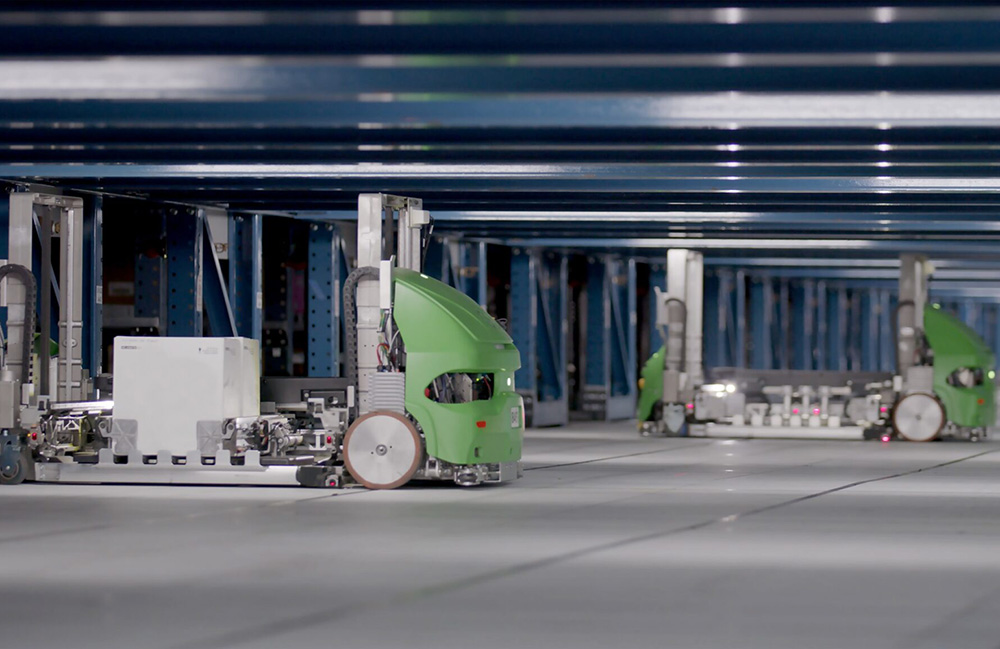
Symbotic's partnership with Walmart demonstrates how a major anchor customer can accelerate a robotics company's growth and provide essential funding for scaling operations. However, this concentration creates significant business risks including over-dependence on a single customer, contractual constraints, and difficulty building a diversified revenue base.

RoboticsWorkforce
Analysis of on-the-job drug tests shows ‘significant decline’ in fentanyl use
Safety+Health Magazine·Oct 28, 2026

Analysis of on-the-job drug tests shows ‘significant decline’ in fentanyl use

Fentanyl use among U.S. workers dropped nearly 50% in 2025 based on on-the-job drug testing data from Quest Diagnostics. The significant decline suggests potential improvements in workplace safety and employee wellness across industries including construction.

WorkforceSafety
New Names and Faces: October 2026
Construction Executive·Oct 28, 2026

New Names and Faces: October 2026

Skanska celebrates 25 years as a member of the North Carolina Department of Labor, while Ravensberg Inc. continues its family legacy in construction. J.J. Keller and other companies announced executive promotions and organizational changes this October.

Workforce