AllAI & MLRoboticsAutonomy3D PrintingElectrificationSafetyWorkforceMaterialsEDITOR'S PICKWEEKLY DISPATCH
Category

Drones & Robotics

Construction robots, exoskeletons, robotic fabrication, bricklaying robots, and automated machinery on jobsites.

739 stories found

The construction robotics industry is crystallizing around a critical inflection point: the transition from isolated task automation to integrated fleet intelligence. Rockwell Automation's acquisition of AGILOX represents the consolidation of mobile robotics capabilities within enterprise automation platforms, signaling that the competitive advantage now accrues to organizations that can coordinate multiple robot types across jobsites through unified software ecosystems. Meanwhile, the manufacturing data gap identified across the industry—the shortage of standardized, high-quality operational datasets—has become the primary constraint limiting deployment velocity. Humyn Labs' $47 million funding round to collect real-world robotics data, combined with Siemens and AGIBOT's demonstration of AI agents that design components directly from text prompts, illustrates how the industry is systematically eliminating the customization bottlenecks that previously confined robots to repetitive, narrowly-defined tasks. Boston Dynamics' Atlas humanoid entering semiconductor manufacturing trials in early 2027 confirms that general-purpose robotics platforms are approaching the capability threshold where they can operate in unfamiliar environments—a development that directly applies to construction's inherent variability.

The practical implication for construction executives is unambiguous: organizations that have standardized on AI-native robotics platforms are now compounding their advantage through accumulated jobsite intelligence, while late-stage evaluators face measurably constrained windows before architectural lock-in becomes irreversible. Suffolk Construction's deployment of coordinated contech applications—from Dusty Robotics for layout automation to OpenSpace for progress tracking—demonstrates that the value creation now flows from integrated workflows rather than point solutions. Real-world industrial drone deployments have surfaced the remaining technical hurdles—GPS signal loss, simultaneous localization and mapping, sensor data integration—but these are engineering problems with engineering solutions, not fundamental barriers. The regulatory environment continues tilting toward domestic platforms, as geopolitical considerations increasingly influence executive-level vendor decisions, while the ARM Institute's growth to over 500 member organizations ensures that platform choices made today will integrate with expanding industry standards rather than face isolation as the market consolidates.

Construction teams should expect robotics capabilities to expand dramatically across increasingly complex tasks as embodied AI models mature and hardware improvements enable machines to perceive and adapt to site conditions dynamically. The convergence of standardized software infrastructure, accumulated operational data, and AI-driven programming automation has created a moment where robotics deployment accelerates from deliberate experimentation to competitive necessity. Organizations that remain uncommitted to specific platforms face the prospect of building their strategies in an environment where the fundamental architectures—the integration standards, the data formats, the fleet coordination protocols—are already being determined by first-movers. The question is no longer whether construction robotics delivers returns, but whether your organization can operationalize proven systems across your fleet before competitive disadvantage becomes structural in your market segment.

Arm Total Design for Physical AI brings more than 80 developers together
Robotics Business Review·Sep 17, 2026

Arm Total Design for Physical AI brings more than 80 developers together

Arm has launched a new Total Design for Physical AI program that brings together over 80 developers to standardize robotics development. The initiative includes a Robotics Capability Framework designed to create clearer industry standards and better coordination across the robotics sector.

RoboticsAI & ML
Square Robot Inc. wins Prevention through Design Award
Safety+Health Magazine·Sep 15, 2026

Square Robot Inc. wins Prevention through Design Award

Square Robot Inc., a Massachusetts-based company, won the 2026 Prevention through Design Award for its fully submersible robotic inspection system that eliminates the need for workers to enter confined spaces. The recognition was presented at the NSC Safety Congress in Indianapolis.

RoboticsSafety
OLogic to share how robots can learn from human demonstrations at RoboBusiness
Robotics Business Review·Sep 16, 2026

OLogic to share how robots can learn from human demonstrations at RoboBusiness

OLogic CEO Ted Larson will present at RoboBusiness on how robots can learn directly from watching human workers perform tasks. The presentation will cover the technical foundations and challenges of egocentric robot learning systems that could improve construction automation.

RoboticsAI & ML
Construction technology in 2026: what's changed and what matters
Fieldwire Blog·Sep 11, 2026

Construction technology in 2026: what's changed and what matters

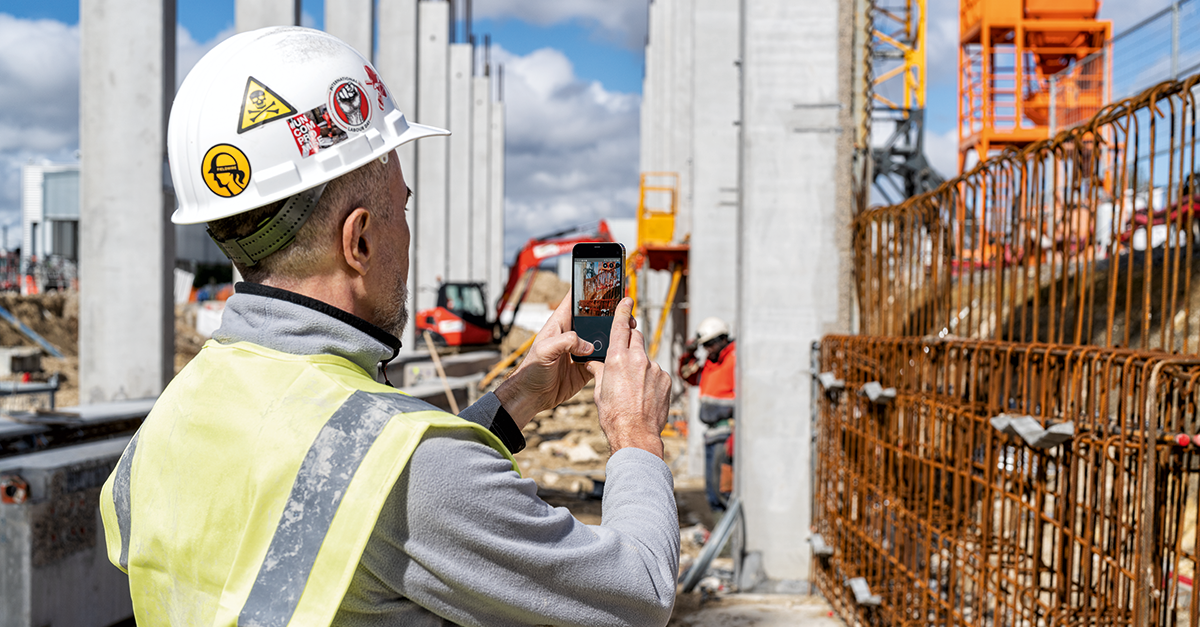
The article examines construction technology innovations expected by 2026, highlighting which developments have already gained traction and which ones will have the most practical impact on job sites. Key advances in automation, materials, and worker safety are reshaping how construction firms operate and manage projects.

AI & MLRobotics
The evolution of Digit: Agility Robotics’ journey from Cassie to Digit 5
Robotics Business Review·Sep 16, 2026

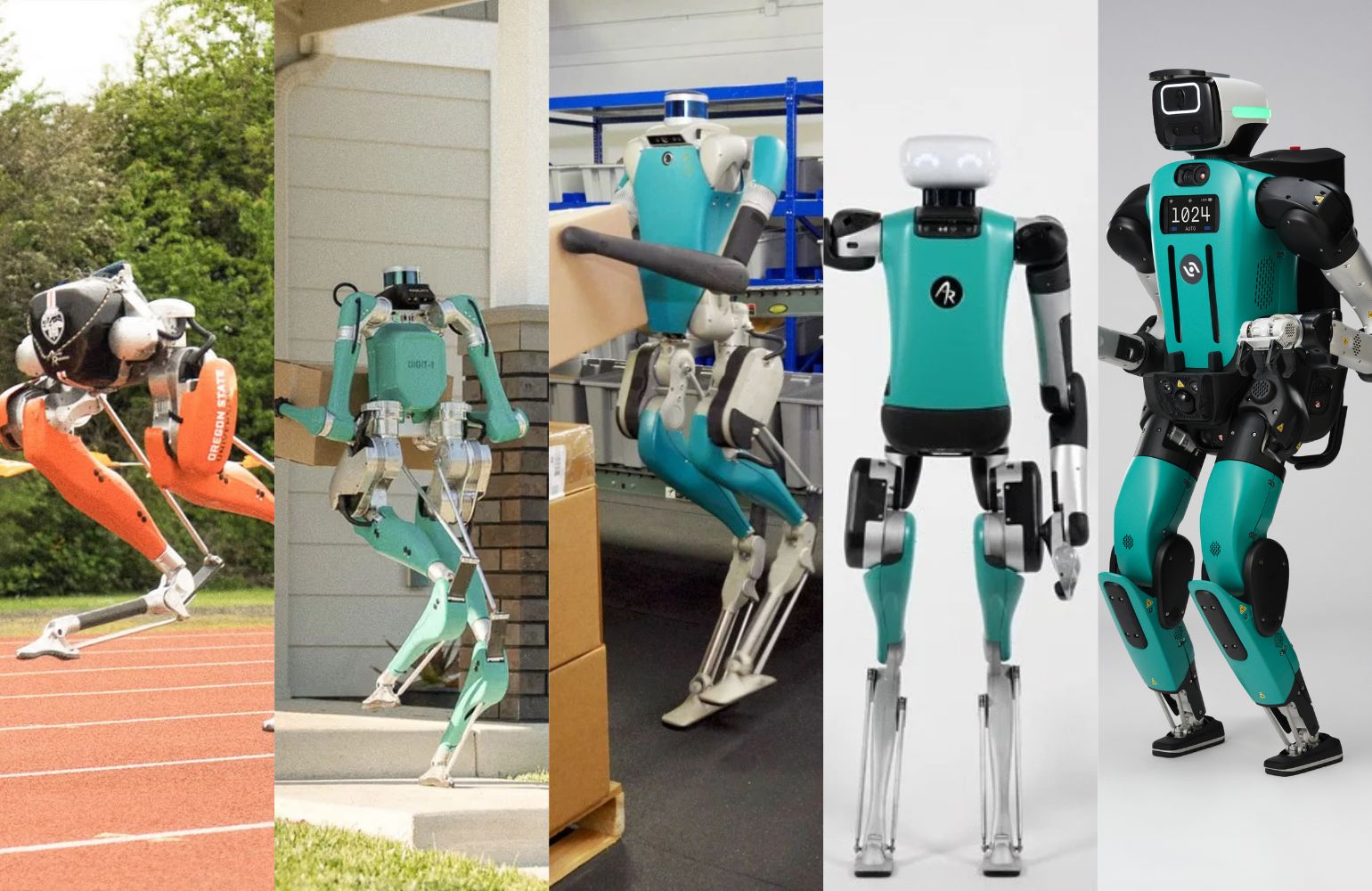
The evolution of Digit: Agility Robotics’ journey from Cassie to Digit 5

Agility Robotics has evolved its bipedal robot technology from the original Cassie platform through five iterations of Digit to tackle real-world industrial applications. The progression demonstrates how the company has refined its robotic systems to meet practical demands in construction and manufacturing environments.

RoboticsAutonomy
InOrbit.AI releases OpenRobOps ISO 21423 reference implementation
Robotics Business Review·Sep 15, 2026

InOrbit.AI releases OpenRobOps ISO 21423 reference implementation

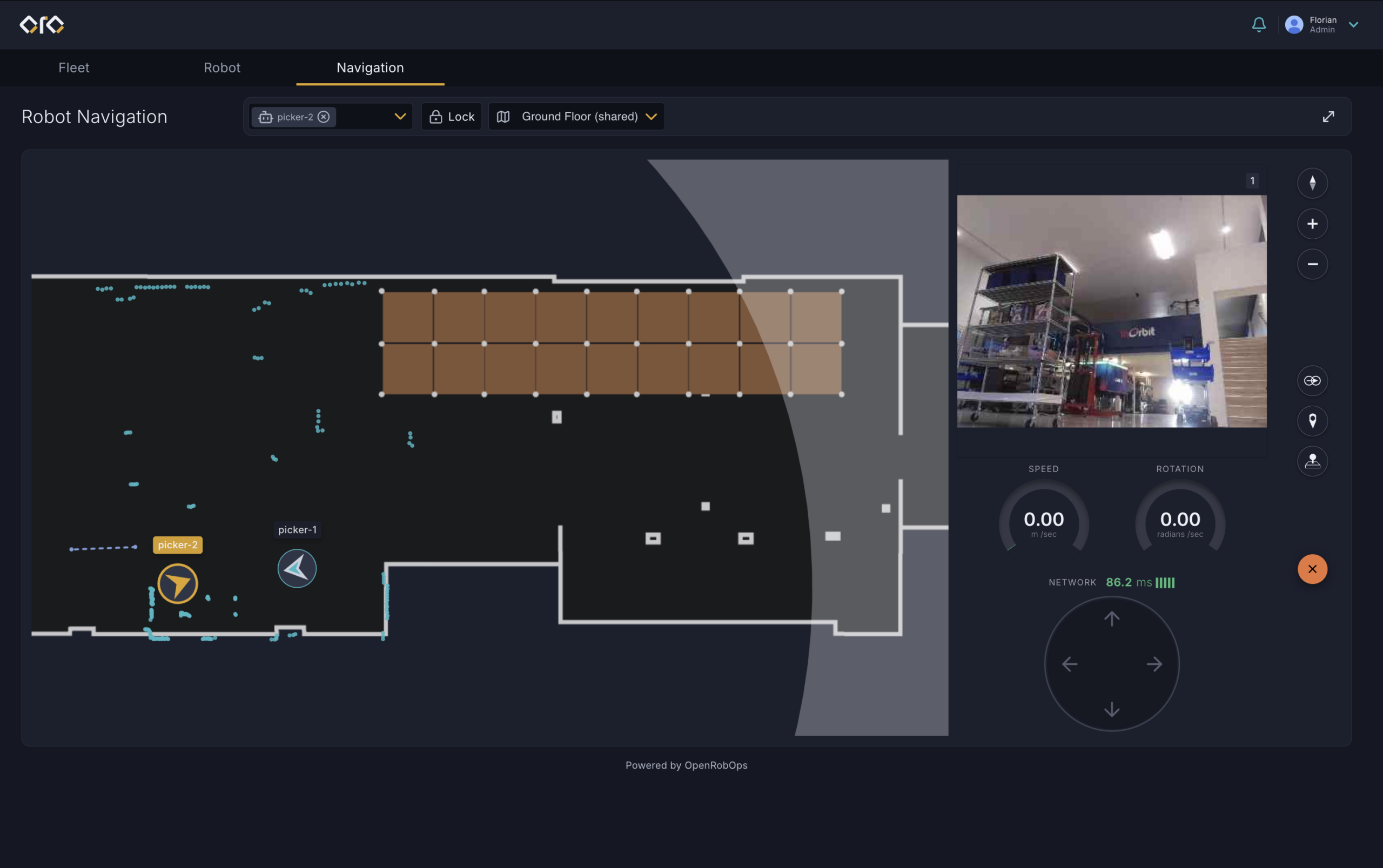
InOrbit.AI has released OpenRobOps, a reference implementation built to support the ISO 21423 interoperability standard for robotics. The platform provides construction companies with a foundation to build fleet management systems that can coordinate multiple robots across job sites.

RoboticsAutonomy
Agility’s Digit 5 humanoid has new legs, batteries, and safety upgrades
Robotics Business Review·Sep 15, 2026

Agility’s Digit 5 humanoid has new legs, batteries, and safety upgrades

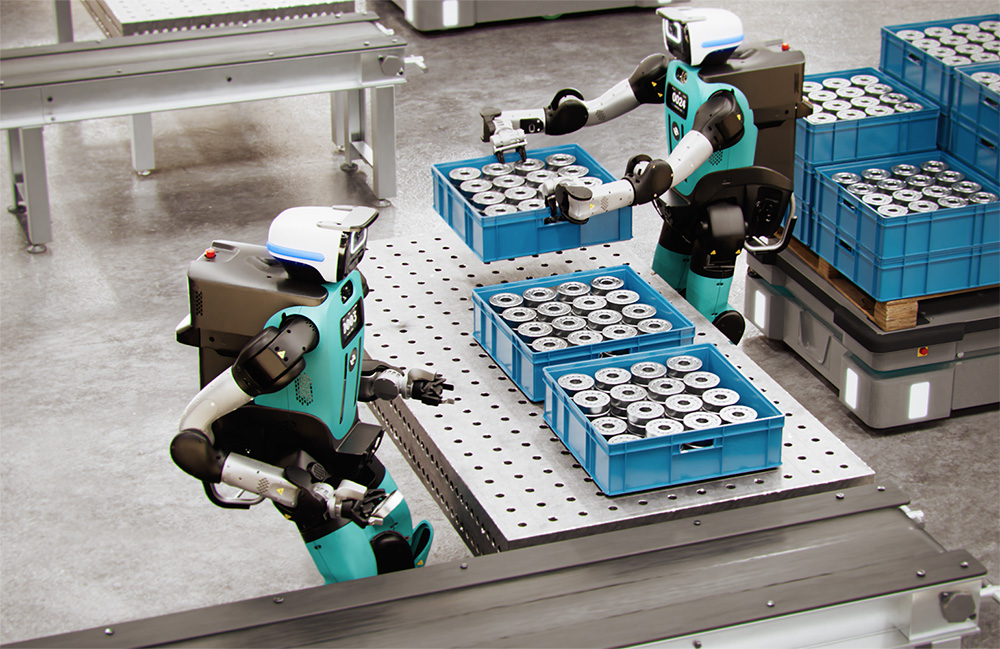
Agility has upgraded its Digit humanoid robot with improved knee joints, enhanced battery capacity, and stronger safety features for construction and logistics tasks. These upgrades aim to increase the robot's durability, runtime, and reliability on job sites.

RoboticsAutonomy
Why RaaS needs more than a subscription model
Robotics Business Review·Sep 14, 2026

Why RaaS needs more than a subscription model

RoboBusiness 2026 will host industry leaders to discuss how Robot-as-a-Service (RaaS) business models work in practice, going beyond simple subscription approaches. Construction firms considering RaaS deployments need to understand the full operational playbook behind these offerings.

RoboticsWorkforce
Report covers advances in surgical robots, deploying warehouse automation in the real world
Robotics Business Review·Sep 14, 2026

Report covers advances in surgical robots, deploying warehouse automation in the real world

Surgical robotics technology is advancing with practical case studies demonstrating real-world applications. Warehouse automation is being deployed through mobile robots designed to optimize material handling operations.

RoboticsAutonomy
Arm to discuss scaling physical AI at RoboBusiness
Robotics Business Review·Sep 14, 2026

Arm to discuss scaling physical AI at RoboBusiness

Arm's VP of physical AI will present on compute principles needed to scale trusted physical AI systems at RoboBusiness. The discussion focuses on the technical foundations required to deploy reliable AI-powered robotics in physical environments.

AI & MLRobotics
WEEKLY DISPATCH
Universal Robots launches its seventh generation robot platform at IMTS
Robotics Business Review·Sep 14, 2026

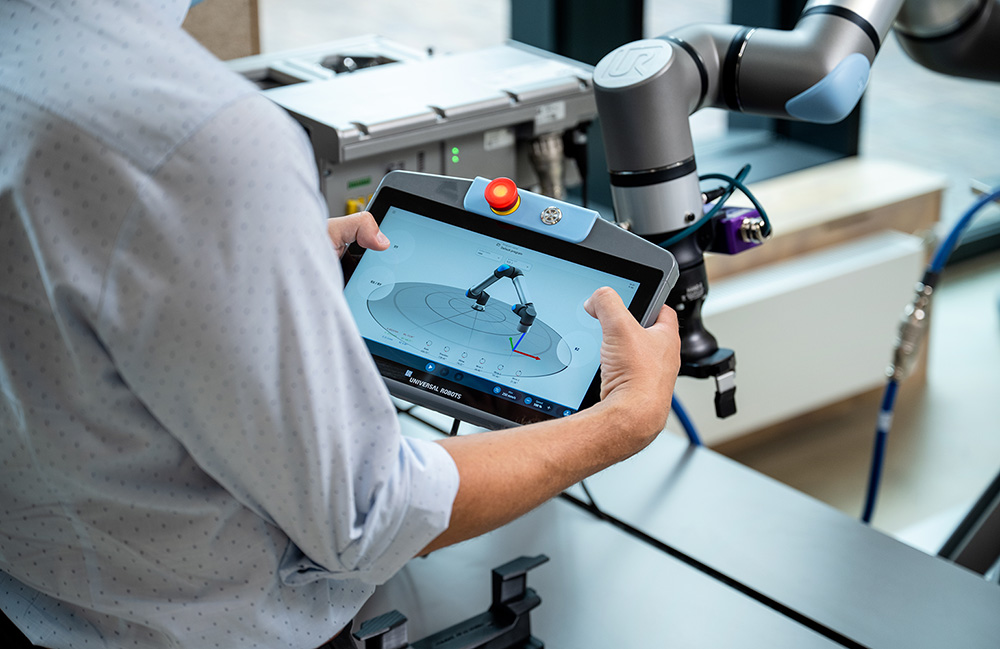
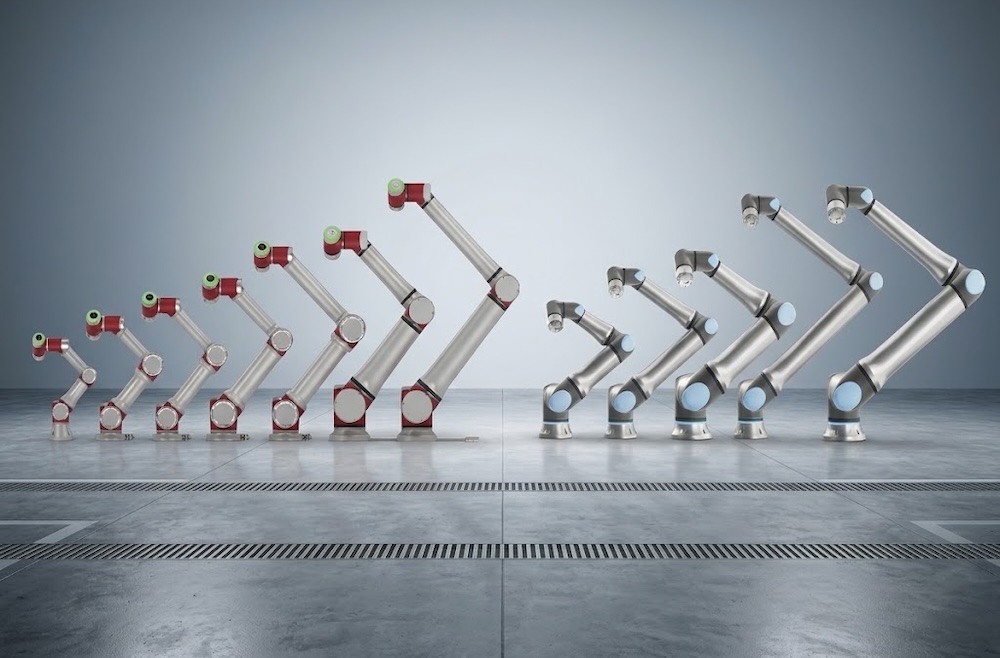
Universal Robots launches its seventh generation robot platform at IMTS

Universal Robots unveiled its seventh generation platform, featuring three new robot arms, an upgraded core controller, and an AI-ready tool flange designed for construction and manufacturing applications. The new generation represents a significant advancement in collaborative robotics capability and performance.

RoboticsAI & ML
How autonomous fleets are changing what’s possible in American agriculture
Robotics Business Review·Sep 13, 2026

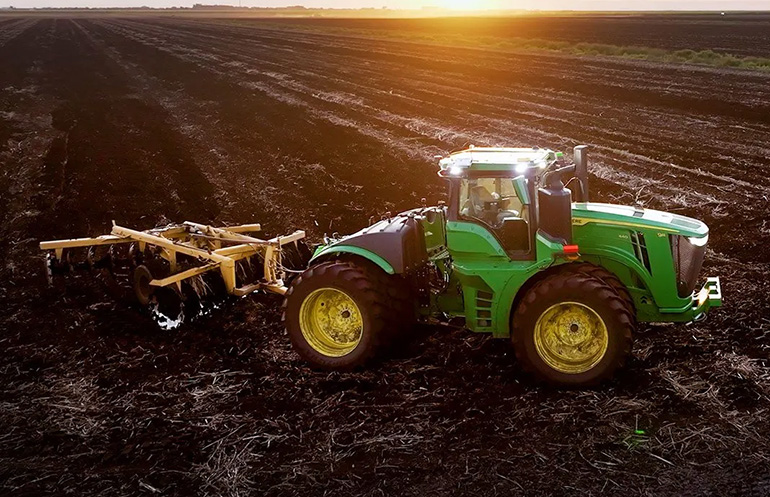
How autonomous fleets are changing what’s possible in American agriculture

Autonomous tractors are being deployed in American agriculture through partnerships like ASI's collaboration with U.S. Sugar and Everglades Equipment, demonstrating new operational capabilities for the industry. The technology shows how autonomous fleet management can expand possibilities for large-scale farming operations.

AutonomyRobotics
Ultrasound offers a scalable path to tactile intelligence for physical AI
Robotics Business Review·Sep 12, 2026

Ultrasound offers a scalable path to tactile intelligence for physical AI

UltraSense has developed an ultrasound-based sensing technology that gives robotic hands the ability to feel and respond to tactile feedback without experiencing wear and tear from traditional touch sensors. This approach could enable construction robots to handle materials and tools more intelligently while maintaining durability on job sites.

RoboticsAI & ML
One brick at a time: How Monumental uses robotics to build walls
Robotics Business Review·Sep 11, 2026

One brick at a time: How Monumental uses robotics to build walls

Monumental is using robotic systems to automate wall construction, improving speed and consistency in bricklaying operations. CEO Salar al Khafaji discusses the company's approach to bringing robotics into traditional masonry work.

RoboticsWorkforce
Learn how AVs and robotics are laying the groundwork for field deployments at RoboBusiness
Robotics Business Review·Sep 11, 2026

Learn how AVs and robotics are laying the groundwork for field deployments at RoboBusiness

ASI CEO Mel Torrie will discuss how autonomous vehicles and robotics are combining to transform field operations and job site deployments. The intersection of these technologies is expected to drive significant advances in how construction and field work gets done.

AutonomyRobotics
How to select the right rack and pinion system for high-precision linear motion
Robotics Business Review·Sep 11, 2026

How to select the right rack and pinion system for high-precision linear motion

Selecting the right rack and pinion system requires careful consideration of pinion size to achieve high-precision linear motion in robotic applications. Proper motion control equipment is essential for robotics designers working on precision-dependent construction tasks.

Robotics
How drone developers are navigating changing regulatory landscapes to help farmers
Robotics Business Review·Sep 11, 2026

How drone developers are navigating changing regulatory landscapes to help farmers

Drone developers are adapting their operations as the FCC implements restrictions on foreign-made robots and previously restricted drones. Agricultural drone companies like Hylio are navigating these regulatory changes to continue serving the farming industry.

RoboticsAutonomy
Teradyne Robotics sues JAKA over 3 Universal Robots patents
Robotics Business Review·Sep 10, 2026

Teradyne Robotics sues JAKA over 3 Universal Robots patents

Teradyne Robotics has filed a lawsuit against JAKA over three Universal Robots patents covering robot interfaces, safety brakes, and joint mechanisms. The patent dispute centers on technology fundamental to collaborative robot design and operation.

Robotics