
Readers’ Poll: Environmental Rollbacks are Top Impact from Trump’s Second Term
Other concerns by readers: stricter immigration policies, rollback of electric vehicle mandates and interest rate cuts.
Electric construction equipment, zero-emission jobsites, battery-powered machinery, decarbonization, and fleet electrification.
106 stories found
Other concerns by readers: stricter immigration policies, rollback of electric vehicle mandates and interest rate cuts.

CES 2026 highlighted how autonomy, AI, and electrification are transforming construction and infrastructure projects. These three technology areas are becoming central drivers reshaping how buildings and infrastructure are designed and built.

Holcim is building the world's first fully electric cement clinker plant opening in 2028, eliminating fossil fuel emissions from a major industrial process. KBR and Mott McDonald are engineering a facility in Amsterdam to handle 200,000 metric tons of liquid hydrogen annually while producing 1.8 million metric tons of carbon-neutral output.
Bechtel and Kiewit have been selected to build a $33 billion power generation project in Pike County, Ohio, backed by Japanese investment to support a major new data center requiring 10 gigawatts of energy capacity. The project, announced in October, represents a significant infrastructure investment in the region.

Inertia Enterprises, a California fusion startup led by former Energy Department officials, raised $450M to commercialize laser-based fusion technology for grid-scale power plants. The company aims to scale this technology into practical power generation infrastructure.
New York City faces a constraint between growing demand for data centers and its aging power infrastructure. Edge data centers—smaller facilities distributed throughout the city rather than centralized in one location—may offer a solution to this capacity challenge.

Hilti's Nuron 22-volt battery platform, launched in 2021, is proving capable of handling heavy-duty applications traditionally reserved for corded and gas-powered tools. The unified battery system is expanding Hilti's ability to compete across more demanding job site tasks.
Revolution Wind's 700-MW offshore project in Rhode Island has begun delivering power as the third operational offshore wind farm in the U.S. Vineyard Wind 1, a larger 800-MW facility off Massachusetts, has finished construction and is the largest completed offshore wind project to date.
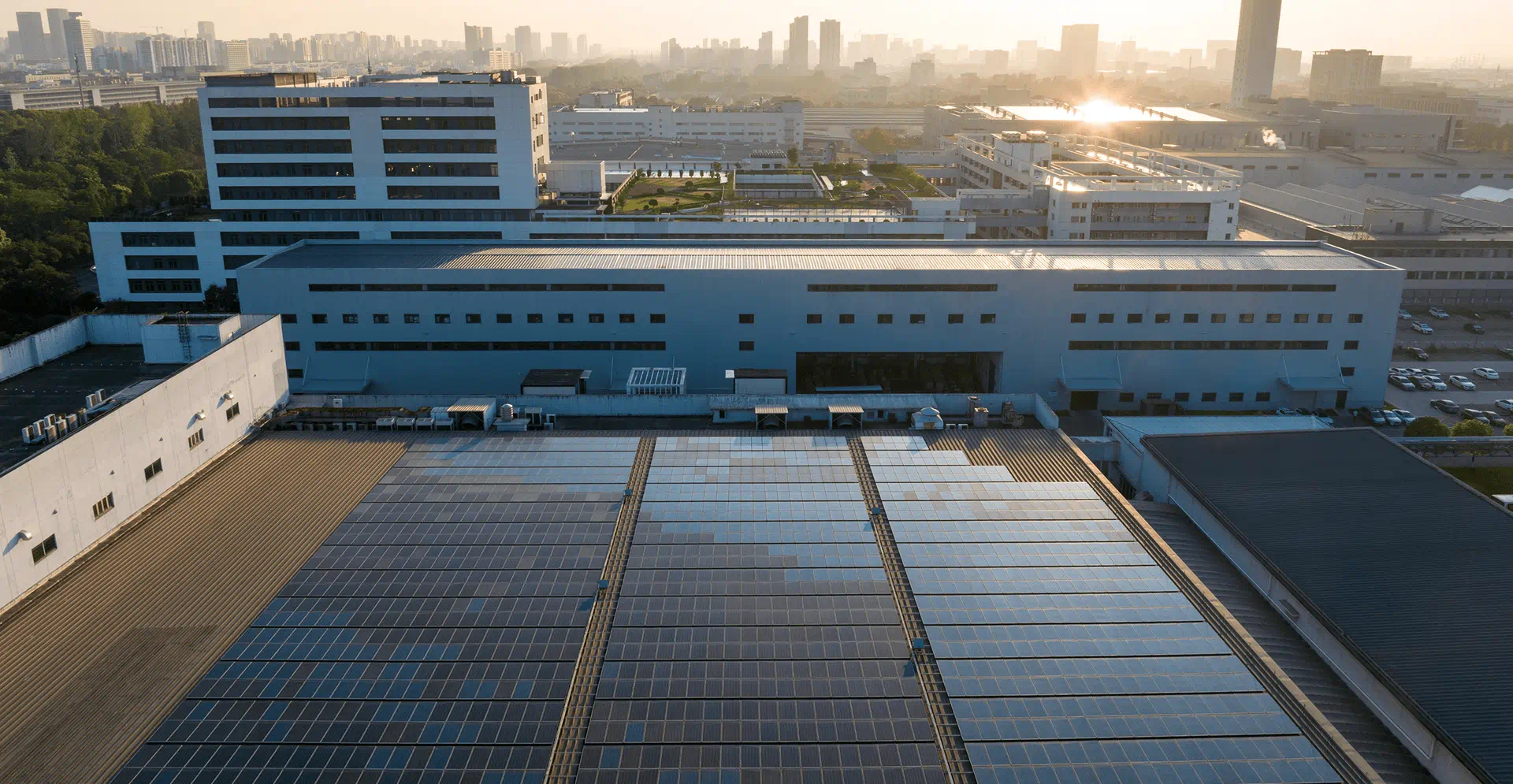
Construction industry decarbonization requires coordinated efforts across supply chains, technology adoption, and policy alignment to reduce carbon emissions from building practices and materials. Collaboration between contractors, material suppliers, and stakeholders is essential to overcome cost barriers and implementation challenges while meeting sustainability commitments.
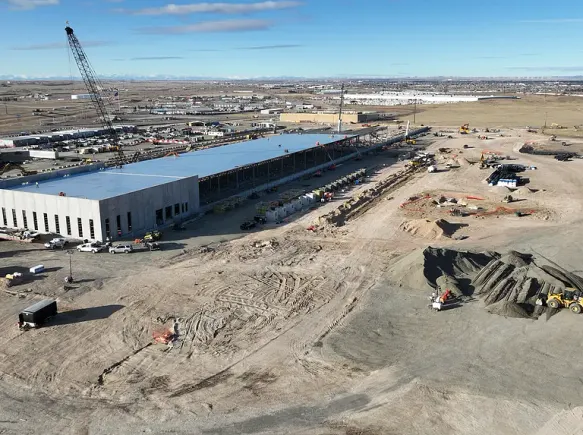
Clayco launched a new power and energy unit to expand its service offerings in the construction sector. The company projects the unit will generate $300 million in revenue by 2027.

UK-based Prolectric hopes to make the thrum of diesel generators a thing of the past with the unveiling of its new three-phase ProCharge battery energy storage system ( BESS ). The ProCharge is a rugged, compact, skid-mounted generator that combines 12 high-wattage solar panels with a massive…
Penzance is investing $4 billion to build a 1.9 million square-foot data center campus in Berkeley County, West Virginia, about an hour northwest of the state's Data Center Alley region. The facility will deliver 600 megawatts of power output once completed.

Wirtgen Vögele recently revealed the battery-powered MINI 500e and the MINI 502e electric pavers. With an electrically heated screed, a range of paving widths, and zero-emission operations, they’re paving a greener, cleaner path. more…
Construction industry leaders must adopt decarbonization strategies now to meet future environmental regulations and reduce operational costs. Implementing sustainable materials, electric equipment, and efficient processes today positions companies ahead of compliance requirements and market demand.

Depending on who you believe, concrete is responsible for between 5 and 10% of global carbon emissions . That’s a lot of carbon, and the quest for carbon neutral concrete has become a multibillion-dollar endeavor – but a team of scientists from Northwestern University thinks they’ve cracked it, and…

Made of cement, carbon black, and water, the device could provide cheap and scalable energy storage for renewable energy sources.