AllAI & MLRoboticsAutonomy3D PrintingElectrificationSafetyWorkforceMaterialsEDITOR'S PICKWEEKLY DISPATCH
Category

Autonomous Equipment

Drones, UAVs, autonomous vehicles, self-driving equipment, machine control, and site automation.

354 stories found

The autonomy transition in construction is now entering a phase where hardware standardization and AI-driven data collection are removing the final barriers to scaled deployment. Komatsu's expansion of autonomous haul truck development across four equipment models in North America signals that tier-one OEMs are treating autonomy as core product strategy rather than experimental sideline—this matters because equipment manufacturers control both hardware and software integration pathways that contractors depend on. Simultaneously, the data infrastructure layer is accelerating: Humyn Labs' $47 million raise to aggregate real-world operational data, coupled with advances in generative AI robotics frameworks, means that the constraint blocking broader adoption has shifted decisively away from algorithmic capability and toward standardized data collection and interoperability. The manufacturing data gap that persists—as recent analysis in Robotics Business Review confirms—is being systematically addressed through dedicated funding and ecosystem focus. What was true six months ago remains true: the question for construction executives is no longer whether autonomy works, but which tasks to prioritize and how to integrate these systems into existing fleet operations.

Task-specific automation continues to validate the near-term ROI narrative. Boston Dynamics' Atlas humanoid robot is moving beyond automotive manufacturing into semiconductor facilities in early 2027, demonstrating that humanoid platforms are approaching the operational maturity needed for specialized construction-adjacent work. MIT's self-correcting autonomous construction blocks and AI-powered drone monitoring with automated change detection show that autonomy is now embedded across the full spectrum of jobsite activities—from materials handling to real-time progress tracking. Rockwell Automation's acquisition of AGILOX, the company's second major robotics purchase in two years, confirms that industrial automation incumbents are consolidating mobile robotics capability as a strategic necessity rather than optional add-on. These developments collectively indicate that construction organizations operating without active autonomy evaluation strategies are falling behind: competitors deploying task-specific autonomous systems are compressing labor-intensive workflows and improving safety profiles, and that efficiency gap compounds every quarter.

The regulatory environment remains unresolved and contingent. California's DMV prohibition on Waymo autonomous vehicles on state freeways signals that public roadway autonomy faces genuine safety validation hurdles that robotics and construction autonomy largely bypass—jobsite environments operate under different regulatory frameworks and safety expectations than public transportation. This distinction matters: construction autonomy deployment doesn't require the level of public regulatory approval that automotive self-driving does, meaning construction organizations can move forward with task-specific and fleet-based autonomous systems while transportation autonomy works through its regulatory maturation cycle. The practical implication is clear: construction teams should evaluate autonomy adoption based on jobsite readiness and ROI, not on the timeline of automotive regulatory approval. The hardware, software, and data infrastructure necessary for construction autonomy are now operationally viable and economically defensible at scale.

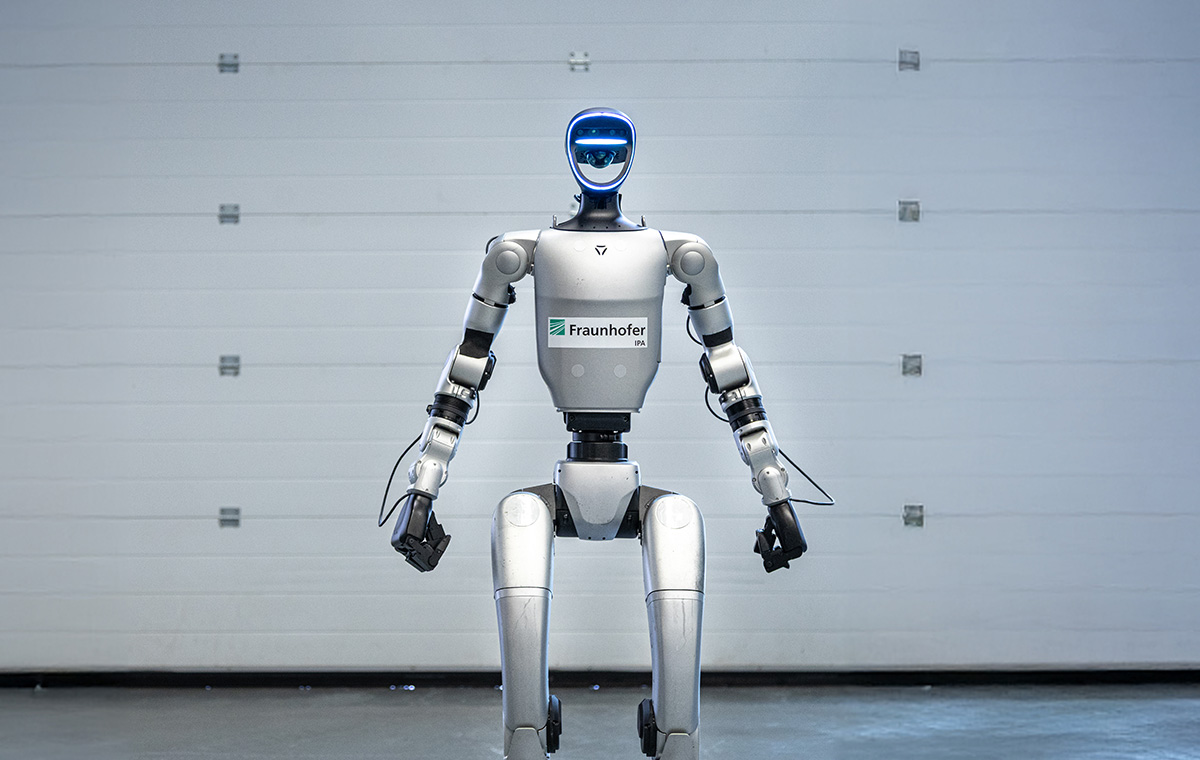
Fraunhofer IPA offers new test benchmark for humanoids
Robotics Business Review·May 17, 2026

Fraunhofer IPA offers new test benchmark for humanoids

Fraunhofer IPA has created a standardized test benchmark to evaluate humanoid robots for use in industrial and construction settings. The benchmark allows third-party analysis to ensure humanoids meet the practical requirements needed for real-world job site applications.


RoboticsAutonomy
Beehive Secures New Contract to Qualify Its 3D Printed Frenzy 8 Jet Engine
3D Printing Industry·May 15, 2026

Beehive Secures New Contract to Qualify Its 3D Printed Frenzy 8 Jet Engine

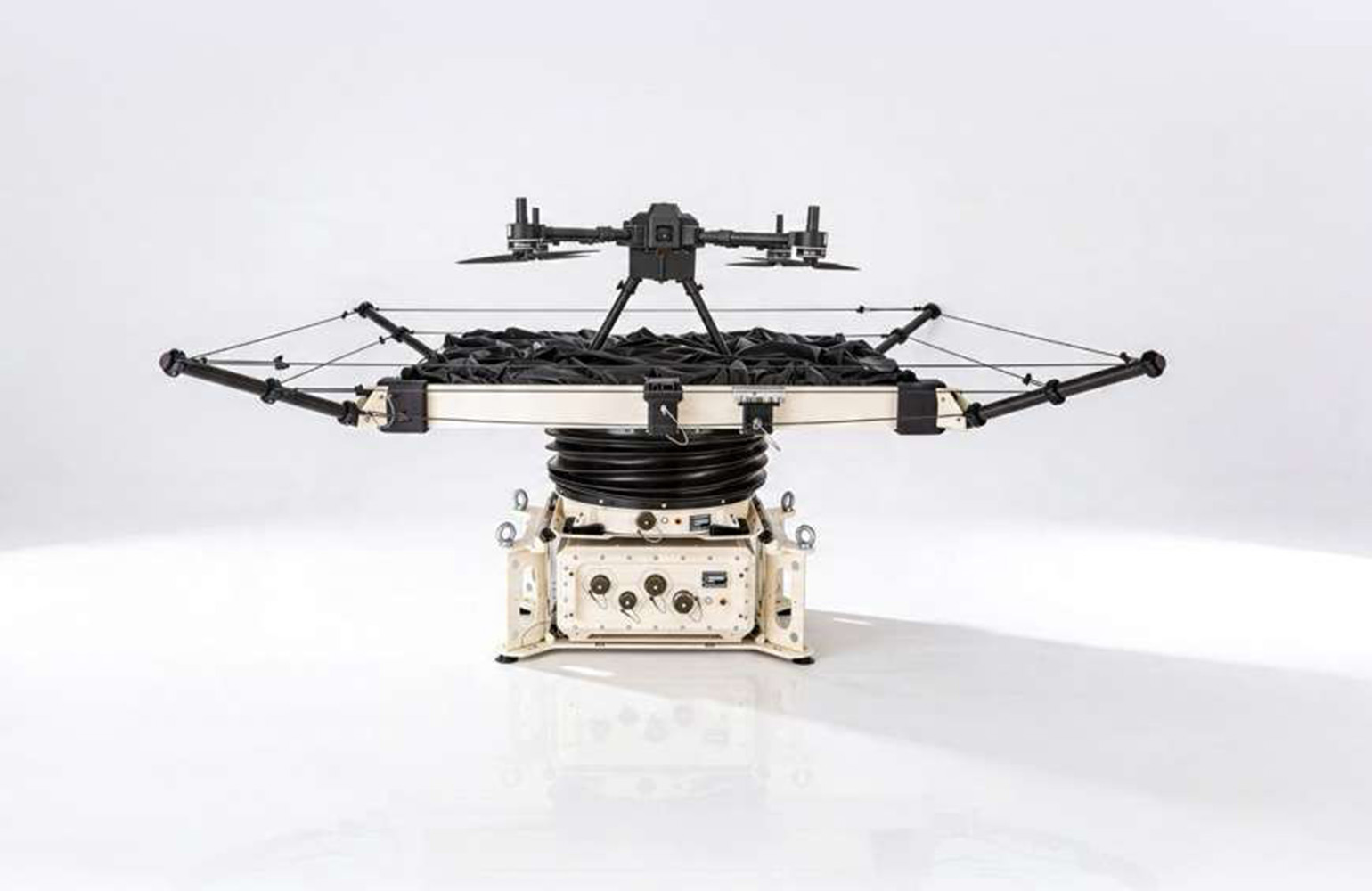
Beehive Industries won a $29.7 million Air Force contract to advance testing and qualification of its Frenzy 8 jet engine, a 3D-printed propulsion system designed for uncrewed aerial systems. The engine represents a significant application of additive manufacturing in aerospace propulsion technology.

3D PrintingAutonomy
Why the world’s most successful robotics founders are systems thinkers
Robotics Business Review·May 16, 2026

Why the world’s most successful robotics founders are systems thinkers

Top robotics founders succeed by thinking about systems as a whole rather than isolated components, which drives productivity gains and opens billion-dollar market opportunities. Systems thinking in robotics helps construction technology companies design solutions that integrate multiple functions and scale effectively across real-world job sites.

RoboticsAutonomy
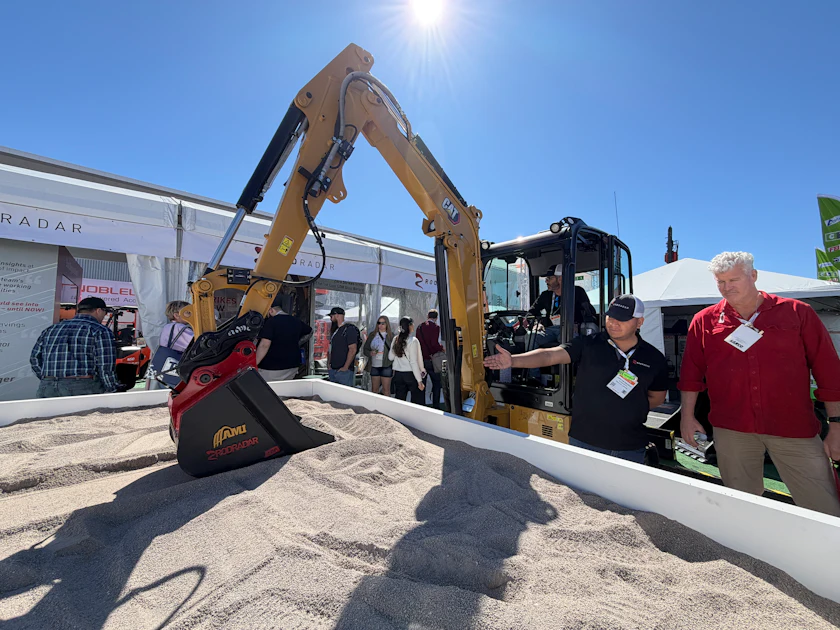
New Hexagon, RodRadar Tech Stops Excavator Bucket Before Striking Utilities
Equipment World·May 11, 2026

New Hexagon, RodRadar Tech Stops Excavator Bucket Before Striking Utilities

Hexagon and RodRadar have developed an AI-powered system that detects buried utilities in real time and automatically halts excavator buckets to prevent strikes. The technology integrates with excavators to add an automated safety layer that protects workers and infrastructure on job sites.

AI & MLAutonomy
How agentic AI can enable general-purpose robotic navigation
Robotics Business Review·May 16, 2026

How agentic AI can enable general-purpose robotic navigation

Agentic AI is advancing robotic navigation by integrating perception, mapping, reasoning, and planning capabilities that allow machines to operate effectively in changing job site conditions. This technology enables general-purpose robots to handle the complex spatial awareness and decision-making required for autonomous construction tasks.

AI & MLRobotics
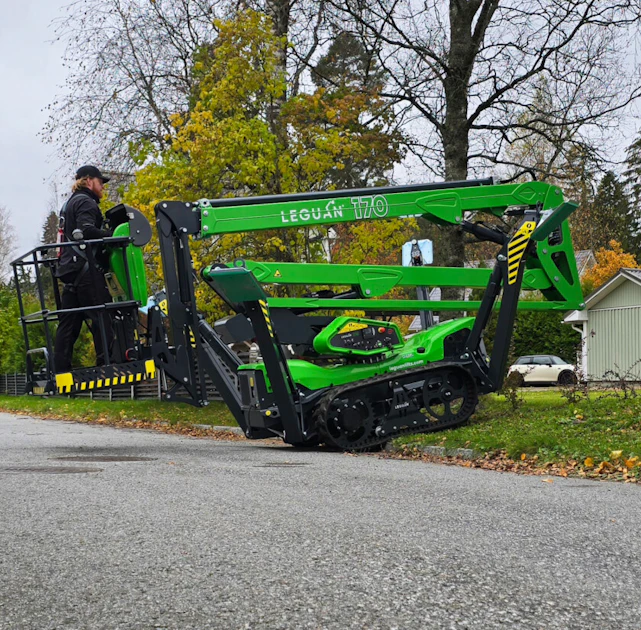
Leguan Lifts' Smallest All-Terrain Spider Lift Debuts: The Leguan 170
Equipment World·May 4, 2026

Leguan Lifts' Smallest All-Terrain Spider Lift Debuts: The Leguan 170

Leguan Lifts introduced the 170, its smallest all-terrain spider lift model, which reaches 55.1 feet and is designed for off-road job sites. The unit features automatic setup and compact transport dimensions for improved jobsite mobility and efficiency.

Autonomy
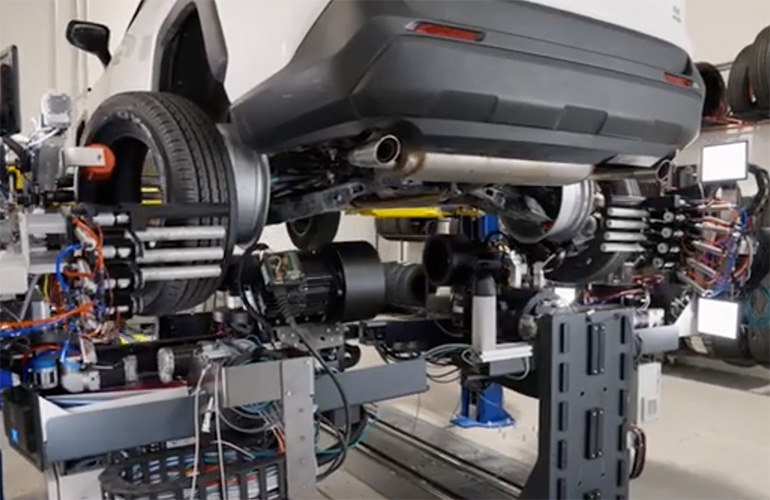
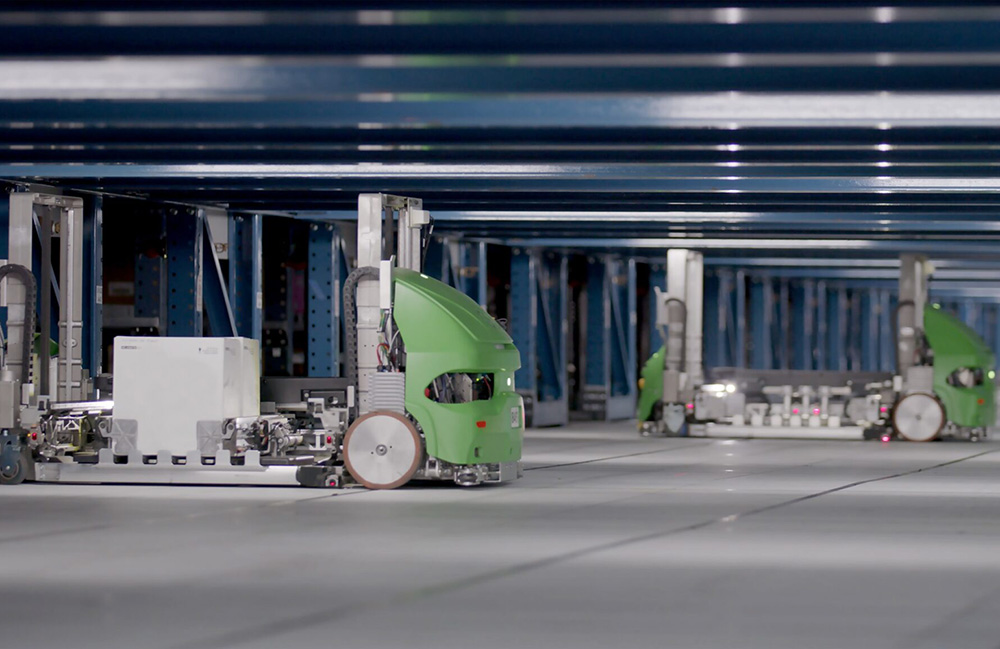
Automated Tire decloaks with new autonomous tire-changing SmartBay
Robotics Business Review·May 12, 2026

Automated Tire decloaks with new autonomous tire-changing SmartBay

Automated Tire has introduced SmartBay, an autonomous tire-changing system that allows a single technician to oversee tire changes across up to three vehicle bays simultaneously. The system increases operational efficiency by reducing the labor required for routine tire maintenance work.

RoboticsAutonomy
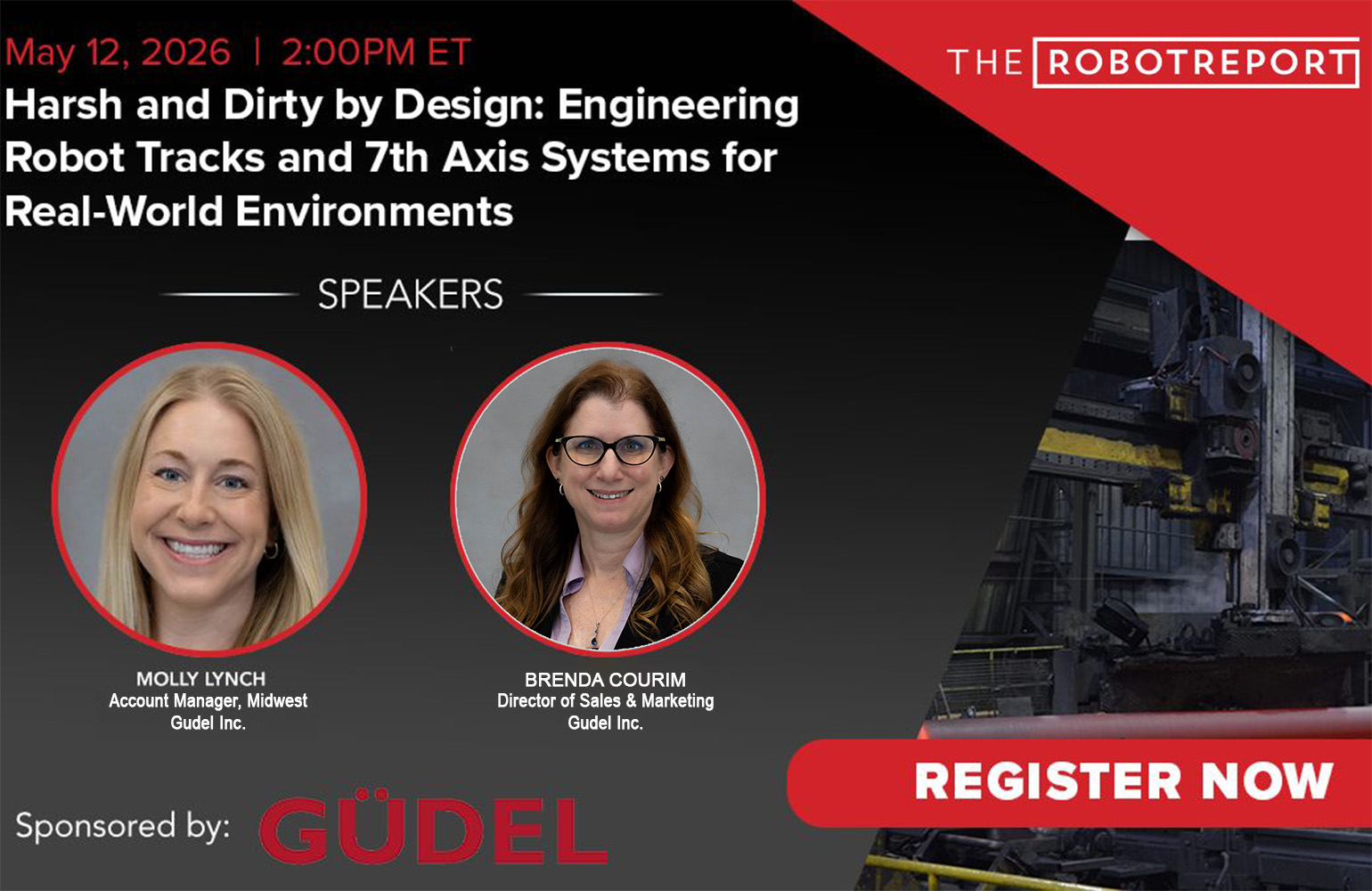
How to engineer robot tracks and 7th axis systems for real-world environments
Robotics Business Review·May 10, 2026

How to engineer robot tracks and 7th axis systems for real-world environments

Güdel experts explain how to design robot tracks and 7th axis linear motion systems that perform reliably in harsh, dirty construction environments. Proper engineering of these components is essential for mobile robots to function effectively on real job sites.

RoboticsAutonomy
WEEKLY DISPATCH
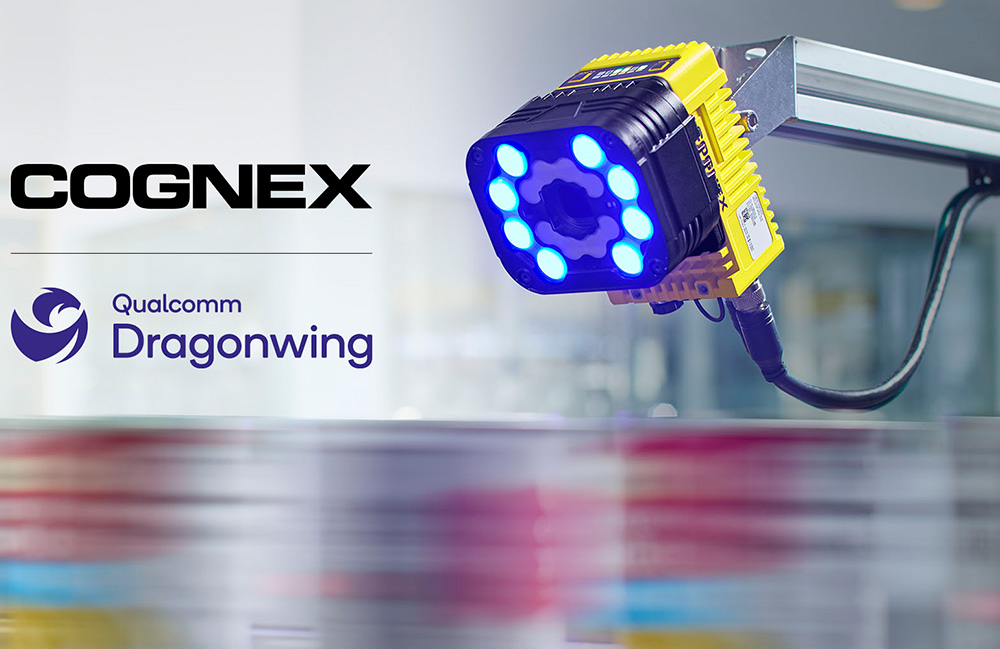
Cognex releases fully integrated AI-powered vision system for robotics
Robotics Business Review·May 9, 2026

Cognex releases fully integrated AI-powered vision system for robotics

Cognex has introduced a new vision system that integrates AI, advanced computing, and traditional vision tools specifically designed for robotic applications. The unified platform combines edge AI processing with high-performance embedded compute to deliver real-time visual intelligence for construction robots.

AI & MLRobotics
Learn how to successfully design hospital logistics robots at the Robotics Summit
Robotics Business Review·May 8, 2026

Learn how to successfully design hospital logistics robots at the Robotics Summit

Experts from Rovex Technologies, SKA Robotics, and ST Engineering Aethon will share design best practices for hospital logistics robots at the Robotics Summit. The session covers key considerations for deploying robotic systems in healthcare facility operations.

RoboticsAutonomy
Nyobolt raises funding to bring fast charging to more robots
Robotics Business Review·May 8, 2026

Nyobolt raises funding to bring fast charging to more robots

Nyobolt has secured funding to expand its fast-charging power systems for robots, with revenue growing fivefold year over year. The company's high-efficiency batteries enable construction robots to work longer and perform better on job sites.

RoboticsElectrification
Hugging Face launches agentic toolkit for Reachy Mini
Robotics Business Review·May 7, 2026

Hugging Face launches agentic toolkit for Reachy Mini

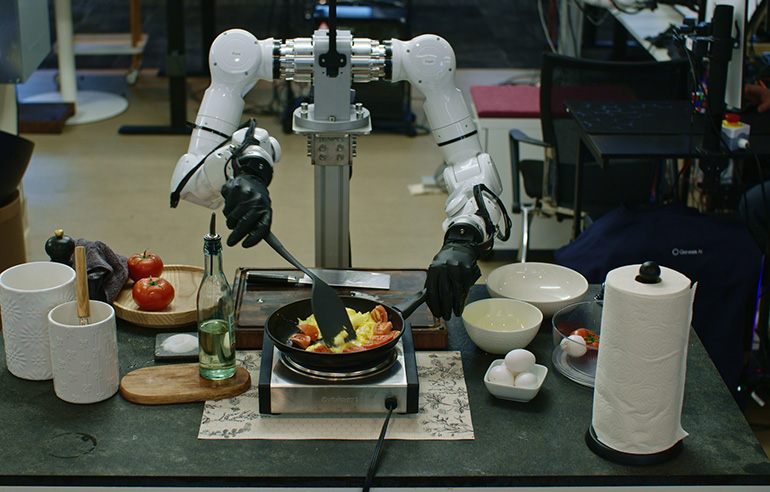
Hugging Face has released an agentic toolkit that allows users to program the Reachy Mini robot by describing desired behaviors in plain English rather than writing code manually. The system automatically generates, tests, and deploys code to the robot, simplifying robotic automation for construction and other industries.

AI & MLRobotics
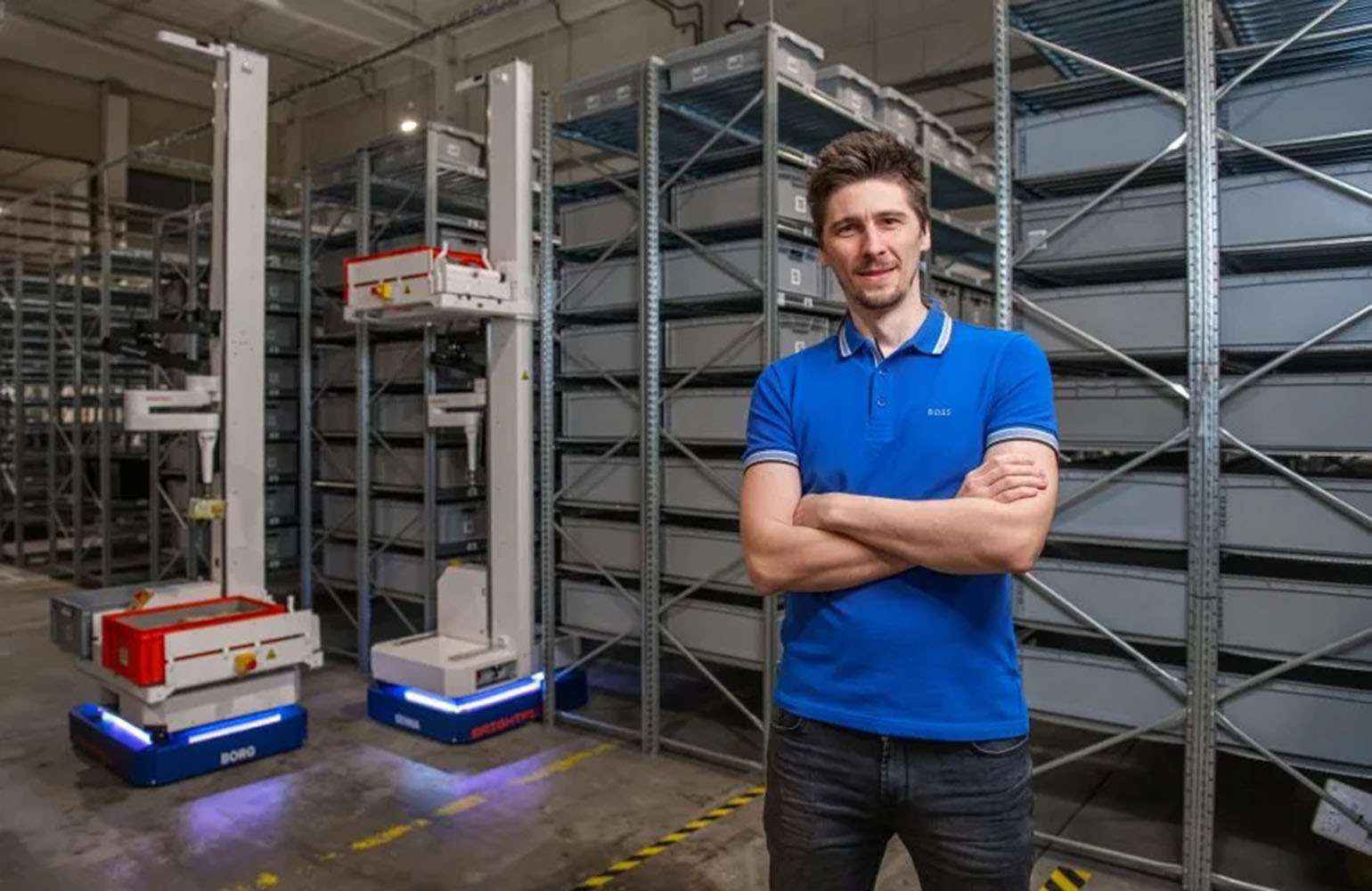
Brightpick to outline the path to lights-out warehouses at Robotics Summit
Robotics Business Review·May 7, 2026

Brightpick to outline the path to lights-out warehouses at Robotics Summit

Brightpick's CEO will present a practical roadmap for achieving fully autonomous warehouse operations at the Robotics Summit. The presentation focuses on the practical steps needed to move toward lights-out warehouses with minimal human intervention.

RoboticsAutonomy
Genesis AI introduces GENE-26.5 model for more dexterous robot manipulation
Robotics Business Review·May 6, 2026

Genesis AI introduces GENE-26.5 model for more dexterous robot manipulation

Genesis AI has unveiled the GENE-26.5 foundation model, a new AI system designed to enable robots to perform complex manipulation tasks with improved dexterity. The model leverages an advanced data engine and a custom robotic hand to achieve higher precision in handling and assembly work.

AI & MLRobotics
WaiV Robotics emerges from stealth to help drones take off and land at sea
Robotics Business Review·May 5, 2026

WaiV Robotics emerges from stealth to help drones take off and land at sea

WaiV Robotics has launched with $7.5 million in funding to develop automated drone landing and takeoff systems designed specifically for maritime operations. The company is now seeking OEM partnerships to bring its technology to market.

RoboticsAutonomy
Tutor Intelligence builds Data Factory to train robot AI in the real world
Robotics Business Review·May 5, 2026

Tutor Intelligence builds Data Factory to train robot AI in the real world

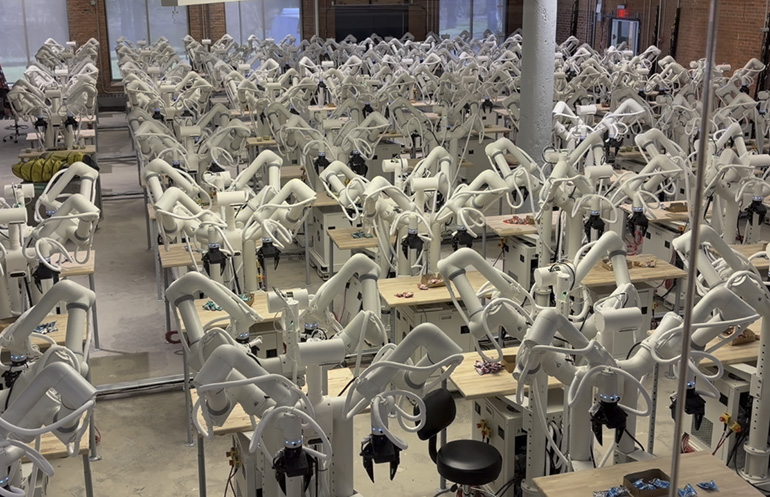
Tutor Intelligence is operating 100 Sonny semi-humanoid robots at its headquarters to create a real-world data factory for training AI systems. The company is sharing technology and data across its robot fleet, including Cassie mobile manipulators, to accelerate AI development for robotic construction applications.

AI & MLRobotics
ABB Robotics launches OmniVance autonomous surface finishing cell
Robotics Business Review·May 4, 2026

ABB Robotics launches OmniVance autonomous surface finishing cell

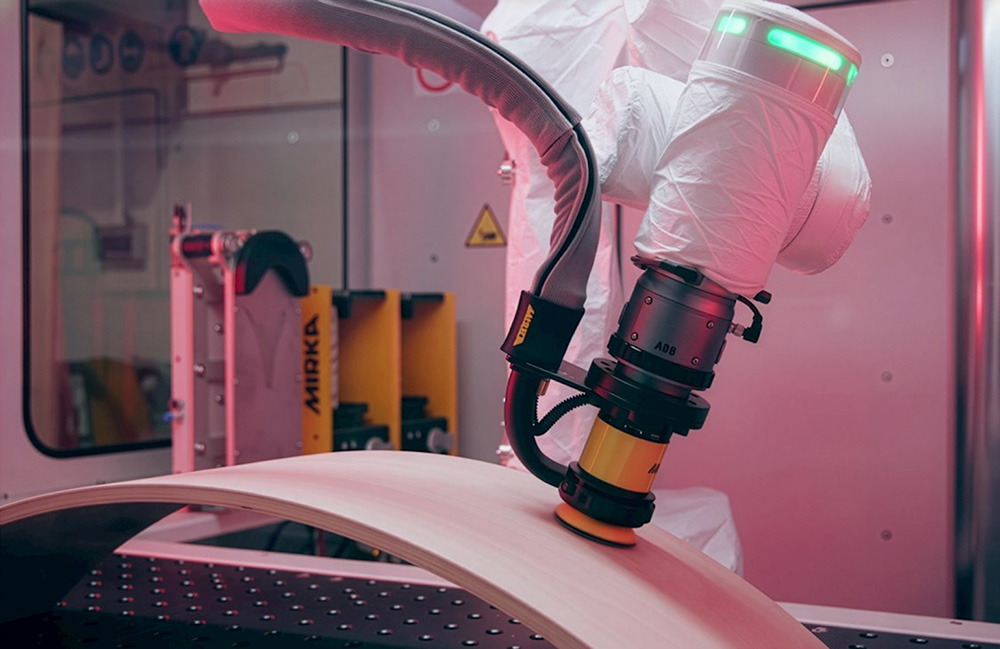
ABB Robotics introduced the OmniVance Collaborative Surface Finishing Cell, which automates sanding and polishing work that is typically repetitive and labor-intensive. The autonomous cell handles surface finishing tasks that contractors currently perform manually, potentially reducing labor demands on job sites.

RoboticsAutonomy
Inside Colin Angle’s bid to build companion robots with Familiar Machines & Magic
Robotics Business Review·May 4, 2026

Inside Colin Angle’s bid to build companion robots with Familiar Machines & Magic

Colin Angle, founder of iRobot, is launching Familiar Machines & Magic to develop quadruped companion robots designed to perform tasks on job sites and in other environments. The startup aims to establish a new category of robotic assistants that can handle practical work challenges beyond current automation capabilities.

RoboticsAutonomy