AllAI & MLRoboticsAutonomy3D PrintingElectrificationSafetyWorkforceMaterialsEDITOR'S PICKWEEKLY DISPATCH
Category

Autonomous Equipment

Drones, UAVs, autonomous vehicles, self-driving equipment, machine control, and site automation.

354 stories found

The autonomy transition in construction is now entering a phase where hardware standardization and AI-driven data collection are removing the final barriers to scaled deployment. Komatsu's expansion of autonomous haul truck development across four equipment models in North America signals that tier-one OEMs are treating autonomy as core product strategy rather than experimental sideline—this matters because equipment manufacturers control both hardware and software integration pathways that contractors depend on. Simultaneously, the data infrastructure layer is accelerating: Humyn Labs' $47 million raise to aggregate real-world operational data, coupled with advances in generative AI robotics frameworks, means that the constraint blocking broader adoption has shifted decisively away from algorithmic capability and toward standardized data collection and interoperability. The manufacturing data gap that persists—as recent analysis in Robotics Business Review confirms—is being systematically addressed through dedicated funding and ecosystem focus. What was true six months ago remains true: the question for construction executives is no longer whether autonomy works, but which tasks to prioritize and how to integrate these systems into existing fleet operations.

Task-specific automation continues to validate the near-term ROI narrative. Boston Dynamics' Atlas humanoid robot is moving beyond automotive manufacturing into semiconductor facilities in early 2027, demonstrating that humanoid platforms are approaching the operational maturity needed for specialized construction-adjacent work. MIT's self-correcting autonomous construction blocks and AI-powered drone monitoring with automated change detection show that autonomy is now embedded across the full spectrum of jobsite activities—from materials handling to real-time progress tracking. Rockwell Automation's acquisition of AGILOX, the company's second major robotics purchase in two years, confirms that industrial automation incumbents are consolidating mobile robotics capability as a strategic necessity rather than optional add-on. These developments collectively indicate that construction organizations operating without active autonomy evaluation strategies are falling behind: competitors deploying task-specific autonomous systems are compressing labor-intensive workflows and improving safety profiles, and that efficiency gap compounds every quarter.

The regulatory environment remains unresolved and contingent. California's DMV prohibition on Waymo autonomous vehicles on state freeways signals that public roadway autonomy faces genuine safety validation hurdles that robotics and construction autonomy largely bypass—jobsite environments operate under different regulatory frameworks and safety expectations than public transportation. This distinction matters: construction autonomy deployment doesn't require the level of public regulatory approval that automotive self-driving does, meaning construction organizations can move forward with task-specific and fleet-based autonomous systems while transportation autonomy works through its regulatory maturation cycle. The practical implication is clear: construction teams should evaluate autonomy adoption based on jobsite readiness and ROI, not on the timeline of automotive regulatory approval. The hardware, software, and data infrastructure necessary for construction autonomy are now operationally viable and economically defensible at scale.

WEEKLY DISPATCH
5 Physical AI Infrastructure Platforms Shaping Robotics in 2026
Robotics Business Review·Jul 30, 2026

5 Physical AI Infrastructure Platforms Shaping Robotics in 2026

Five key infrastructure platforms are emerging to support physical AI and robotics deployment, covering areas like accelerated computing, simulation, data management, and continuous learning. These platforms represent critical control points that will shape how robotics technology develops and integrates into construction operations through 2026.

AI & MLRobotics
New requirements for automatic braking and electronic logging are on DOT’s to-do list
Safety+Health Magazine·Jul 20, 2026

New requirements for automatic braking and electronic logging are on DOT’s to-do list

The Department of Transportation is moving forward with new regulations requiring automatic emergency braking systems on heavy trucks as part of its updated regulatory agenda. The rule aims to improve safety for commercial vehicles operating on U.S. roads.

AutonomySafety
DoorDash gains FAA certification to operate its own drone delivery program
Robotics Business Review·Jul 30, 2026

DoorDash gains FAA certification to operate its own drone delivery program

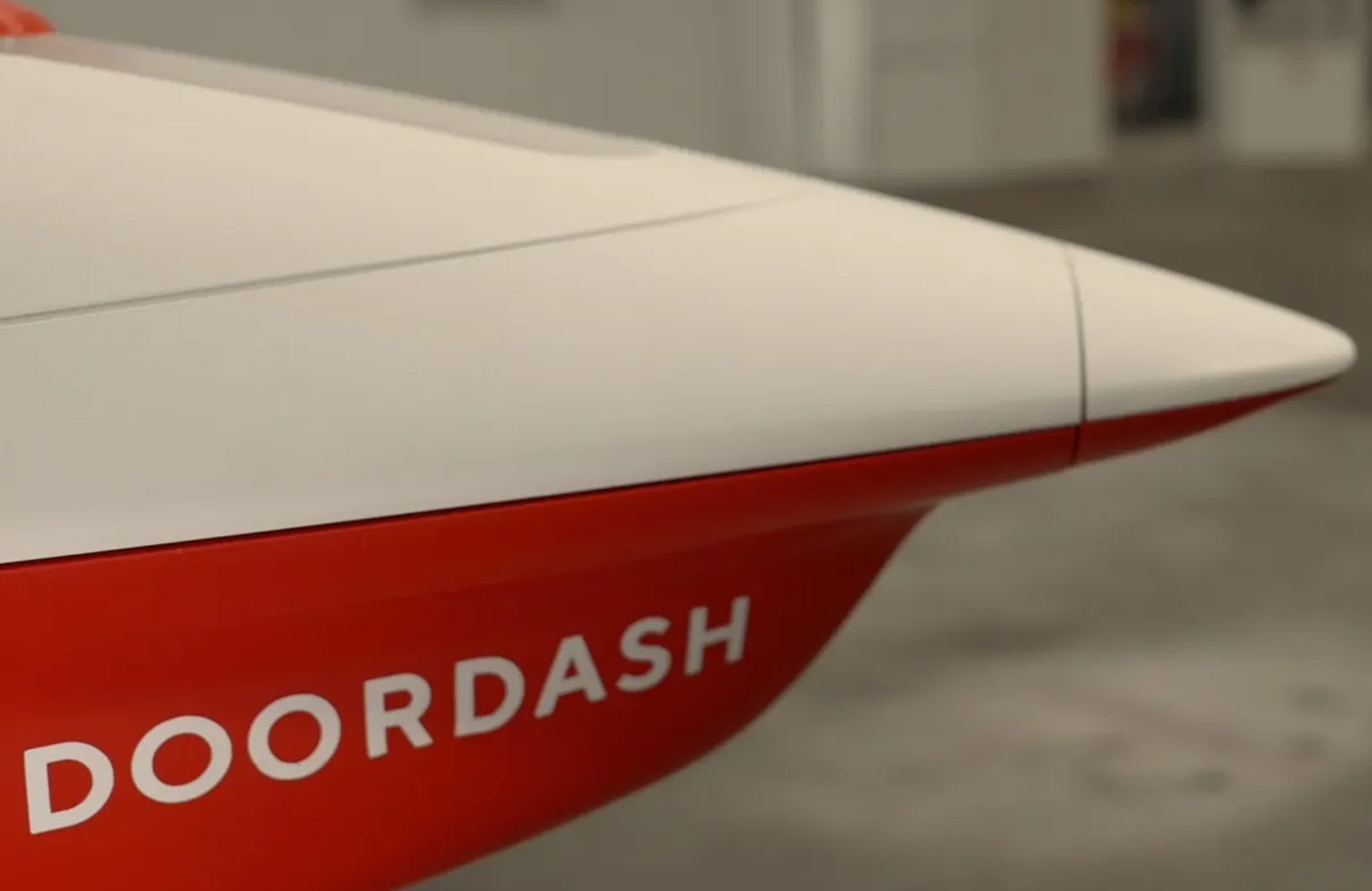
DoorDash received FAA certification to operate its own drone delivery program, marking a significant milestone in autonomous delivery technology. The approval demonstrates how construction and logistics companies are increasingly developing in-house automation capabilities to streamline operations.

RoboticsAutonomy
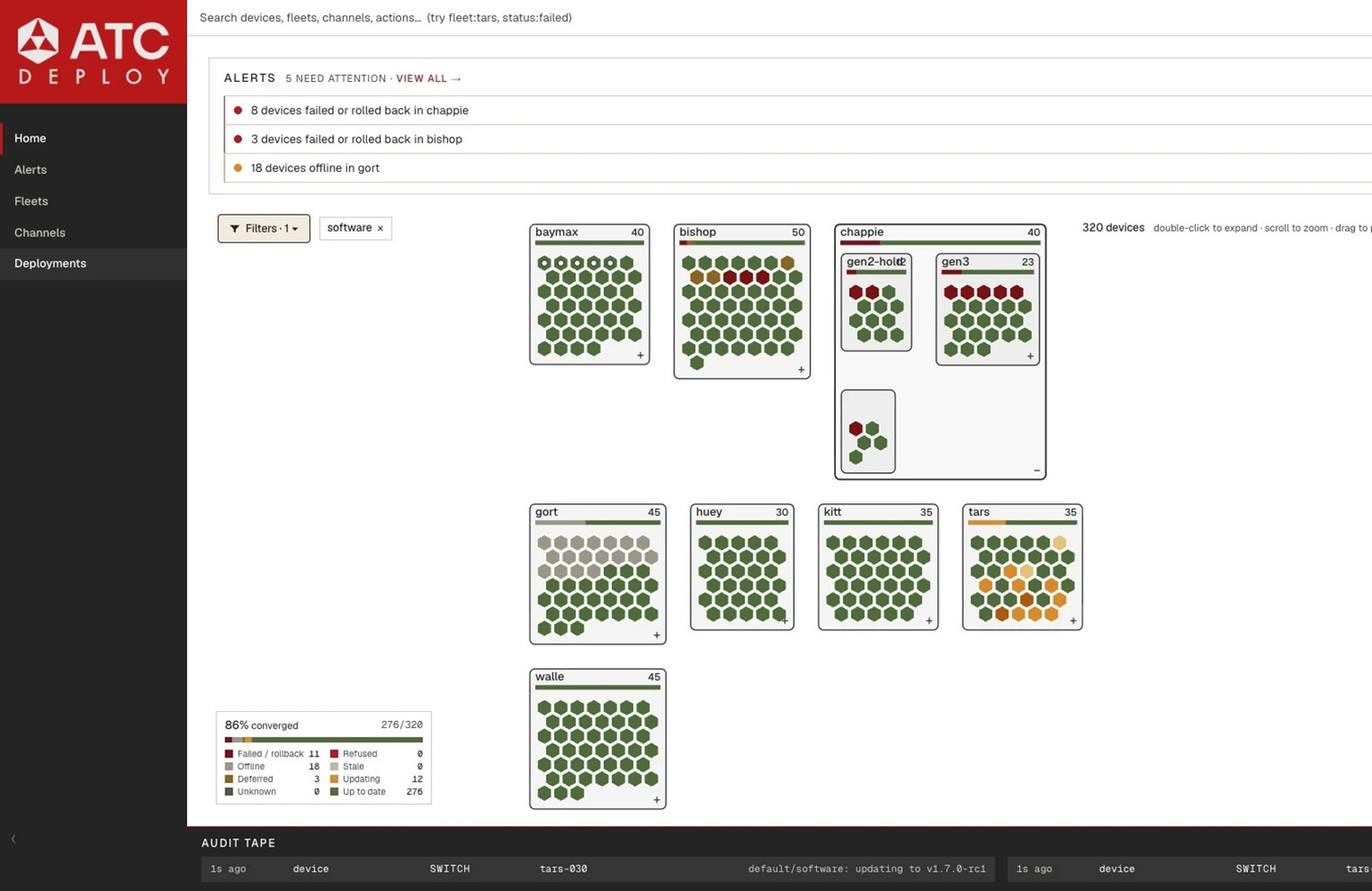
Agency Tool Company wants to make OTA software updates easier
Robotics Business Review·Jul 28, 2026

Agency Tool Company wants to make OTA software updates easier

Former Scythe co-founders launched Agency Tool Co. to help robotics developers simplify over-the-air software updates for their machines. The company draws on their experience building commercial robots to create developer tools that make software deployment faster and more reliable.

RoboticsAutonomy
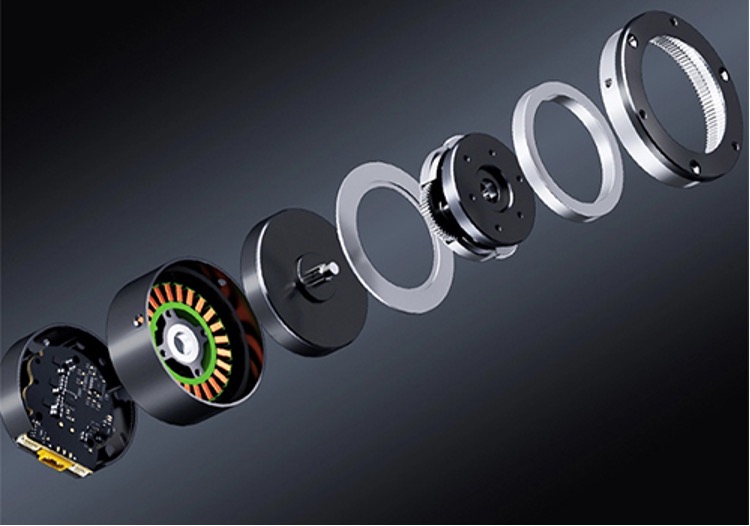
How integrated actuators improve humanoid robot joint performance and system integration
Robotics Business Review·Jul 28, 2026

How integrated actuators improve humanoid robot joint performance and system integration

Integrated actuators are enhancing the performance and efficiency of joints in humanoid robots through better system integration. These advances in robotic technology are attracting significant investment from universities, research institutions, and major technology companies focused on practical applications.

RoboticsAutonomy
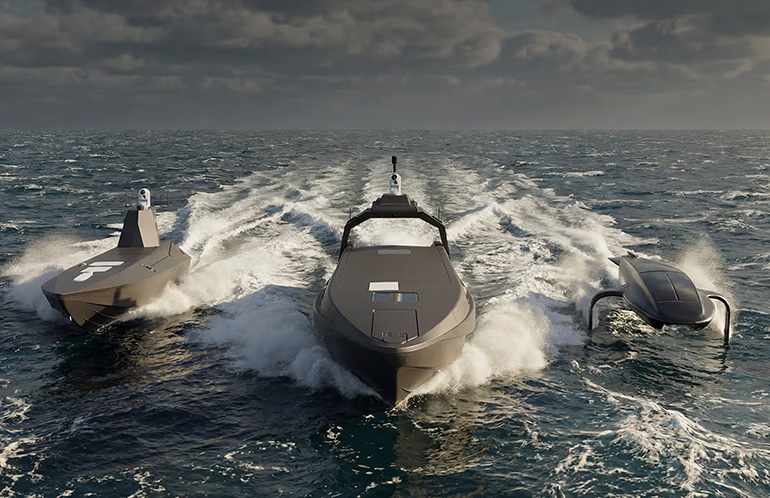
Kraken Technology raises Series B funding for autonomous vessels
Robotics Business Review·Jul 27, 2026

Kraken Technology raises Series B funding for autonomous vessels

Kraken Technology secured Series B funding to advance its uncrewed surface vessel technology for maritime and offshore applications. The company will use the capital to accelerate development and establish manufacturing operations across multiple global regions.

RoboticsAutonomy
WEEKLY DISPATCH
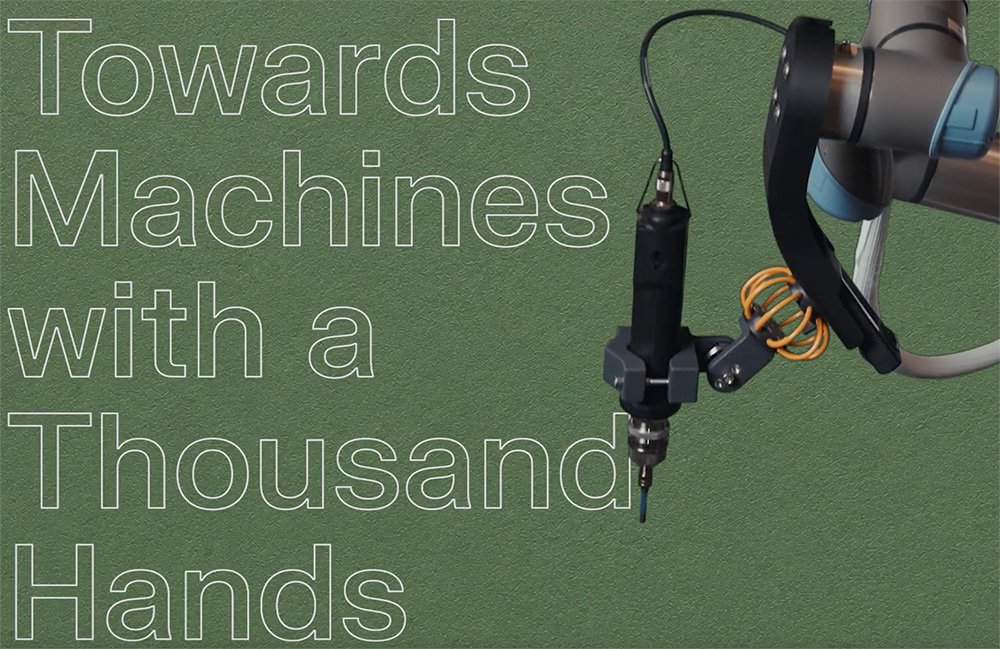
Generalist’s GEN-1 foundation model now supports a range of robot end effectors
Robotics Business Review·Jul 24, 2026

Generalist’s GEN-1 foundation model now supports a range of robot end effectors

Generalist's GEN-1 foundation model can now be trained to work with different robot hands and end effectors, allowing a single base model to control multiple robots. This advancement means construction crews could deploy the same AI system across various robotic equipment without retraining from scratch.

AI & MLRobotics
WEEKLY DISPATCH
Holiday Robotics raises $105M for its FRIDAY wheeled humanoid
Robotics Business Review·Jul 23, 2026

Holiday Robotics raises $105M for its FRIDAY wheeled humanoid

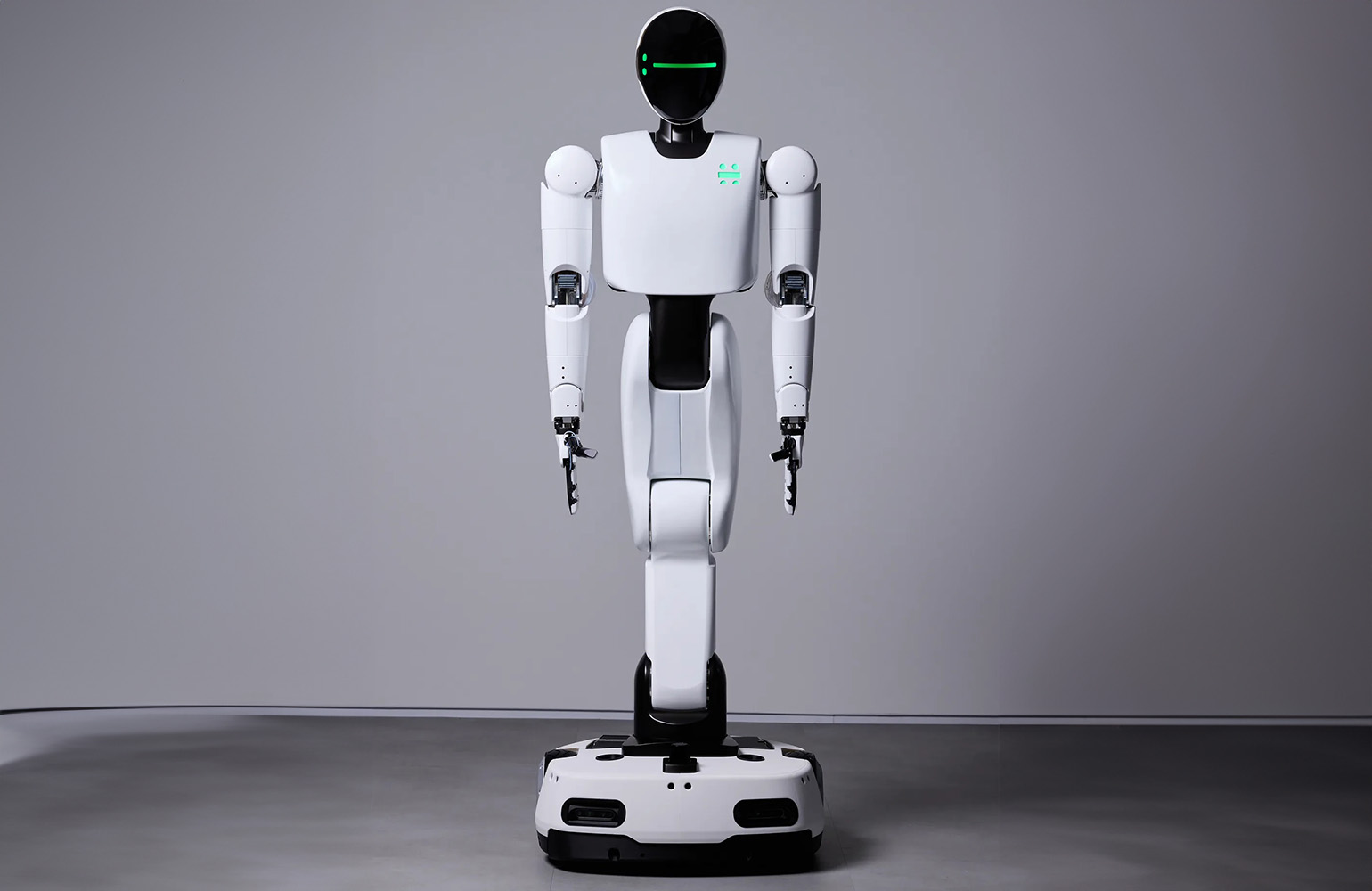
Holiday Robotics secured $105M in funding for FRIDAY, a wheeled humanoid robot designed for dexterous manipulation tasks. The robot features a mobile base with hot-swappable batteries and an upper body capable of precise handling work.

RoboticsAutonomy
WEEKLY DISPATCH
Uber co-founder raises $1.7B for new robotics startup ATOMS
Robotics Business Review·Jul 23, 2026

Uber co-founder raises $1.7B for new robotics startup ATOMS

Travis Kalanick, Uber's former CEO, launched a new robotics startup called ATOMS and secured $1.7 billion in funding to develop physical automation for industrial applications. The company aims to use robotics technology to transform manufacturing and construction workflows.

RoboticsAutonomy
AMD unveils Kria module for real-time control, unified memory for robots
Robotics Business Review·Jul 23, 2026

AMD unveils Kria module for real-time control, unified memory for robots

AMD has launched new embedded processors and AI modules designed to bring real-time control and unified memory capabilities to robotic systems in construction and industrial applications. These new offerings position AMD to compete directly with NVIDIA in the robotics market by enabling faster processing and smarter autonomous equipment on job sites.

AI & MLRobotics
Report shares the state of physical AI and robotics
Robotics Business Review·Jul 22, 2026

Report shares the state of physical AI and robotics

Physical AI is advancing autonomous systems that can perceive job sites, make real-time decisions, and perform tasks without constant human direction. These capabilities are reshaping how robots and equipment operate in construction environments.

AI & MLRobotics
WEEKLY DISPATCH
U.K.-based Humanoid secures $152M in Series A funding
Robotics Business Review·Jul 21, 2026

U.K.-based Humanoid secures $152M in Series A funding

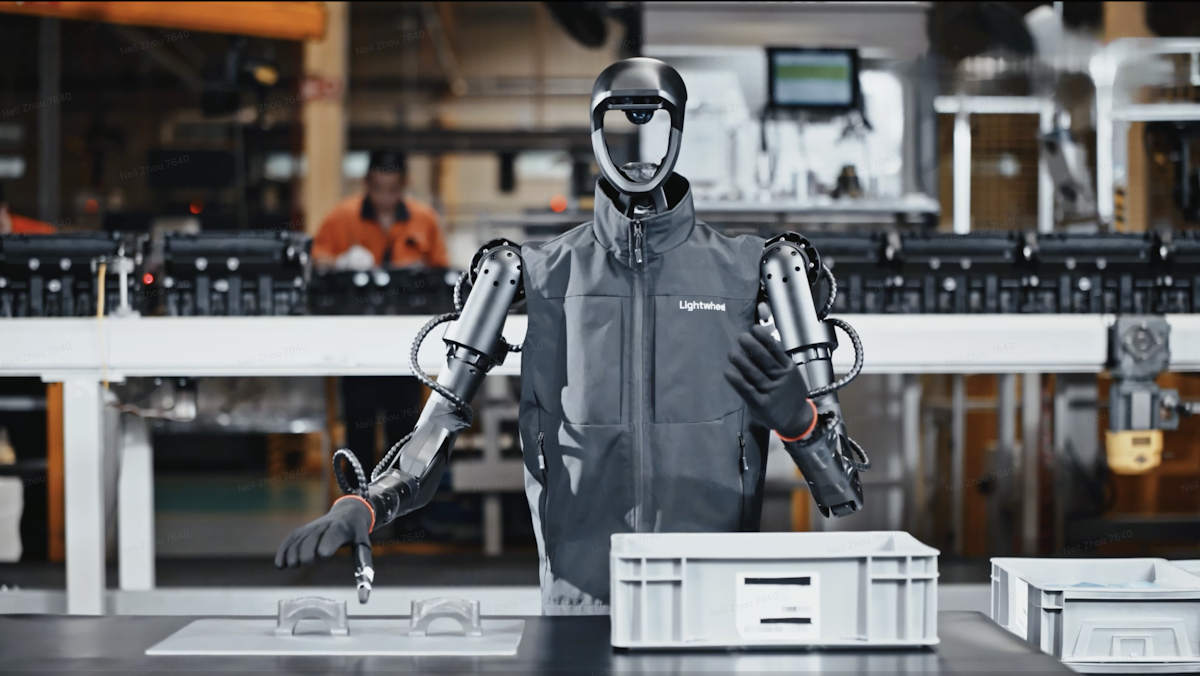
U.K.-based Humanoid has secured $152 million in Series A funding at a $1.35 billion valuation to scale its AI-driven industrial robots. The company is expanding commercial deployments of its robotic systems for industrial applications.

AI & MLRobotics
Generative Bionics unveils humanoid robot with full-body tactile sensing
Robotics Business Review·Jul 21, 2026

Generative Bionics unveils humanoid robot with full-body tactile sensing

Generative Bionics has introduced the Gene.01 humanoid robot equipped with full-body tactile sensing across its entire surface. This sensory capability allows the robot to detect human presence and respond quickly, potentially improving collaboration and safety on job sites.

RoboticsAutonomy
Friction is key to making better robot world models
Robotics Business Review·Jul 21, 2026

Friction is key to making better robot world models

Robot world models require proper conditioning to work effectively in real-world construction applications, a crucial step often overlooked in development. Friction and other physical factors must be accurately incorporated into these models for robots to operate reliably on job sites.

AI & MLRobotics
Building robots for unpredictable, infrastructure-free environments
Robotics Business Review·Jul 20, 2026

Building robots for unpredictable, infrastructure-free environments

Successful real-world robotics requires systems built to operate independently without relying on infrastructure support. These robots must be engineered to handle unpredictable and harsh outdoor conditions common in construction environments.

RoboticsAutonomy
BrainCo demonstrates brain-controlled robot AI platform
Robotics Business Review·Jul 20, 2026

BrainCo demonstrates brain-controlled robot AI platform

BrainCo has demonstrated a brain-controlled robotic arm platform that can perform precision tasks like grasping objects and picking up items through neural signals. The technology represents a potential advancement in how workers could operate construction equipment and machinery through direct brain-computer interfaces.

RoboticsAutonomy
AGIBOT unveils four embodied AI products for real-world operations at WAIC
Robotics Business Review·Jul 20, 2026

AGIBOT unveils four embodied AI products for real-world operations at WAIC

AGIBOT has introduced four embodied AI products designed for real-world construction and industrial operations. The company demonstrated that its AI-powered robots can execute repeatable workflows at scale, moving beyond prototype testing into practical job site deployment.

AI & MLRobotics
WEEKLY DISPATCH
How to avoid the teleoperation trap in robotics development
Robotics Business Review·Jul 19, 2026

How to avoid the teleoperation trap in robotics development

Teleoperation alone is insufficient for developing capable humanoid robots on job sites. Companies must combine remote operation with reinforcement learning and simulation to create robots that can work independently without constant human control.

RoboticsAI & ML