AllAI & MLRoboticsAutonomy3D PrintingElectrificationSafetyWorkforceMaterialsEDITOR'S PICKWEEKLY DISPATCH
Category

AI & Machine Learning

Artificial intelligence, machine learning, BIM, digital twins, predictive analytics, and data platforms in construction.

514 stories found

The construction industry's transition from AI pilot projects to operational deployment has reached an inflection point, driven simultaneously by labor scarcity and demonstrated technical viability. What distinguishes this moment is not the emergence of new AI capabilities—computer vision, predictive analytics, and autonomous decision-making have matured considerably—but rather the industry's willingness to integrate these tools into mission-critical workflows across estimation, scheduling, and jobsite execution. Suffolk's deployment of OpenSpace, Dusty Robotics, Kaya AI, and Alice Technologies on Gilead's California research center exemplifies this operational maturity, as does MasTec's adoption of Gritt's physical AI for solar construction execution. Meanwhile, the competitive consolidation in takeoff and estimation continues, with ConstructConnect's Project Intelligence and advanced mechanical takeoff platforms now competing on accuracy and integration rather than novelty. The real differentiator has shifted decisively toward organizational capability—firms like Mycon, which elevated technology leadership into the C-suite, recognize that AI deployment demands simultaneous competency in data governance, cybersecurity, workforce training, and regulatory compliance. Construction executives can no longer treat AI as a procurement decision; it demands the same strategic rigor and cross-functional alignment as capital investment or labor planning.

The robotics frontier has simultaneously accelerated and clarified, with technical breakthroughs resolving the programming barrier that historically constrained factory floor automation. Siemens and AGIBOT's demonstration of AI agents that design 3D-printed robot grippers from text prompts, combined with UC Berkeley and NVIDIA's open-source tools enabling machines to automatically write industrial robot programs, have obliterated the assumption that robotics requires specialized programming expertise. Humyn Labs' $47 million funding round to systematize real-world operational data collection signals that the industry recognizes embodied AI as the next frontier, one where robots generalize across tasks rather than operating within narrow, pre-programmed constraints. Yet construction remains in early adoption precisely because regulatory uncertainty, data sovereignty concerns, and the need for standardized infrastructure outweigh technical enablement. The manufacturing data gap—inadequate industrial data collection, weak interoperability standards, and poor feedback loops—represents the genuine constraint on physical AI deployment, not algorithm sophistication.

The workforce awareness and capability gap remains construction's most decisive strategic vulnerability. Only 59 percent of young people recognize that construction already operates with AI, undermining recruitment into the technical roles the industry increasingly demands, while most construction firms have not scaled AI adoption beyond isolated pilots due to implementation barriers and skills deficiencies. The path forward requires construction organizations to treat AI integration as organizational transformation: embedding technology leadership in management structures, investing systematically in workforce education about AI tool validation, and maintaining digital visibility across discovery systems. Firms that invest in the organizational discipline, talent development, and regulatory acumen required to deploy AI effectively at scale—rather than those that simply purchase the latest platforms—are establishing competitive advantages that transcend individual technology choices. Construction is no longer deliberating whether to adopt AI; it is determining whether it will invest the structural, cultural, and human capital necessary to deploy these tools with strategic coherence across operations.


The Future of Preconstruction: Looking Ahead to 2030
Construction Executive·Jun 10, 2026

The Future of Preconstruction: Looking Ahead to 2030

Preconstruction has evolved from manual, disconnected processes into collaborative, data-driven workflows powered by modern technology over the past decade. The industry remains in early stages of transformation, suggesting significant further advancement is possible by 2030.

AI & ML
Document Crunch Launches Construction's First Project-Level AI Risk Intelligence Platform
Trimble Constructible·Jun 9, 2026

Document Crunch Launches Construction's First Project-Level AI Risk Intelligence Platform

Document Crunch has released an AI-powered platform designed to identify and assess risks at the individual project level in construction. The tool represents the first of its kind to apply artificial intelligence specifically to project-level risk intelligence for the construction industry.

AI & ML
The Multiplayer Jobsite: Why Gen Z Is the Catalyst for Collaborative Planning
Construction Executive·Jun 10, 2026

The Multiplayer Jobsite: Why Gen Z Is the Catalyst for Collaborative Planning

Gen Z workers are driving adoption of collaborative technologies on jobsites, including BIM, robotics, and AI tools that improve planning and coordination. This generational shift is reshaping how construction teams approach project delivery and work environments.

AI & MLRobotics
Construction Tech Conference 2025 Video Playlist
BuiltWorlds·Jun 8, 2026

Construction Tech Conference 2025 Video Playlist

BuiltWorlds' annual Construction Tech Conference 2025 brought together industry leaders and field teams globally to discuss innovation trends shaping construction. The event featured video content exploring the current trajectories and future directions of construction technology.

AI & MLWorkforce
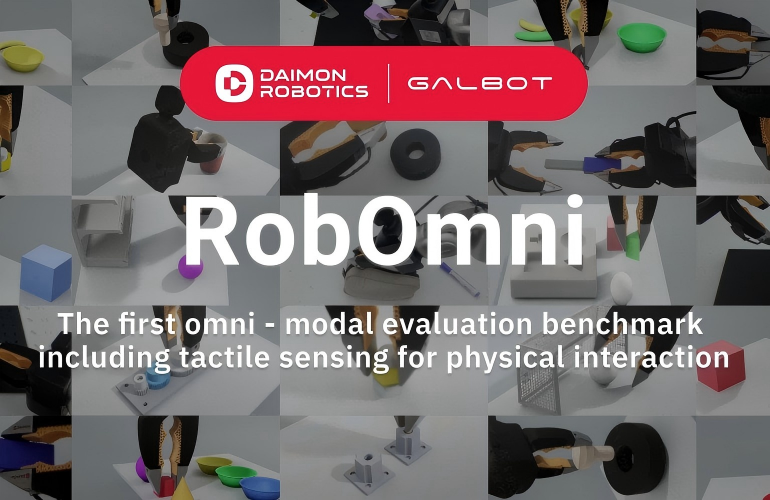
Daimon Robotics and Galbot jointly launches RobOmni for benchmarking tactile perception and dexterous manipulation
Robotics Business Review·Jun 8, 2026

Daimon Robotics and Galbot jointly launches RobOmni for benchmarking tactile perception and dexterous manipulation

Daimon Robotics and Galbot have launched RobOmni, a new benchmarking platform designed to test how robots perceive touch and perform complex manipulation tasks with their hands. The platform represents a shift in robotics development toward physical interaction capabilities beyond visual perception alone.

AI & MLRobotics
Practical Technology Upgrades for Construction Firms to Improve Efficiency
Construction Executive·Jun 8, 2026

Practical Technology Upgrades for Construction Firms to Improve Efficiency

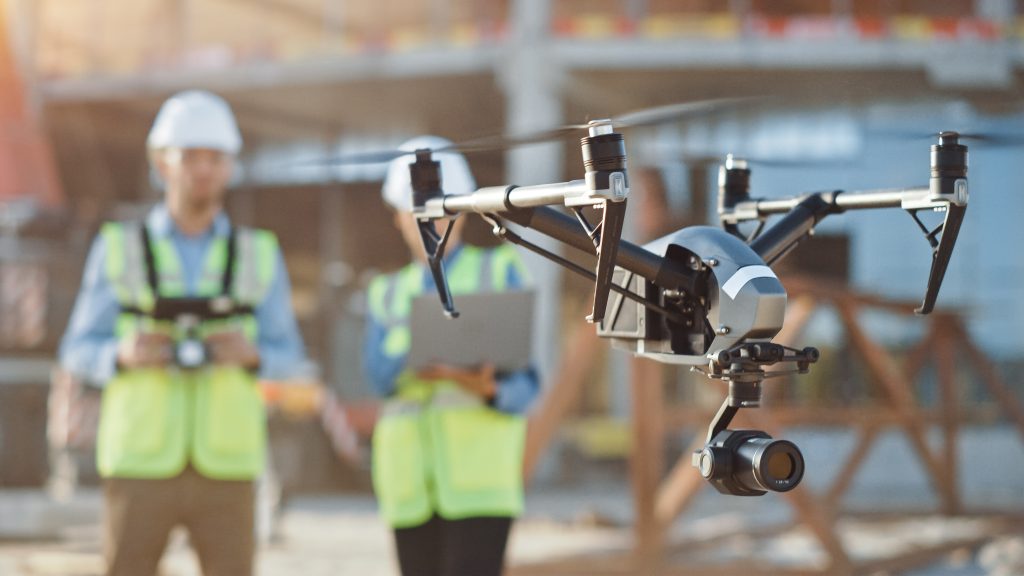
Construction firms can improve operational efficiency by adopting AI, enterprise resource planning systems, drone technology, and modeling software. These technological tools help companies streamline workflows, reduce costs, and accelerate project delivery.

AI & ML
AEC Business·Jun 8, 2026

Your Data Does Not Have to Be Perfect, But You Need to Know What It Means

AI can work with imperfect data, but construction teams must understand what their data actually represents and its limitations. Getting data quality exactly right matters less than having clear knowledge of your data's meaning and how it will be used in decision-making.

AI & ML
AGIBOT holds World Challenge 2026 to see how AI models perform on real tasks
Robotics Business Review·Jun 7, 2026

AGIBOT holds World Challenge 2026 to see how AI models perform on real tasks

AGIBOT is organizing the World Challenge 2026 to test AI models on actual robots performing real-world tasks rather than relying on simulation-based performance scores. The shift represents the industry's move toward practical, closed-loop testing that better demonstrates how AI performs in genuine construction and robotics applications.

AI & MLRobotics
Hands Off, Hard Hats On: Autonomous Construction Technology Takes Over
Construction Executive·Jun 6, 2026

Hands Off, Hard Hats On: Autonomous Construction Technology Takes Over

AI-powered equipment and remote operation systems are transforming construction by automating tasks traditionally done by hand. Early adopters of autonomous technology will gain competitive advantages while the industry redefines worker roles and expands its workforce capabilities.

AI & MLAutonomy
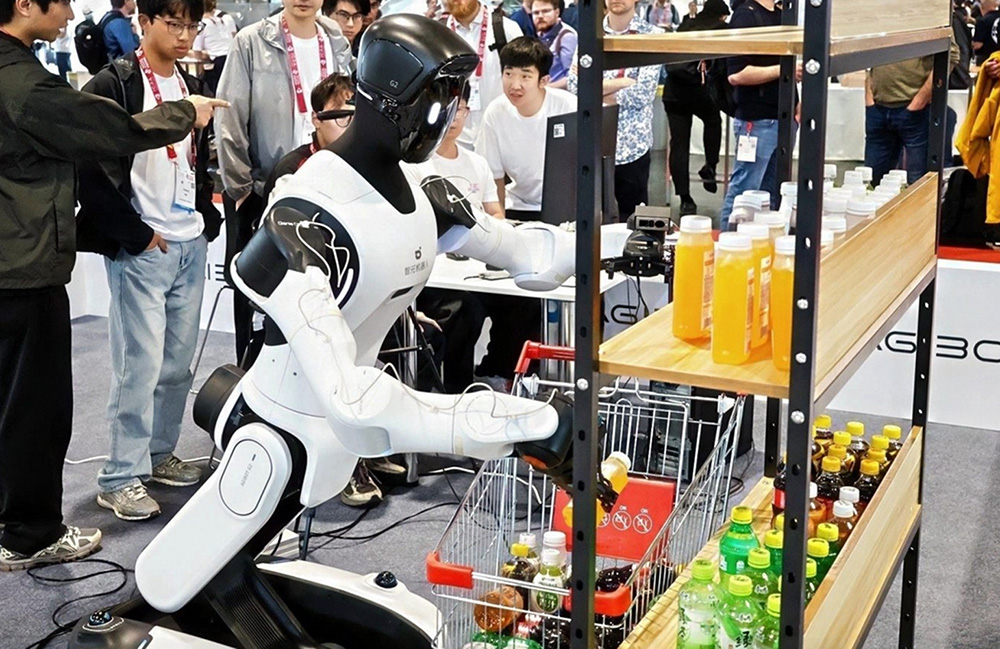
Robots can enhance manufacturing workers rather than replace them
Robotics Business Review·Jun 6, 2026

Robots can enhance manufacturing workers rather than replace them

Robots equipped with AI and teleoperation capabilities can work alongside manufacturing workers to boost productivity rather than eliminate jobs. Proper safeguards and technology implementation allow robotics to augment the workforce and create new opportunities in manufacturing.

RoboticsAI & ML
Ask Documents: A Faster Way to Get Answers from Project Documents
ConstructConnect·Jun 1, 2026

Ask Documents: A Faster Way to Get Answers from Project Documents

Ask Documents is a tool that scans project plans, specs, and supporting documents to quickly answer estimators' and preconstruction teams' questions about project-specific information. The solution saves time by eliminating the need to manually search through multiple documents to find critical project details.

AI & ML
Mitsubishi Electric opens Serendie Street Boston digital transformation hub
Robotics Business Review·Jun 5, 2026

Mitsubishi Electric opens Serendie Street Boston digital transformation hub

Mitsubishi Electric launched Serendie Street Boston, its first digital transformation hub in the Western Hemisphere, focused on fostering collaboration and innovation. The facility serves as a space for businesses to explore advanced technologies and modernize their operations.

AI & MLRobotics
The AI Apprentice: Mentoring the Future Workforce and Preserving Past Knowledge Construction Technology
Construction Executive·Jun 1, 2026

The AI Apprentice: Mentoring the Future Workforce and Preserving Past Knowledge Construction Technology

The construction industry faces both a labor shortage and a knowledge cliff as experienced workers retire, taking decades of expertise with them. AI can help bridge this gap by mentoring new workers and capturing institutional knowledge that might otherwise be lost.

AI & MLWorkforce
Proteus gets natural-language ability as Amazon expands European robot deployments
Robotics Business Review·Jun 4, 2026

Proteus gets natural-language ability as Amazon expands European robot deployments

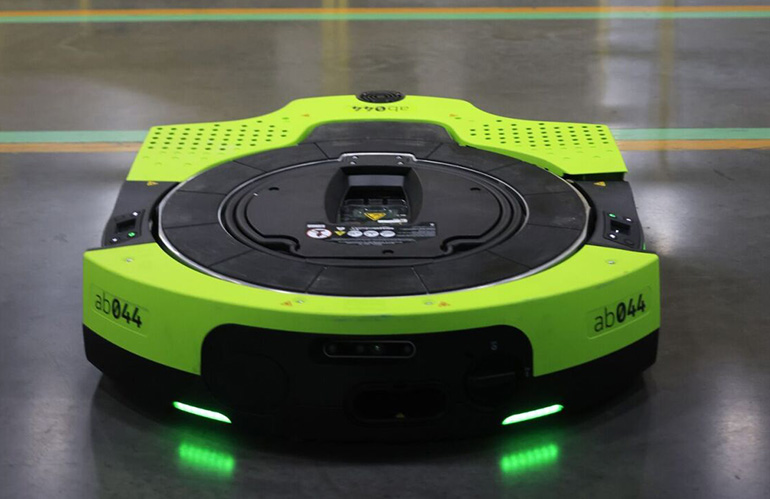
Amazon's Proteus mobile robot now accepts natural-language commands, eliminating the need for specialized programming or instruction codes. The company plans to deploy Proteus alongside robots named STARK and Vulcan across European facilities.

RoboticsAI & ML
AEC Business·Jun 1, 2026

AI That Fits the Workflow, Not the Other Way Around

Construction crews rely on WhatsApp and Excel because they fit seamlessly into existing workflows, and new AI tools work best when they integrate with these familiar systems rather than forcing workers to adopt entirely new software. Agentic AI can boost jobsite performance and efficiency by working alongside the tools crews already use daily instead of replacing them.

AI & MLWorkforce
Generalist raises $400M to scale its general-purpose AI models
Robotics Business Review·Jun 4, 2026

Generalist raises $400M to scale its general-purpose AI models

Generalist has secured $400M in funding to scale its general-purpose AI models, which the company claims achieve 99% success rates on tasks where previous models only reached 64%. This advancement in AI performance could significantly improve automation and efficiency across construction operations and decision-making processes.

AI & MLAutonomy
Festo launches lightweight pneumatic gripper and tests GripperAI
Robotics Business Review·Jun 3, 2026

Festo launches lightweight pneumatic gripper and tests GripperAI

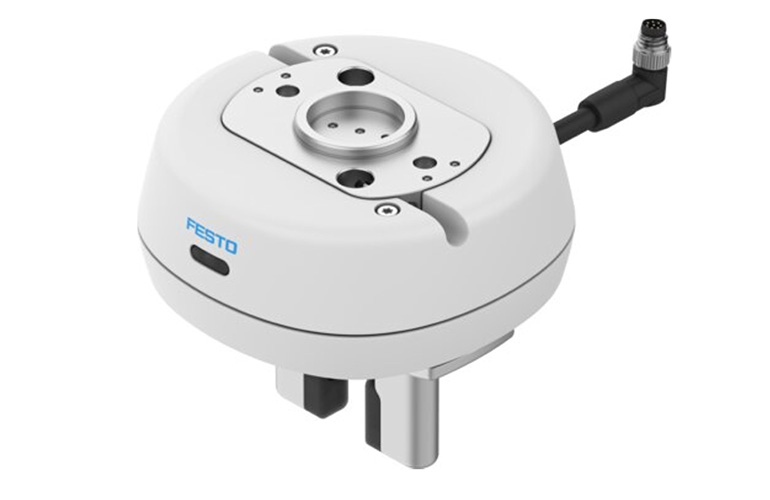
Festo has introduced a lightweight pneumatic gripper designed for collaborative robots that can work across different robotic platforms. The gripper's GripperAI technology allows it to grasp objects without requiring prior training, potentially streamlining automation integration on job sites.

RoboticsAI & ML
NVIDIA releases new and updated tools for physical AI developers
Robotics Business Review·Jun 1, 2026

NVIDIA releases new and updated tools for physical AI developers

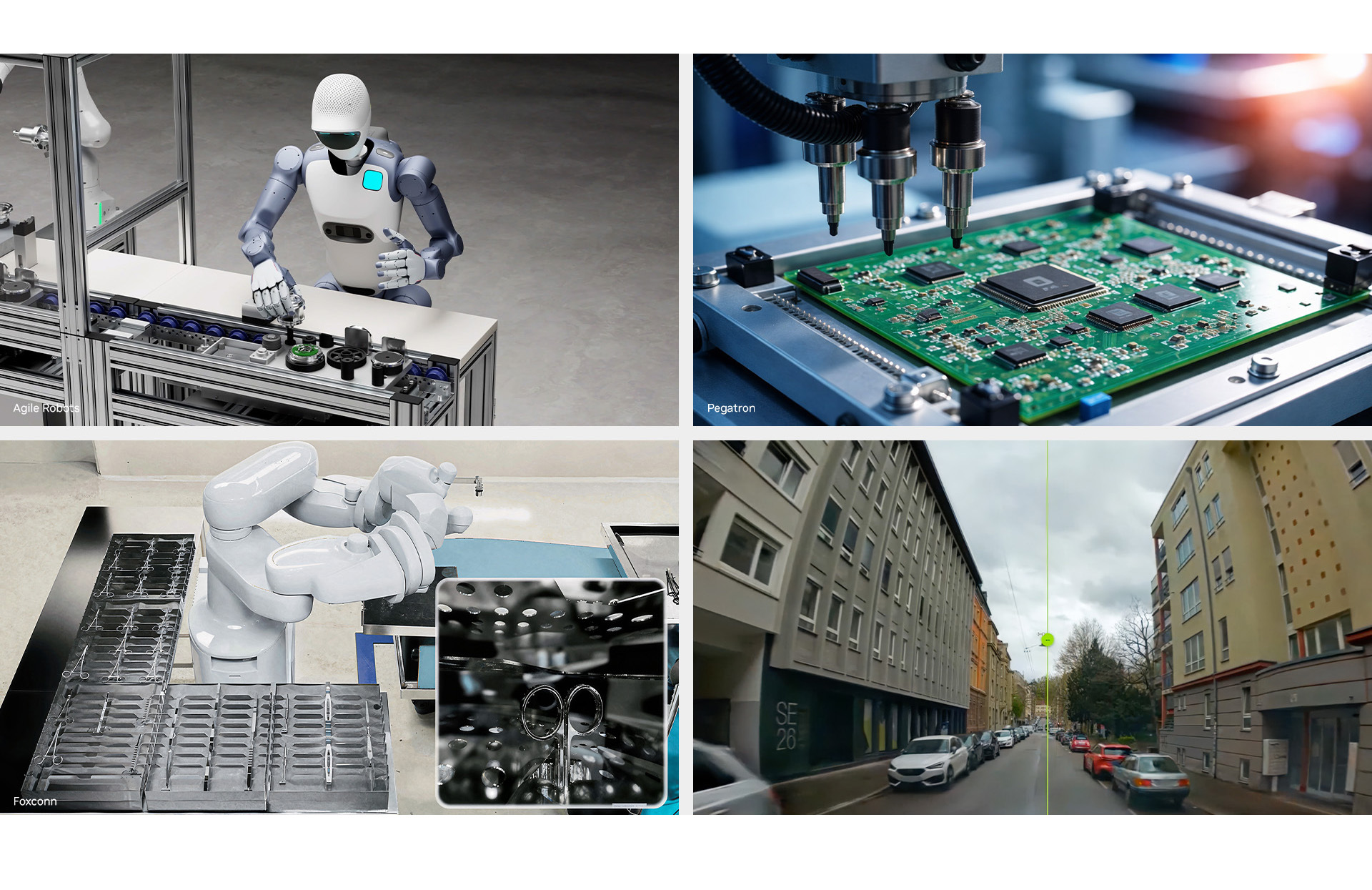
NVIDIA has released open-source tools and skills designed to help developers build physical AI agents for real-world applications. The company also unveiled the Isaac GR00T humanoid reference robot to advance robotics development in the construction and industrial sectors.

AI & MLRobotics