AllAI & MLRoboticsAutonomy3D PrintingElectrificationSafetyWorkforceMaterialsEDITOR'S PICKWEEKLY DISPATCH
Category

AI & Machine Learning

Artificial intelligence, machine learning, BIM, digital twins, predictive analytics, and data platforms in construction.

514 stories found

The construction industry's transition from AI pilot projects to operational deployment has reached an inflection point, driven simultaneously by labor scarcity and demonstrated technical viability. What distinguishes this moment is not the emergence of new AI capabilities—computer vision, predictive analytics, and autonomous decision-making have matured considerably—but rather the industry's willingness to integrate these tools into mission-critical workflows across estimation, scheduling, and jobsite execution. Suffolk's deployment of OpenSpace, Dusty Robotics, Kaya AI, and Alice Technologies on Gilead's California research center exemplifies this operational maturity, as does MasTec's adoption of Gritt's physical AI for solar construction execution. Meanwhile, the competitive consolidation in takeoff and estimation continues, with ConstructConnect's Project Intelligence and advanced mechanical takeoff platforms now competing on accuracy and integration rather than novelty. The real differentiator has shifted decisively toward organizational capability—firms like Mycon, which elevated technology leadership into the C-suite, recognize that AI deployment demands simultaneous competency in data governance, cybersecurity, workforce training, and regulatory compliance. Construction executives can no longer treat AI as a procurement decision; it demands the same strategic rigor and cross-functional alignment as capital investment or labor planning.

The robotics frontier has simultaneously accelerated and clarified, with technical breakthroughs resolving the programming barrier that historically constrained factory floor automation. Siemens and AGIBOT's demonstration of AI agents that design 3D-printed robot grippers from text prompts, combined with UC Berkeley and NVIDIA's open-source tools enabling machines to automatically write industrial robot programs, have obliterated the assumption that robotics requires specialized programming expertise. Humyn Labs' $47 million funding round to systematize real-world operational data collection signals that the industry recognizes embodied AI as the next frontier, one where robots generalize across tasks rather than operating within narrow, pre-programmed constraints. Yet construction remains in early adoption precisely because regulatory uncertainty, data sovereignty concerns, and the need for standardized infrastructure outweigh technical enablement. The manufacturing data gap—inadequate industrial data collection, weak interoperability standards, and poor feedback loops—represents the genuine constraint on physical AI deployment, not algorithm sophistication.

The workforce awareness and capability gap remains construction's most decisive strategic vulnerability. Only 59 percent of young people recognize that construction already operates with AI, undermining recruitment into the technical roles the industry increasingly demands, while most construction firms have not scaled AI adoption beyond isolated pilots due to implementation barriers and skills deficiencies. The path forward requires construction organizations to treat AI integration as organizational transformation: embedding technology leadership in management structures, investing systematically in workforce education about AI tool validation, and maintaining digital visibility across discovery systems. Firms that invest in the organizational discipline, talent development, and regulatory acumen required to deploy AI effectively at scale—rather than those that simply purchase the latest platforms—are establishing competitive advantages that transcend individual technology choices. Construction is no longer deliberating whether to adopt AI; it is determining whether it will invest the structural, cultural, and human capital necessary to deploy these tools with strategic coherence across operations.

How software-defined manufacturing fits into real factory operations
Robotics Business Review·Aug 22, 2026

How software-defined manufacturing fits into real factory operations

R2 Labs has developed a software-defined manufacturing platform that connects programmable logic controllers (PLCs), robots, and artificial intelligence to integrate traditionally disconnected factory systems. This unified approach simplifies how manufacturers manage their equipment and operations on the production floor.

RoboticsAI & ML
WEEKLY DISPATCH
How Building Products Get Cited in AI-Assisted Specification Research
ConstructConnect·Aug 20, 2026

How Building Products Get Cited in AI-Assisted Specification Research

Architects and specifiers now rely on AI to research building products, making it critical that manufacturers structure product data in machine-readable formats rather than static PDFs. If your product information isn't optimized for AI systems, it won't appear in search results regardless of how good the product actually is.

AI & ML
Pudu Robotics launches new MP2000 autonomous forklift
Robotics Business Review·Aug 19, 2026

Pudu Robotics launches new MP2000 autonomous forklift

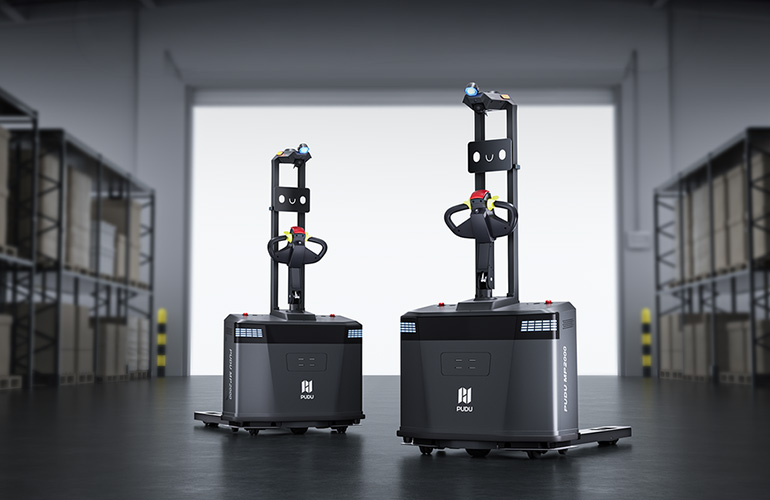
Pudu Robotics unveiled the MP2000, an AI-powered autonomous forklift capable of hauling 2,000 kg loads through complex warehouse spaces. The robot is designed to streamline material handling operations in demanding logistics environments.

RoboticsAutonomy
WEEKLY DISPATCH
Are AI Takeoffs Accurate in 2026? What Estimators Gain and Still Need to Review
ConstructConnect·Aug 18, 2026

Are AI Takeoffs Accurate in 2026? What Estimators Gain and Still Need to Review

AI-driven takeoff estimates are becoming more reliable in 2026, offering construction teams faster and more consistent material and cost projections. However, estimators should still verify AI outputs against site conditions and project specifics before finalizing bids.

AI & ML
Unichem acquires Loomia to accelerate entry into the humanoid ‘skin’ market
Robotics Business Review·Aug 18, 2026

Unichem acquires Loomia to accelerate entry into the humanoid ‘skin’ market

Unichem has acquired Loomia to develop tactile sensors for robotics and automotive applications. The technology aims to create humanoid 'skin' capabilities that could advance robotic construction and inspection work.

RoboticsAI & ML
Maintaining Humanity Amidst the Rise of AI
Construction Executive·Aug 18, 2026

Maintaining Humanity Amidst the Rise of AI

Managing AI effectively in construction requires leadership commitment from the C-suite, not just technical expertise from individual employees. Top-down oversight ensures consistent adoption and maintains company culture as AI becomes more prevalent in operations.

AI & MLWorkforce
How Generalist uses human demonstration data for robot learning
Robotics Business Review·Aug 17, 2026

How Generalist uses human demonstration data for robot learning

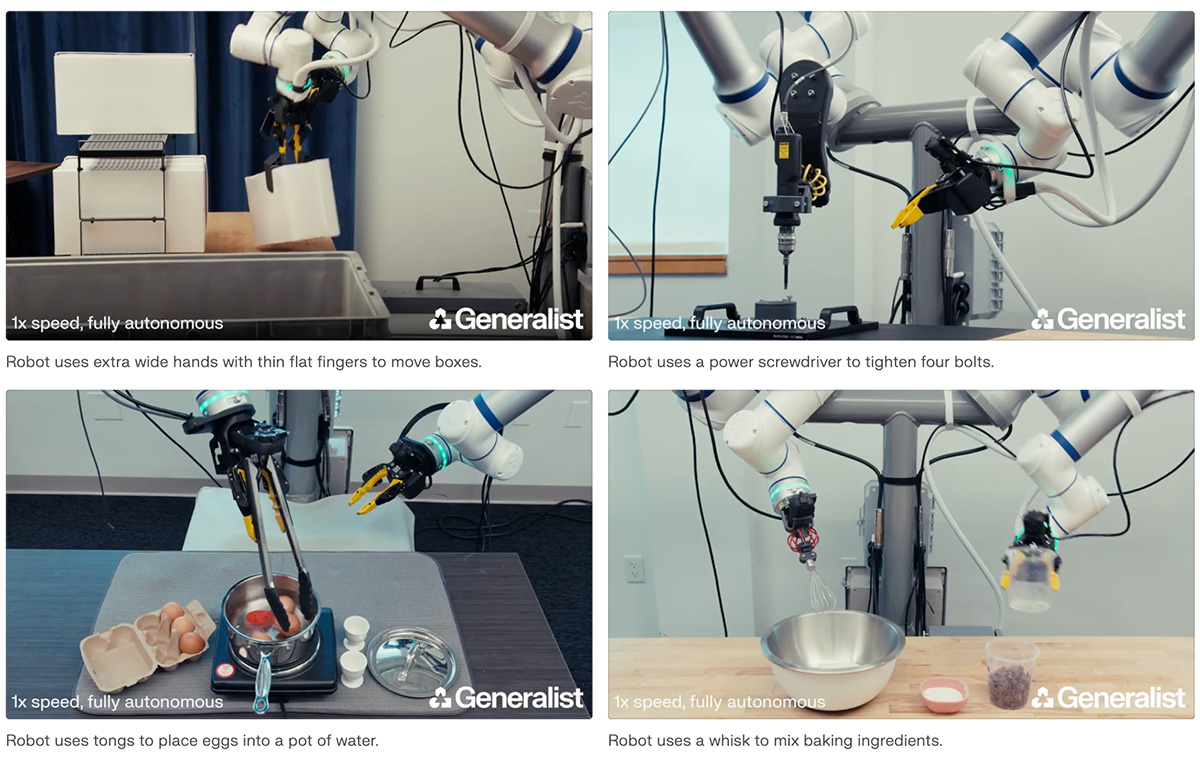
Generalist and other robotics companies are using human demonstration data and the Universal Manipulation Interface to train robots to perform construction and manipulation tasks. This approach accelerates the development of robot behaviors by learning from real-world human examples rather than programming each action individually.

RoboticsAI & ML
AI in Preconstruction: Why Rewiring Matters More Than Speed
ConstructConnect·Aug 17, 2026

AI in Preconstruction: Why Rewiring Matters More Than Speed

Many construction companies adopt AI tools without restructuring their workflows and processes to actually benefit from them. Real value comes from rewiring how teams work, not just implementing faster technology.

AI & MLWorkforce
Gravis Robotics raises $200M for autonomous construction
Robotics Business Review·Aug 17, 2026

Gravis Robotics raises $200M for autonomous construction

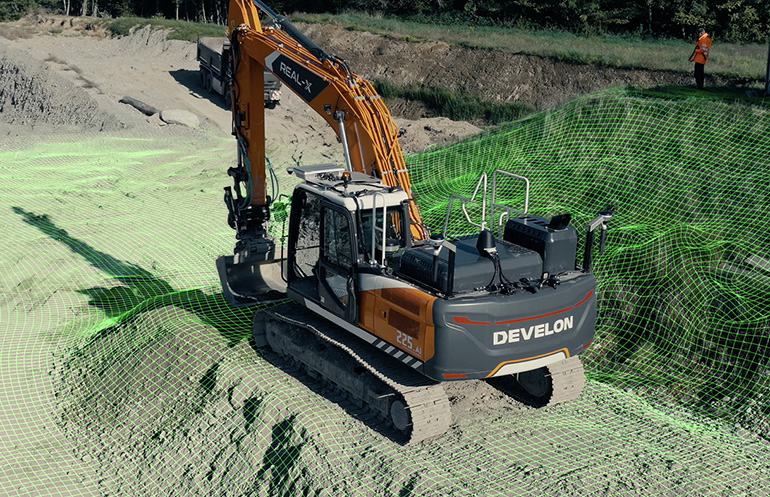
Gravis Robotics secured $200M in funding to advance its autonomous construction equipment technology, which uses AI and custom hardware to automate excavators and other machinery. The company plans to expand its autonomous solutions globally across the construction industry.

RoboticsAutonomy
Meshy Launches Meshy 7: Image-to-3D Model Built Around Alignment
3D Printing Industry·Aug 14, 2026

Meshy Launches Meshy 7: Image-to-3D Model Built Around Alignment

Meshy released Meshy 7, an updated image-to-3D model that converts 2D images into 3D assets for construction visualization and planning. The company introduced a new benchmark called alignment that measures how accurately generated 3D models match their source images, setting a new standard for quality in the industry.

AI & ML
How robotics is revolutionizing stroke rehabilitation
Robotics Business Review·Aug 16, 2026

How robotics is revolutionizing stroke rehabilitation

Robotics combined with AI and human-centered care is improving outcomes in stroke rehabilitation. Bioxtreme's CEO highlights how this technological synergy is transforming patient recovery processes.

RoboticsAI & ML
WEEKLY DISPATCH
A New Vision for AI: Construction Design-Review Platform Lends Extra Eye to Image Analysis
Construction Executive·Aug 5, 2026

A New Vision for AI: Construction Design-Review Platform Lends Extra Eye to Image Analysis

Computer vision and AI image analysis are proving more valuable for construction than large language models, particularly for design review and visual problem-solving. A new design-review platform is leveraging this technology to provide automated visual inspection capabilities that augment human decision-making on job sites.

AI & ML
How Protolabs turns CAD files into parts in under 24 hours
Robotics Business Review·Aug 14, 2026

How Protolabs turns CAD files into parts in under 24 hours

Protolabs uses AI, simulation, and design-for-manufacturing techniques to convert CAD files into finished production parts in less than 24 hours. The company's approach combines advanced software analysis with rapid manufacturing capabilities to accelerate the prototyping and production process.

AI & ML3D Printing
Neros Technologies raises $250M to deploy its defense drones by the end of 2026
Robotics Business Review·Aug 14, 2026

Neros Technologies raises $250M to deploy its defense drones by the end of 2026

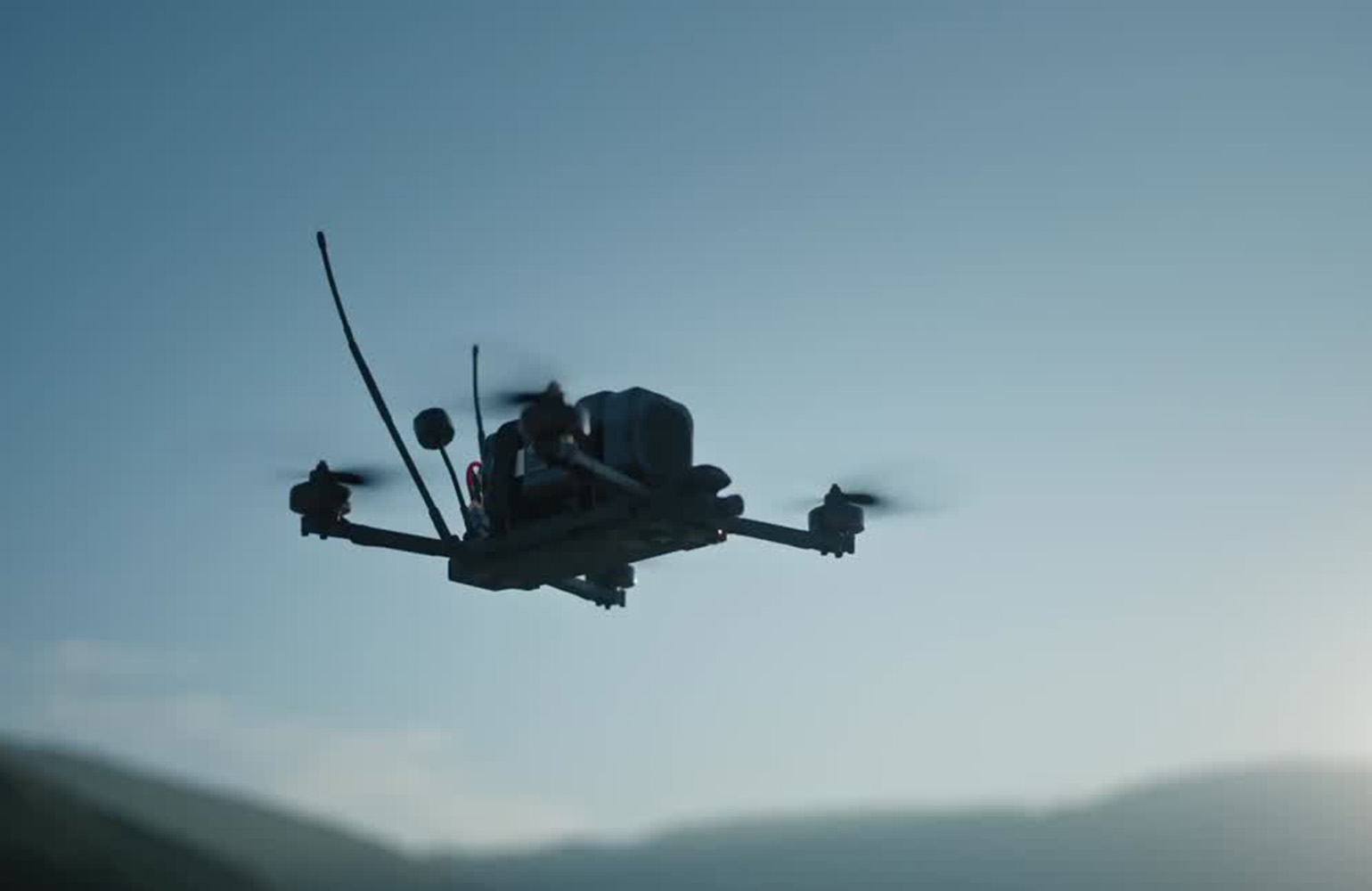
Neros Technologies secured $250M in funding to commercialize its defense drone platforms, including the Archer AI and Bandit systems designed for multi-asset control. The company plans to deploy these autonomous systems by the end of 2026.

RoboticsAutonomy
WEEKLY DISPATCH
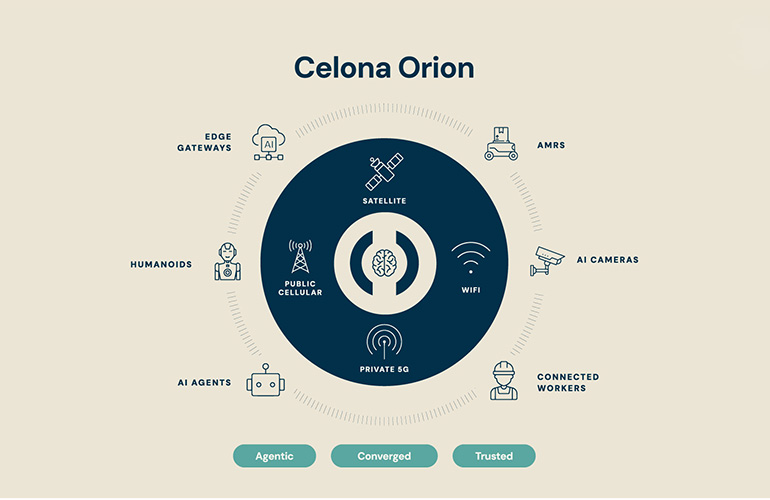
Celona launches Orion agentic wireless platform built for physical AI and robotics
Robotics Business Review·Aug 12, 2026

Celona launches Orion agentic wireless platform built for physical AI and robotics

Celona introduced Orion, a unified wireless platform that combines private 5G, Wi-Fi, cellular, and satellite networks to support physical AI and robotic operations on job sites. The integrated network aims to provide reliable connectivity for autonomous equipment and AI-powered tools in construction environments.

AI & MLRobotics
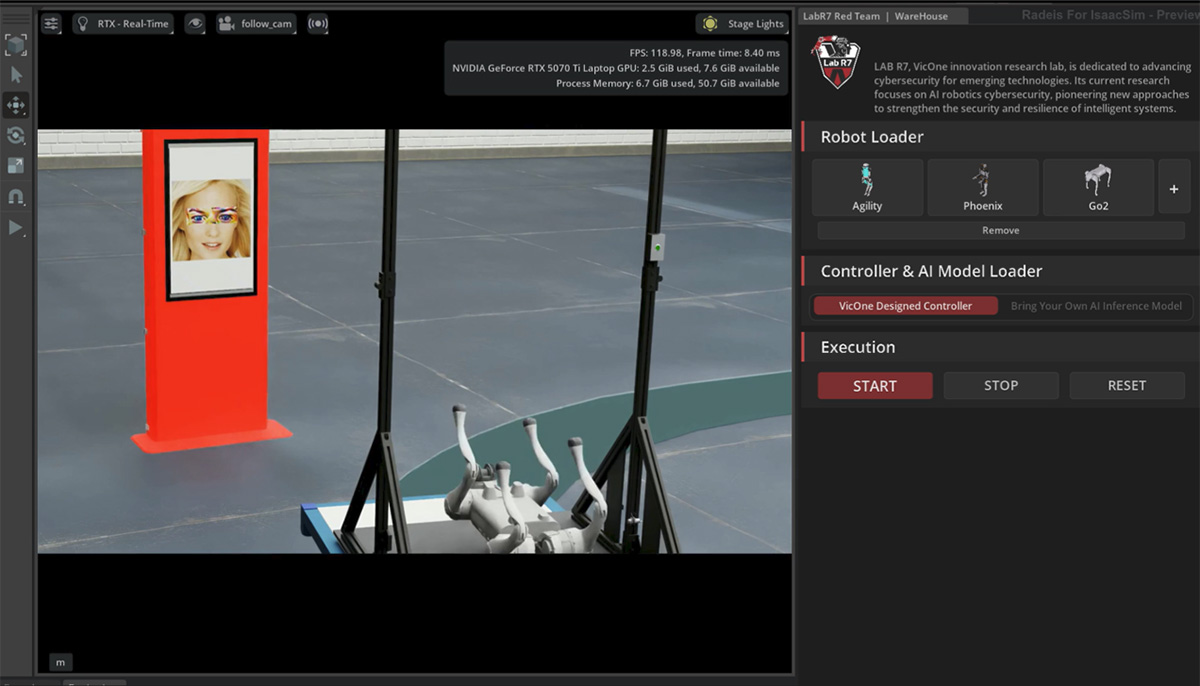
VicOne releases free NVIDIA Isaac Sim cybersecurity extension based on DEF CON 34 research
Robotics Business Review·Aug 10, 2026

VicOne releases free NVIDIA Isaac Sim cybersecurity extension based on DEF CON 34 research

VicOne released a free cybersecurity extension for NVIDIA Isaac Sim that allows developers to test robot safety vulnerabilities before deploying equipment on job sites. The tool was developed based on research presented at DEF CON 34 and helps construction teams identify potential cyber risks in robotic systems.

RoboticsSafety
WEEKLY DISPATCH
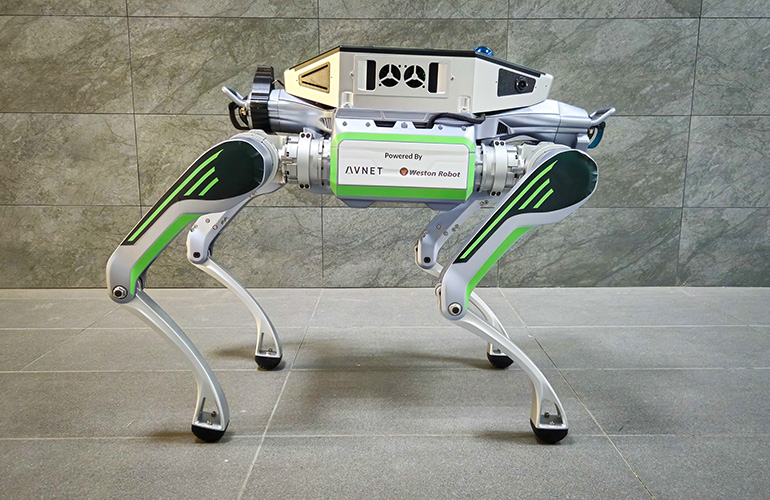
Avnet and Weston Robot partner to launch edge AI inspection platform
Robotics Business Review·Aug 5, 2026

Avnet and Weston Robot partner to launch edge AI inspection platform

Avnet and Weston Robot have created an AI-powered inspection system designed to autonomously assess complex industrial job sites. The edge AI platform enables real-time visual inspection without requiring workers to access difficult or hazardous areas.

AI & MLRobotics
Why perception is the key to scaling industrial autonomy
Robotics Business Review·Aug 5, 2026

Why perception is the key to scaling industrial autonomy

Modern industrial autonomy requires more than just robot movement—it demands machine perception, real-time decision-making, and coordination across multiple vehicles and equipment. Scaling these autonomous systems on job sites depends on solving spatial awareness and precision challenges at the operational level.

AutonomyRobotics