AllAI & MLRoboticsAutonomy3D PrintingElectrificationSafetyWorkforceMaterialsEDITOR'S PICKWEEKLY DISPATCH
Category

AI & Machine Learning

Artificial intelligence, machine learning, BIM, digital twins, predictive analytics, and data platforms in construction.

514 stories found

The construction industry's transition from AI pilot projects to operational deployment has reached an inflection point, driven simultaneously by labor scarcity and demonstrated technical viability. What distinguishes this moment is not the emergence of new AI capabilities—computer vision, predictive analytics, and autonomous decision-making have matured considerably—but rather the industry's willingness to integrate these tools into mission-critical workflows across estimation, scheduling, and jobsite execution. Suffolk's deployment of OpenSpace, Dusty Robotics, Kaya AI, and Alice Technologies on Gilead's California research center exemplifies this operational maturity, as does MasTec's adoption of Gritt's physical AI for solar construction execution. Meanwhile, the competitive consolidation in takeoff and estimation continues, with ConstructConnect's Project Intelligence and advanced mechanical takeoff platforms now competing on accuracy and integration rather than novelty. The real differentiator has shifted decisively toward organizational capability—firms like Mycon, which elevated technology leadership into the C-suite, recognize that AI deployment demands simultaneous competency in data governance, cybersecurity, workforce training, and regulatory compliance. Construction executives can no longer treat AI as a procurement decision; it demands the same strategic rigor and cross-functional alignment as capital investment or labor planning.

The robotics frontier has simultaneously accelerated and clarified, with technical breakthroughs resolving the programming barrier that historically constrained factory floor automation. Siemens and AGIBOT's demonstration of AI agents that design 3D-printed robot grippers from text prompts, combined with UC Berkeley and NVIDIA's open-source tools enabling machines to automatically write industrial robot programs, have obliterated the assumption that robotics requires specialized programming expertise. Humyn Labs' $47 million funding round to systematize real-world operational data collection signals that the industry recognizes embodied AI as the next frontier, one where robots generalize across tasks rather than operating within narrow, pre-programmed constraints. Yet construction remains in early adoption precisely because regulatory uncertainty, data sovereignty concerns, and the need for standardized infrastructure outweigh technical enablement. The manufacturing data gap—inadequate industrial data collection, weak interoperability standards, and poor feedback loops—represents the genuine constraint on physical AI deployment, not algorithm sophistication.

The workforce awareness and capability gap remains construction's most decisive strategic vulnerability. Only 59 percent of young people recognize that construction already operates with AI, undermining recruitment into the technical roles the industry increasingly demands, while most construction firms have not scaled AI adoption beyond isolated pilots due to implementation barriers and skills deficiencies. The path forward requires construction organizations to treat AI integration as organizational transformation: embedding technology leadership in management structures, investing systematically in workforce education about AI tool validation, and maintaining digital visibility across discovery systems. Firms that invest in the organizational discipline, talent development, and regulatory acumen required to deploy AI effectively at scale—rather than those that simply purchase the latest platforms—are establishing competitive advantages that transcend individual technology choices. Construction is no longer deliberating whether to adopt AI; it is determining whether it will invest the structural, cultural, and human capital necessary to deploy these tools with strategic coherence across operations.

Tripo AI Lands 3 Billion Yuan, Unveils Quad-Topology Model
3D Printing Industry·Sep 10, 2026

Tripo AI Lands 3 Billion Yuan, Unveils Quad-Topology Model

Tripo AI secured $447 million in funding to advance its 3D foundation models and world models technology. The company released Tripo P2.0, featuring a quad-topology model designed to improve how construction and design professionals work with 3D data.

AI & ML
WEEKLY DISPATCH
Vention opens Physical AI Lab for manufacturing in Montreal
Robotics Business Review·Sep 9, 2026

Vention opens Physical AI Lab for manufacturing in Montreal

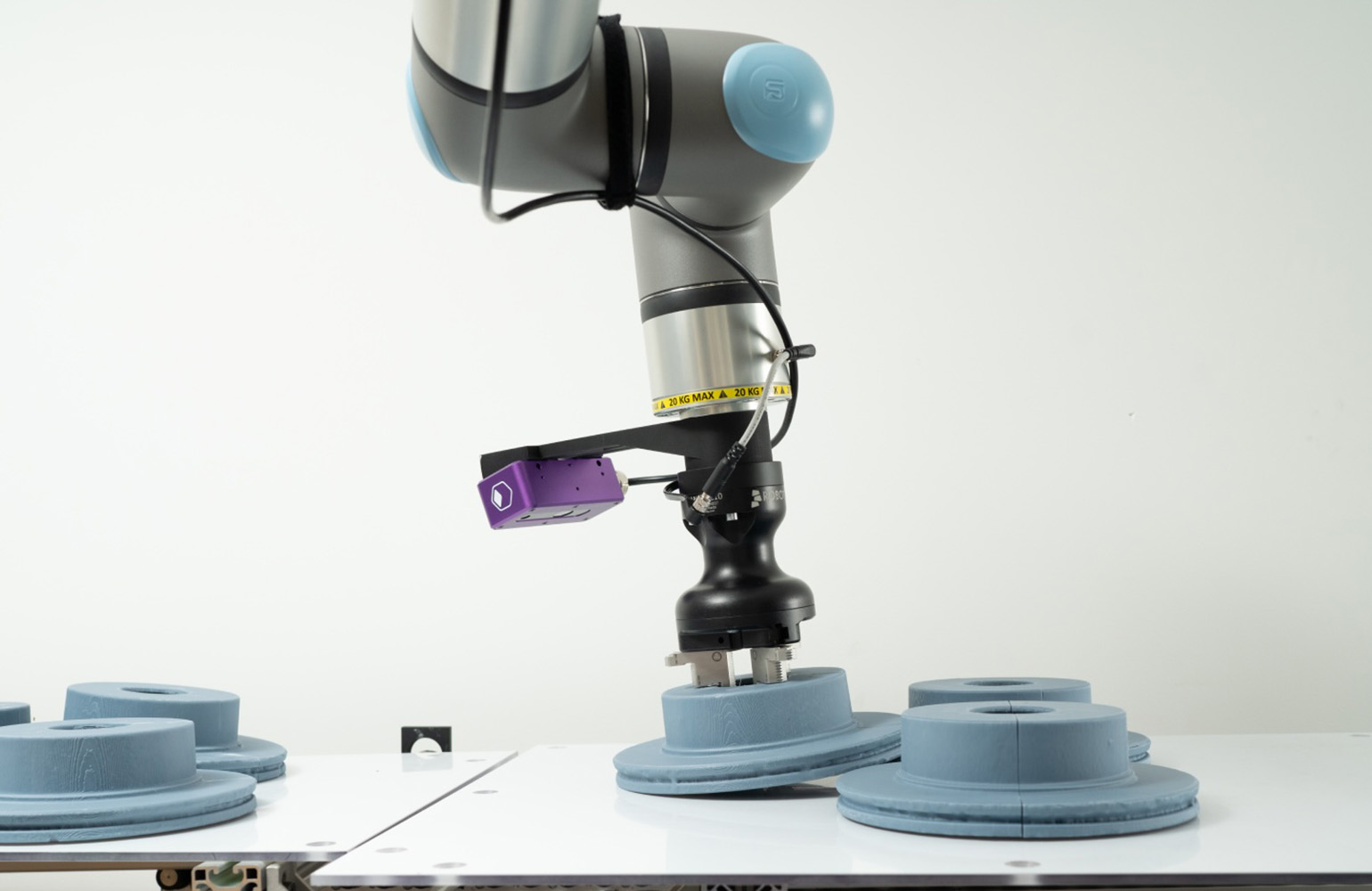
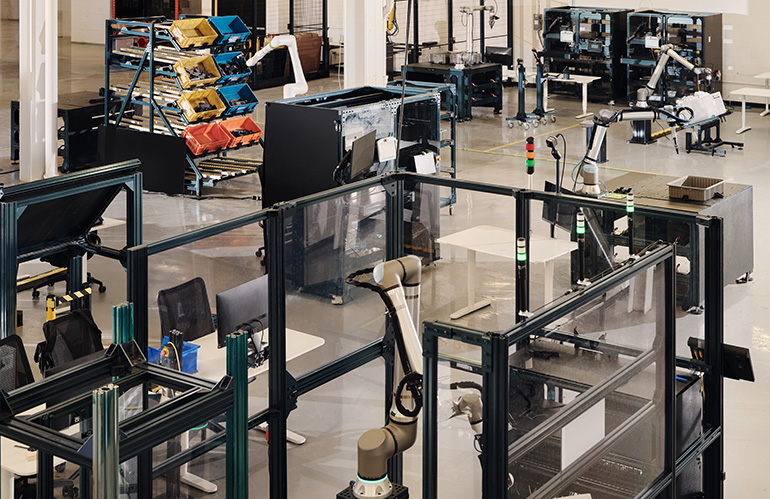
Vention has launched a Physical AI Lab in Montreal dedicated to advancing robotic manipulation technology for manufacturing applications. The lab bridges the gap between research and real-world production-line deployment at scale.

AI & MLRobotics
WEEKLY DISPATCH
AEC Business·Sep 4, 2026

RONI: What You Lose by Not Investing in AI – With Sam Zolfagharian

Sam Zolfagharian discusses RONI (Risk of Not Investing), explaining why companies should expect 3-5 years for AI payback periods in construction. Understanding which metrics to track during this timeline helps construction firms justify AI investments and avoid falling behind competitors.

AI & ML
Why vision AI is the safety backbone of the automated job site
Robotics Business Review·Sep 8, 2026

Why vision AI is the safety backbone of the automated job site

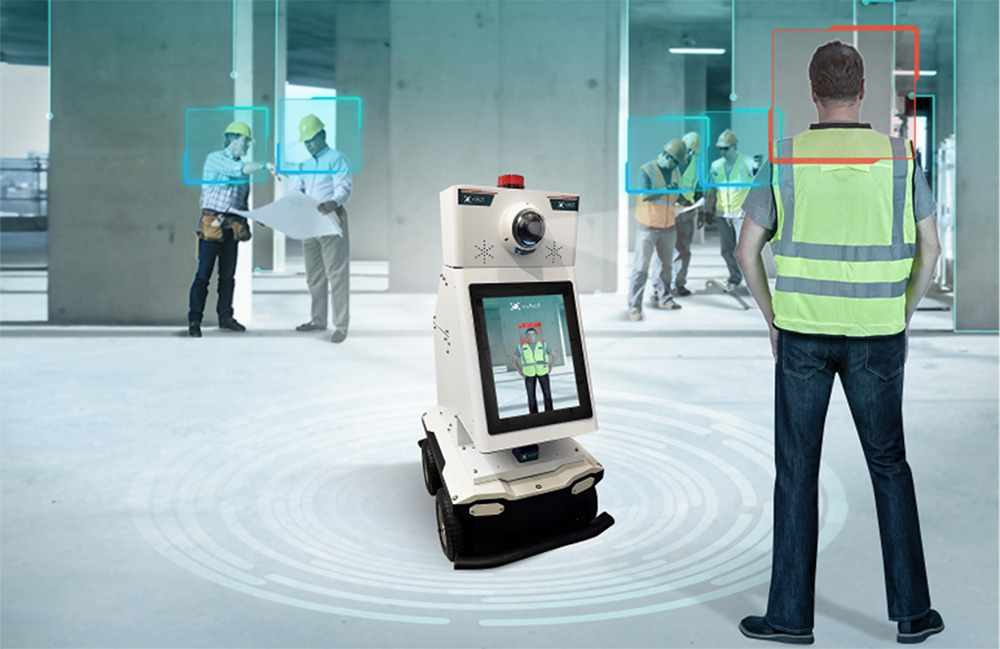
Vision AI enables robots and human workers to operate safely together on job sites by providing continuous perception rather than replacing either. The technology acts as a safety system that enhances automated equipment and human judgment in shared work environments.

AI & MLRobotics
WEEKLY DISPATCH
From Data Overload to Decision Clarity
AGC of America News·Sep 4, 2026

From Data Overload to Decision Clarity

Construction firms are using data analytics and management systems to cut through information noise and make faster, more confident job decisions. Better data organization translates to improved project timelines, cost control, and resource allocation on site.

AI & ML
Inbolt to discuss physical AI’s deployment problem at RoboBusiness
Robotics Business Review·Sep 7, 2026

Inbolt to discuss physical AI’s deployment problem at RoboBusiness

Inbolt CEO Rudy Cohen will speak at RoboBusiness this fall about where physical AI technology delivers real value on job sites. The presentation aims to clarify deployment challenges and practical applications for construction robotics.

AI & MLRobotics
Records Show File Transfers in Oracle-Procore Intellectual Property Dispute
ENR Construction Technology·Sep 2, 2026

Records Show File Transfers in Oracle-Procore Intellectual Property Dispute

Oracle and Procore are locked in a lawsuit with new evidence suggesting proprietary data about Textura's software integration capabilities may have been transferred between the companies. The dispute centers on intellectual property rights related to construction technology software.

AI & ML
WEEKLY DISPATCH
How FPGAs become the gatekeepers of physical AI security
Robotics Business Review·Sep 4, 2026

How FPGAs become the gatekeepers of physical AI security

FPGAs (Field-Programmable Gate Arrays) can provide reliable safety controls for robotic systems by creating predictable guardrails that prevent AI-driven equipment from making unsafe decisions on job sites. Lattice Semiconductor's security approach uses this hardware-level technology to ensure construction robots operate within predetermined safety parameters.

RoboticsSafety
Estimation Transformation: AI Shortens Project Timelines
Construction Executive·Sep 1, 2026

Estimation Transformation: AI Shortens Project Timelines

AI-powered estimating tools are helping construction firms submit accurate bids faster as hyperscale data center project schedules compress. Modern preconstruction workflows powered by AI are becoming critical to compete on these accelerated timelines.

AI & ML
Lyte raises $165M to help robots better sense their surroundings
Robotics Business Review·Sep 4, 2026

Lyte raises $165M to help robots better sense their surroundings

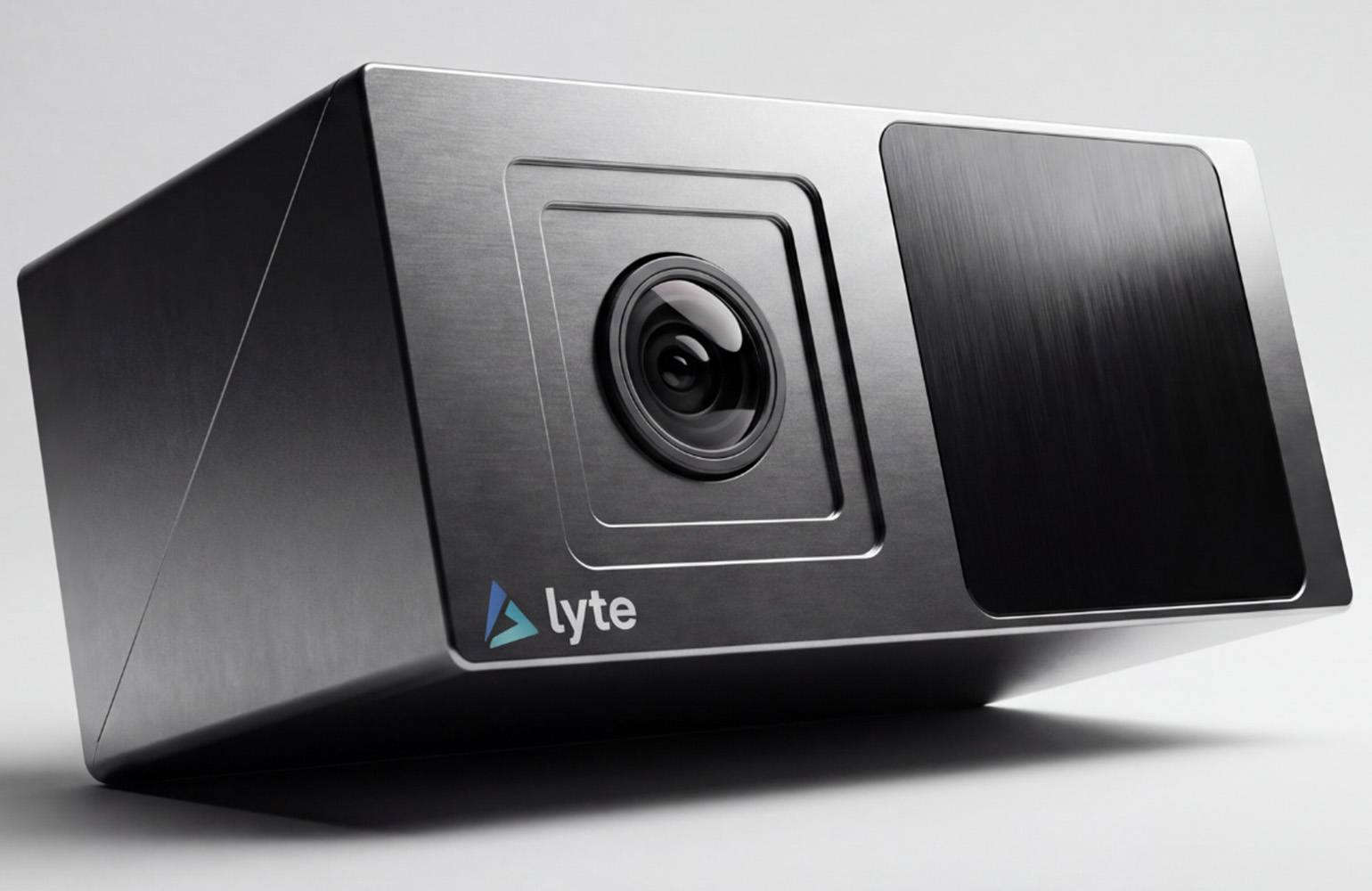
Lyte AI secured $165 million in funding to advance AI and perception systems that enable robots to better understand and navigate their environments. The company plans to use the capital to scale production of its sensing and AI technology for robotic applications.

AI & MLRobotics
July Nonresidential Construction Spending Growth Entirely Due to Data Centers
Construction Executive·Sep 1, 2026

July Nonresidential Construction Spending Growth Entirely Due to Data Centers

Nonresidential construction spending grew in July solely because of increased data center investments, masking weakness elsewhere in the sector. Spending declined month-over-month across 8 of the 16 nonresidential subcategories, signaling mixed momentum in commercial construction.

AI & ML
NVIDIA plans to acquire Hugging Face and keep AI development platform open
Robotics Business Review·Sep 3, 2026

NVIDIA plans to acquire Hugging Face and keep AI development platform open

NVIDIA is planning to acquire Hugging Face, an AI development platform that hosts over 1 million datasets and models. The company has committed to keeping the platform open and accessible to the construction tech community.

AI & ML
PlusAI to take autonomous trucking public via a SPAC deal
Robotics Business Review·Sep 3, 2026

PlusAI to take autonomous trucking public via a SPAC deal

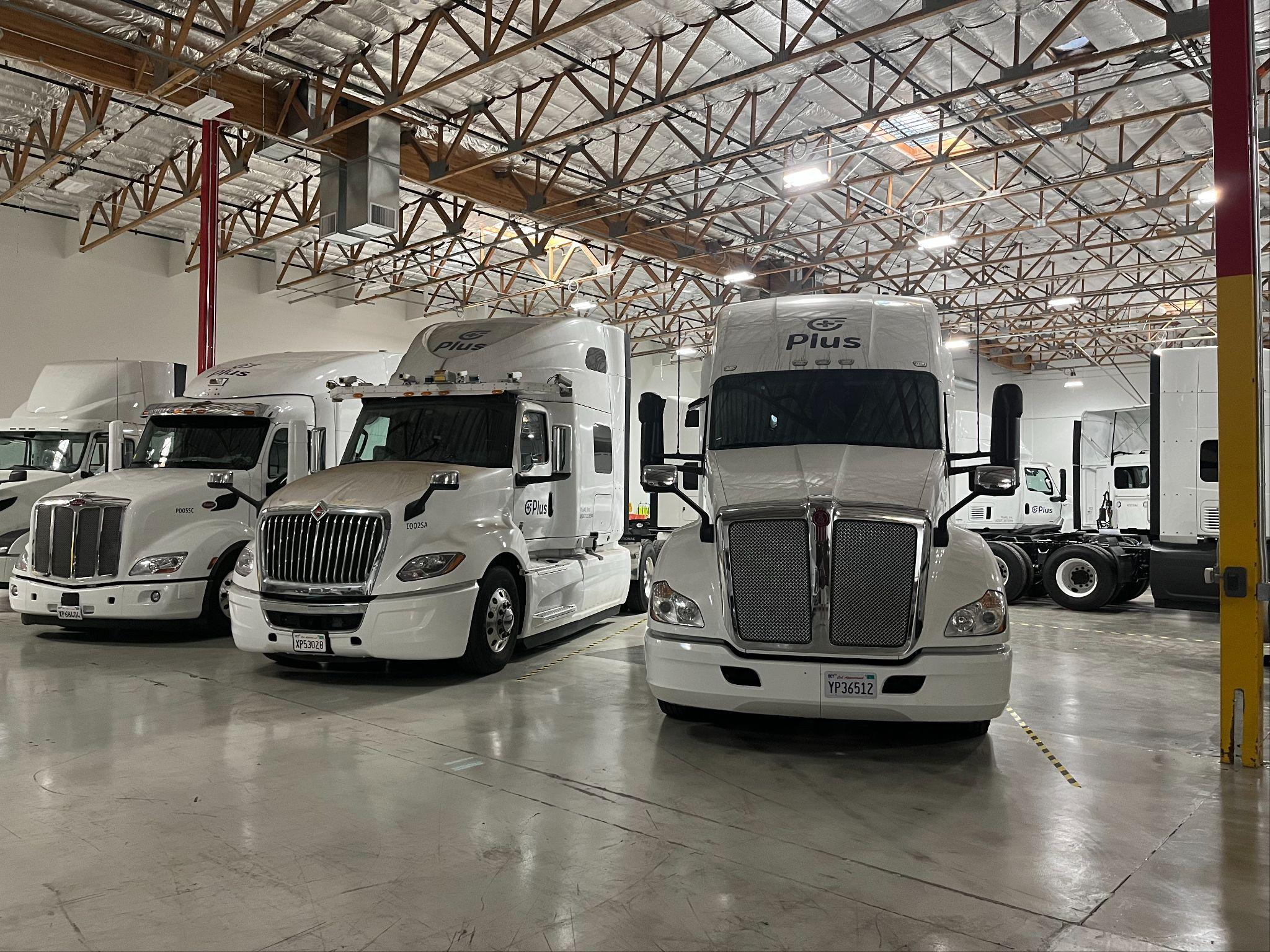
PlusAI is going public through a SPAC merger that values the autonomous trucking software company at $800 million. The company's self-driving technology is already generating revenue in the trucking industry.

AutonomyAI & ML
NexCOBOT discusses physical AI market hurdles and acceleration
Robotics Business Review·Sep 2, 2026

NexCOBOT discusses physical AI market hurdles and acceleration

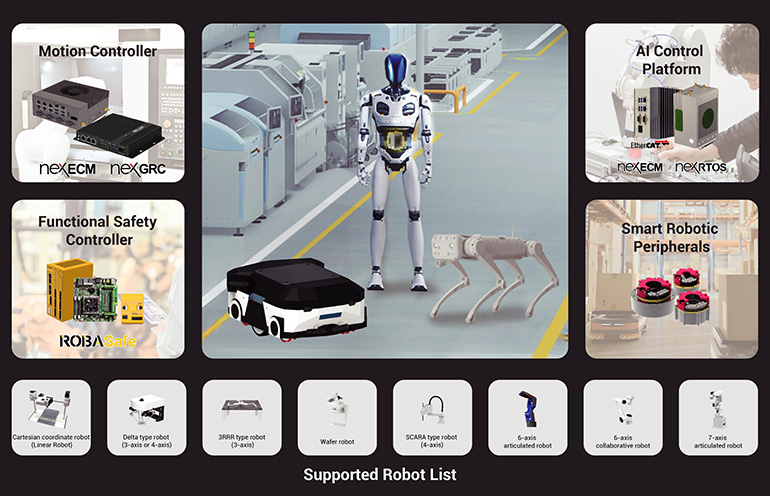
NexCOBOT, a provider of safety and motion control systems, analyzes the current challenges and growth opportunities in the physical AI market for robotics and automation. The company highlights how major technology firms are advancing physical AI adoption and identifies where the sector is positioned to expand in industrial applications.

AI & MLRobotics
Learn why food is physical AI’s hardest problem at RoboBusiness
Robotics Business Review·Sep 2, 2026

Learn why food is physical AI’s hardest problem at RoboBusiness

Chef Robotics CEO Rajat Bhageria will discuss why food handling represents one of the most challenging applications for physical artificial intelligence systems. The complexity of food as a benchmark for robotics highlights the technical difficulties in developing AI systems for tasks requiring dexterity and adaptability.

AI & MLRobotics
Top 10 robotics stories of August 2026
Robotics Business Review·Sep 1, 2026

Top 10 robotics stories of August 2026

August 2026's top 10 stories included large funding rounds, updates in the humanoid robot industry, and the latest physical AI models. The post Top 10 robotics stories of August 2026 appeared first on The Robot Report .

AI & MLRobotics
Learn how physical AI is being used to do real work at RoboBusiness
Robotics Business Review·Sep 1, 2026

Learn how physical AI is being used to do real work at RoboBusiness

Amazon Robotics, Teradyne Robotics, and Cobot leaders are sharing how physical AI is being deployed in real-world job sites to perform actual work. The discussion focuses on practical applications of AI-powered robots operating in customer environments.

AI & MLRobotics
Visko launches Orbis live model and closes pre-seed funding round
Robotics Business Review·Sep 1, 2026

Visko launches Orbis live model and closes pre-seed funding round

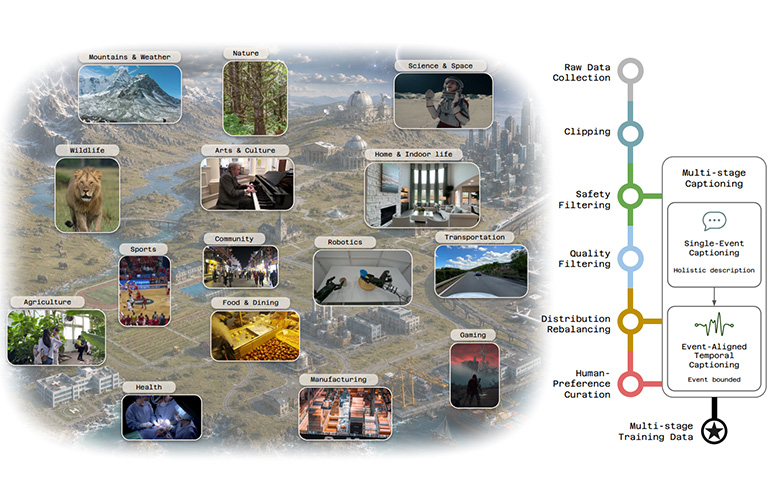
Visko has launched Orbis, a live video generation model capable of streaming 4K video at 24 frames per second while responding to user input without degrading quality over extended periods. The company has closed its pre-seed funding round to support development of this technology.

AI & ML