AllAI & MLRoboticsAutonomy3D PrintingElectrificationSafetyWorkforceMaterialsEDITOR'S PICKWEEKLY DISPATCH
Category

3D Printing & Prefab

3D printed buildings, concrete printing, prefabrication, modular construction, and offsite manufacturing.

278 stories found

The production scaling thesis that anchored institutional confidence in construction additive manufacturing now extends definitively into repeat manufacturing workflows where commercial viability and operational predictability have replaced experimental validation as the primary organizing principle. 3T-AM's shift toward production orders—now representing 70% of revenue—exemplifies the market maturation that follows successful technical validation: manufacturers are no longer managing additive manufacturing as prototype infrastructure but embedding it into standard production capacity planning. This transition from exception-based project work to continuous manufacturing operations fundamentally reshapes how construction organizations should evaluate additive manufacturing partnerships, shifting evaluation criteria from technical capability demonstrations toward supplier reliability, inventory management capacity, and integration with existing procurement workflows. Simultaneously, the supporting infrastructure for design-to-production optimization continues strengthening through both process-level improvements—where ML-accelerated optimization continues transforming wire arc additive manufacturing from experimental methodology into viable large-format production pathway—and design-layer tools like Meshy Edit, which collapse the iterative modeling cycles that previously created scheduling friction between design intent and fabrication readiness.

Modular production capacity now emerges as the critical operational variable that transforms additive manufacturing from fixed-asset constraint into scalable infrastructure. AltForm's introduction of the ZENIT Modular directed energy deposition system, available in configurations scaling from 2 x 2 meters to 4 x 4 meters with expandable capability, provides construction-relevant manufacturers with deployment flexibility previously unavailable in large-format metal additive manufacturing. This expandable architecture directly addresses the capital planning constraint that limited adoption among mid-market contractors: organizations can now initiate additive manufacturing production at operational scale compatible with current demand, then incrementally scale capacity as repeat orders justify infrastructure expansion. Combined with established supply chain validation for mission-critical materials—titanium alloys, tungsten carbide, aluminum structures—the operational landscape now confirms that construction additive manufacturing has transitioned from experimental exception handling into mature production methodology.

For construction executives evaluating long-term materials partnerships and equipment strategies, the competitive variable has crystallized around organizational capacity to embed additive manufacturing into standard procurement and design protocols rather than pursue isolated project applications. Organizations that establish material specifications compatible with available production capacity, invest in design tools that streamline iterative modeling workflows, and partner with manufacturers treating additive manufacturing as continuous production infrastructure—rather than project-based capability—will continue capturing returns on integration investment. The remaining constraint is no longer technical feasibility but organizational readiness to treat additive manufacturing systems as standard manufacturing assets rather than specialized exceptions.

Mosaic launches Orion automated 3D printing platform for custom orthotics
3D Printing Industry·Sep 16, 2026

Mosaic launches Orion automated 3D printing platform for custom orthotics

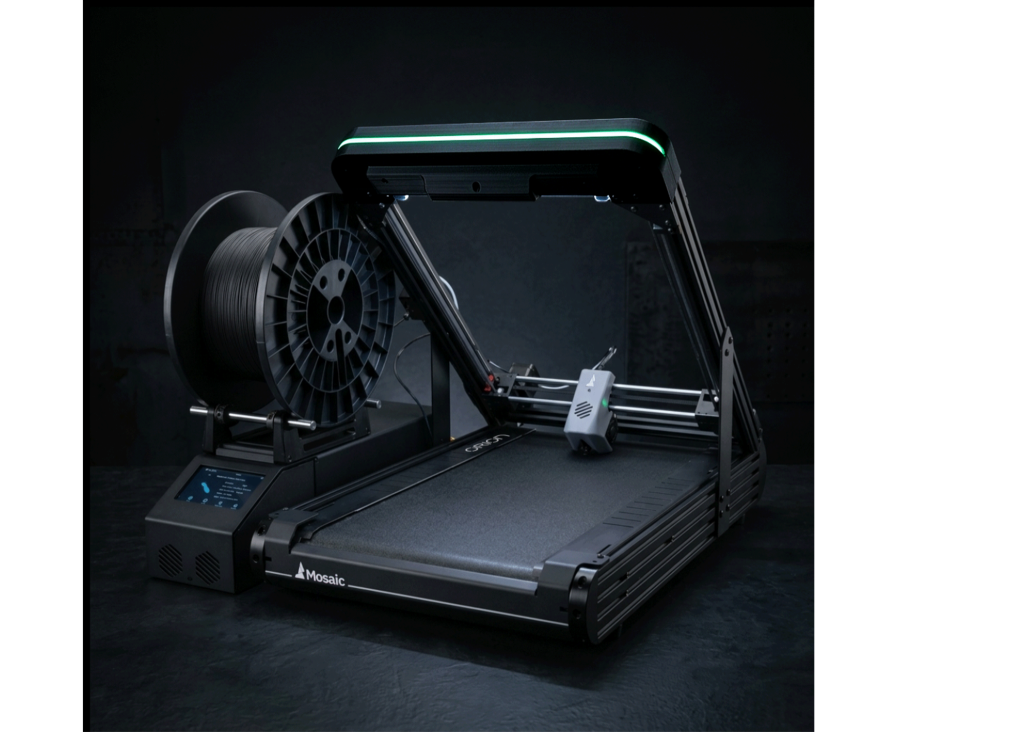
Mosaic Manufacturing has released Orion, a specialized 3D printing system designed to produce custom orthotics for O&P labs and clinics using belt-based additive manufacturing technology. The platform automates the creation of patient-specific orthotic devices, streamlining production in medical facilities.


3D PrintingAutonomy
3D printing: Guide offers strategies for limiting exposure to emissions
Safety+Health Magazine·Sep 9, 2026

3D printing: Guide offers strategies for limiting exposure to emissions

UL Solutions has released updated guidance for managing emissions exposure from 3D printers in work environments. The recommendations include positioning printers away from workers and installing local exhaust ventilation systems to minimize inhalation risks.

3D PrintingSafety
NASENI Unveils Plans for Nigeria’s First Metal Additive Manufacturing Hub
3D Printing Industry·Sep 15, 2026

NASENI Unveils Plans for Nigeria’s First Metal Additive Manufacturing Hub

Nigeria's NASENI is establishing the country's first Metal Additive Manufacturing Hub to reduce dependence on imported industrial components and develop domestic 3D metal printing capabilities. The hub will enable local production of metal parts currently sourced from abroad, supporting Nigeria's industrial manufacturing sector.

3D PrintingMaterials
Reframe Systems raises $40M to scale its robotic microfactories for home building
Robotics Business Review·Aug 31, 2026

Reframe Systems raises $40M to scale its robotic microfactories for home building

Reframe Systems secured $40M in funding to expand its network of automated microfactories that produce building components near job sites. The company uses robotics to manufacture housing units locally, aiming to improve construction efficiency and reduce delivery times.

Robotics3D Printing
PrusaSlicer 3.0 Preview Arrives With New Architecture and a Community Plugin Marketplace on the Way
3D Printing Industry·Sep 10, 2026

PrusaSlicer 3.0 Preview Arrives With New Architecture and a Community Plugin Marketplace on the Way

PrusaSlicer 3.0 entered public preview on September 1, 2026, featuring a completely rebuilt user interface and new project system for 3D printing workflows. The update introduces a community plugin marketplace and represents a major architectural overhaul 15 years after the original Slic3r project began.

3D Printing
WEEKLY DISPATCH
Vienna Researchers Cut Concrete Use by Two-Thirds With 3D Printing
3D Printing Industry·Sep 10, 2026

Vienna Researchers Cut Concrete Use by Two-Thirds With 3D Printing

Researchers at FH Campus Wien completed a five-year study proving that 3D-printed concrete components can use up to two-thirds less material than traditional construction while maintaining full load-bearing capacity. The C3PO project demonstrates a significant opportunity to reduce material waste and costs in concrete construction without compromising structural integrity.

3D PrintingMaterials
Gastronology Signs Belgian Distribution Deal for Its Dysphagia Food Line
3D Printing Industry·Sep 9, 2026

Gastronology Signs Belgian Distribution Deal for Its Dysphagia Food Line

Dutch food 3D printing company Gastronology has partnered with Belgian distributor Revogan to supply dysphagia food products to care homes and hospitals, with orders beginning in August 2026. The partnership leverages Revogan's established relationships in the Belgian healthcare sector to expand market access for specialized nutritional products.

3D Printing
Earthseed Dome Brings 3D Printed Living Soil to ICA
3D Printing Industry·Sep 9, 2026

Earthseed Dome Brings 3D Printed Living Soil to ICA

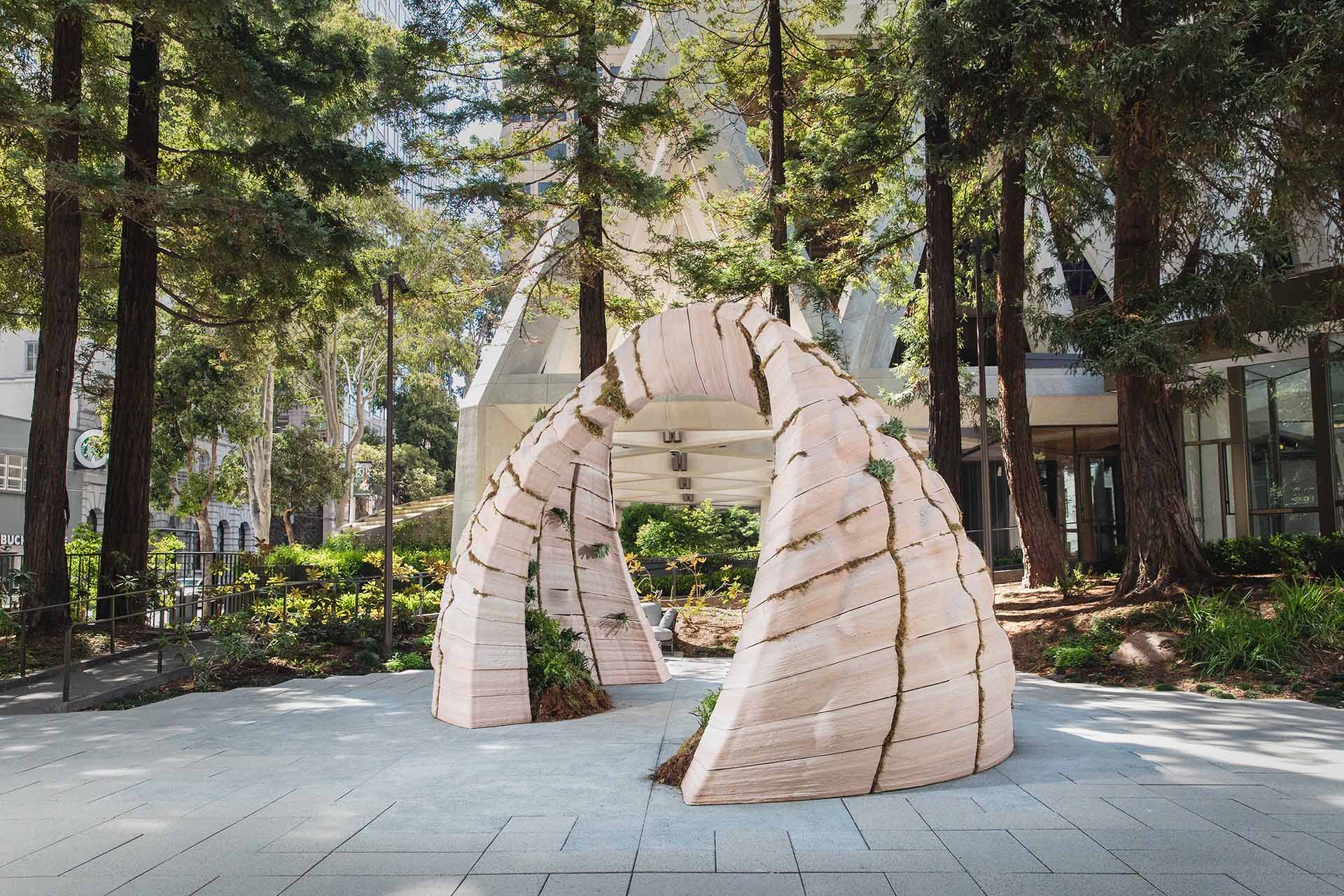
Botanical artist Lily Kwong designed Earthseed Dome, a site-responsive 3D printed structure installed in Transamerica Redwood Park in San Francisco and presented by the Institute of Contemporary Art SF. The looped structure incorporates 3D printing technology with ancestral building practices and ecological principles to create a living soil installation.

3D PrintingMaterials
USC Team 3D Prints Custom MRI Sensors for Infants in Under 10 Minutes
3D Printing Industry·Sep 8, 2026

USC Team 3D Prints Custom MRI Sensors for Infants in Under 10 Minutes

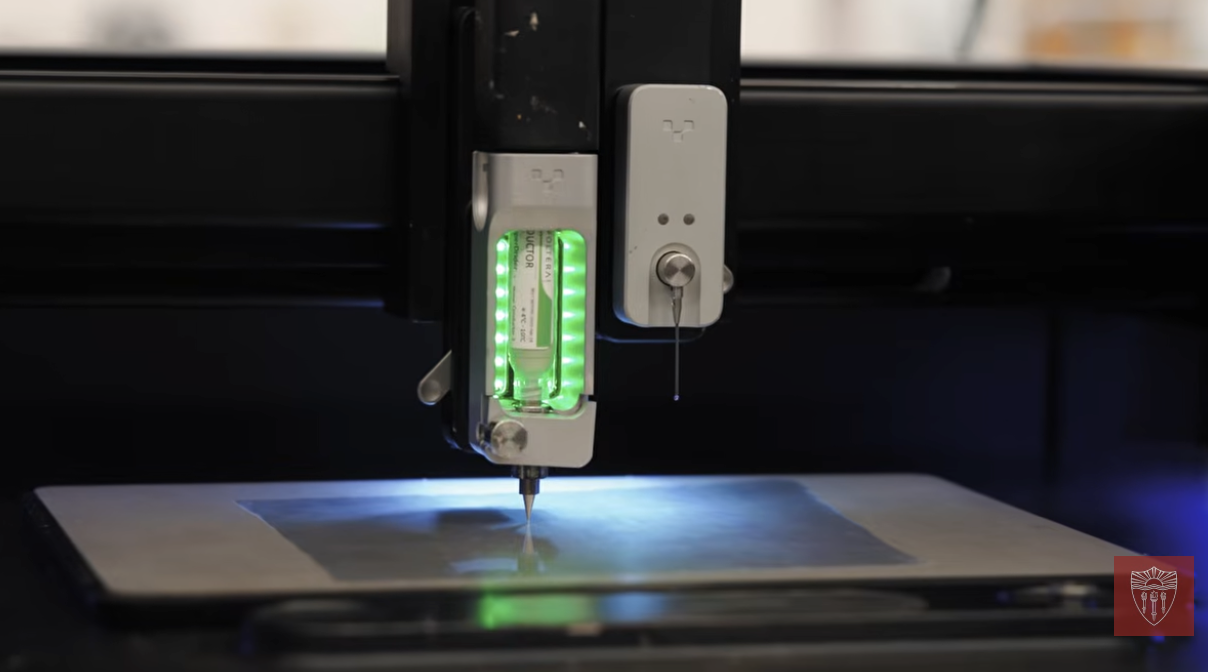
USC researchers have developed a process to 3D print custom MRI sensors for infants and children in under 10 minutes at approximately $30 per unit. The printed sensors deliver roughly four times better image contrast than standard commercial coils, demonstrating significant advancement in medical imaging technology.

3D Printing
WEEKLY DISPATCH
3DCP Group Completes 36 3D Printed Student Apartments Below Denmark’s Subsidized Housing Cost Cap
3D Printing Industry·Sep 4, 2026

3DCP Group Completes 36 3D Printed Student Apartments Below Denmark’s Subsidized Housing Cost Cap

3DCP Group delivered 36 3D printed student apartments in Holstebro, Denmark, meeting the country's subsidized housing cost requirements with the first residents now occupying units. The Skovsporet development demonstrates 3D printing's viability for mid-scale residential construction while keeping costs competitive with traditional building methods.

3D Printing
How RMIT Researchers Made 3D Printed Titanium Float on Water
3D Printing Industry·Sep 4, 2026

How RMIT Researchers Made 3D Printed Titanium Float on Water

RMIT researchers have developed a breakthrough 3D printed titanium material that can float on water by combining metal with polymer in an open-cell hybrid lattice design. This innovation solves a longstanding challenge in porous metal architecture and could enable new applications in construction and engineering where buoyant metal structures are needed.

3D PrintingMaterials
UMaine Launches 3Dirigo X: A 3D Printed 30-Foot Boat
3D Printing Industry·Sep 3, 2026

UMaine Launches 3Dirigo X: A 3D Printed 30-Foot Boat

The University of Maine has successfully launched 3Dirigo X, a 30-foot vessel built entirely through 3D printing that can reach speeds near 40 knots in offshore conditions. This project demonstrates that large-scale additive manufacturing is transitioning from experimental technology into a viable production method for commercial and defense applications.

3D Printing
SRNL and 3D Systems Target Nuclear-Grade Components With New AM Partnership
3D Printing Industry·Sep 3, 2026

SRNL and 3D Systems Target Nuclear-Grade Components With New AM Partnership

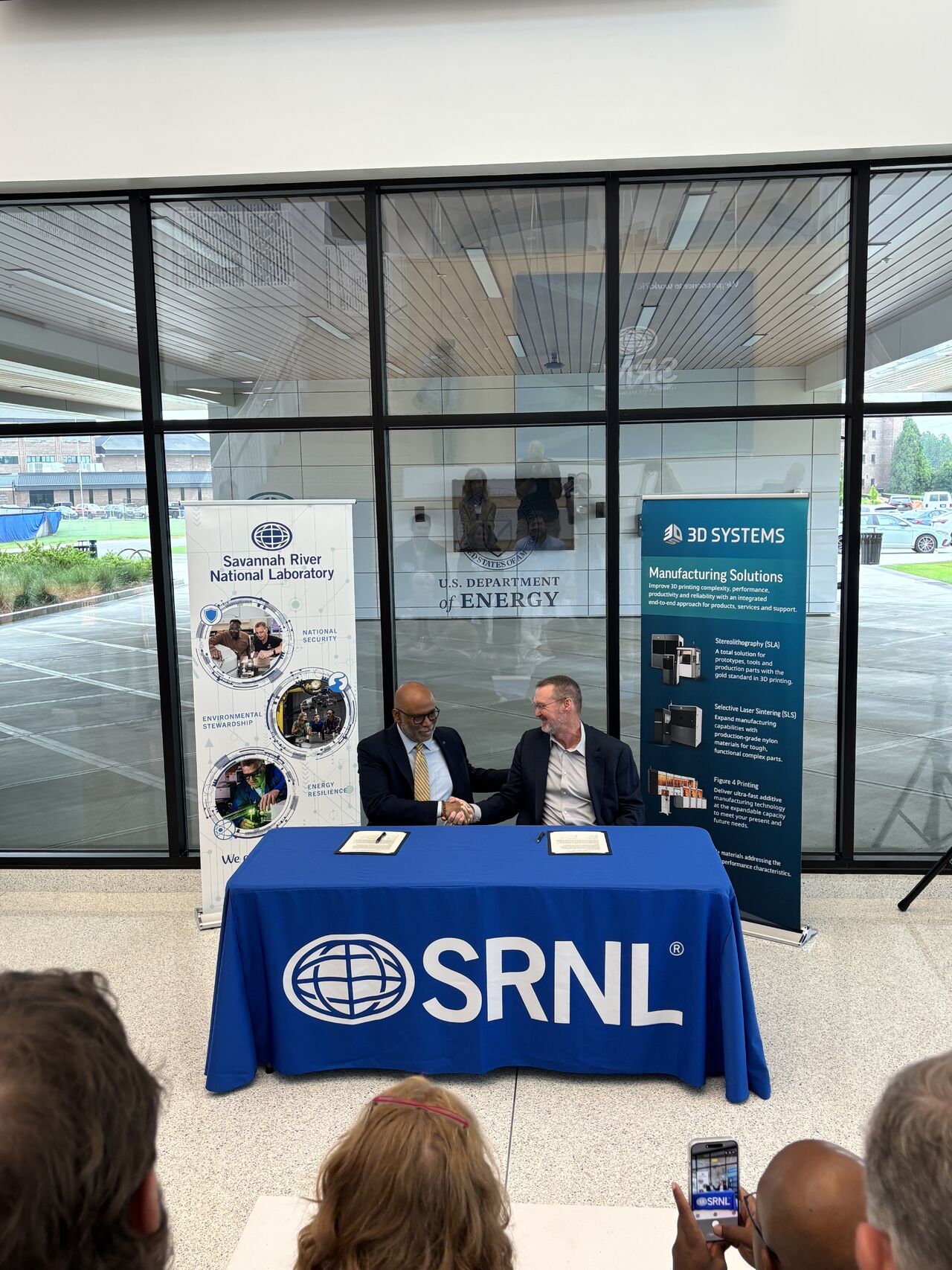
3D Systems and Savannah River National Laboratory have partnered to develop additive manufacturing capabilities for nuclear-grade components and energy infrastructure. The collaboration aims to advance 3D printing technology for national security and broader energy sector applications.

3D PrintingMaterials
Navy Fast-Tracks 3D Printed Parts to Boost Submarine Production
3D Printing Industry·Aug 29, 2026

Navy Fast-Tracks 3D Printed Parts to Boost Submarine Production

The U.S. Navy has released new technical requirements to accelerate metallic 3D printing adoption across submarine construction, maintenance, and repair by removing administrative and engineering barriers. This streamlined approach aims to scale additive manufacturing throughout the submarine enterprise more rapidly than previous processes allowed.

3D Printing
Vertico Installs Largest 3D Concrete Printing System to Date at Portuguese Precast Facility
3D Printing Industry·Aug 25, 2026

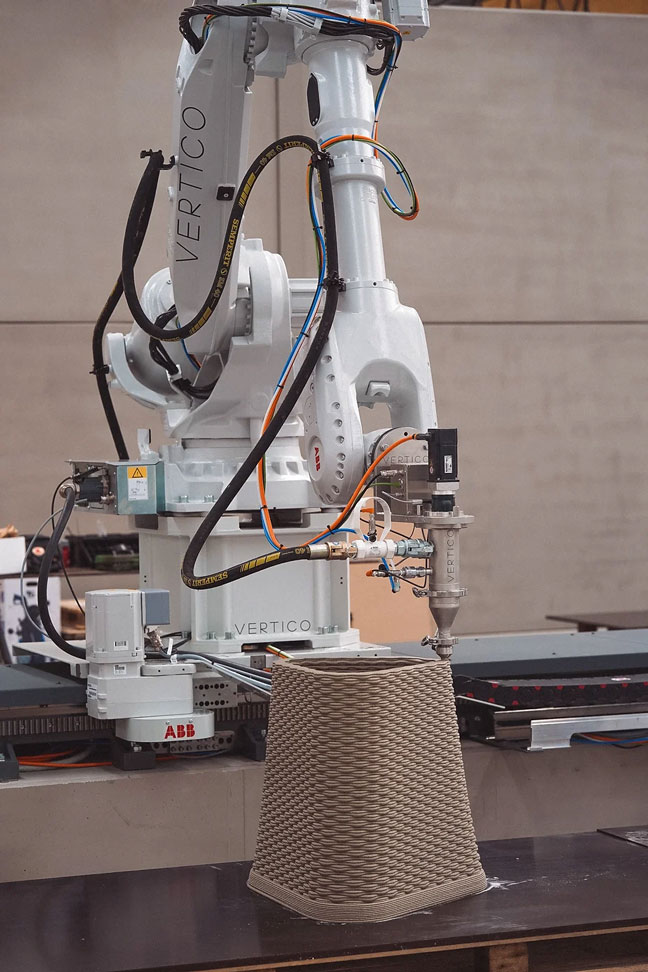
Vertico Installs Largest 3D Concrete Printing System to Date at Portuguese Precast Facility

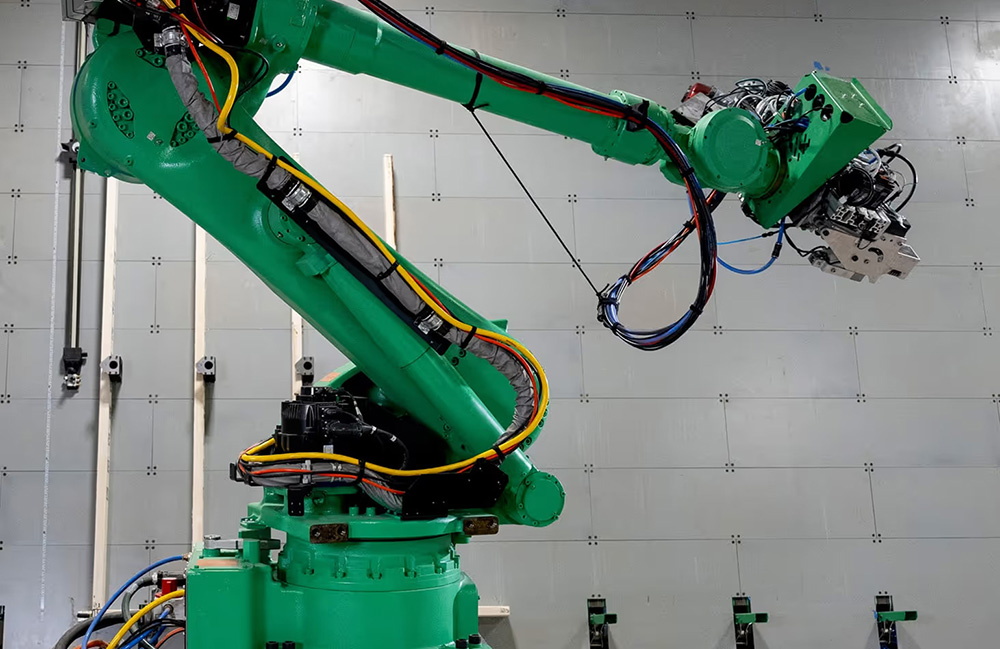
Dutch company Vertico has installed its largest 3D concrete printing system at a Portuguese precast facility, featuring a 3.2-meter ABB robot arm with two-component printing capability. The deployment represents a significant advancement in automated concrete production for the precast manufacturing sector.

Robotics3D Printing
SYZMIK’s X7C+ Cuts Concussion Risk 77% With 3D Printed Lattice Padding
3D Printing Industry·Aug 20, 2026

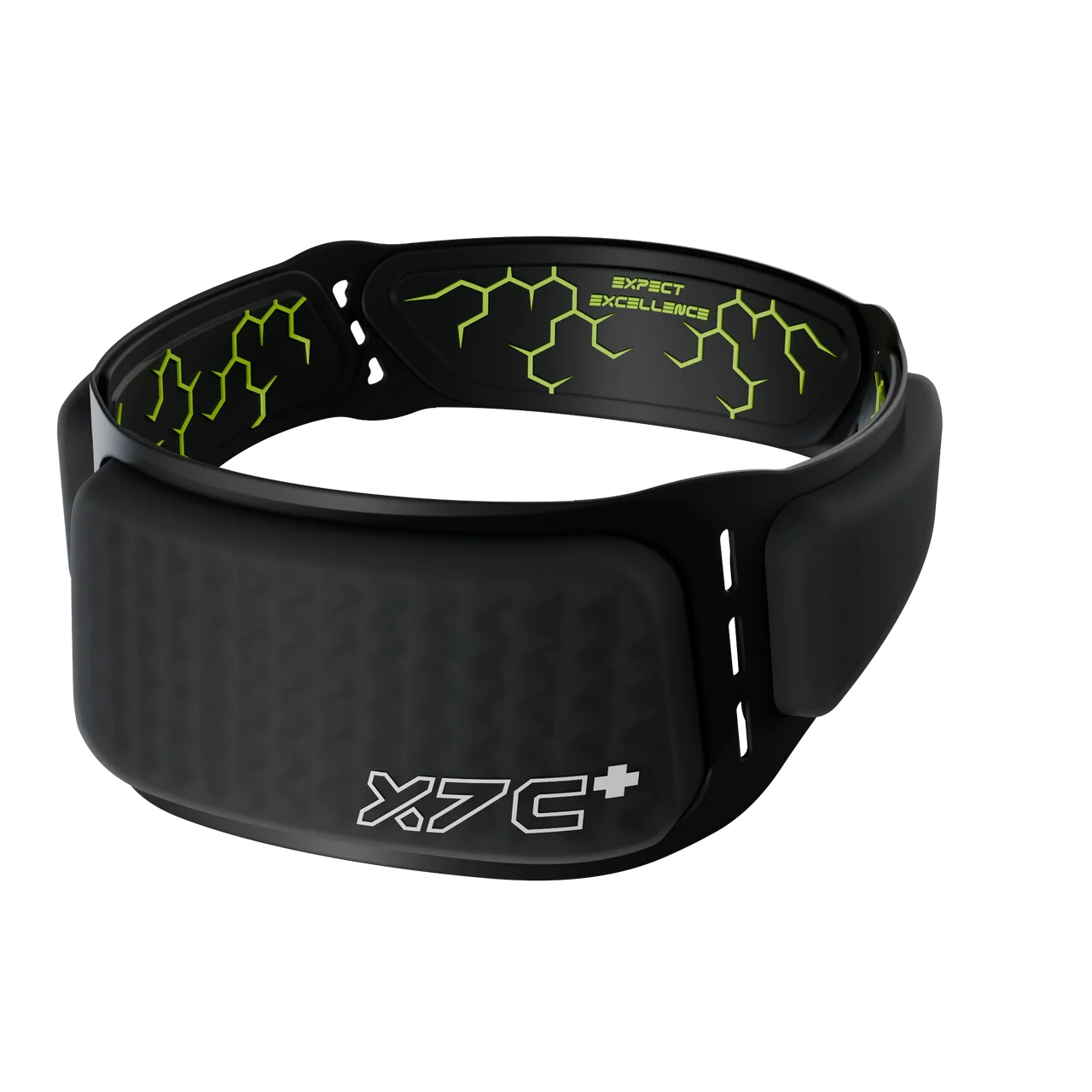
SYZMIK’s X7C+ Cuts Concussion Risk 77% With 3D Printed Lattice Padding

SYZMIK Sports has launched the X7C+ headband using 3D printed lattice padding technology, claiming a 77% reduction in concussion risk with a 5-star impact rating. The $77 protective headband represents a new application of additive manufacturing in sports safety equipment.

3D PrintingSafety
Onkos Surgical’s 3D printed My3D pelvic platform crosses 1,000 surgical cases
3D Printing Industry·Aug 18, 2026

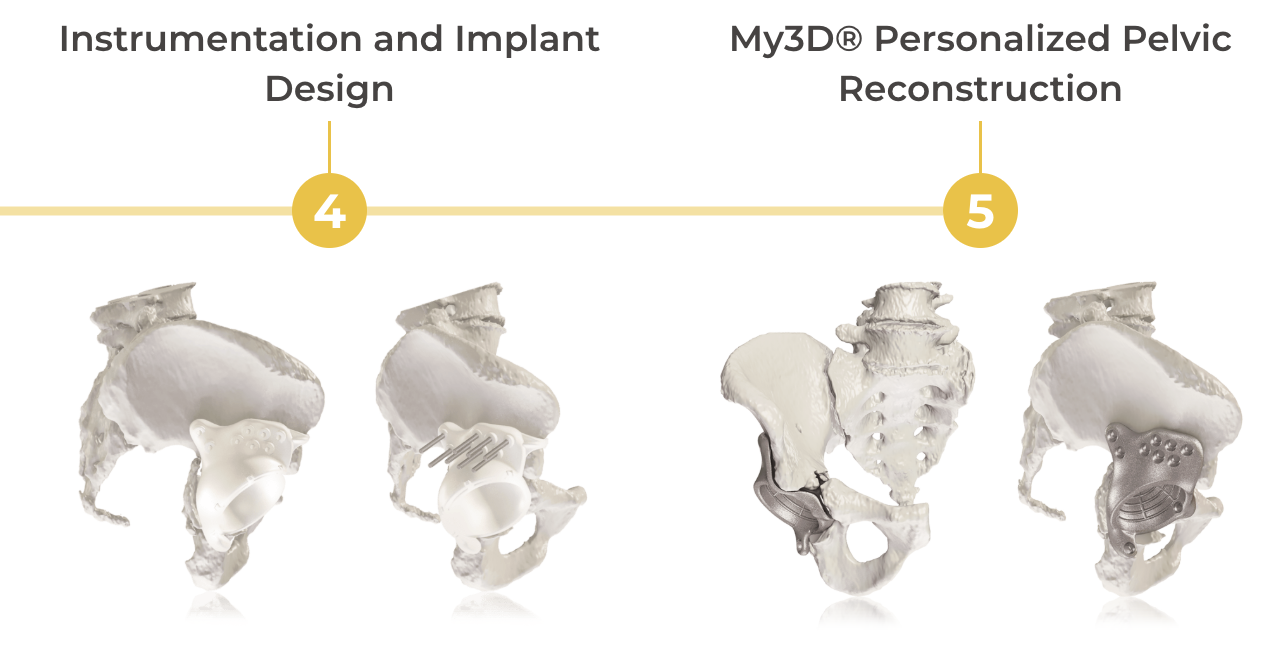
Onkos Surgical’s 3D printed My3D pelvic platform crosses 1,000 surgical cases

Onkos Surgical has reached 1,000 surgical cases using its My3D patient-specific pelvic implant platform, which uses 3D printing to create custom-designed implants for individual patients rather than off-the-shelf options. The platform received FDA 510(k) clearance and represents a significant adoption milestone for personalized implant technology in pelvic reconstruction.

3D Printing
WEEKLY DISPATCH
RIC Robotics printers build out Colorado’s first 3D printed metro district
3D Printing Industry·Aug 15, 2026

RIC Robotics printers build out Colorado’s first 3D printed metro district

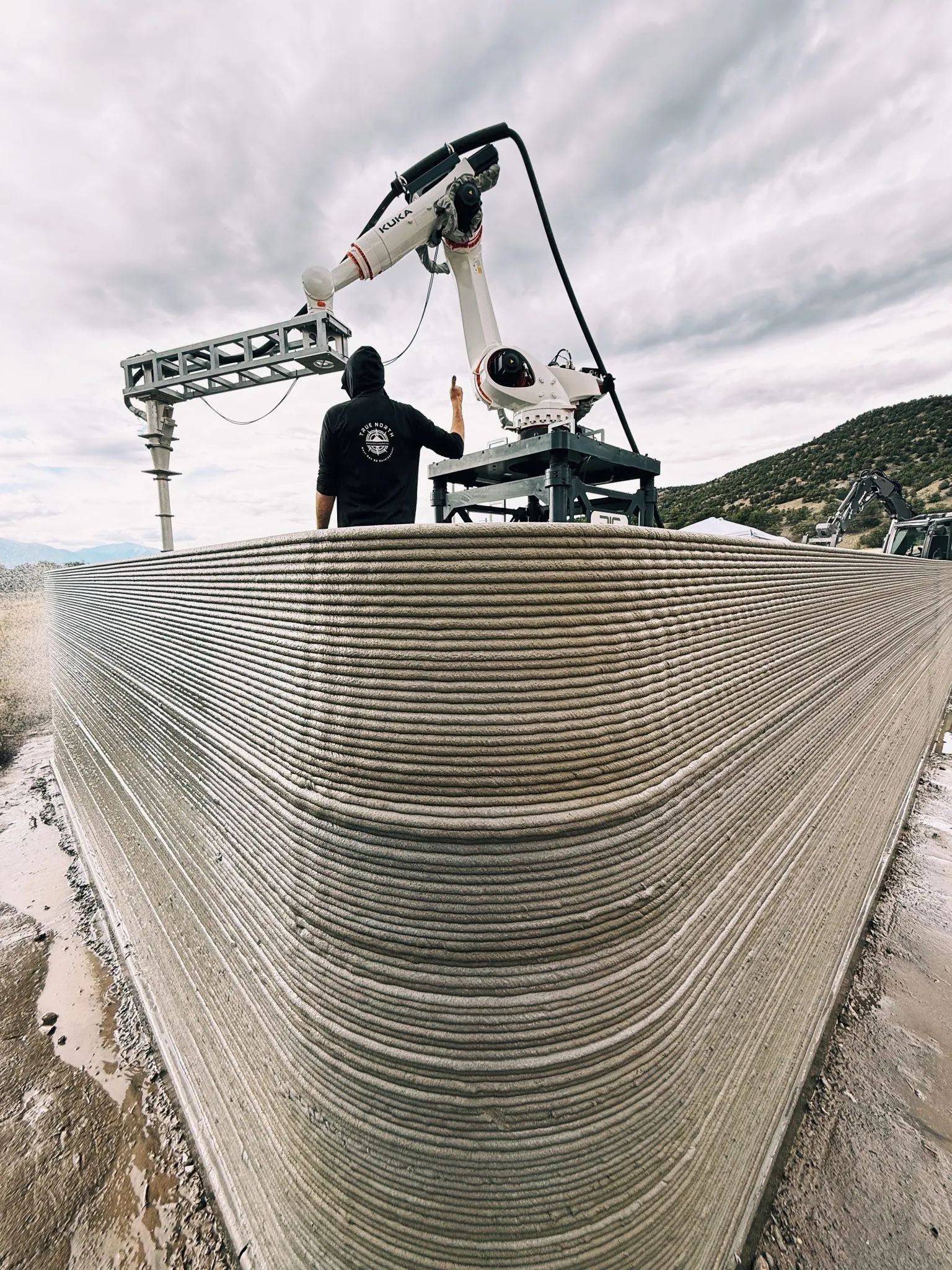
RIC Robotics is building Cleora, a 55-acre 3D printed residential community in Salida, Colorado, with seven homes already completed and sold. The development uses autonomous construction equipment and is expected to become one of the world's largest planned 3D printed residential projects.

Robotics3D Printing