
Bulley & Andrews acquires interiors contractor ICG
Bulley & Andrews, a Chicago-based firm, has acquired interiors contractor ICG. Both companies remain optimistic about the interiors market's future trajectory.
Labor shortage, skilled trades, apprenticeships, hiring platforms, workforce development, and crew management.
1202 stories found
Bulley & Andrews, a Chicago-based firm, has acquired interiors contractor ICG. Both companies remain optimistic about the interiors market's future trajectory.

GE Aerospace is investing €110 million across European manufacturing facilities, with €77 million going to Italy, while planning to hire over 1,000 workers throughout the continent this year. The expansion signals the aerospace supplier's commitment to strengthening its production capacity in Europe.

AI is changing how estimators work in preconstruction, automating routine tasks rather than replacing them. Estimators are becoming more strategic partners who focus on complex decisions and project planning while AI handles data analysis and initial bid calculations.

Construction backlogs and contractor confidence both grew compared to March of last year, signaling continued strength in the industry. Contractors working on data center projects are experiencing particularly robust backlogs compared to those without data center work.

Preconstruction planning has become a critical differentiator for construction companies seeking competitive advantage in an evolving industry. Better upfront planning and coordination directly impact project efficiency, cost control, and delivery timelines.

KONE is using connected workflows and people flow data to streamline construction and building operations, improving efficiency across projects. Digital solutions are helping construction teams work smarter by integrating real-time data into daily operations.

The US may be experiencing a negative immigration rate, with more people leaving than entering the country. This trend directly threatens construction workforce availability and the industry's ability to meet project demand.

Women in construction have grown from 939,000 to 1.36 million workers over the past decade, marking 10 consecutive years of increases. This upward trend reflects expanding opportunities for women in the construction industry.

Barton Malow reaches a construction milestone on the Jackie Robinson Ballpark project while Jacobs secures two new jobs in Chicago. Additional updates include progress on Bechtel's Port Arthur LNG initiative and a leadership change at design firm KTGY.

DPR Construction has deployed ConstructivIQ across 120+ projects enterprise-wide, while Planera launched Manny, an AI scheduling assistant for construction teams. Both tools aim to improve project planning and operational efficiency through artificial intelligence.
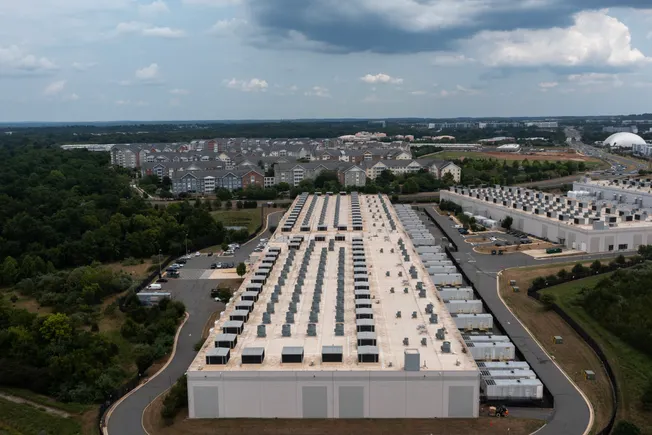
A Wisconsin referendum reveals that cities have limited legal power to block or heavily regulate data center development, even when communities have concerns. Local governments need to focus on negotiating community benefits agreements and cost protections rather than relying on outright rejection.

Fleet safety requires commitment across the entire employee lifecycle, from driver hiring and training through accident management and prevention. Treating fleet safety as a core business strategy helps construction companies reduce costs, protect workers, and improve their bottom line.
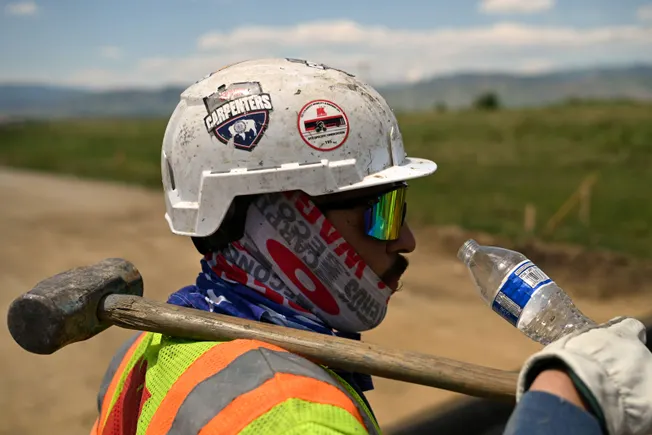
OSHA has launched an extended heat emphasis program running through 2031, picking up where the previous initiative ended on April 8. The new program will include expanded outreach, resources, and inspections focused on protecting workers from heat-related hazards.

Falls remain the leading cause of construction worker fatalities despite being largely preventable. Proper safeguards and prevention measures can significantly reduce fall-related injuries and deaths on job sites.
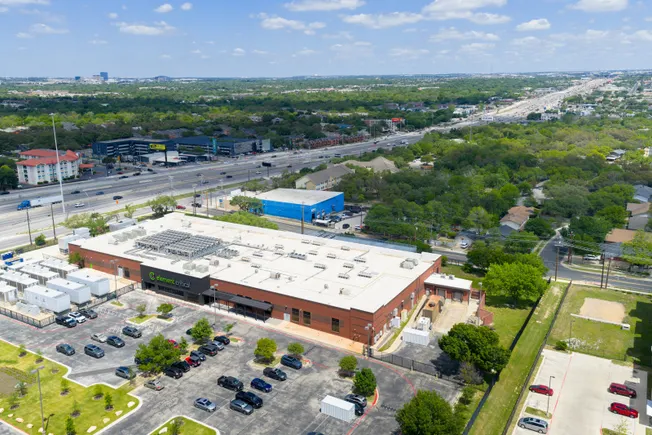
Contractor backlogs grew by 0.5 months in March despite geopolitical tensions, driven largely by strong demand in data center construction. The rebound suggests the sector remains resilient with continued project momentum across major segments.

Construction projects today demand scheduling software that's realistic, collaborative, and adaptable to constant changes. Modern complexity—from remote teams and compressed timelines to supply chain disruptions—makes traditional scheduling approaches increasingly ineffective.

A jury awarded $5 million to a Black Cemex driver with a congenital hearing condition who experienced persistent workplace harassment and discrimination. The case highlights serious compliance failures in how the company handled disability and race bias complaints from its workforce.

Construction faces ongoing challenges from rising material costs and workforce shortages in 2026, with alternative insurance options emerging as a potential solution to cover industry gaps. Builders should evaluate specialized coverage options to manage these persistent operational risks.