AllAI & MLRoboticsAutonomy3D PrintingElectrificationSafetyWorkforceMaterialsEDITOR'S PICKWEEKLY DISPATCH
Category

Workforce & Labor

Labor shortage, skilled trades, apprenticeships, hiring platforms, workforce development, and crew management.

1202 stories found

Construction's structural labor crisis has crystallized into an unmistakable competitive sorting mechanism that now explicitly divides operators who've architected integrated talent systems from those still fragmenting efforts across disconnected initiatives. The convergence of three forces is reshaping the entire industry: persistent labor scarcity that refuses cyclical relief, intensifying regulatory enforcement that transforms safety compliance into a non-negotiable operational requirement, and technology adoption that separates strategic workforce planners from those still relying on manual processes. Contractors embedding psychological capital development—the renewable resource combining hope, efficacy, resilience, and optimism identified by the American Psychological Association—alongside safety culture, wellness programming, and technology implementation are demonstrating measurably superior retention outcomes precisely as competitors continue hemorrhaging workers to attrition. The data is unambiguous: firms managing labor strategically through integrated systems now capture talent at scale, while those treating workforce development as a disconnected cost center are fragmenting against wider performance gaps that cannot be bridged by margin compression from material cost inflation.

Technology adoption has shifted decisively from implementation barrier to retention lever as purpose-built solutions designed for trade-level adoption rather than corporate mandate reshape labor dynamics across estimation, scheduling, and field operations. ConstructConnect's automated takeoff capabilities cut estimation time by 50% on large projects while freeing estimator bandwidth for strategic opportunity scoring, eSUB's partnership with SMART Local 104 is embedding project management skills directly into sheet metal apprenticeships, and MasTec's deployment of physical AI on solar construction jobsites demonstrates on-site operation optimization beyond corporate-level forecasting. The gap between early adopters systematizing these capabilities and lagging competitors remains a decisive competitive moat—yet implementation barriers and workforce skills gaps simultaneously create immediate opportunity for operators willing to integrate training alongside technology deployment. Bluebeam's 2027 AEC technology report confirms most construction firms haven't scaled these capabilities, a condition that reflects organizational friction but masks exceptional runway for contractors positioned to move first.

The talent acquisition and retention crisis now operates entirely on a different plane than wage competition alone can address. Procore's research reveals 50% of young people believe AI could enhance construction careers, yet 41% remain unaware the industry already uses AI—a marketing gap that contractors actively communicating technological enhancement of labor can exploit for talent acquisition at scale while competitors remain silent. Meanwhile, the Department of Labor's reinstatement of the economic reality test for independent contractor classification, the BlackRock Foundation's new veteran transition program, and expanded federal apprentice payment programs signal sustained commitment to training infrastructure scaling precisely as construction employment rose across 37 states. The industry's competitive architecture has fundamentally reorganized: firms treating safety, wellness integration, and technology implementation as interconnected systems that explicitly enhance worker experience and career trajectory are establishing sustainable performance advantages that low-cost operators cannot replicate. This is no longer construction's labor shortage; it is construction's talent development divide.

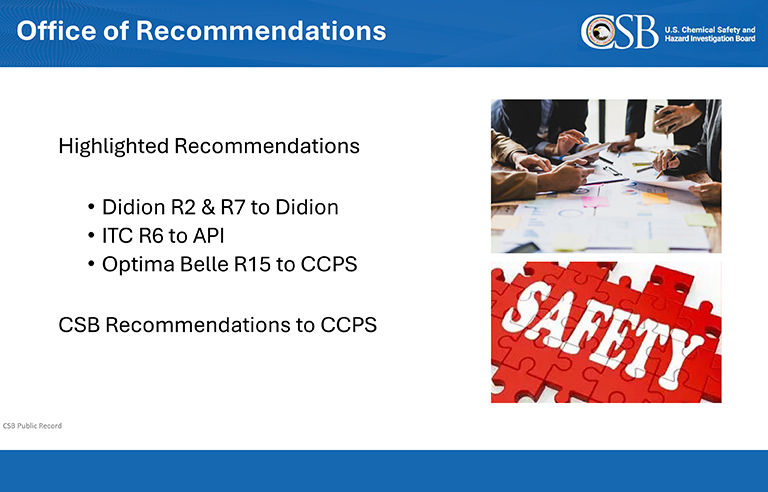
‘What does improve safety is people,’ Chemical Safety Board member says
Safety+Health Magazine·Jun 29, 2026

‘What does improve safety is people,’ Chemical Safety Board member says

The Chemical Safety Board continues operating despite budget elimination threats from the Trump administration and is working with industry and worker groups on safety initiatives. A board member emphasized that effective safety improvements depend on people, not just regulatory oversight.

SafetyWorkforce
Executive Insights 2026: Leaders in Construction Technology II
Construction Executive·Jun 29, 2026

Executive Insights 2026: Leaders in Construction Technology II

Construction technology leaders discuss strategies for breaking down data silos and enabling smaller firms to compete on equal footing with larger competitors. The conversation also covers critical challenges like training experienced workers on new technologies and attracting younger talent to the industry.

Workforce
DOL workers’ comp office asks for information on latest hearing test methods
Safety+Health Magazine·Jun 29, 2026

DOL workers’ comp office asks for information on latest hearing test methods

The Department of Labor's Office of Workers' Compensation Programs is seeking information on modern hearing test methods to update its regulatory standards. The agency aims to ensure its quality standards better reflect current advances in audiometric testing technology.

SafetyWorkforce
The 60-minute dividend: how saving one hour per worker per day transforms your bottom line
Fieldwire Blog·Jun 29, 2026

The 60-minute dividend: how saving one hour per worker per day transforms your bottom line

Saving one hour per worker per day through efficiency improvements can significantly impact a construction company's profitability and project timelines. Strategic operational changes that reduce wasted time directly improve labor productivity and bottom-line results.

Workforce
Many power-line injuries involve workers in nonelectrical jobs: study
Safety+Health Magazine·Jun 26, 2026

Many power-line injuries involve workers in nonelectrical jobs: study

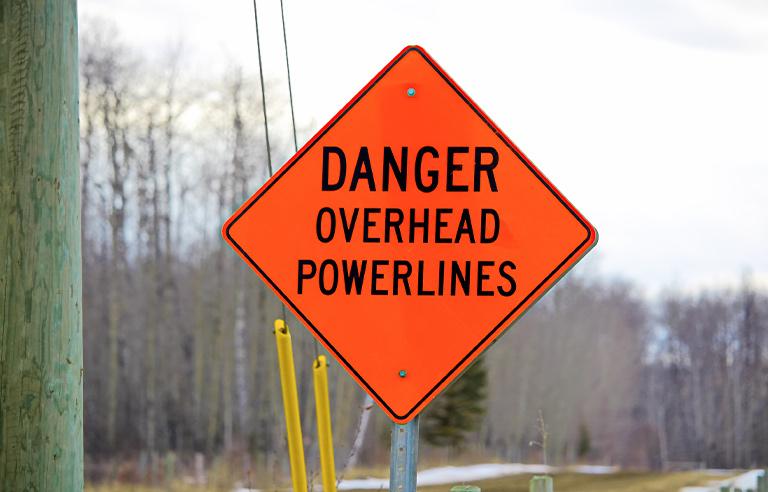
WorkSafeBC data from 2015 to 2025 shows that 74% of power-line contact injuries involve workers from nonelectrical trades rather than electricians. Construction professionals in other trades need better awareness and training to avoid potentially fatal contact with power lines on job sites.

WorkforceSafety
Buildertrend vs. Procore: What each was built for (and what trade contractors actually need)
Fieldwire Blog·Jun 28, 2026

Buildertrend vs. Procore: What each was built for (and what trade contractors actually need)

Buildertrend and Procore are purpose-built for different contractor needs, with Buildertrend designed for smaller residential builders and Procore engineered for larger commercial and heavy civil projects. Trade contractors should evaluate which platform matches their project size, complexity, and specific workflow requirements rather than assuming one solution fits all.

Workforce
Democrat leaders seek withdrawal of DOL’s proposed ‘joint employer’ changes
Safety+Health Magazine·Jun 26, 2026

Democrat leaders seek withdrawal of DOL’s proposed ‘joint employer’ changes

Democratic leaders on the House Education and Workforce Committee are urging the Department of Labor to withdraw proposed changes to joint employer rules. The changes could impact how construction firms classify workers and manage subcontractor relationships.

Workforce
Construction management software cost: What to expect and how to avoid paying for features you don't need
Fieldwire Blog·Jun 28, 2026

Construction management software cost: What to expect and how to avoid paying for features you don't need

Construction management software pricing varies widely based on features and project needs, so understanding what you actually use is critical to avoiding unnecessary costs. Evaluating your specific workflow requirements before purchasing can help you select a platform that delivers value without paying for unused functionality.

Workforce
American Medical Association creates policy on wildland firefighter health
Safety+Health Magazine·Jun 26, 2026

American Medical Association creates policy on wildland firefighter health

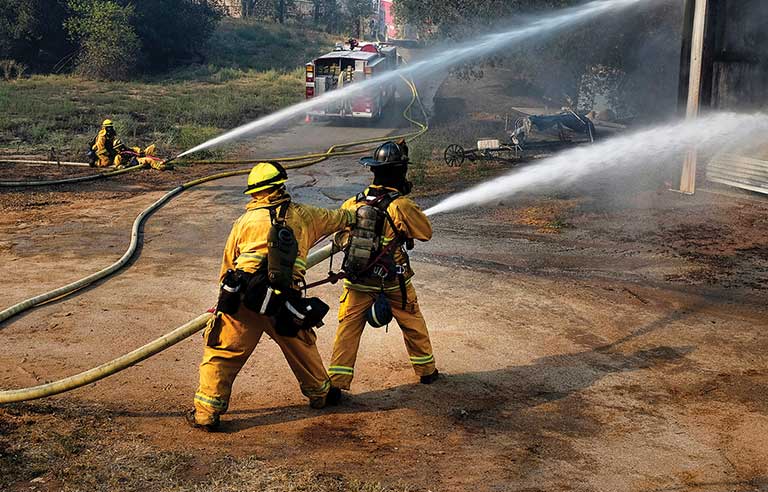
The American Medical Association has adopted a new policy to protect wildland firefighters from the health risks of wildfire smoke exposure as fires become more frequent and intense across the country. The policy aims to establish medical standards and protections for this increasingly vulnerable workforce.

SafetyWorkforce
The real benefits of construction management software for field-first contractors
Fieldwire Blog·Jun 27, 2026

The real benefits of construction management software for field-first contractors

Construction management software helps field-first contractors streamline daily operations by centralizing project data, communications, and real-time decision-making directly where work happens. These tools reduce paperwork, improve coordination between crews and office staff, and ultimately save time and money on job sites.

Workforce
DOL’s Retreat on Davis-Bacon Expansion Welcome, But Full Repeal Is Needed
Construction Executive·Jun 26, 2026

DOL’s Retreat on Davis-Bacon Expansion Welcome, But Full Repeal Is Needed

The Department of Labor has backed away from the Biden administration's attempt to expand Davis-Bacon prevailing wage requirements beyond what Congress originally authorized. The retreat is being celebrated by construction industry groups as a win for legal compliance and taxpayer interests.

Workforce
Titan America Launches xForm3D, a 3D Printable Concrete Technology
3D Printing Industry·Jun 26, 2026

Titan America Launches xForm3D, a 3D Printable Concrete Technology

Titan America has launched xForm3D, a patented 3D printable concrete technology for automated construction in residential, commercial, infrastructure, and coastal projects. The product addresses labor shortages by enabling automated concrete construction processes.

3D PrintingWorkforce
How to choose the right project management software for your construction company
Fieldwire Blog·Jun 26, 2026

How to choose the right project management software for your construction company

Selecting the right project management software requires evaluating features like scheduling, budget tracking, and team collaboration tools that match your company's specific needs and workflow. Key factors to consider include ease of use, integration with existing systems, scalability, and total cost of ownership over time.

Workforce
Construction punch list software: how to close out projects faster with less back-and-forth
Fieldwire Blog·Jun 26, 2026

Construction punch list software: how to close out projects faster with less back-and-forth

Punch list software streamlines the final project closeout phase by automating tracking and communication of remaining tasks between crews and management. Digital tools reduce delays caused by manual coordination and paper-based processes, helping projects wrap up faster.

Workforce
Why your construction daily report software is failing your field crew
Fieldwire Blog·Jun 26, 2026

Why your construction daily report software is failing your field crew

Most construction daily report software fails because it doesn't match how field crews actually work, creating friction instead of streamlining documentation. Crews need tools that are fast, mobile-friendly, and integrate with existing workflows rather than adding another burdensome step to their day.

Workforce
The jobsite management software trade contractors actually use
Fieldwire Blog·Jun 26, 2026

The jobsite management software trade contractors actually use

Jobsite management software designed specifically for trade contractors streamlines daily operations and improves project coordination. The platform focuses on practical features that construction teams actually need rather than overly complex enterprise solutions.

Workforce
How to choose jobsite management software for general contractors in 2026
Fieldwire Blog·Jun 26, 2026

How to choose jobsite management software for general contractors in 2026

General contractors need to evaluate jobsite management software based on their specific project sizes, team structures, and integration needs with existing tools. Key factors include ease of use, mobile functionality, real-time reporting capabilities, and total cost of ownership when making a 2026 software selection.

Workforce
The key AI features in construction management software that help field crews most
Fieldwire Blog·Jun 26, 2026

The key AI features in construction management software that help field crews most

Modern construction management software uses AI to streamline field operations through real-time project tracking, automated reporting, and predictive analytics that help crews stay on schedule and budget. Key features like image recognition for progress monitoring, intelligent resource allocation, and safety hazard detection directly reduce manual work and improve decision-making on job sites.

AI & MLWorkforce