AllAI & MLRoboticsAutonomy3D PrintingElectrificationSafetyWorkforceMaterialsEDITOR'S PICKWEEKLY DISPATCH
Category

Materials & Sustainability

Sustainable materials, green building, LEED, embodied carbon, supply chain, and low-carbon construction.

358 stories found

The materials cost environment has hardened into a structural reality that contractors can no longer treat as cyclical friction. Construction input costs have surged 13.3% driven by tariff pressures on iron, steel, and copper, while the modest relief from falling lumber and energy prices in October provides insufficient offset against sustained inflationary headwinds. The critical divergence now centers on contractor capacity to absorb these increases versus client willingness to accept price adjustments—a tension that forces specification teams toward material substitution and procurement discipline rather than passive acceptance of commodity volatility. UC Riverside's finding that asphalt pavement emissions run 250 times lower than previous lab-based estimates reframes environmental assessment methodology and signals that specification decisions based on outdated emissions data require systematic review and revision. This recalibration creates space for material categories previously penalized by conservative environmental assumptions to re-enter competitive consideration, particularly where cost and performance metrics align.

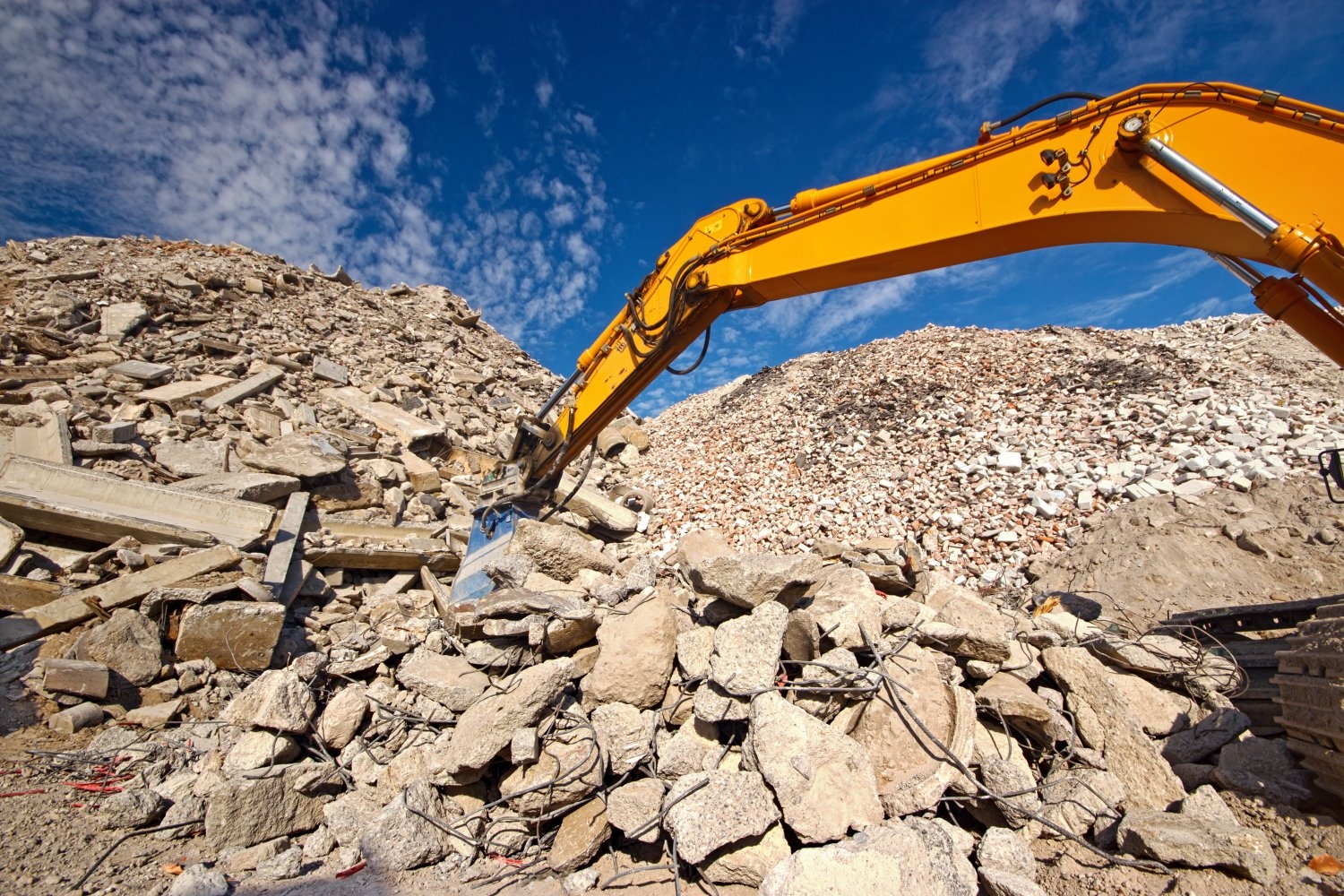
The operational response increasingly centers on two parallel tracks: immediate cost management through enhanced coordination discipline and specification flexibility, and longer-term resilience through diversified supply strategies and regional material sourcing infrastructure. Nashville's expanding construction and demolition recycling sector exemplifies how regional waste diversion and material recovery can stabilize secondary material supply while reducing disposal costs—a model that scales as contractors integrate C&D recovery targets into project planning rather than treating recycling as post-completion obligation. The persistent emphasis on insulation assemblies as integrated systems (managing both condensation resistance through air-impermeable placement and thermal performance through comprehensive design) confirms that sustainable material performance cannot be isolated from installation methodology, building science protocols, and long-term operational outcomes. Construction professionals who maintain specification rigor while systematically integrating tariff intelligence, emissions data reassessment, regional recycling capacity, and pre-jobsite coordination protocols will navigate cost uncertainty more effectively than those relying on traditional material hierarchies or delayed response to supply chain volatility.

How To Work With Structural Steel Shop Drawings 101
eSUB Construction Software Blog·Feb 25, 2025

How To Work With Structural Steel Shop Drawings 101

Structural steel shop drawings are foundational documents that detail the components, fabrication methods, and assembly instructions for steel construction projects. These drawings serve as the critical communication tool between designers, fabricators, and field teams to ensure accurate construction.

Materials
How good old mud can lower building costs
MIT News – Construction/Architecture·Jan 24, 2025

How good old mud can lower building costs

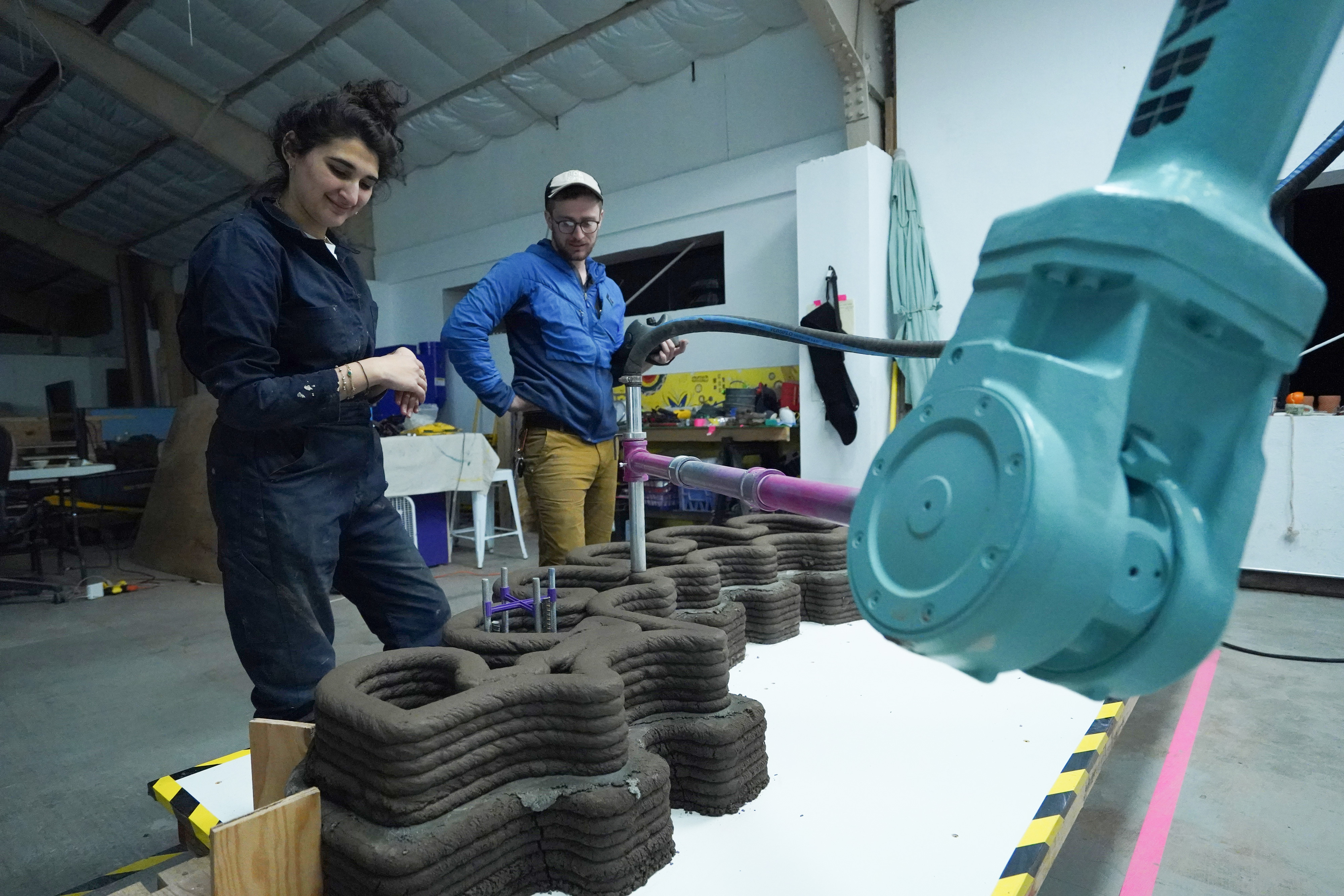
MIT researchers developed a method to replace concrete formwork with on-site soil, potentially reducing material costs and construction waste. The technique uses locally available earth instead of temporary wooden or metal molds, lowering expenses while improving sustainability.

Materials
Decarbonize: Solve tomorrow, today.
Arcadis Insights·Dec 16, 2024

Decarbonize: Solve tomorrow, today.

Construction industry leaders must adopt decarbonization strategies now to meet future environmental regulations and reduce operational costs. Implementing sustainable materials, electric equipment, and efficient processes today positions companies ahead of compliance requirements and market demand.

MaterialsElectrification
Enabling a circular economy in the built environment
MIT News – Construction/Architecture·Dec 11, 2024

Enabling a circular economy in the built environment

Understanding what motivates construction stakeholders—from contractors to developers—is key to getting the industry to adopt circular economy practices. Focusing on stakeholder incentives can accelerate the shift toward reusing materials and reducing waste on job sites.

Materials
Admir Masic: Using lessons from the past to build a better future
MIT News – Construction/Architecture·Nov 12, 2024

Admir Masic: Using lessons from the past to build a better future

Associate Professor Admir Masic applies insights from ancient building materials to develop solutions for modern construction challenges. His research bridges historical engineering knowledge with contemporary problem-solving in civil and environmental engineering.

Materials
With sustainable cement, startup aims to eliminate gigatons of CO₂
MIT News – Construction/Architecture·Aug 9, 2024

With sustainable cement, startup aims to eliminate gigatons of CO₂

Sublime Systems, founded by MIT Professor Yet-Ming Chiang and researcher Leah Ellis, has developed a sustainable cement production method that significantly reduces CO₂ emissions. The technology addresses cement manufacturing, one of the construction industry's largest sources of greenhouse gas emissions.

Materials
MIT announces 2024 Bose Grants
MIT News – Construction/Architecture·Apr 24, 2024

MIT announces 2024 Bose Grants

MIT's 2024 Bose Grants are funding research into clean hydrogen production and basalt architecture—both relevant to construction's push toward sustainable building materials and energy solutions. The grants also support fetal health-sensing fabric and shark-based ocean monitoring, expanding potential applications for wearable technology and environmental monitoring.

MaterialsSafety
Think globally, rebuild locally
MIT News – Construction/Architecture·Mar 22, 2024

Think globally, rebuild locally

A new study based on Amsterdam's construction practices shows that recycling construction materials locally rather than shipping them globally improves efficiency and reduces waste. Keeping recyclable materials close to their source reduces transportation costs and environmental impact while supporting circular economy principles in construction.

Materials
Cleaning up one of the world’s most commonly used substances
MIT News – Construction/Architecture·Oct 13, 2023

Cleaning up one of the world’s most commonly used substances

C-Crete has developed a cement alternative that reduces carbon dioxide emissions from cement production, one of the construction industry's largest sources of greenhouse gases. The company was founded by MIT-trained engineer Rouzbeh Savary.

Materials
MIT announces 2023 Bose Grants for daring new research
MIT News – Construction/Architecture·Sep 29, 2023

MIT announces 2023 Bose Grants for daring new research

MIT's 2023 Bose Grants are funding research into honeybee tracking systems, innovative glass building materials, and biomechanics of human movement. The projects span construction-relevant areas including materials science and potential applications in worker safety and performance.

MaterialsSafety
Jackson Jewett wants to design buildings that use less concrete
MIT News – Construction/Architecture·Sep 8, 2023

Jackson Jewett wants to design buildings that use less concrete

Jackson Jewett, a PhD student, is developing algorithms to design large structures using less concrete, which would significantly reduce the construction industry's carbon emissions. The work focuses on optimizing material usage in building design to make construction more sustainable.

AI & MLMaterials
3 Questions: Boosting concrete’s ability to serve as a natural “carbon sink”
MIT News – Construction/Architecture·Aug 10, 2023

3 Questions: Boosting concrete’s ability to serve as a natural “carbon sink”

MIT researchers found that adding sodium bicarbonate to concrete mixes significantly boosts the material's ability to absorb and store carbon dioxide from the air. This approach offers a practical way to reduce concrete's carbon footprint while leveraging the material's natural sequestration properties.

Materials
3 Questions: Leveraging carbon uptake to lower concrete’s carbon footprint
MIT News – Construction/Architecture·Mar 31, 2023

3 Questions: Leveraging carbon uptake to lower concrete’s carbon footprint

MIT researchers are studying how concrete naturally absorbs carbon dioxide throughout its lifecycle to reduce the material's overall carbon footprint. The research aims to better understand carbonation's effects and potentially leverage this process to make concrete production more environmentally sustainable.

Materials
New additives could turn concrete into an effective carbon sink
MIT News – Construction/Architecture·Mar 28, 2023

New additives could turn concrete into an effective carbon sink

MIT researchers have identified new additives that enable concrete to absorb and store carbon dioxide, transforming it into a carbon-negative building material. The advancement could significantly reduce concrete's environmental footprint by turning a major emissions source into a tool for carbon sequestration.

Materials
Study: Carbon-neutral pavements are possible by 2050, but rapid policy and industry action are needed
MIT News – Construction/Architecture·Feb 21, 2023

Study: Carbon-neutral pavements are possible by 2050, but rapid policy and industry action are needed

Carbon-neutral pavements are technically achievable by 2050, but reaching this goal requires immediate action from policymakers, industry players, and all stakeholder levels. The research underscores that decarbonizing pavement production and installation is essential to meeting climate targets.

Materials
Riddle solved: Why was Roman concrete so durable?
MIT News – Construction/Architecture·Jan 6, 2023

Riddle solved: Why was Roman concrete so durable?

Researchers have identified the manufacturing technique behind Roman concrete's exceptional durability, which has outlasted modern concrete by centuries. Understanding this ancient strategy could lead to longer-lasting concrete formulations for contemporary construction projects.

Materials