AllAI & MLRoboticsAutonomy3D PrintingElectrificationSafetyWorkforceMaterialsEDITOR'S PICKWEEKLY DISPATCH
Category

Materials & Sustainability

Sustainable materials, green building, LEED, embodied carbon, supply chain, and low-carbon construction.

280 stories found

Advanced manufacturing's trajectory from laboratory validation into production infrastructure continues to accelerate, with Virginia Tech's NSF-funded initiative to develop self-lubricating metal alloys for extreme-temperature applications now joining the expanding ecosystem of material-science investments that directly serve construction's need for higher-performing, longer-lasting components. The $2 million grant to Virginia Tech, Arizona State University, and Iowa State University targets a critical durability challenge—wear reduction in environments where conventional maintenance becomes prohibitively expensive—that echoes across industrial construction, power generation facilities, and infrastructure systems operating at thermal extremes. This work builds directly on the defect-characterization research conducted in microgravity and the production-scale validation achieved by Alloyed and NASENI's Metal Additive Manufacturing Hub, confirming that the pathway to field-deployable advanced manufacturing now depends on solving material performance problems that commodity-grade solutions cannot address. The convergence is strategic: each successive grant and production milestone removes a specific technical barrier rather than making broad promises, which accelerates the translation of laboratory capabilities into specifications that project teams can actually deploy.

The regulatory environment surrounding material procurement and infrastructure modernization has shifted in ways that reshape both immediate project options and long-term specification strategy. Congress's water infrastructure legislation directing federal funding toward modernization of aging pipes and treatment facilities will translate directly into procurement specifications for any construction project touching municipal water systems—a mandate that affects material compatibility, corrosion protection, and cost structures across a broad category of public and private work. Simultaneously, the federal court's vacation of the EPA's methylene chloride ban restores temporary optionality for contractors managing adhesives, sealants, and paint strippers on legacy systems, though this regulatory reversion does not reverse the underlying momentum toward lower-toxicity alternatives. For construction professionals, these shifts demand flexible specification strategies that account for regulatory volatility while recognizing that infrastructure modernization will create sustained demand for materials and systems that integrate with aging municipal systems—a practical recognition that sustainability must accommodate the economic and technical realities of retrofit work alongside new construction.

Material durability remains the most overlooked and cost-effective sustainability lever available to project teams, a principle demonstrated repeatedly in recent field case documentation where design detail failures—not material choice alone—drive embodied carbon through premature replacement cycles. The critical insight is straightforward and applicable across concrete facilities, flooring systems in specialized environments, and any long-service-life component: water shedding, maintenance access, and drainage-conscious assembly directly determine replacement intervals, and poor detail design negates whatever embodied carbon advantages the base material provides. As advanced manufacturing delivers material efficiency through functional integration, and as regulatory volatility demands flexible sourcing strategies, the convergence points clearly toward project teams that treat durability as a specification discipline rather than an assumed benefit—teams that will capture the sustainability advantages of both new materials and conventional ones by designing assemblies that shed water, remain accessible for maintenance, and extend service life across the full replacement cycle.

Trump Expands Use and Access of Red Dye Diesel
AGC of America News·2d ago

Trump Expands Use and Access of Red Dye Diesel

Trump administration policies expand the availability and use of red dye diesel fuel, which is typically reserved for off-road equipment and can now be more widely accessed by construction contractors. The expansion aims to reduce costs for construction operations that rely heavily on diesel-powered machinery and vehicles.

Materials
HHS announces new process for agency’s PPE purchases
Safety+Health Magazine·Sep 30, 2026

HHS announces new process for agency’s PPE purchases

The Department of Health and Human Services has established a formal, ongoing process to identify and consolidate anticipated PPE purchases under the Make PPE in America Act. This streamlined purchasing approach aims to improve transparency and planning for HHS's personal protective equipment needs across routine operations and emergency response.

SafetyMaterials
AGC Encourages Supreme Court to Review Air Quality Standards
AGC of America News·2d ago

AGC Encourages Supreme Court to Review Air Quality Standards

The Associated General Contractors of America is urging the Supreme Court to reconsider federal air quality standards that impact construction operations. Stricter air quality regulations could increase compliance costs and operational restrictions for construction firms across the country.

Materials
Virginia Tech-led project uses additive manufacturing to develop self-lubricating alloys for extreme heat
3D Printing Industry·Sep 30, 2026

Virginia Tech-led project uses additive manufacturing to develop self-lubricating alloys for extreme heat

Virginia Tech, Arizona State University, and Iowa State University received a $2 million NSF grant to develop self-lubricating metal alloys that can withstand extreme temperatures using additive manufacturing. These new materials will reduce wear and friction in high-heat equipment, extending equipment life and improving performance in demanding construction and industrial applications.

3D PrintingMaterials
Reimagining a St. Louis Landmark: The Transformation of Powell Hall
AGC of America News·Sep 30, 2026

Reimagining a St. Louis Landmark: The Transformation of Powell Hall

Powell Hall, a historic St. Louis theater, is undergoing a major renovation to restore and modernize the landmark structure. The transformation project addresses structural repairs, system upgrades, and accessibility improvements while preserving the building's architectural heritage.

Materials
Microgravity Research Targets Defects in Metal Additive Manufacturing
3D Printing Industry·Sep 28, 2026

Microgravity Research Targets Defects in Metal Additive Manufacturing

The NSF and ISS National Laboratory are funding research to study how metal powder particles behave during 3D printing using microgravity conditions in space. This study aims to identify and fix defects in metal additive manufacturing, potentially improving the quality and reliability of 3D-printed metal components.

3D PrintingMaterials
AGC Responds to Proposed Federal Stormwater Permit
AGC of America News·Sep 29, 2026

AGC Responds to Proposed Federal Stormwater Permit

The Associated General Contractors of America has issued a response to new federal stormwater permit requirements that will affect construction site operations and compliance procedures. Contractors need to review the proposed permit conditions to understand potential impacts on project timelines, costs, and environmental management practices.

Materials
Concrete Is Complex: What Contractors Need to Know When Building Animal Care Facilities
Construction Executive·Sep 28, 2026

Concrete Is Complex: What Contractors Need to Know When Building Animal Care Facilities

Animal care facilities present unique concrete challenges that go beyond standard commercial construction requirements. Contractors must understand that flooring in these projects serves specialized purposes beyond structural load-bearing capacity.

Materials
Court vacates EPA ban on most uses of methylene chloride
Safety+Health Magazine·Sep 25, 2026

Court vacates EPA ban on most uses of methylene chloride

A federal court has overturned the EPA's ban on most uses of methylene chloride, a chemical commonly used in paint strippers, bathtub refinishing, cleaners, adhesives, and sealants. The ruling reinstates the ability to use this widely-applied chemical in construction and related work despite previous worker safety concerns.

SafetyMaterials
Porch Railing Rebuild
JLC Online·Sep 24, 2026

Porch Railing Rebuild

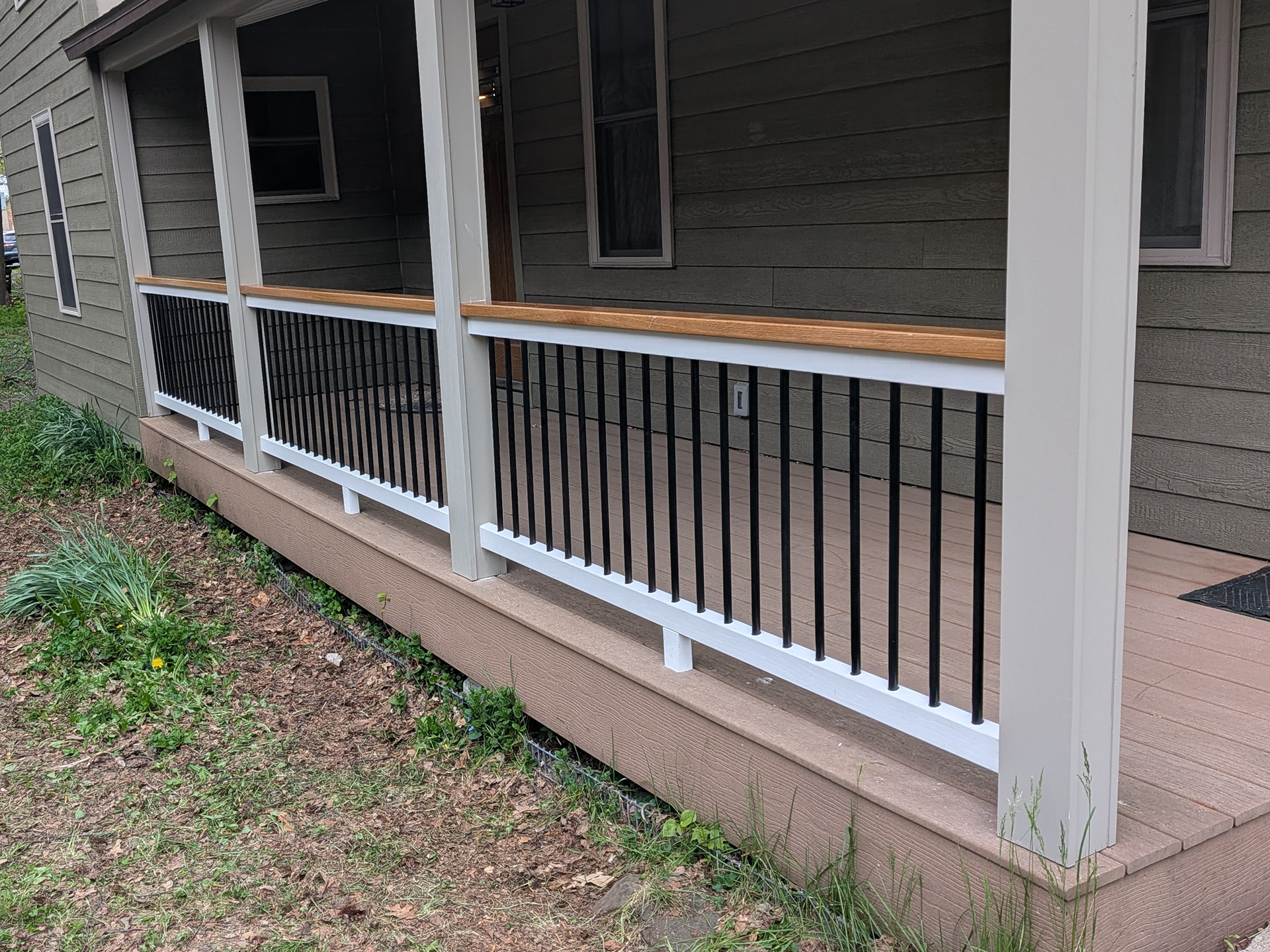
A contractor rebuilt an exterior balustrade in white oak after the original assembly failed due to poor water management, with the flat lower rail allowing water to pool and cause deterioration. The new design addresses drainage issues that compromised the durability of the modern-looking original installation.

Materials
House Passes Water Infrastructure Legislation
AGC of America News·Sep 23, 2026

House Passes Water Infrastructure Legislation

The House passed comprehensive water infrastructure legislation aimed at modernizing aging water systems and pipes across the country. The bill allocates significant federal funding for upgrades, repairs, and replacements of critical water infrastructure components.

Materials
EPA wants feedback on flammable, colorless liquid
Safety+Health Magazine·Sep 21, 2026

EPA wants feedback on flammable, colorless liquid

The EPA is reviewing 1,2-dichloropropane, a colorless liquid chemical used in manufacturing, after finding it poses unreasonable health risks to workers under certain conditions. The agency is accepting public comments on the draft risk evaluation to determine appropriate regulations for the substance's use.

WorkforceMaterials
House Approves Legislation Targeting Data Centers
AGC of America News·Sep 23, 2026

House Approves Legislation Targeting Data Centers

The House has passed legislation that will regulate or restrict data center development and operations. The measure likely addresses energy consumption, environmental impact, or land use concerns associated with large-scale data center construction.

MaterialsElectrification
Stanford lab’s subvoxel 3D printing technique aims to make one part serve multiple functions at once
3D Printing Industry·Sep 21, 2026

Stanford lab’s subvoxel 3D printing technique aims to make one part serve multiple functions at once

Stanford researchers have developed a subvoxel 3D printing technique that allows multiple materials to be precisely layered within a single printed part, enabling components to serve multiple functions simultaneously. The method is being applied across diverse industries including lab-grown meat production, structural vehicle batteries, and metamaterials, with potential applications in construction and manufacturing.

3D PrintingMaterials
Data center construction: what makes these builds different
Fieldwire Blog·Sep 21, 2026

Data center construction: what makes these builds different

Data center construction requires specialized approaches due to demanding technical requirements, tight timelines, and complex infrastructure systems that differ significantly from traditional building projects. These builds demand precision planning, modular components, advanced cooling systems, and coordination across electrical, mechanical, and structural trades that operate under stricter tolerances than conventional construction.

MaterialsWorkforce
MOD, Alloyed take new turbojet engine from concept to flight in under seven months
3D Printing Industry·Sep 18, 2026

MOD, Alloyed take new turbojet engine from concept to flight in under seven months

The UK Ministry of Defence and manufacturing startup Alloyed developed a new turbojet engine from concept to flight testing in under seven months through a co-development partnership. The accelerated timeline demonstrates rapid prototyping and manufacturing capabilities for building scalable defense propulsion systems domestically.

3D PrintingMaterials
One Year In: A Look at the Initial Impacts of LEED v5 on the Built Environment
Construction Executive·Sep 14, 2026

One Year In: A Look at the Initial Impacts of LEED v5 on the Built Environment

LEED v5 has shifted its certification framework to prioritize decarbonization, social equity, and ecosystem restoration rather than previous metrics. After one year of implementation, the standard is reshaping how the construction industry approaches building design and environmental responsibility.

Materials
NASENI Unveils Plans for Nigeria’s First Metal Additive Manufacturing Hub
3D Printing Industry·Sep 15, 2026

NASENI Unveils Plans for Nigeria’s First Metal Additive Manufacturing Hub

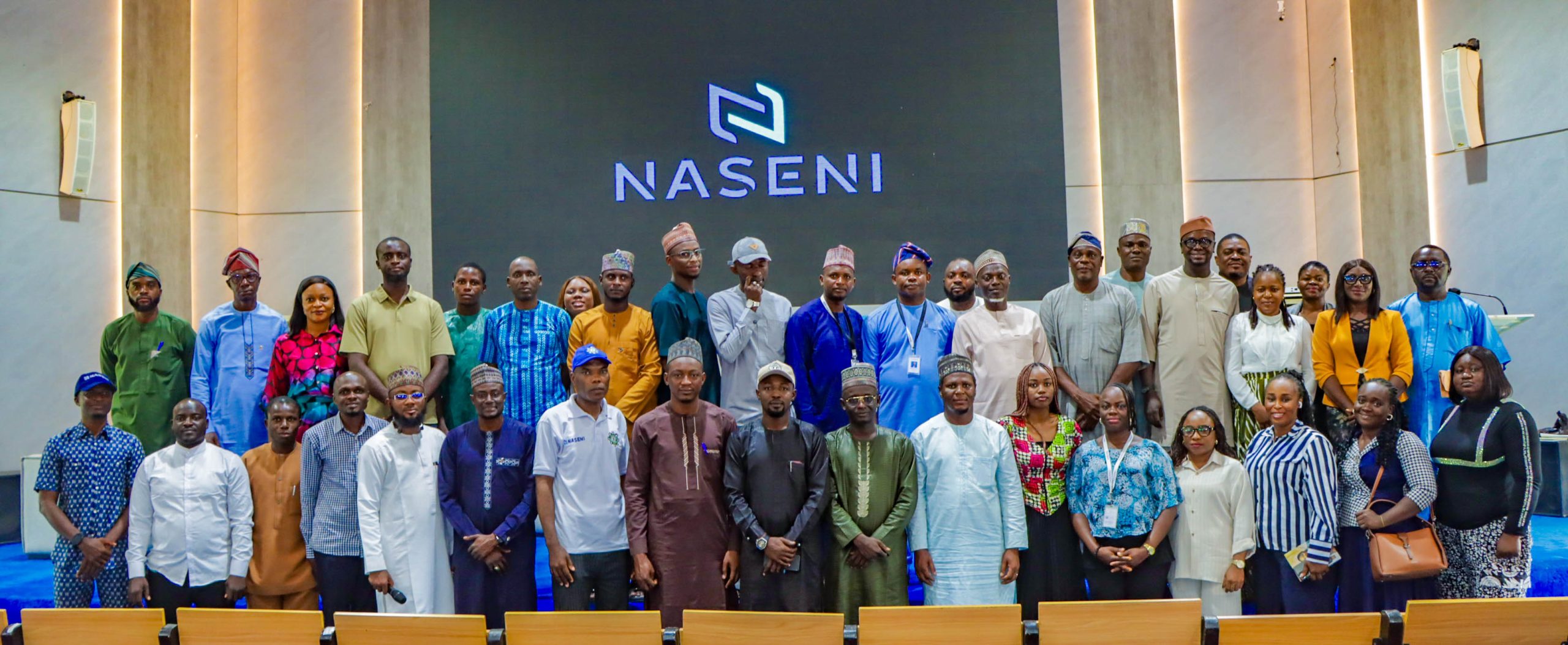
Nigeria's NASENI is establishing the country's first Metal Additive Manufacturing Hub to reduce dependence on imported industrial components and develop domestic 3D metal printing capabilities. The hub will enable local production of metal parts currently sourced from abroad, supporting Nigeria's industrial manufacturing sector.

3D PrintingMaterials