AllAI & MLRoboticsAutonomy3D PrintingElectrificationSafetyWorkforceMaterialsEDITOR'S PICKWEEKLY DISPATCH
Category

Autonomous Equipment

Drones, UAVs, autonomous vehicles, self-driving equipment, machine control, and site automation.

354 stories found

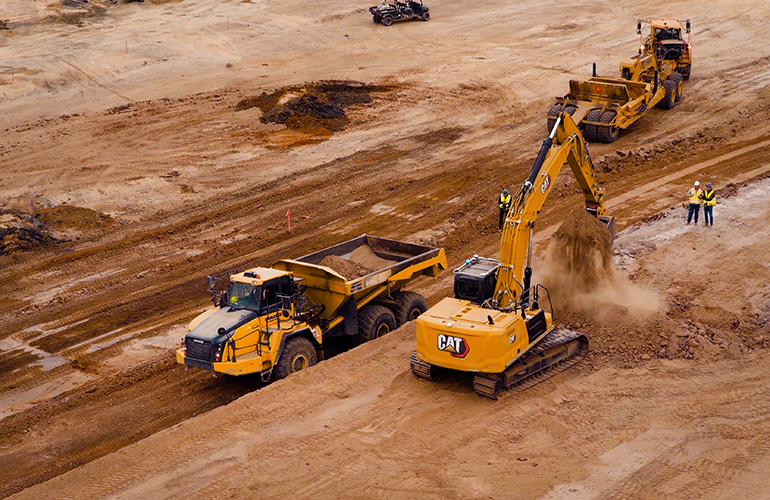
The autonomy transition in construction is now entering a phase where hardware standardization and AI-driven data collection are removing the final barriers to scaled deployment. Komatsu's expansion of autonomous haul truck development across four equipment models in North America signals that tier-one OEMs are treating autonomy as core product strategy rather than experimental sideline—this matters because equipment manufacturers control both hardware and software integration pathways that contractors depend on. Simultaneously, the data infrastructure layer is accelerating: Humyn Labs' $47 million raise to aggregate real-world operational data, coupled with advances in generative AI robotics frameworks, means that the constraint blocking broader adoption has shifted decisively away from algorithmic capability and toward standardized data collection and interoperability. The manufacturing data gap that persists—as recent analysis in Robotics Business Review confirms—is being systematically addressed through dedicated funding and ecosystem focus. What was true six months ago remains true: the question for construction executives is no longer whether autonomy works, but which tasks to prioritize and how to integrate these systems into existing fleet operations.

Task-specific automation continues to validate the near-term ROI narrative. Boston Dynamics' Atlas humanoid robot is moving beyond automotive manufacturing into semiconductor facilities in early 2027, demonstrating that humanoid platforms are approaching the operational maturity needed for specialized construction-adjacent work. MIT's self-correcting autonomous construction blocks and AI-powered drone monitoring with automated change detection show that autonomy is now embedded across the full spectrum of jobsite activities—from materials handling to real-time progress tracking. Rockwell Automation's acquisition of AGILOX, the company's second major robotics purchase in two years, confirms that industrial automation incumbents are consolidating mobile robotics capability as a strategic necessity rather than optional add-on. These developments collectively indicate that construction organizations operating without active autonomy evaluation strategies are falling behind: competitors deploying task-specific autonomous systems are compressing labor-intensive workflows and improving safety profiles, and that efficiency gap compounds every quarter.

The regulatory environment remains unresolved and contingent. California's DMV prohibition on Waymo autonomous vehicles on state freeways signals that public roadway autonomy faces genuine safety validation hurdles that robotics and construction autonomy largely bypass—jobsite environments operate under different regulatory frameworks and safety expectations than public transportation. This distinction matters: construction autonomy deployment doesn't require the level of public regulatory approval that automotive self-driving does, meaning construction organizations can move forward with task-specific and fleet-based autonomous systems while transportation autonomy works through its regulatory maturation cycle. The practical implication is clear: construction teams should evaluate autonomy adoption based on jobsite readiness and ROI, not on the timeline of automotive regulatory approval. The hardware, software, and data infrastructure necessary for construction autonomy are now operationally viable and economically defensible at scale.

Learn how physical AI is being used to do real work at RoboBusiness
Robotics Business Review·Sep 1, 2026

Learn how physical AI is being used to do real work at RoboBusiness

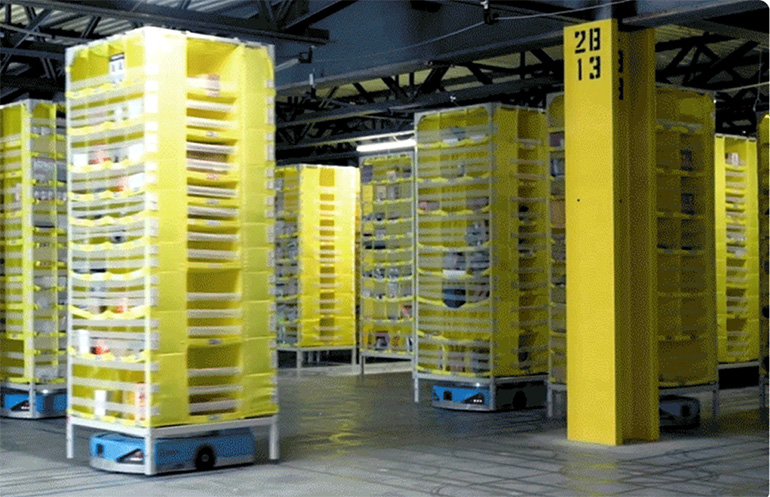
Amazon Robotics, Teradyne Robotics, and Cobot leaders are sharing how physical AI is being deployed in real-world job sites to perform actual work. The discussion focuses on practical applications of AI-powered robots operating in customer environments.


AI & MLRobotics
Construction Project Management in 2027
ConstructConnect·Aug 31, 2026

Construction Project Management in 2027

Construction project management in 2027 will be shaped by advances in digital technology, automation, and data analytics that streamline planning, scheduling, and resource allocation. These innovations will enable project managers to make faster decisions, reduce delays, and improve overall project delivery compared to today's standards.

AI & MLAutonomy
The Missing Layer in Robot Safety Assurance
Robotics Business Review·Sep 1, 2026

The Missing Layer in Robot Safety Assurance

Robot safety programs need to address cybersecurity vulnerabilities that could compromise how machines perceive their environment, make decisions, and execute tasks on job sites. Current safety assurance methods are missing this critical layer of protection against attacks that could alter robot behavior.

RoboticsAutonomy
Living in a Material World
Construction Executive·Aug 27, 2026

Living in a Material World

Construction has transformed from ancient manual methods like stone and wooden levers to modern technological solutions including autonomous vehicles and remote monitoring systems. Advanced materials like self-sensing concrete represent how the industry continues to evolve toward smarter, more efficient building practices.

AutonomyMaterials
WEEKLY DISPATCH
The edge AI wall: Why embodied AI requires new mathematics
Robotics Business Review·Aug 30, 2026

The edge AI wall: Why embodied AI requires new mathematics

Embodied AI systems face a fundamental computational bottleneck when deployed on job sites, limiting their ability to process complex planning tasks in real time. New mathematical approaches are needed to overcome this edge AI wall and make physical robots practical for construction work.

AI & MLRobotics
The differences between decentralized and centralized power in swarm robotics
Robotics Business Review·Aug 29, 2026

The differences between decentralized and centralized power in swarm robotics

Robotic swarms can use either centralized or decentralized power management systems, each with distinct advantages and trade-offs. A hybrid approach combining both methods may deliver superior performance for construction applications.

RoboticsAutonomy
From teach and repeat to SelfPath AI: The next robotics leap
Robotics Business Review·Aug 28, 2026

From teach and repeat to SelfPath AI: The next robotics leap

Brian Corp's CTO John Black discusses how the robotics industry is moving beyond traditional teach-and-repeat programming to more advanced AI systems like SelfPath. Building trust in robotic fleets requires addressing reliability and safety concerns that construction teams depend on for job site deployment.

RoboticsAI & ML
WEEKLY DISPATCH
EXL acquires physical AI model developer iMerit
Robotics Business Review·Aug 28, 2026

EXL acquires physical AI model developer iMerit

EXL has acquired iMerit, a developer of physical AI models used to train autonomous systems and robots. The combined company will offer construction and other industries improved tools for developing reliable AI-powered equipment and automation.

AI & MLRobotics
WEEKLY DISPATCH
NSF to invest $90M into three new technology centers, including one focused on robotics
Robotics Business Review·Aug 27, 2026

NSF to invest $90M into three new technology centers, including one focused on robotics

The National Science Foundation is committing $90 million to fund three new technology centers, with one dedicated to robotics research at the University of Texas at Austin. The Center for Human and Robot Co-Adaptation will focus on developing robots that can work alongside human workers in practical applications.

RoboticsAutonomy
Carbon Robotics partners with iMerit to power instant in-field AI customization
Robotics Business Review·Aug 27, 2026

Carbon Robotics partners with iMerit to power instant in-field AI customization

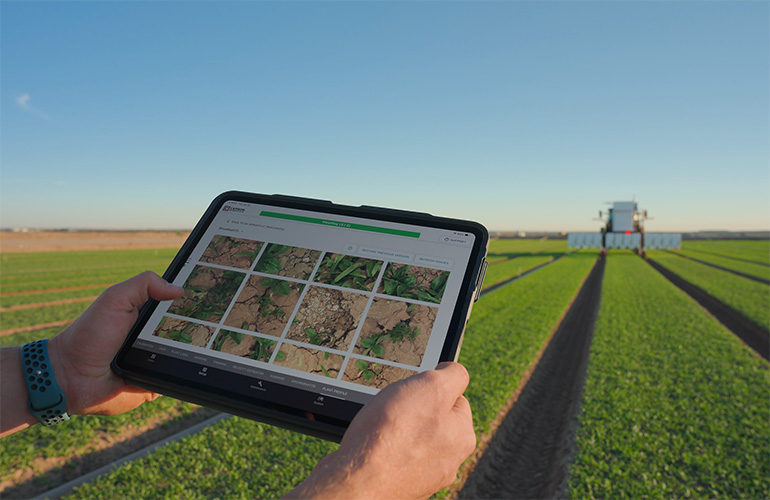
Carbon Robotics launched a plant foundation AI model and tractor kit that allows farmers to customize laser weeding systems directly in the field. The company partnered with iMerit to enable instant AI customization without requiring manual reprogramming or off-site adjustments.

AI & MLRobotics
WEEKLY DISPATCH
Gatik brings in $200M to continue expanding autonomous trucking operations
Robotics Business Review·Aug 26, 2026

Gatik brings in $200M to continue expanding autonomous trucking operations

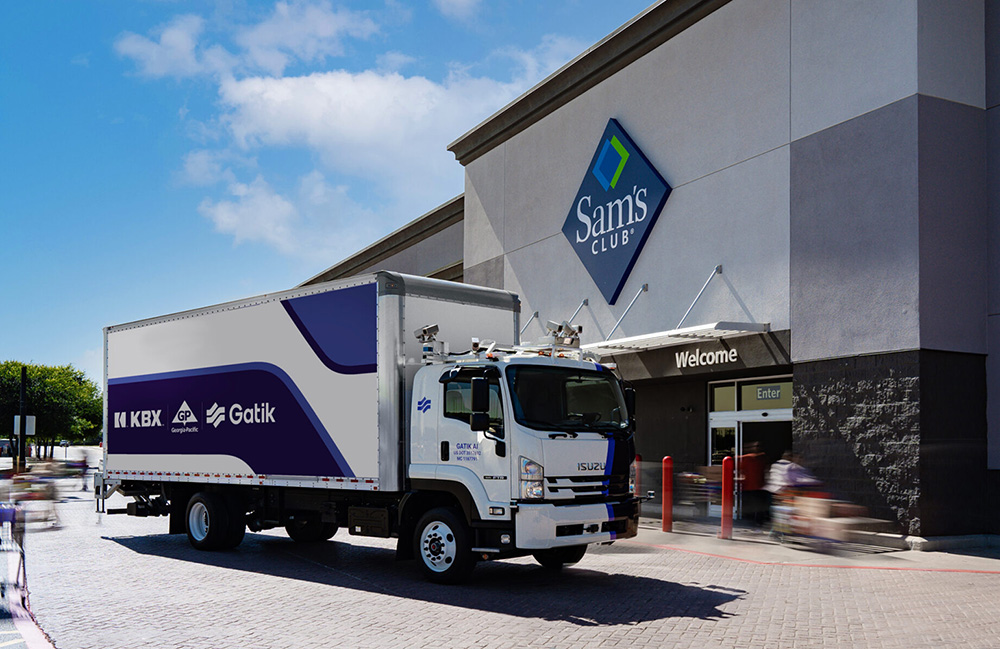
Gatik secured $200M in funding to expand its autonomous trucking operations focused on high-frequency regional routes between distribution centers and retail stores. The capital will support the company's growth in automating short-haul logistics that directly impact construction supply chains.

AutonomyRobotics
IDS Imaging adds Nion ToF sensor to its portfolio of 3D cameras
Robotics Business Review·Aug 26, 2026

IDS Imaging adds Nion ToF sensor to its portfolio of 3D cameras

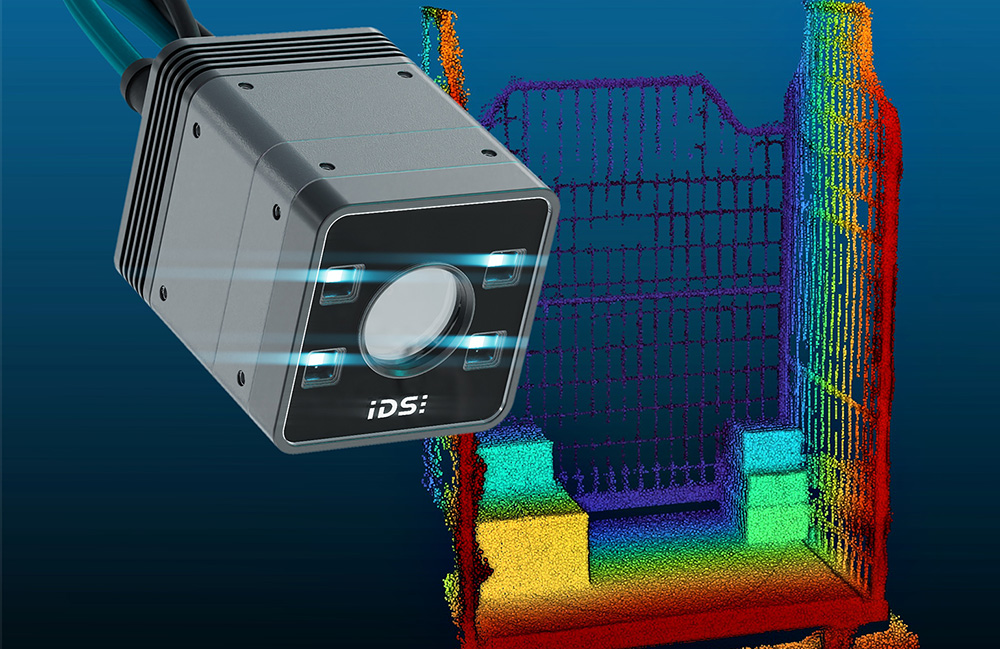
IDS Imaging has added Nion ToF (Time-of-Flight) sensors to its 3D camera lineup, enabling precise 3D data capture at production speeds. The technology targets construction-adjacent industries like logistics and robotics that require real-time dimensional accuracy for automated processes.

RoboticsAutonomy
WEEKLY DISPATCH
Bedrock Robotics’ first operator-free excavator deployments take off
Robotics Business Review·Aug 26, 2026

Bedrock Robotics’ first operator-free excavator deployments take off

Bedrock Robotics is deploying autonomous excavators on active construction sites to address labor shortages with AI-powered equipment that requires no operator. The operator-free machines represent a significant shift toward automation in heavy equipment operations.

RoboticsAutonomy
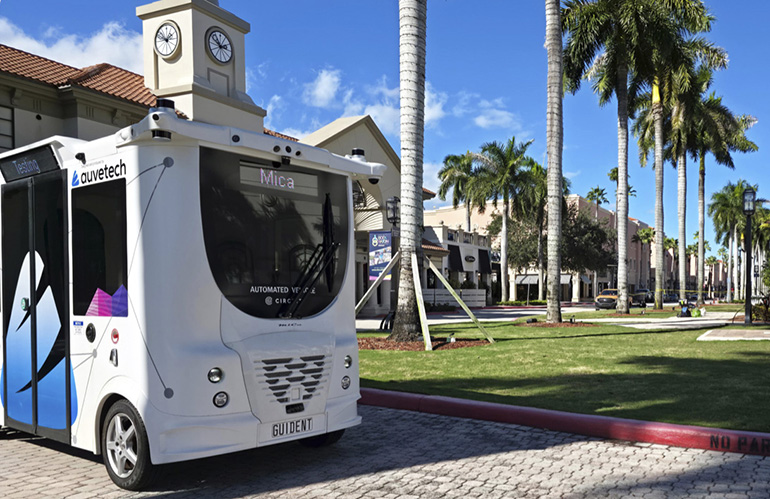
Humans in the loop are still needed for robotaxi fleet safety, says Guident
Robotics Business Review·Aug 25, 2026

Humans in the loop are still needed for robotaxi fleet safety, says Guident

Autonomous vehicle fleets require human oversight alongside AI systems to maintain safety as operations scale up. Guident's leadership emphasizes that combining automated technology with human decision-making remains essential for robotaxi fleet management.

AutonomyRobotics
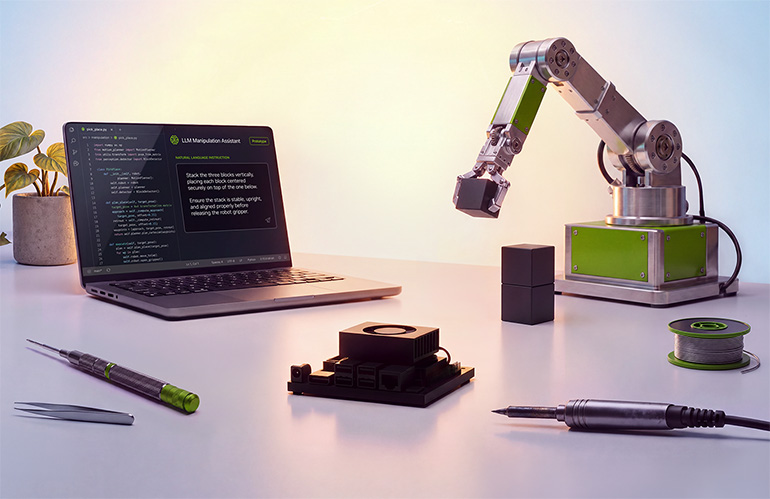
Jetson Orin Nano 2 doubles inference performance for robotics on the edge, says NVIDIA
Robotics Business Review·Aug 25, 2026

Jetson Orin Nano 2 doubles inference performance for robotics on the edge, says NVIDIA

NVIDIA's new Jetson Orin Nano 2 chip doubles inference performance, enabling advanced AI capabilities to run directly on edge devices like construction robots in real time. This advancement allows robotics and autonomous systems to process complex tasks on-site without relying on cloud connectivity or external computing power.

AI & MLRobotics
The technology that could bring robot mowers to one in two American lawns
Robotics Business Review·Aug 22, 2026

The technology that could bring robot mowers to one in two American lawns

Advances in AI, satellite navigation, and machine vision are making robotic lawn mowers increasingly viable for widespread American adoption. The technology could potentially reach one in two U.S. lawns as these systems become more reliable and accessible.

AI & MLRobotics
WEEKLY DISPATCH
Schaeffler plans to mass produce gearboxes for humanoid robots in 2027
Robotics Business Review·Aug 21, 2026

Schaeffler plans to mass produce gearboxes for humanoid robots in 2027

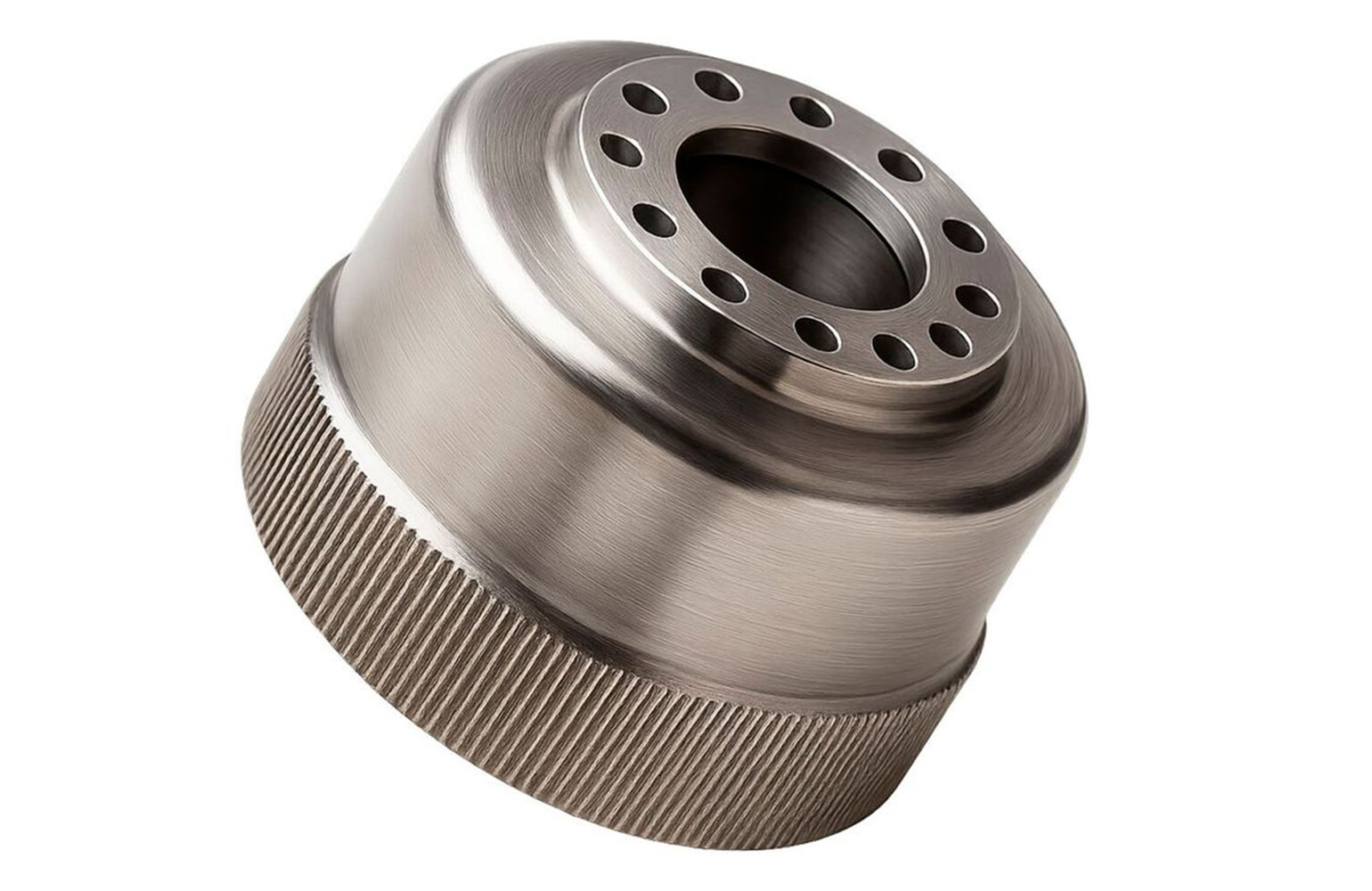
Schaeffler is developing strain wave gearboxes using a new forming technology designed to enable mass production by 2027. These precision gearboxes are critical components for humanoid robots that could eventually support construction and industrial work.

RoboticsAutonomy
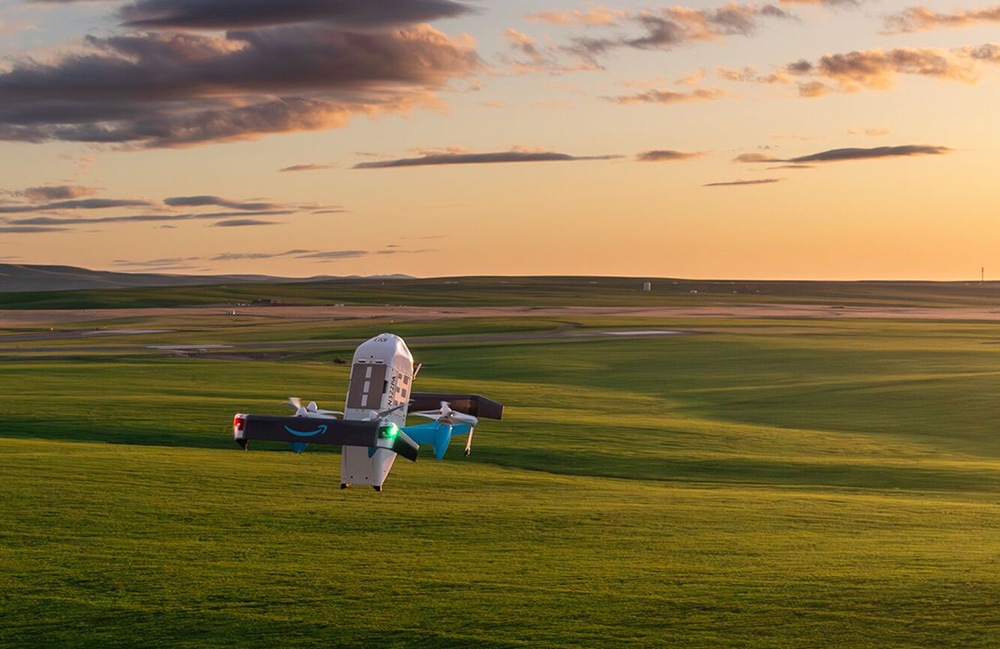
Amazon plans to expand Prime Air to nearly 500 cities by the end of 2026
Robotics Business Review·Aug 20, 2026

Amazon plans to expand Prime Air to nearly 500 cities by the end of 2026

Amazon is scaling its Prime Air drone delivery service to nearly 500 cities by the end of 2026, expanding access to automated package delivery for items under 5 pounds. The expansion represents a significant shift toward autonomous logistics infrastructure that could reshape supply chains and job site delivery workflows.

RoboticsAutonomy