AllAI & MLRoboticsAutonomy3D PrintingElectrificationSafetyWorkforceMaterialsEDITOR'S PICKWEEKLY DISPATCH
Category

Autonomous Equipment

Drones, UAVs, autonomous vehicles, self-driving equipment, machine control, and site automation.

95 stories found

The autonomy sector is undergoing a decisive inflection toward physical intelligence and autonomous dexterity as the foundational constraint for construction and manufacturing operations. While the previous narrative emphasized that autonomous vehicles and mobile systems had achieved operational maturity, the current wave of development signals that the industry is now addressing the more granular problem: enabling machines to perform dexterous task execution without human intervention. Cobot's Proxie Gen 2 demonstrates this shift concretely—the robot can now autonomously identify what materials require movement, determine placement logic, and generate execution tasks without operator direction. This represents a meaningful upgrade from mobility-only systems to genuinely self-directed material handling workflows. Sanctuary AI's validation of production-ready physical AI at a Tier 1 automotive supplier, combined with Kawasaki Robotics' RL030N platform and PSYONIC's partnership with ABB to integrate prosthetic-derived dexterity into robotic arms, confirms that the industry consensus has moved beyond theoretical humanoid development toward practical, deployable systems capable of real-world task adaptation. These aren't isolated proof-of-concepts; they reflect a coordinated migration across the robotics sector toward machines that can learn and execute complex manipulation tasks on job sites and factory floors.

The capital deployment and manufacturing readiness signals further validate that autonomous systems are transitioning from innovation theater into critical infrastructure for labor-constrained markets. Einride's transition to public markets through SPAC merger provides explicit validation that autonomous freight—already integrated into major Fortune 500 supply chains across the U.S. and Europe—commands institutional investment confidence comparable to traditional transportation assets. Pegasus Tech Ventures' $60M physical AI fund, explicitly targeting construction, automation, and intelligent systems, indicates that venture and strategic capital see generational returns accruing to companies capable of deploying dexterous automation at scale. GrayMatter Robotics' positioning of autonomous finishing systems as a direct response to the Navy's projected 174,000-worker manufacturing shortage establishes that labor arbitrage economics now justify autonomous system integration even in highly specialized, safety-critical domains. Fennec Engineering's T2 qualification for its automated traceability platform signals simultaneously that regulatory and certification frameworks for autonomous construction operations are maturing in parallel with the hardware itself.

For construction executives, the operational implication is clear: the question has evolved beyond whether autonomous vehicles and mobile systems are deployment-ready—that resolved in mid-2026—toward whether your organization can orchestrate dexterous automation, material handling systems, and documentation platforms into coherent job site workflows. The next competitive advantage accrues not to early adopters of isolated autonomous solutions but to firms capable of integrating perception infrastructure (Leica scanners, OpenSpace documentation), autonomous mobility (Einride, Burro), dexterous task execution (Proxie Gen 2, Kawasaki RL030N), and safety-critical traceability (Fennec) into systems that reduce both labor dependency and operational friction. Organizations that treat these as modular procurement decisions will lose to competitors that treat autonomy as an orchestrated operational ecosystem requiring ongoing partnership and continuous learning loop investment.

EDITOR'S PICK
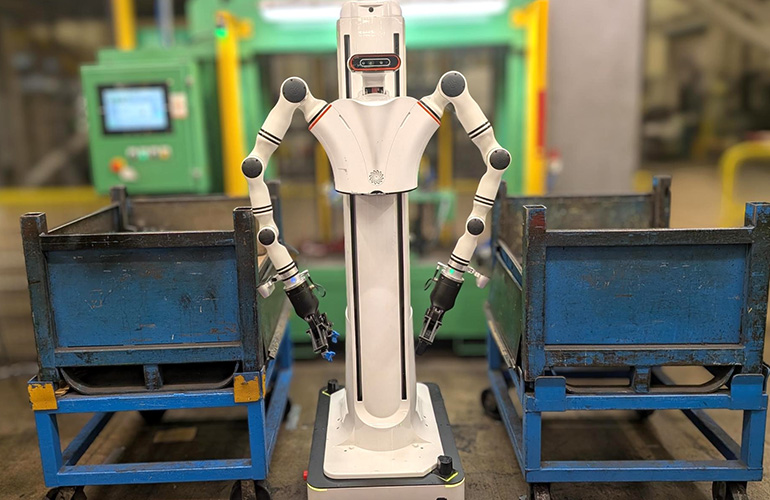
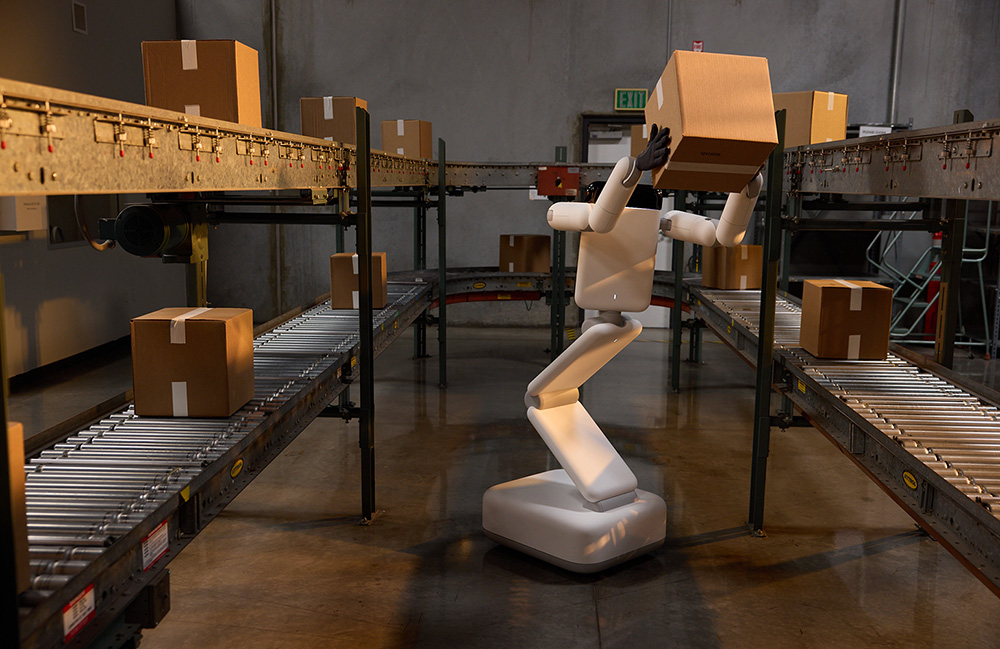
Cobot’s Proxie Gen 2 robot adds autotasking, mobile manipulation
Robotics Business Review·yesterday

Cobot’s Proxie Gen 2 robot adds autotasking, mobile manipulation

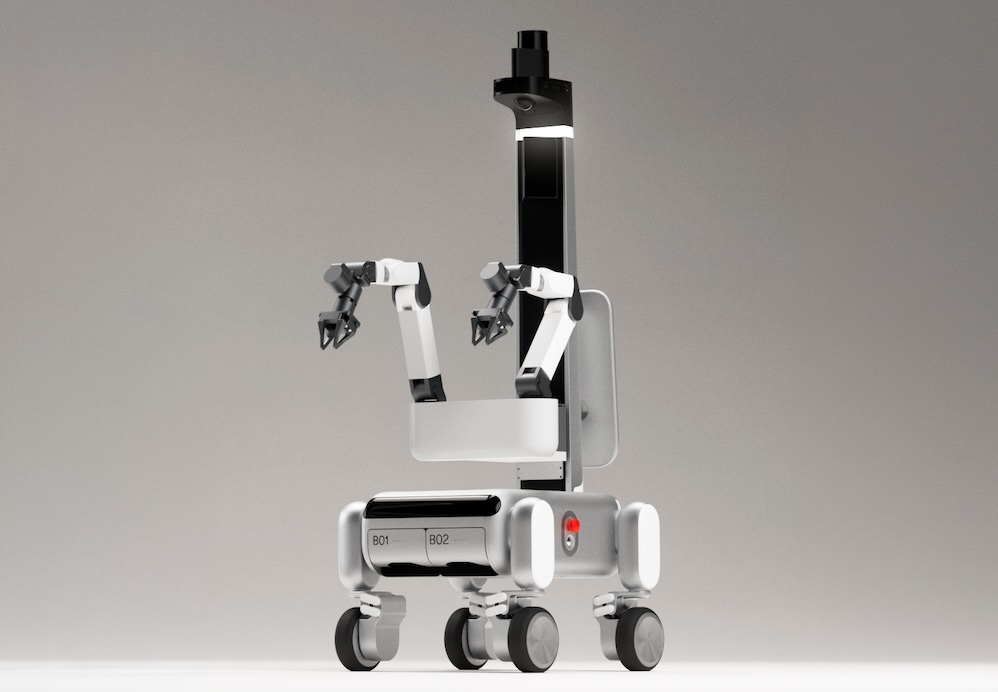
Cobot's Proxie Gen 2 robot can automatically determine when materials need moving, identify where they should go, and generate tasks without human direction. The mobile manipulation capability enables the robot to handle material handling workflows with minimal human oversight.
RoboticsAutonomy
Leica's New XR Laser Scanners, Xpanner Raises $18M; OpenSpace Passes 1K Data Centers
ENR Construction Technology·Jun 10, 2026

Leica's New XR Laser Scanners, Xpanner Raises $18M; OpenSpace Passes 1K Data Centers

Leica released new XR laser scanners while Xpanner secured $18M in funding to advance construction automation and data management capabilities. OpenSpace reached a milestone of 1,000 connected data centers, reflecting growing adoption of AI-powered platforms across the construction industry.

AI & MLAutonomy
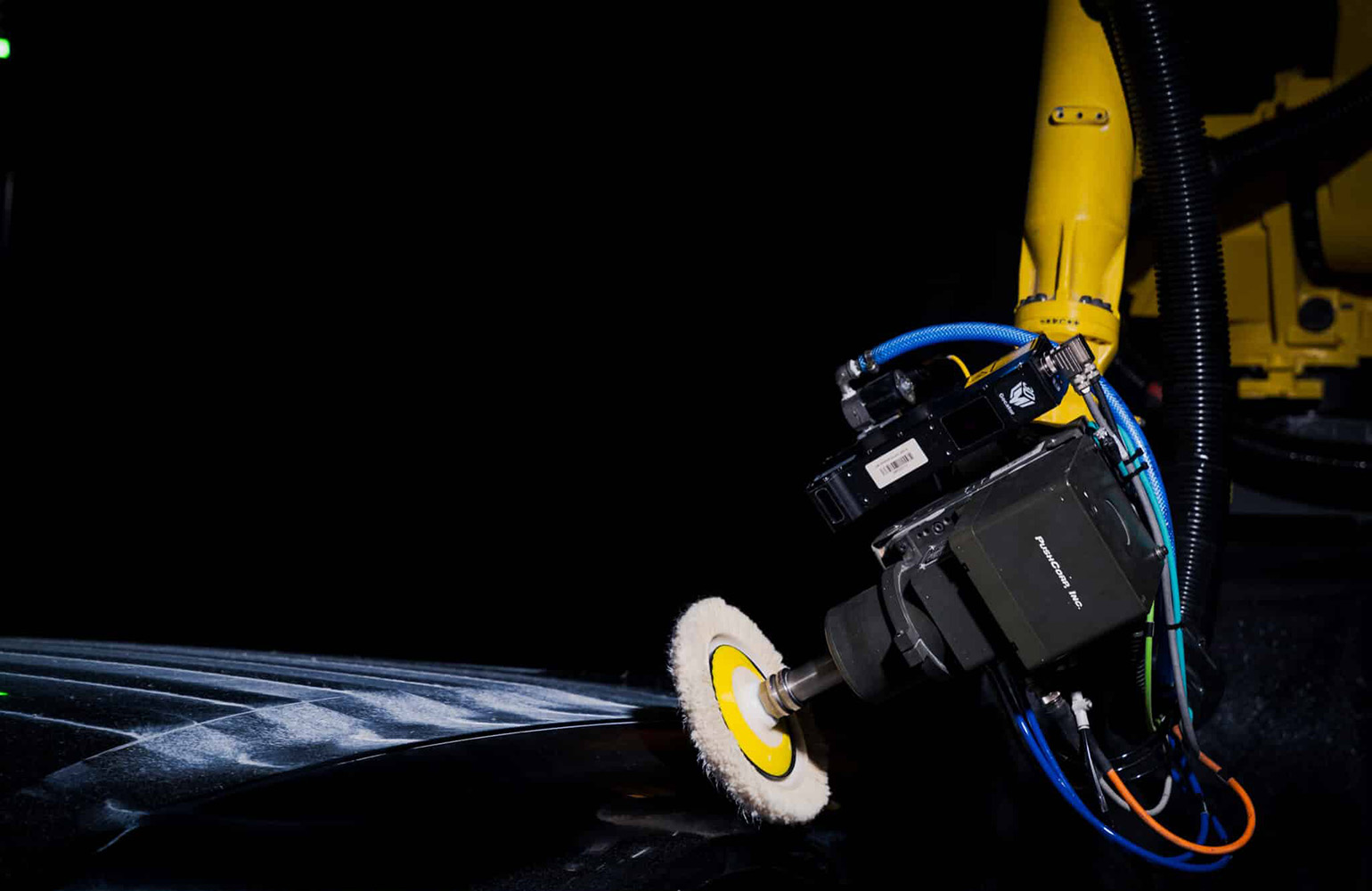
Defense manufacturing readiness hinges on autonomous finishing, says GrayMatter Robotics
Robotics Business Review·3d ago

Defense manufacturing readiness hinges on autonomous finishing, says GrayMatter Robotics

The Navy's industrial base review projects a need for 174,000 new workers in defense manufacturing, creating a significant workforce gap. GrayMatter Robotics argues that autonomous finishing systems and robotics can help fill this labor shortage and maintain manufacturing readiness.

RoboticsAutonomy
Leica's New RTC Laser Scanners, Xpanner Raises $18M; OpenSpace Passes 1K Data Centers
ENR Construction Technology·Jun 10, 2026

Leica's New RTC Laser Scanners, Xpanner Raises $18M; OpenSpace Passes 1K Data Centers

Leica released new RTC laser scanners while Xpanner secured $18M in funding to advance data center and construction automation capabilities. OpenSpace reached a milestone of 1,000 supported data centers, reflecting growing adoption of technology platforms across the construction industry.

AI & MLAutonomy
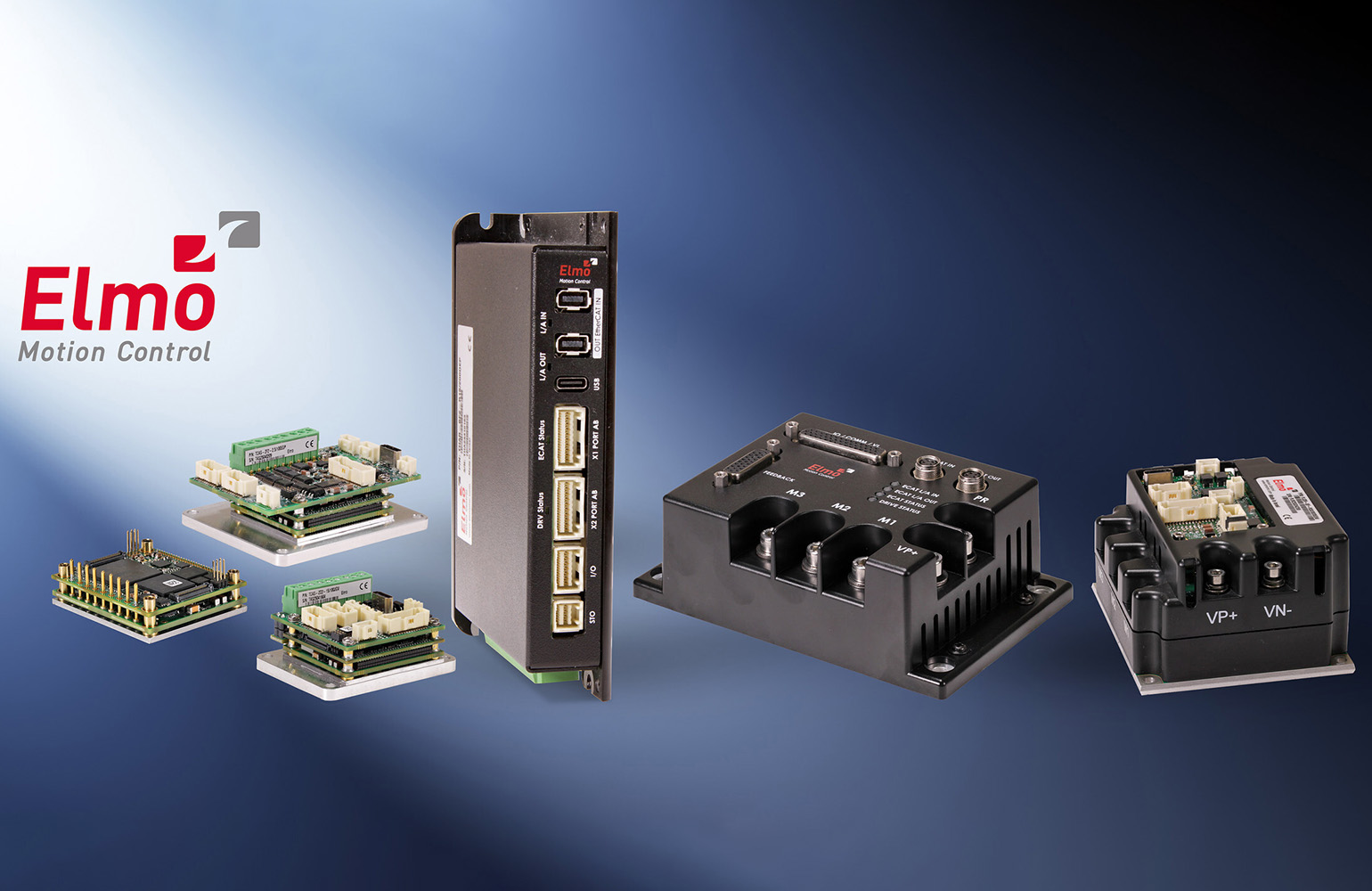
Elmo releases new motion controller and servo drives for industrial applications
Robotics Business Review·4d ago

Elmo releases new motion controller and servo drives for industrial applications

Elmo has released new motion controllers and servo drives designed to improve power density for industrial automation applications. The product launch expands their Platinum line and introduces a new Titanium line for construction and manufacturing operations.

RoboticsAutonomy
Fennec Engineering earns T2 qualification for Advanced Safety Acceleration Platform
Robotics Business Review·6d ago

Fennec Engineering earns T2 qualification for Advanced Safety Acceleration Platform

Fennec Engineering's automated traceability platform has achieved T2 qualification, meeting rigorous safety standards for construction operations. The certification validates the platform's ability to track and document safety-critical information on job sites.

SafetyAutonomy
Autonomique deploys semi-humanoid robots and AI at Canadian Tier 1
Robotics Business Review·6d ago

Autonomique deploys semi-humanoid robots and AI at Canadian Tier 1

Autonomique has moved its AI-powered semi-humanoid robots from pilot testing into full production at Canadian manufacturer F&P Mfg. The company plans to expand deployment across F-tech's global manufacturing network.

RoboticsAI & ML
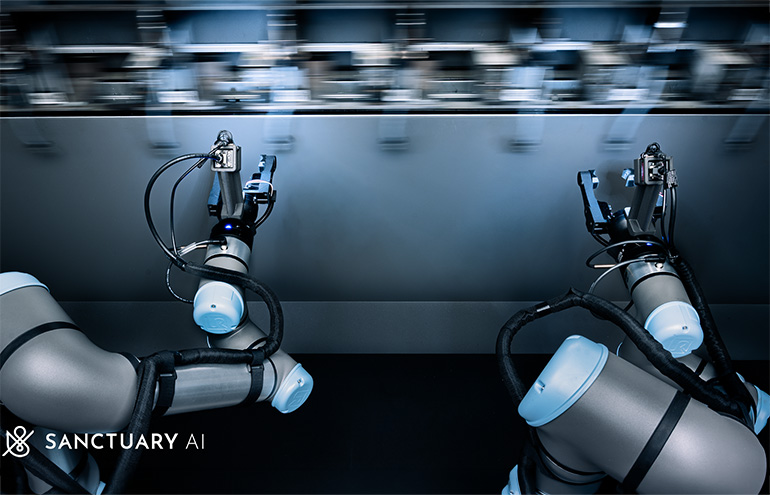
Sanctuary AI validates physical AI performance at Tier 1 automotive supplier
Robotics Business Review·6d ago

Sanctuary AI validates physical AI performance at Tier 1 automotive supplier

Sanctuary AI has demonstrated production-ready physical AI performance at a major automotive supplier, showing practical applications beyond theoretical humanoid development. The validation indicates that AI-driven robotics are moving toward real-world manufacturing deployment in industrial settings.

AI & MLRobotics
Pegasus Tech Ventures launches $60M fund for physical AI startups
Robotics Business Review·6d ago

Pegasus Tech Ventures launches $60M fund for physical AI startups

Pegasus Tech Ventures and CYBERDYNE are launching a $60M investment fund focused on physical AI startups in robotics, automation, healthcare, and intelligent systems. The fund targets companies developing technologies that could transform how construction and industrial work gets done.

AI & MLRobotics
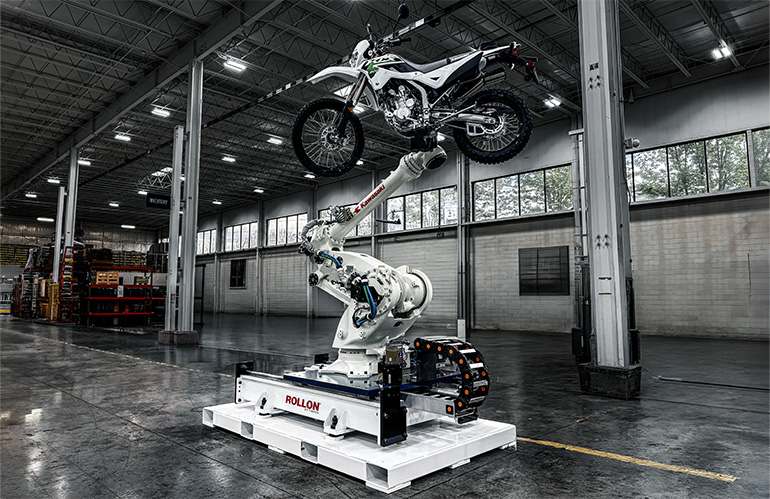
Kawasaki Robotics to debut RL030N physical AI platform at Automate
Robotics Business Review·Jun 16, 2026

Kawasaki Robotics to debut RL030N physical AI platform at Automate

Kawasaki Robotics will showcase its RL030N physical AI platform at Automate, featuring an 8-degree-of-freedom robot and Pulseboard inspection technology for intelligent automation. The platform demonstrates the company's vision for applying AI and robotics to automate complex industrial and construction tasks.

AI & MLRobotics
Genesis AI launches Eno general-purpose robot
Robotics Business Review·Jun 16, 2026

Genesis AI launches Eno general-purpose robot

Genesis AI has launched Eno, a general-purpose robot designed for commercial and residential use. The company plans to begin customer deployments by the end of 2026, with home deployments scheduled for later.

RoboticsAI & ML
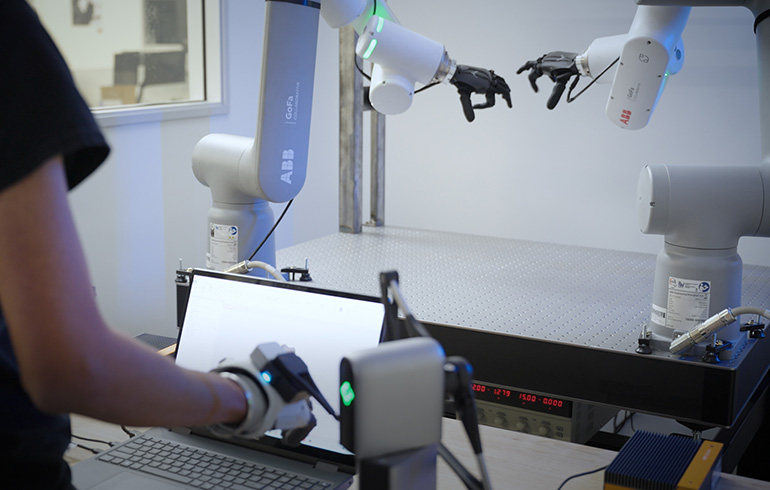
PSYONIC partners with ABB Robotics to apply human touch to robot dexterity
Robotics Business Review·Jun 16, 2026

PSYONIC partners with ABB Robotics to apply human touch to robot dexterity

PSYONIC is partnering with ABB Robotics to integrate its Ability Hand prosthetic technology with ABB's GoFa cobot arm, using real-world data from prosthetics users to improve robotic grasping precision. The collaboration aims to give robots more human-like dexterity for complex manipulation tasks on job sites.

RoboticsAutonomy
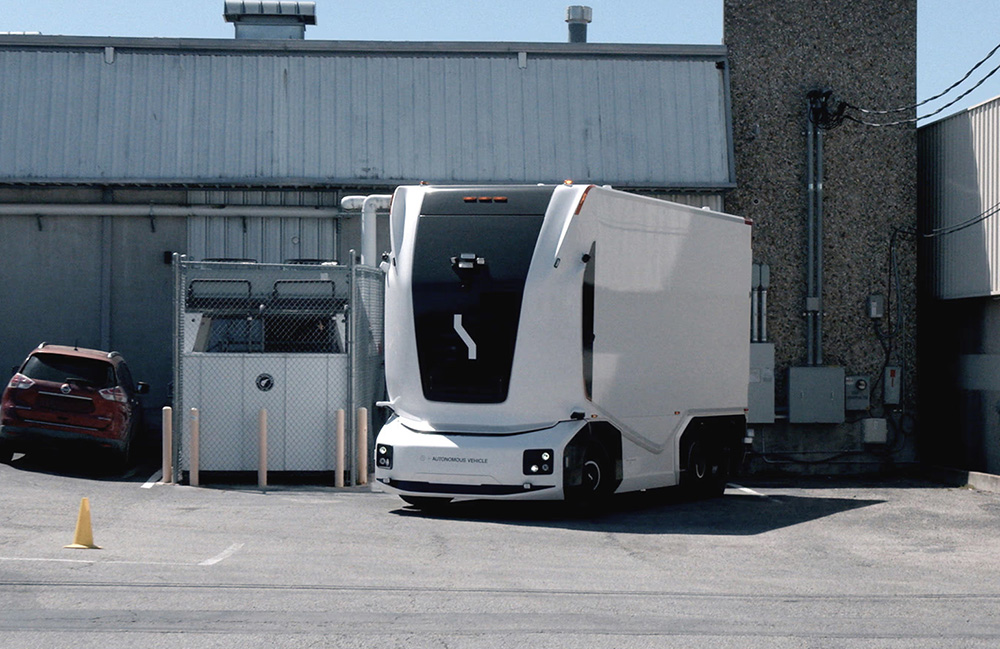
Autonomous freight developer Einride goes public via SPAC
Robotics Business Review·Jun 15, 2026

Autonomous freight developer Einride goes public via SPAC

Einride, a Stockholm-based developer of autonomous heavy-duty electric trucks, is going public through a SPAC merger and already serves major Fortune 500 companies across the U.S. and Europe. The move signals growing investment in autonomous freight technology and electrified vehicles for construction and logistics operations.

AutonomyElectrification
Burro introduces Grande 44 with proven outdoor autonomy built for heavy industry
Robotics Business Review·Jun 15, 2026

Burro introduces Grande 44 with proven outdoor autonomy built for heavy industry

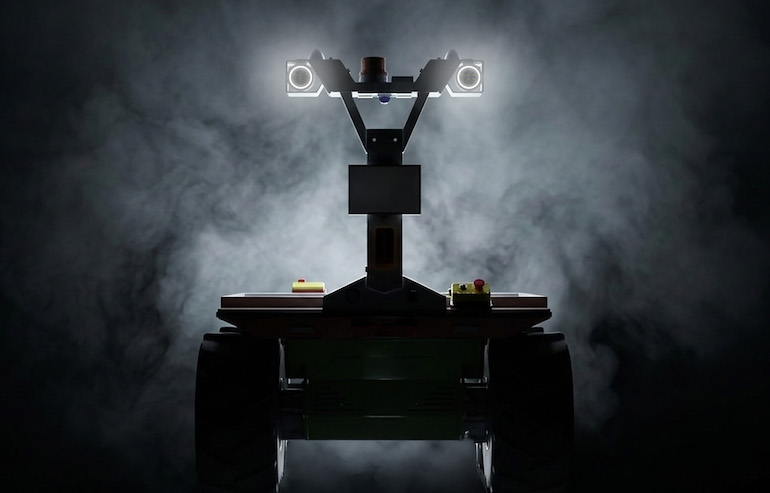
Burro's Grande 44 is a 44 horsepower autonomous vehicle designed for industrial towing, site logistics, and facilities operations on job sites. The machine draws from over 1 million hours of real-world field experience to deliver proven outdoor autonomy for heavy industry applications.

RoboticsAutonomy
AI in warehousing: Akash Gupta’s vision for the future
Robotics Business Review·Jun 12, 2026

AI in warehousing: Akash Gupta’s vision for the future

GreyOrange's AI-powered software automates warehouse operations by enabling predictive logistics and dynamic decision-making. The technology streamlines material handling and inventory management through intelligent automation systems.

AI & MLRobotics
Gatik to bring autonomous freight to PepsiCo’s North American supply chain
Robotics Business Review·Jun 12, 2026

Gatik to bring autonomous freight to PepsiCo’s North American supply chain

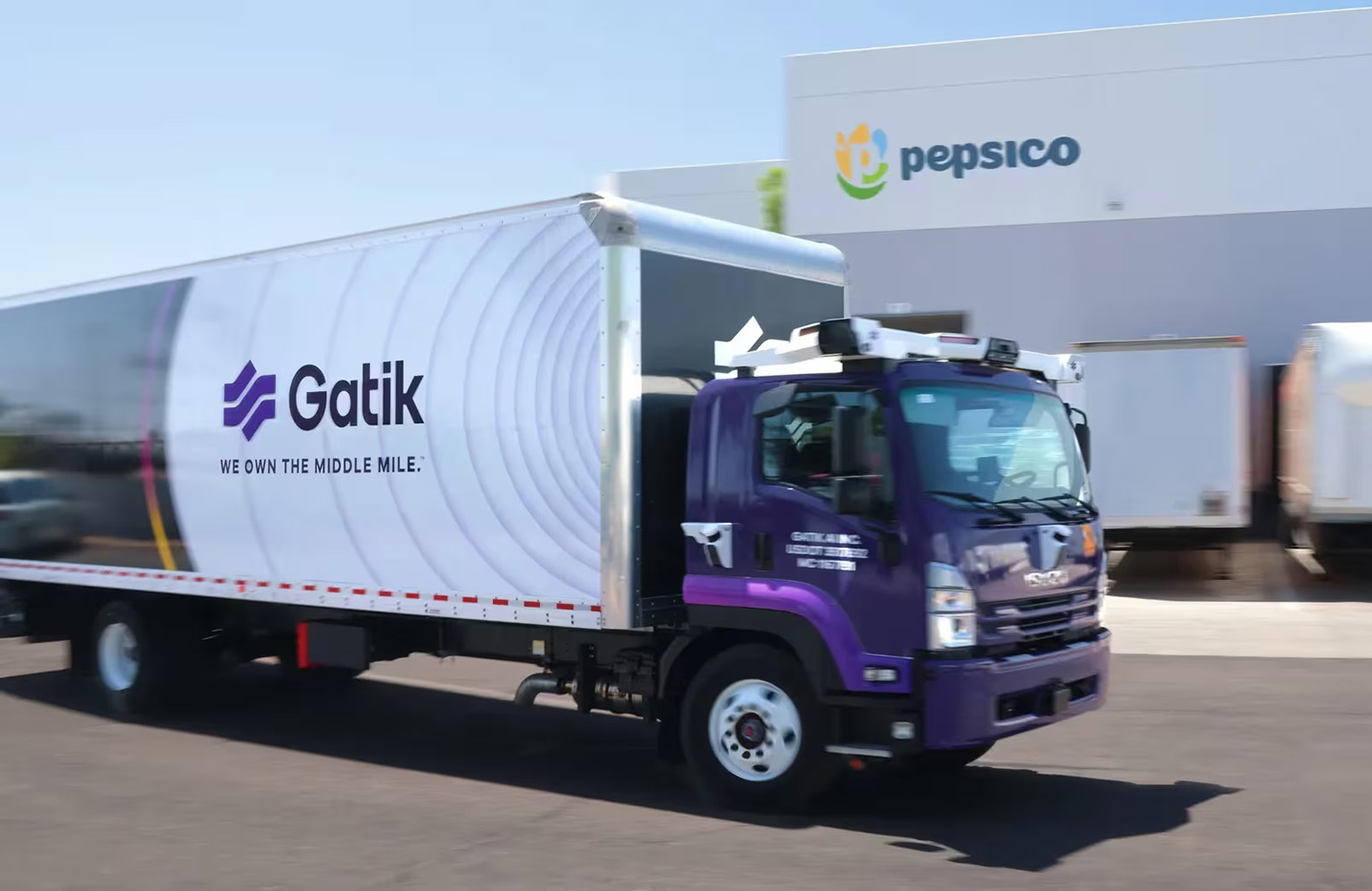
Gatik is partnering with PepsiCo to deploy autonomous freight vehicles across PepsiCo's North American regional transportation networks for daily product movement between sites. The deployment targets the supply chain logistics segment where autonomous vehicles can operate on established routes with predictable patterns.

AutonomyRobotics
Robotics will not have a clean Llama moment
Robotics Business Review·Jun 10, 2026

Robotics will not have a clean Llama moment

True progress in construction robotics won't come from simply downloading robot policies, but from the ability to adapt them across different machines and understand what went wrong when systems fail on job sites. The real milestone is when teams can deploy shared robot policies to their own equipment and maintain visibility into failures weeks later.

RoboticsAutonomy
Walmart, Wing add 7 markets in drone delivery expansion
Robotics Business Review·Jun 9, 2026

Walmart, Wing add 7 markets in drone delivery expansion

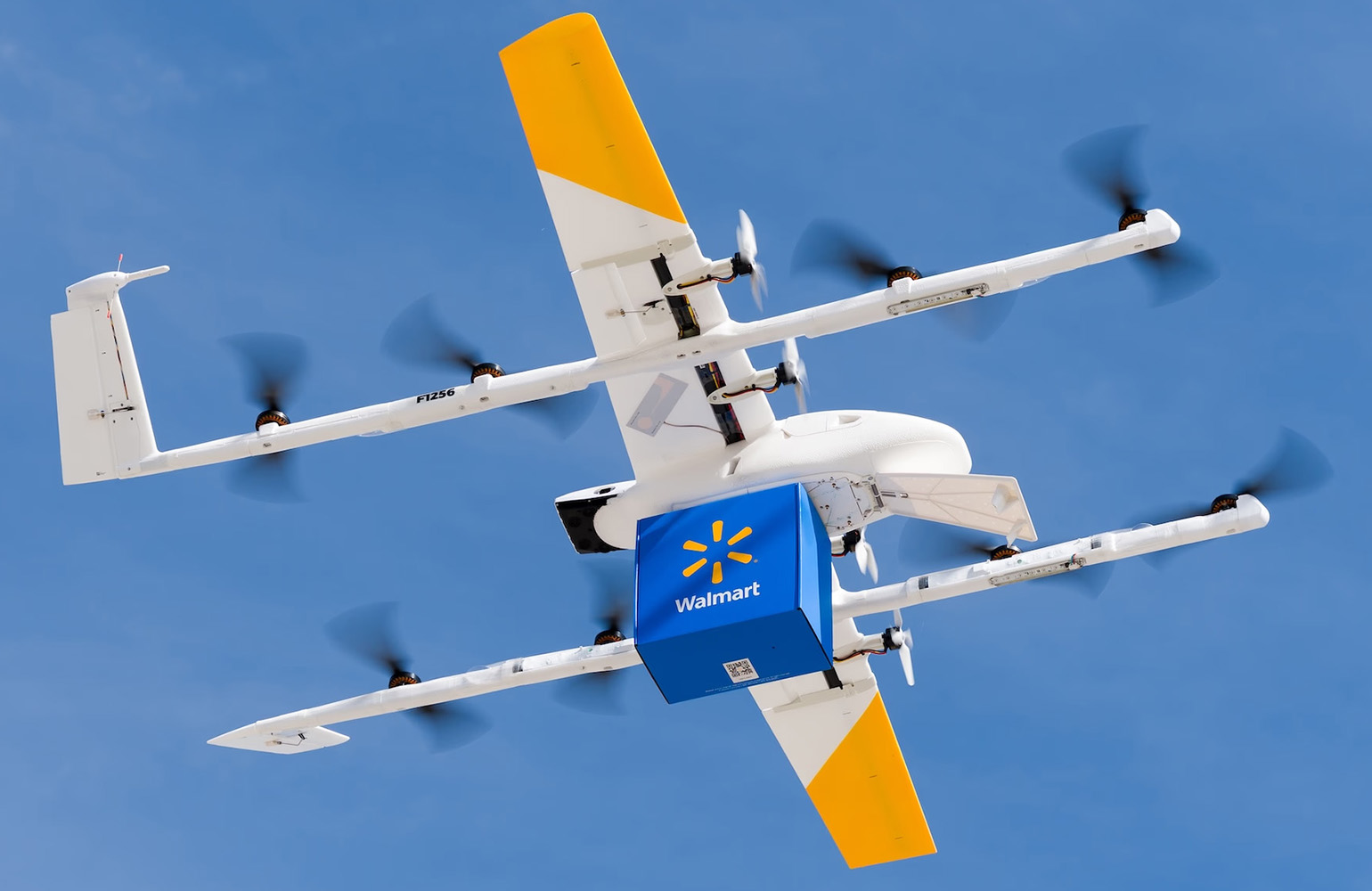
Walmart and Wing are expanding drone delivery service to seven new U.S. markets: Memphis, New Orleans, Philadelphia, Phoenix, San Diego, San Francisco, and Salt Lake City. This expansion marks continued progress in autonomous delivery technology adoption for retail logistics.

AutonomyRobotics