AllAI & MLRoboticsAutonomy3D PrintingElectrificationSafetyWorkforceMaterialsEDITOR'S PICKWEEKLY DISPATCH
Category

Autonomous Equipment

Drones, UAVs, autonomous vehicles, self-driving equipment, machine control, and site automation.

354 stories found

The autonomy transition in construction is now entering a hardware consolidation and software standardization phase that makes deployment operationally simpler and economically viable at scale. Trimble's MP1087 exemplifies this shift—integrating positioning receiver and antenna into a single compact unit reduces cab complexity and installation friction, removing barriers that once required specialized technicians to deploy machine control systems. Simultaneously, generative AI models for robotics are maturing beyond domain-specific training: Runway's open-source Praxis-1, alongside emerging frameworks from UC Berkeley and NVIDIA's GR00T 2 and Isaac Lab 3.0, enable robots to understand and execute construction tasks without task-specific programming datasets. Rhoda AI's video action model and Memories.ai's standardized egocentric pipeline represent the emerging infrastructure layer—companies are building the data collection and annotation systems that allow physical AI to generalize across equipment types and jobsite conditions. These developments collectively signal that the constraint blocking autonomous adoption has shifted from "can robots do construction work?" to "how do we integrate this into our existing fleet and workflow?"

Task-specific automation solutions are proving the value proposition in real-world operations. The Xpanner X1 Piling R6 drives solar foundation piles with single-button operation, allowing one operator to complete work that previously required multiple crew members. This isn't humanoid robotics or fleet coordination at scale—it's direct labor replacement on a singular, repetitive task, and it's deployable today. These focused solutions complement broader autonomy strategies and demonstrate why mid-market contractors are moving from skepticism to evaluation: the ROI is demonstrable on specific tasks before organizations must navigate full fleet integration. Intel and Altera's collaboration to simplify sensor integration for physical AI removes another operational bottleneck, addressing the reality that jobsite robots require real-time sensor fusion across diverse equipment to navigate dynamic environments safely and reliably.

The market reality is now unambiguous: autonomous systems are no longer experimental pilots restricted to tier-one contractors with dedicated innovation budgets. Public market validation through Agility Robotics' Nasdaq transition, accessible retrofit kits like Bluelight's sub-$50,000 autonomy packages, and standardized interoperability frameworks like ISO 21423:2026 have created a supply chain where autonomy is becoming a commodity input rather than a venture-backed moonshot. Construction executives who have delayed autonomy evaluation are now facing organizational catch-up: competitors deploying task-specific autonomous equipment are reducing labor-intensive workflows while improving safety margins, and the gap in operational efficiency compounds each quarter. The question is no longer whether to adopt autonomy, but which tasks to prioritize, what level of fleet integration your organization's network architecture can support, and how workforce transition strategies align with equipment deployment timelines. That operational reality defines construction strategy in 2026.

WEEKLY DISPATCH
How Rhoda AI is using video data to create generalized AI models for robots
Robotics Business Review·Nov 13, 2026

How Rhoda AI is using video data to create generalized AI models for robots

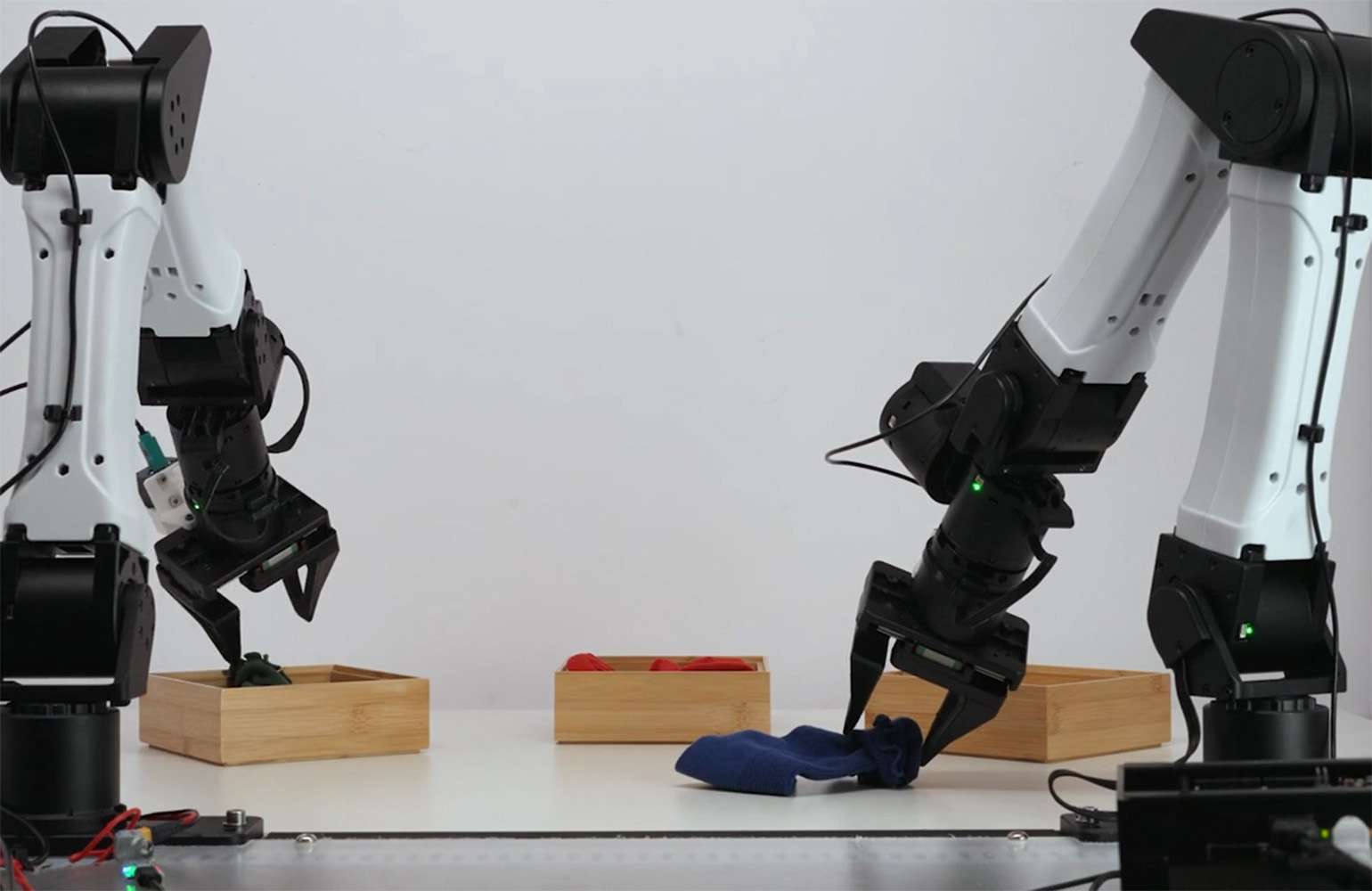
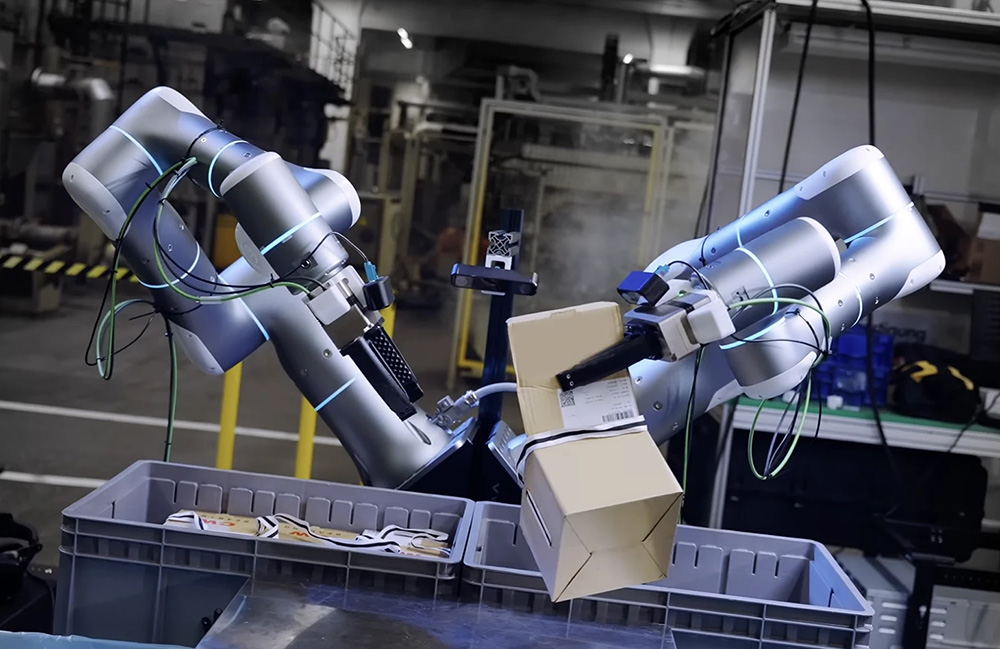
Rhoda AI has developed a video action model that helps robots understand and interact with the physical world by learning from video data. The company's mobile DVA extension enables these AI models to generalize across different robotic systems and construction environments.

AI & MLRobotics
Don’t Flush Your Profits Away – Auto Takeoff for Plumbing
ConstructConnect·Nov 11, 2026

Don’t Flush Your Profits Away – Auto Takeoff for Plumbing

Auto Takeoff software helps plumbing contractors automatically generate accurate material takeoffs and estimates from project plans, reducing manual calculation errors and saving time on the bidding process. The tool streamlines workflow efficiency by eliminating tedious manual measurement work that often leads to profit loss due to underbidding or missed items.

Autonomy
Narwal builds robot vacuums to serve regional needs
Robotics Business Review·Nov 13, 2026

Narwal builds robot vacuums to serve regional needs

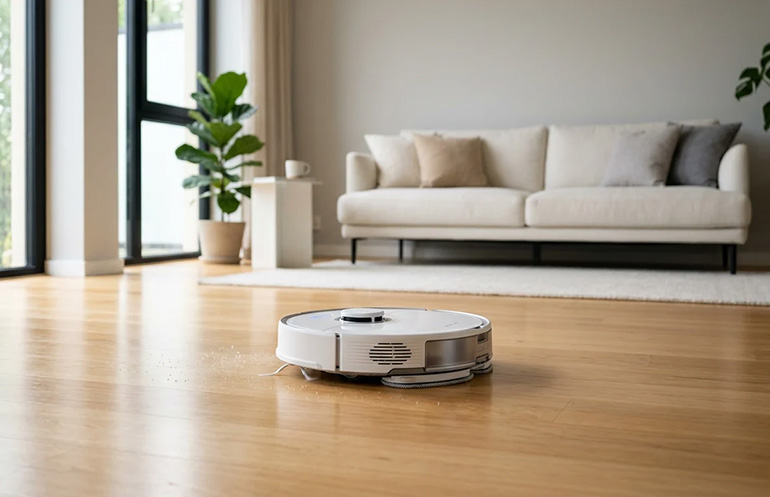
Narwal has developed robot vacuums through a decade of research tailored to meet specific regional market needs and preferences. The company's approach demonstrates how robotics manufacturers are customizing autonomous cleaning solutions rather than applying one-size-fits-all designs globally.

RoboticsAutonomy
Equipment World·Nov 6, 2026

HCSS, Verizon Connect Team Up on Telematics for Mixed-Fleet Management

HCSS and Verizon Connect have partnered to integrate telematics data across mixed equipment fleets, eliminating manual data entry for hours, mileage, and maintenance tracking. The unified platform centralizes fleet management information, streamlining operations for construction companies managing diverse equipment types.

Autonomy
Runway’s Praxis-1 world action model for robotics is now available
Robotics Business Review·Nov 12, 2026

Runway’s Praxis-1 world action model for robotics is now available

Runway has released Praxis-1, an artificial intelligence model designed to control robotic systems, with open-source weights available for developers. The model is being adopted by robotics companies including Noble Machines, Standard Bots, and Ultra for construction and industrial applications.

AI & MLRobotics
Trimble Announces Winners of 2026 Construction Innovation Awards
Trimble Constructible·Nov 4, 2026

Trimble Announces Winners of 2026 Construction Innovation Awards

Trimble has announced the winners of its 2026 Construction Innovation Awards, recognizing companies and solutions advancing the construction industry. The awards highlight innovations across technology categories that are shaping how construction projects are planned, managed, and executed.

AI & MLAutonomy
Serve Robotics opens robot delivery network for others to build on
Robotics Business Review·Nov 11, 2026

Serve Robotics opens robot delivery network for others to build on

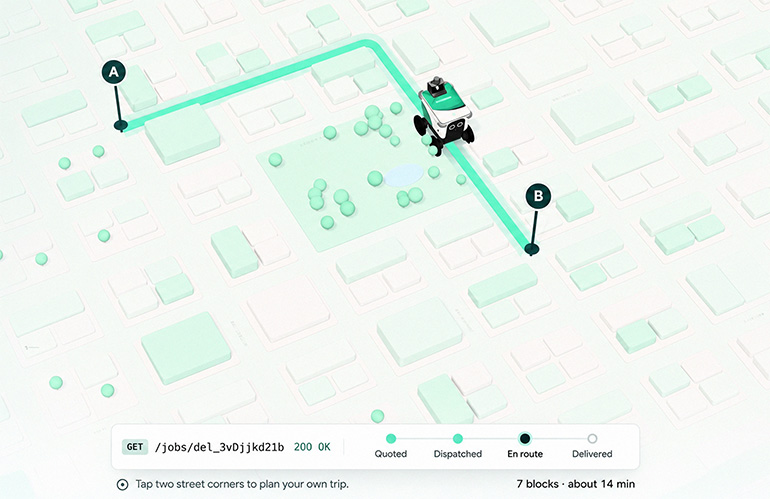
Serve Robotics is opening its delivery API to allow third-party developers to build new services using its fleet of over 2,000 robots. The move transforms the company's robot network into a platform that others can integrate into their own delivery operations.

RoboticsAutonomy
Equipment World·Nov 4, 2026

Bluelight Brings Autonomy to Asphalt Rollers With New Kit Under $50K

Bluelight has developed an autonomy kit priced under $50,000 that automates compaction work on Cat pneumatic-tire rollers by following preset rolling patterns. The Autopilot system is initially compatible with Cat's CW16 and CW34 models, offering contractors a way to reduce manual operation on repetitive asphalt compaction tasks.

AutonomyRobotics
Memories.ai builds standardized egocentric video pipeline
Robotics Business Review·Nov 11, 2026

Memories.ai builds standardized egocentric video pipeline

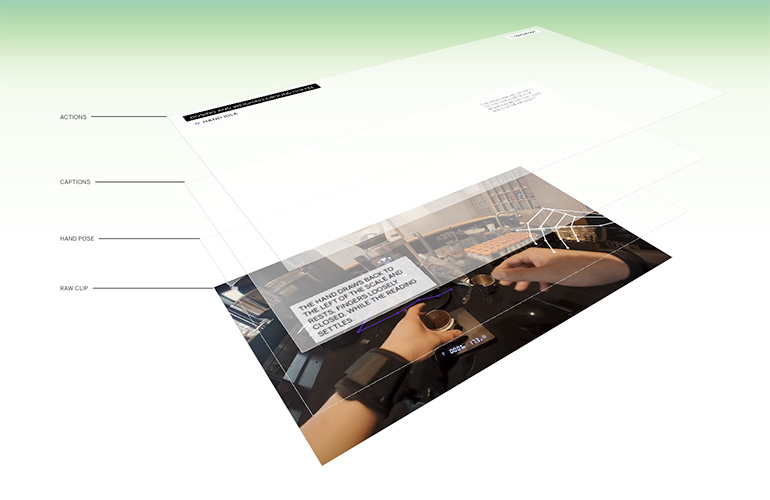
Memories.ai has developed a standardized system for collecting egocentric video footage and using AI to annotate it, creating training data infrastructure specifically designed for robotics applications. This technology aims to accelerate the development of robotic systems that can be trained on real-world construction and industrial tasks.

AI & MLRobotics
Can AI agents program industrial robots without training data? Berkeley says yes
Robotics Business Review·Nov 11, 2026

Can AI agents program industrial robots without training data? Berkeley says yes

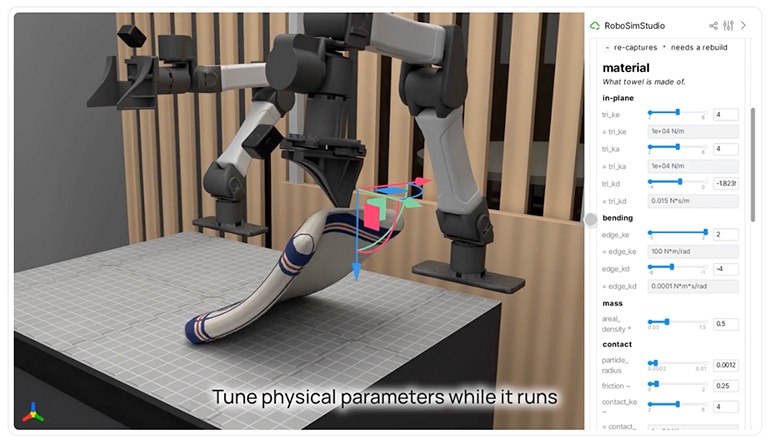
UC Berkeley and NVIDIA have developed open-source tools that enable AI agents to automatically write and refine programs for industrial robots without requiring pre-existing training data. The AI coding agents can write, simulate, and test robot programs, potentially streamlining how construction teams deploy and adapt robotic equipment on job sites.

AI & MLRobotics
Intel and Altera expand collaboration to simplify sensor integration for physical AI
Robotics Business Review·Nov 10, 2026

Intel and Altera expand collaboration to simplify sensor integration for physical AI

Intel and Altera are collaborating to make sensor integration easier for construction robotics and real-time data processing. This partnership aims to streamline how diverse sensors connect and communicate to power next-generation robotic equipment on job sites.

RoboticsAI & ML
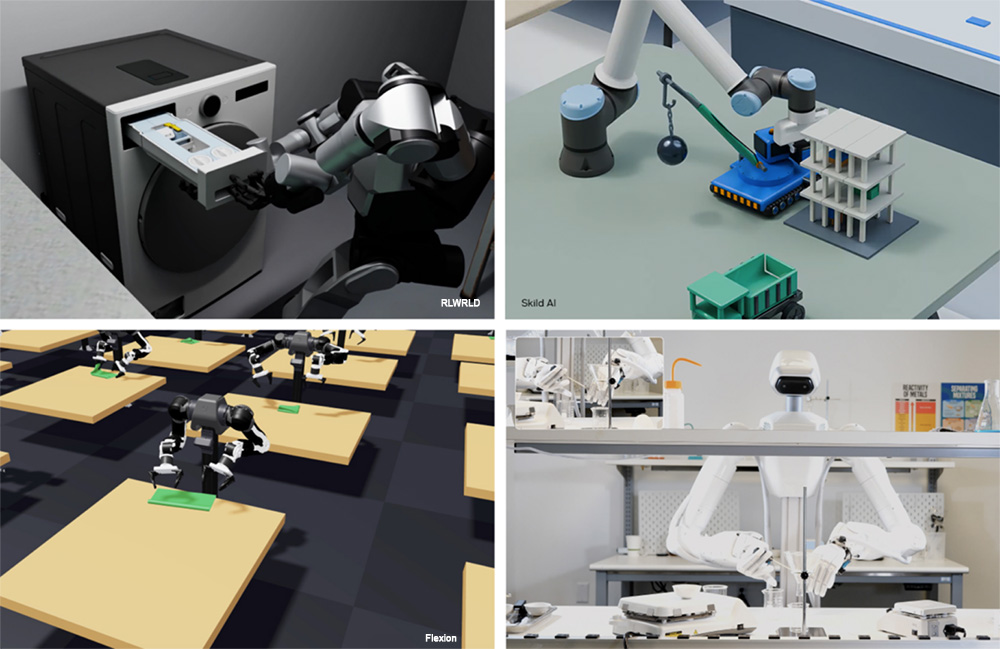
NVIDIA launches GR00T 2 and Isaac Lab 3.0 at CoRL
Robotics Business Review·Nov 9, 2026

NVIDIA launches GR00T 2 and Isaac Lab 3.0 at CoRL

NVIDIA released GR00T 2 and Isaac Lab 3.0, software platforms designed to advance robotics capabilities in industrial applications. The company demonstrated how construction and logistics partners like Ambi Robotics and Skild AI are implementing these technologies to automate field operations.

AI & MLRobotics
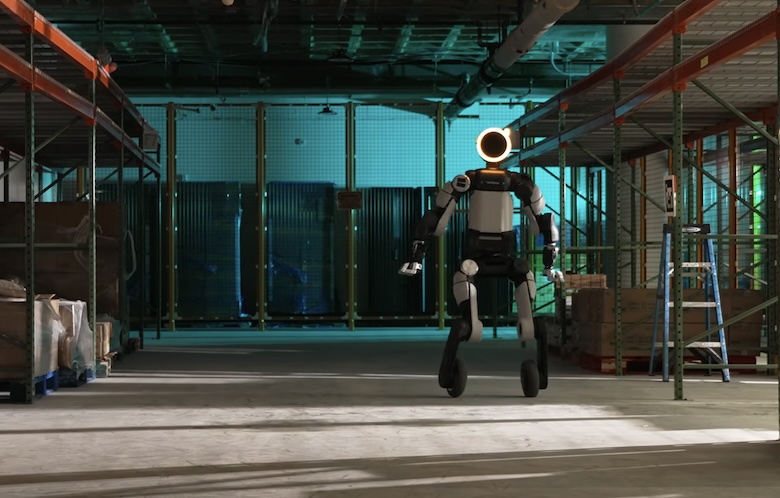
Boston Dynamics adds wheels to Atlas humanoid to test whole-body control
Robotics Business Review·Nov 9, 2026

Boston Dynamics adds wheels to Atlas humanoid to test whole-body control

Boston Dynamics equipped its Atlas humanoid robot with wheels and developed a control system combining traditional motor control with machine learning to enable dynamic movement. The upgrade tests whether whole-body coordination can improve Atlas's mobility and versatility on job sites.

RoboticsAI & ML
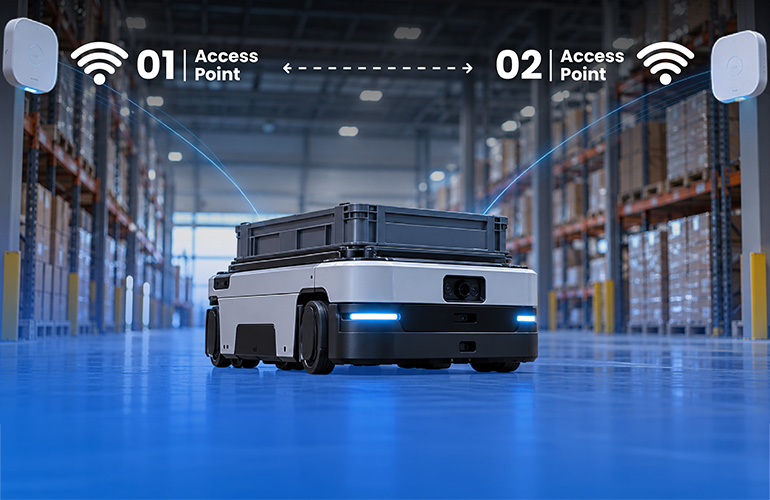
How to minimize Wi-Fi roaming interruptions for autonomous mobile robots
Robotics Business Review·Nov 9, 2026

How to minimize Wi-Fi roaming interruptions for autonomous mobile robots

Dedicated Wi-Fi scan architectures can significantly improve how autonomous mobile robots maintain connectivity and performance on job sites. Better roaming between network access points reduces interruptions that could compromise robot reliability and productivity.

RoboticsAutonomy
WEEKLY DISPATCH
How Point One turned GPS accuracy into a robotics platform
Robotics Business Review·Nov 6, 2026

How Point One turned GPS accuracy into a robotics platform

Point One has developed a robotics platform that leverages precise GPS technology to enable robots to navigate and coordinate effectively across construction and real-world environments. This advancement allows multiple robots to scale their operations with accurate positioning, improving their ability to work together on job sites.

RoboticsAutonomy
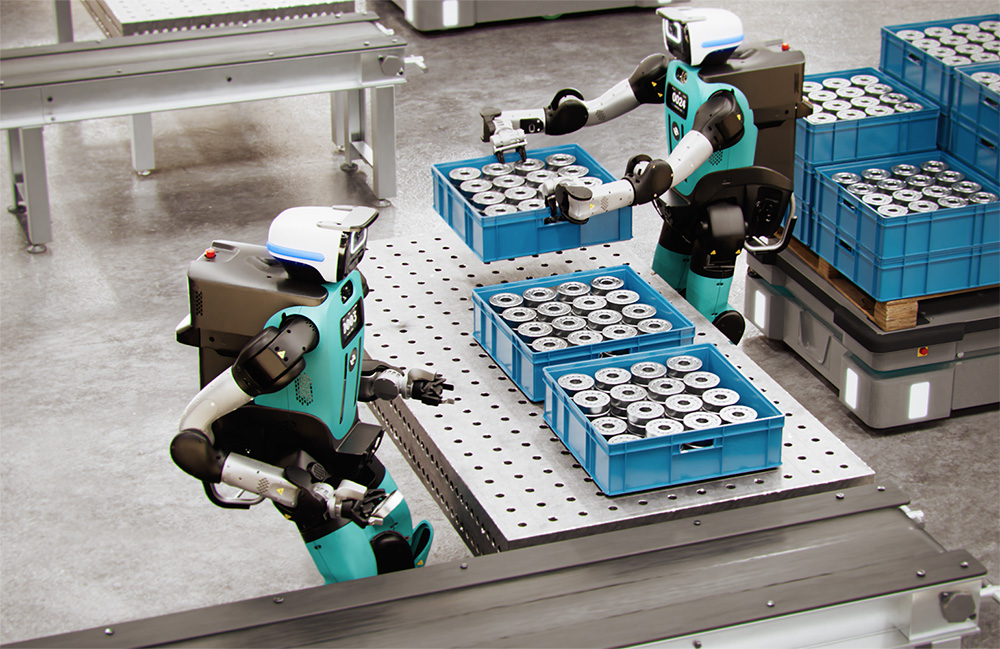
Agility Robotics begins trading on Nasdaq
Robotics Business Review·Nov 5, 2026

Agility Robotics begins trading on Nasdaq

Agility Robotics, a developer of legged humanoid robots, has become the first U.S.-based company in its category to go public on Nasdaq. The milestone reflects growing investment in robotics technology for potential construction and industrial applications.

RoboticsAutonomy
Robotics Startup Radar 2026
Robotics Business Review·Nov 4, 2026

Robotics Startup Radar 2026

The 2026 Startup Radar highlights emerging robotics companies creating new hardware, software, and business models for commercial construction applications. These innovations are shaping the next generation of tools available to builders and contractors.

RoboticsAutonomy
LiberAI Unveils Liber-0, a World Action Model That Grounds Human Experience in Robot Action
Robotics Business Review·Nov 4, 2026

LiberAI Unveils Liber-0, a World Action Model That Grounds Human Experience in Robot Action

LiberAI has developed Liber-0, an AI model trained on 2.2 million hours of human movement data to enable robots to perform construction tasks without specific programming for each job. This technology could allow construction robots to learn and execute complex manipulation work more flexibly on job sites.

AI & MLRobotics