AGC Collective Bargaining Training Registration Now Open
AGC is opening registration for collective bargaining training sessions. The program prepares construction professionals to navigate labor negotiations and union discussions.

AGC is opening registration for collective bargaining training sessions. The program prepares construction professionals to navigate labor negotiations and union discussions.

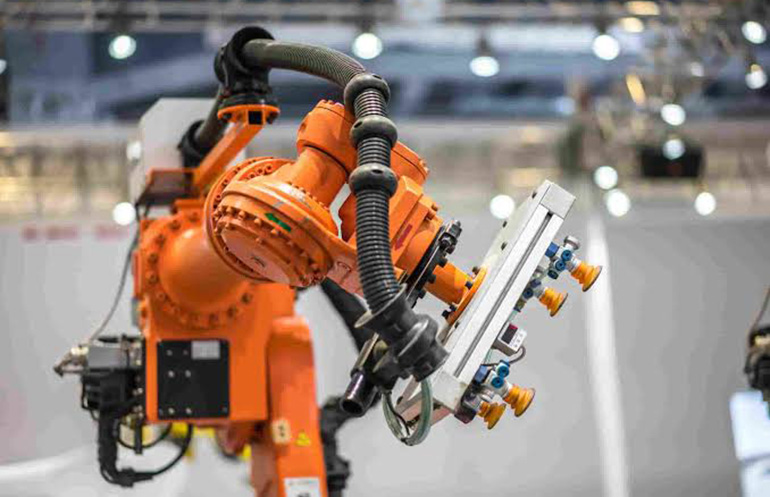
Güdel is launching TMV and TMF grinding systems that add vertical and horizontal motion capabilities to heavy-duty robotic grinding, moving beyond traditional stationary robot applications. The company will demonstrate these advanced grinding systems at Automate 2026.

AGC has been recognized as a 2026 Washington DC Top Workplace, reflecting the company's commitment to employee satisfaction and workplace culture. The recognition highlights AGC's standing as an employer of choice within the construction industry.

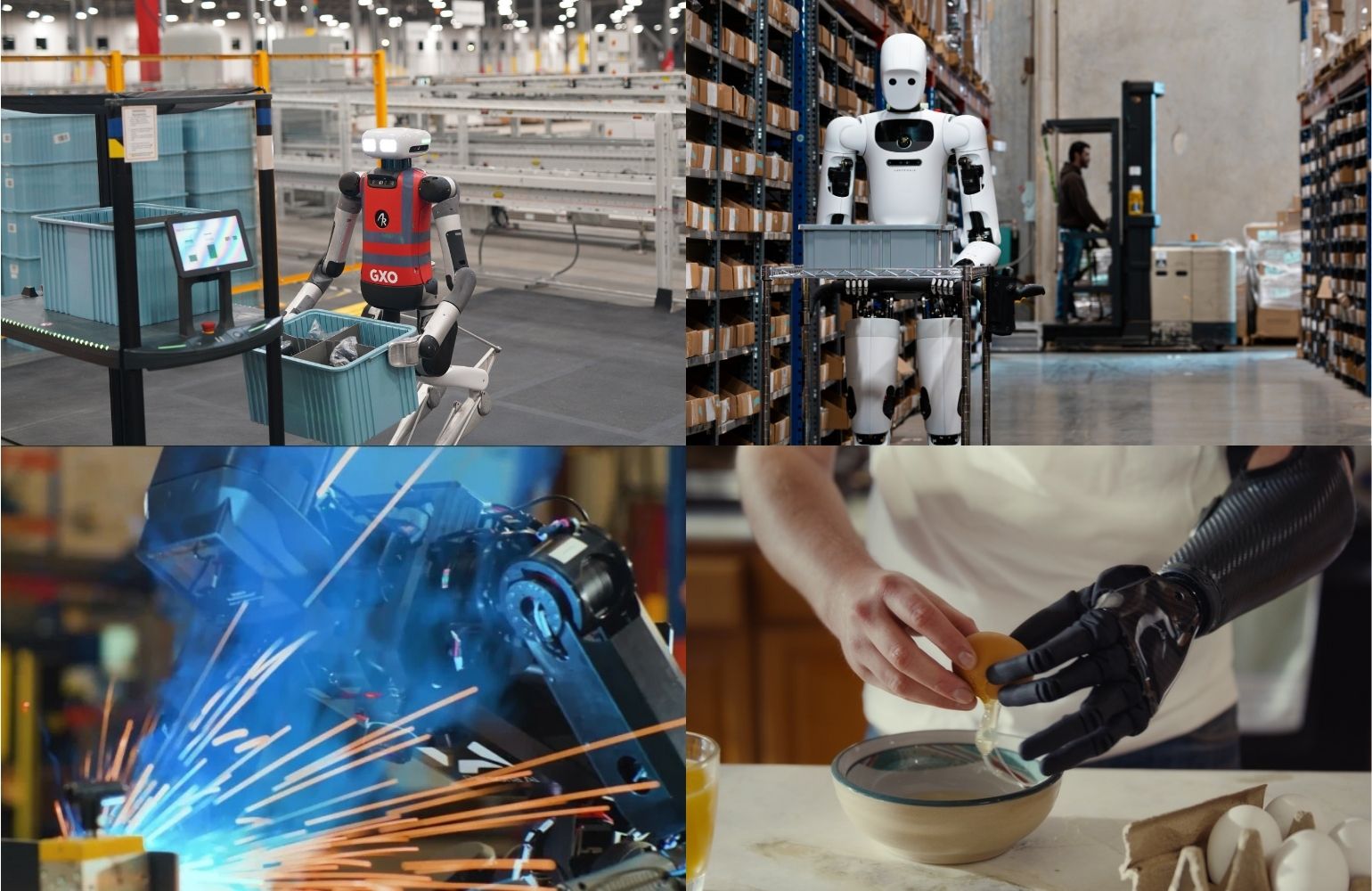
The Navy's industrial base review projects a need for 174,000 new workers in defense manufacturing, creating a significant workforce gap. GrayMatter Robotics argues that autonomous finishing systems and robotics can help fill this labor shortage and maintain manufacturing readiness.

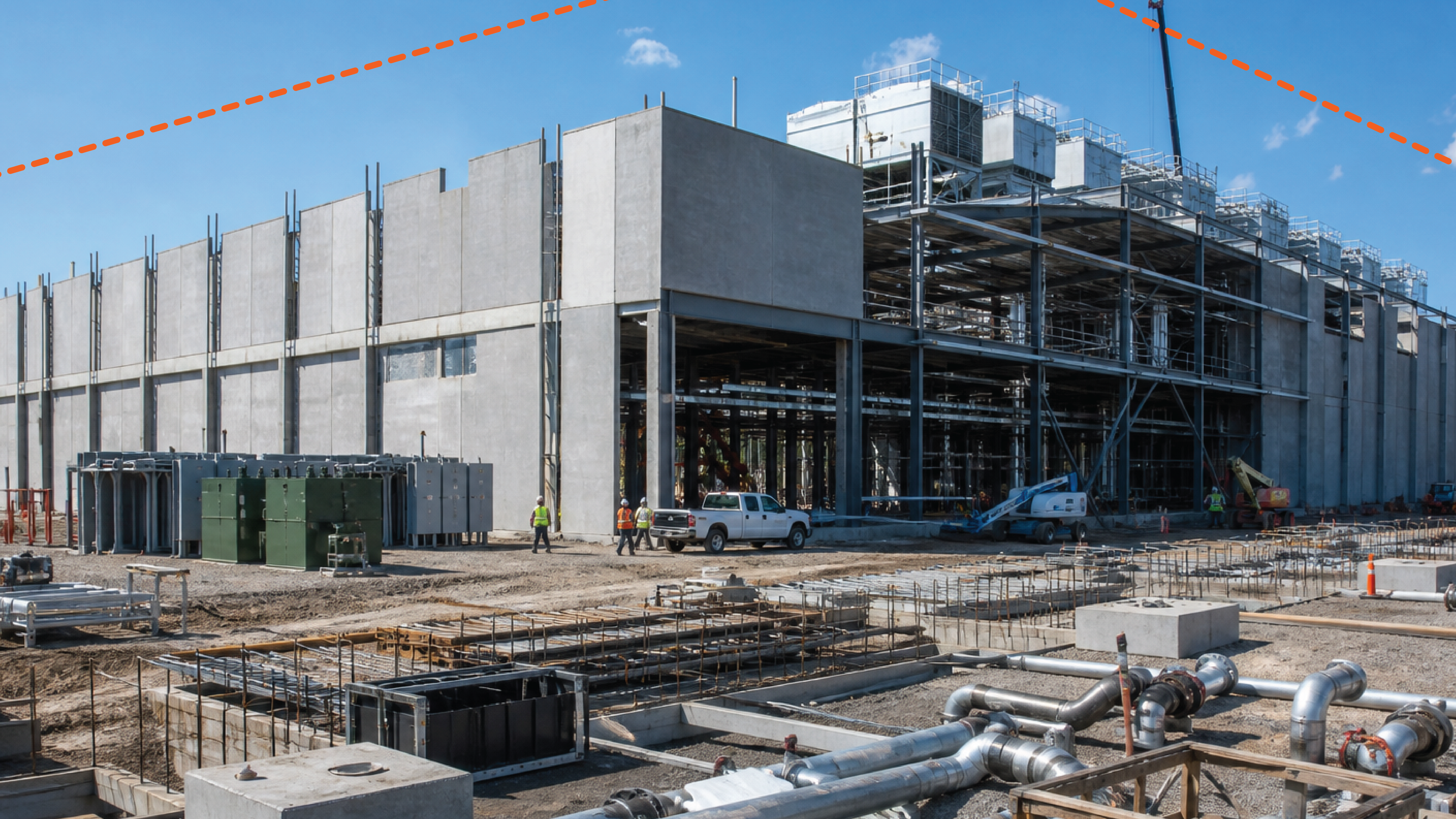
Data center construction projects are fueling strong growth across the building sector in the first half of 2026, with robust demand continuing to support steady activity. Contractors are maintaining resilience and capitalizing on the sustained workload from this high-value market segment.

Australia's Strategic Policy Institute released a policy report arguing that national industrial resilience depends on adopting 3D printing technology to secure domestic manufacturing capacity. The report, authored by a metal 3D printing company executive, frames localized production as a critical engineering solution rather than a political goal.

DFI's Educational Trust is providing scholarships and grants to support early-career professionals entering the deep foundations field. The initiative aims to build a stronger pipeline of qualified talent for the construction industry.

Portuguese firm Havelar used a COBOD BOD2 3D printer to construct a 500 m² recycling center office in nine working days with a four-person crew for the Matosinhos municipality. The project was completed on budget, demonstrating the efficiency and cost-control potential of 3D printing technology for commercial building construction.

The U.S. robotics industry experienced double-digit growth in 2025, driven primarily by adoption in the food industry and other non-manufacturing sectors. This expansion signals growing demand for robotic solutions beyond traditional manufacturing applications.

ABC has announced the 2026 Construction Workforce Awards recipients, recognizing excellence among construction professionals and organizations. The awards highlight outstanding contributions and achievements within the construction industry's workforce.

Elmo has released new motion controllers and servo drives designed to improve power density for industrial automation applications. The product launch expands their Platinum line and introduces a new Titanium line for construction and manufacturing operations.

The AI in AEC conference series, dedicated to artificial intelligence in the built environment, is scheduled to return in March 2027. The event brings together construction and design professionals to explore AI applications across architecture, engineering, and construction sectors.

Virnetta Woodbury, a project manager at Brasfield & Gorrie, has authored a children's career workbook that goes beyond her regular job responsibilities. Her work highlights efforts to introduce young people to construction career opportunities.

Procore is launching new platform capabilities designed specifically for large construction owners to better manage their operations. The updates aim to give owners more control and visibility across their projects.

Critical infrastructure data is being lost after project handover, resulting in billions of dollars in waste and creating serious operational blind spots. The construction industry lacks systematic processes to track, preserve, and share building data throughout its lifecycle, exposing a fundamental gap in how the built environment manages its own history.

AI-powered preconstruction tools enable contractors to prepare bids more quickly during peak building season by automating analysis and planning tasks. These tools help firms compete more effectively by reducing the time needed to evaluate projects and submit competitive proposals.

The proposed Federal Labor Contracts Arbitration (FLCA) legislation would require federally appointed arbitrators to impose binding labor contracts on private-sector employers and unions if they cannot reach agreement within compressed negotiation timelines. This mechanism would shift contract-setting power away from direct negotiation between parties to third-party arbitration.
Open source software in architecture, engineering, and construction can thrive alongside AI rather than be replaced by it, according to the OpenAEC Foundation founder. AI tools will enhance open source AEC platforms by improving their capabilities and making them more competitive in the market.

Tech companies expanding AI capacity nationwide are driving increased construction demand for data centers, particularly in power generation, utilities, and site preparation work. Contractors are pursuing these opportunities as a major growth sector within the construction industry.

AI adoption is spreading rapidly across construction, but regulatory oversight and accountability measures haven't kept pace with the technology's deployment. Companies need to address this accountability gap to ensure responsible use of AI systems on jobsites and in business operations.

A construction industry professional reflects on the freedoms and opportunities available in the United States after spending years working internationally. The piece emphasizes the importance of appreciating and not taking for granted the values that make the country exceptional.

Construction workers are willing to adopt AI on jobsites, but a lack of hands-on training is creating a significant gap that could leave the industry behind as adoption picks up. DEWALT's research highlights the urgent need for practical training programs to help the workforce effectively use AI tools.

Jobsite break-ins and theft are increasing according to TrueLook's 2026 State of Construction Site Security Report. Construction companies need to reassess their on-site security measures to protect equipment and materials.

Frampton Construction delivered Le Creuset's new South Carolina distribution campus in 12 months despite challenging site conditions and a tight timeline. The project succeeded through coordinated planning, creative problem-solving, and strong collaboration between the contractor and client.