Penn State’s 3D Printed CaroFlex Device Opens a New Front in Drug-Resistant Hypertension
3D Printing Industry
AI SUMMARY
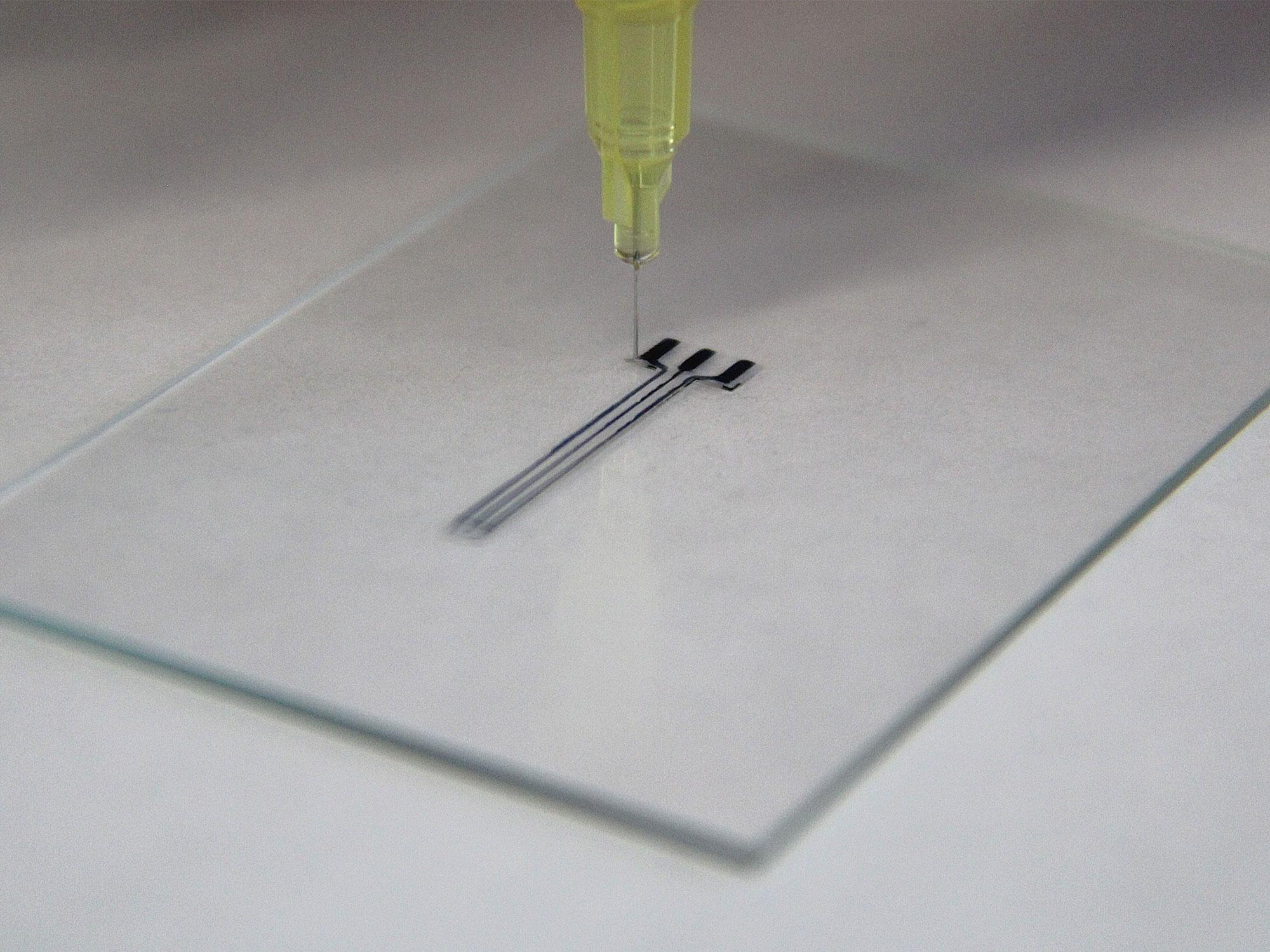
Penn State University researchers have developed a 3D printed bioelectronic device called CaroFlex to treat drug-resistant hypertension, a condition affecting roughly 10% of the 50 million Americans with high blood pressure. The soft, implantable device represents an advancement in additive manufacturing technology applied to medical applications.
FROM THE ARTICLE
Nearly half of all adults in the United States live with hypertension, and for roughly one in ten of them, conventional drug treatments simply don’t work. A research team at Pennsylvania State University (PSU) has developed a potential answer: a soft, 3D printed bioelectronic device that…
This story was originally published by 3D Printing Industry.
Read Full Story on 3D Printing IndustryRelated Stories
3D Printing & Prefab$500m Jiuquan aerospace project plans 100 3D printers and 6,300 tonnes of annual metal powder capacity3D Printing Industry3D Printing & PrefabThree AMTG construction 3D printers produce walls for Mella shopping center3D Printing Industry3D Printing & Prefab3D-printing giant Icon raises $200MConstruction Dive3D Printing & PrefabICON Raises $200M to Manufacture Titan 3D Printers for Builders3D Printing Industry