Aalto University and Stanford Test a New Architecture for 6G Surfaces
3D Printing Industry
AI SUMMARY
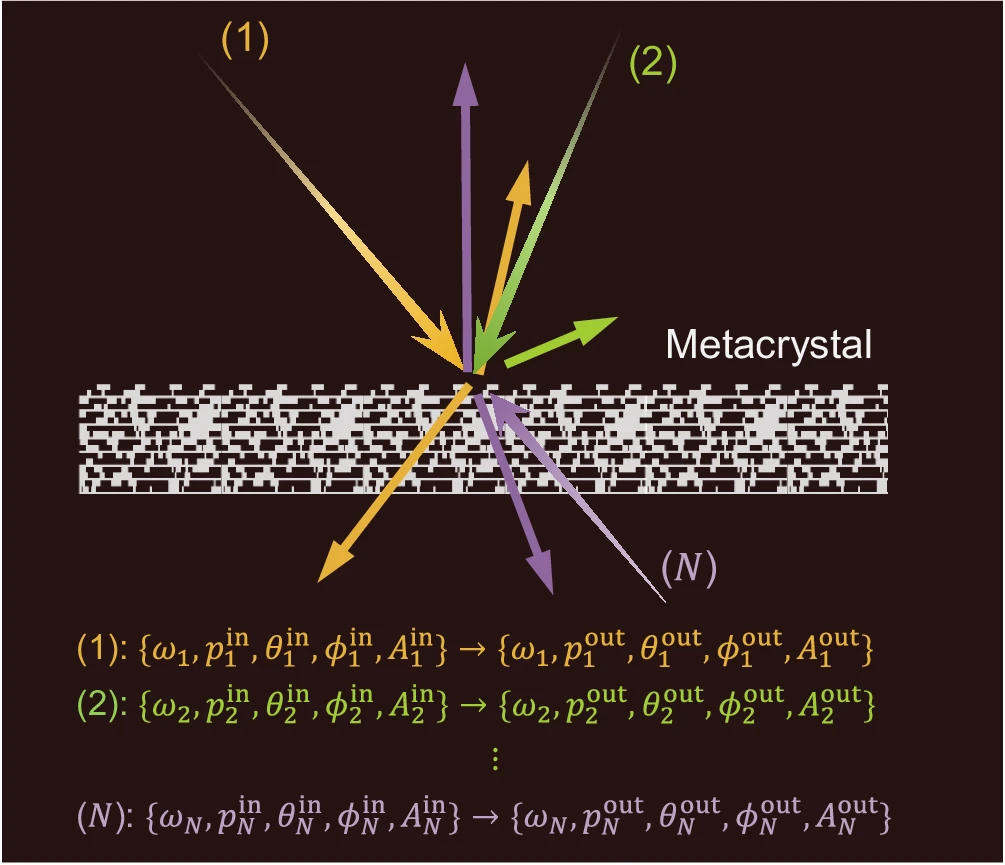
Stanford and Aalto University researchers developed a 3D printed panel that manages six wireless signals simultaneously across different frequencies, angles, and polarizations without requiring any active electrical components. This passive technology strengthens signal strength and channel capacity, offering potential benefits for construction site connectivity and future 6G infrastructure.
FROM THE ARTICLE
Researchers at Stanford University and Aalto University have built and tested a 3D printed panel that simultaneously handles six wireless signals across different frequencies, angles, and polarizations, boosting signal strength and channel capacity, with no active components of any kind. The…
This story was originally published by 3D Printing Industry.
Read Full Story on 3D Printing IndustryRelated Stories
3D Printing & Prefab$500m Jiuquan aerospace project plans 100 3D printers and 6,300 tonnes of annual metal powder capacity3D Printing IndustryMaterials & SustainabilityLumber Holds Steady, Plywood ClimbsConstruction ExecutiveMaterials & SustainabilityIran conflict pushes construction prices to near 4-year highConstruction DiveMaterials & SustainabilityBuilding for the Next Century: Ballard Locks Gate ReplacementAGC of America News