AllAI & MLRoboticsAutonomy3D PrintingElectrificationSafetyWorkforceMaterialsEDITOR'S PICKWEEKLY DISPATCH
Category

Drones & Robotics

Construction robots, exoskeletons, robotic fabrication, bricklaying robots, and automated machinery on jobsites.

739 stories found

The construction robotics industry is crystallizing around a critical inflection point: the transition from isolated task automation to integrated fleet intelligence. Rockwell Automation's acquisition of AGILOX represents the consolidation of mobile robotics capabilities within enterprise automation platforms, signaling that the competitive advantage now accrues to organizations that can coordinate multiple robot types across jobsites through unified software ecosystems. Meanwhile, the manufacturing data gap identified across the industry—the shortage of standardized, high-quality operational datasets—has become the primary constraint limiting deployment velocity. Humyn Labs' $47 million funding round to collect real-world robotics data, combined with Siemens and AGIBOT's demonstration of AI agents that design components directly from text prompts, illustrates how the industry is systematically eliminating the customization bottlenecks that previously confined robots to repetitive, narrowly-defined tasks. Boston Dynamics' Atlas humanoid entering semiconductor manufacturing trials in early 2027 confirms that general-purpose robotics platforms are approaching the capability threshold where they can operate in unfamiliar environments—a development that directly applies to construction's inherent variability.

The practical implication for construction executives is unambiguous: organizations that have standardized on AI-native robotics platforms are now compounding their advantage through accumulated jobsite intelligence, while late-stage evaluators face measurably constrained windows before architectural lock-in becomes irreversible. Suffolk Construction's deployment of coordinated contech applications—from Dusty Robotics for layout automation to OpenSpace for progress tracking—demonstrates that the value creation now flows from integrated workflows rather than point solutions. Real-world industrial drone deployments have surfaced the remaining technical hurdles—GPS signal loss, simultaneous localization and mapping, sensor data integration—but these are engineering problems with engineering solutions, not fundamental barriers. The regulatory environment continues tilting toward domestic platforms, as geopolitical considerations increasingly influence executive-level vendor decisions, while the ARM Institute's growth to over 500 member organizations ensures that platform choices made today will integrate with expanding industry standards rather than face isolation as the market consolidates.

Construction teams should expect robotics capabilities to expand dramatically across increasingly complex tasks as embodied AI models mature and hardware improvements enable machines to perceive and adapt to site conditions dynamically. The convergence of standardized software infrastructure, accumulated operational data, and AI-driven programming automation has created a moment where robotics deployment accelerates from deliberate experimentation to competitive necessity. Organizations that remain uncommitted to specific platforms face the prospect of building their strategies in an environment where the fundamental architectures—the integration standards, the data formats, the fleet coordination protocols—are already being determined by first-movers. The question is no longer whether construction robotics delivers returns, but whether your organization can operationalize proven systems across your fleet before competitive disadvantage becomes structural in your market segment.

Lyte raises $165M to help robots better sense their surroundings
Robotics Business Review·Sep 4, 2026

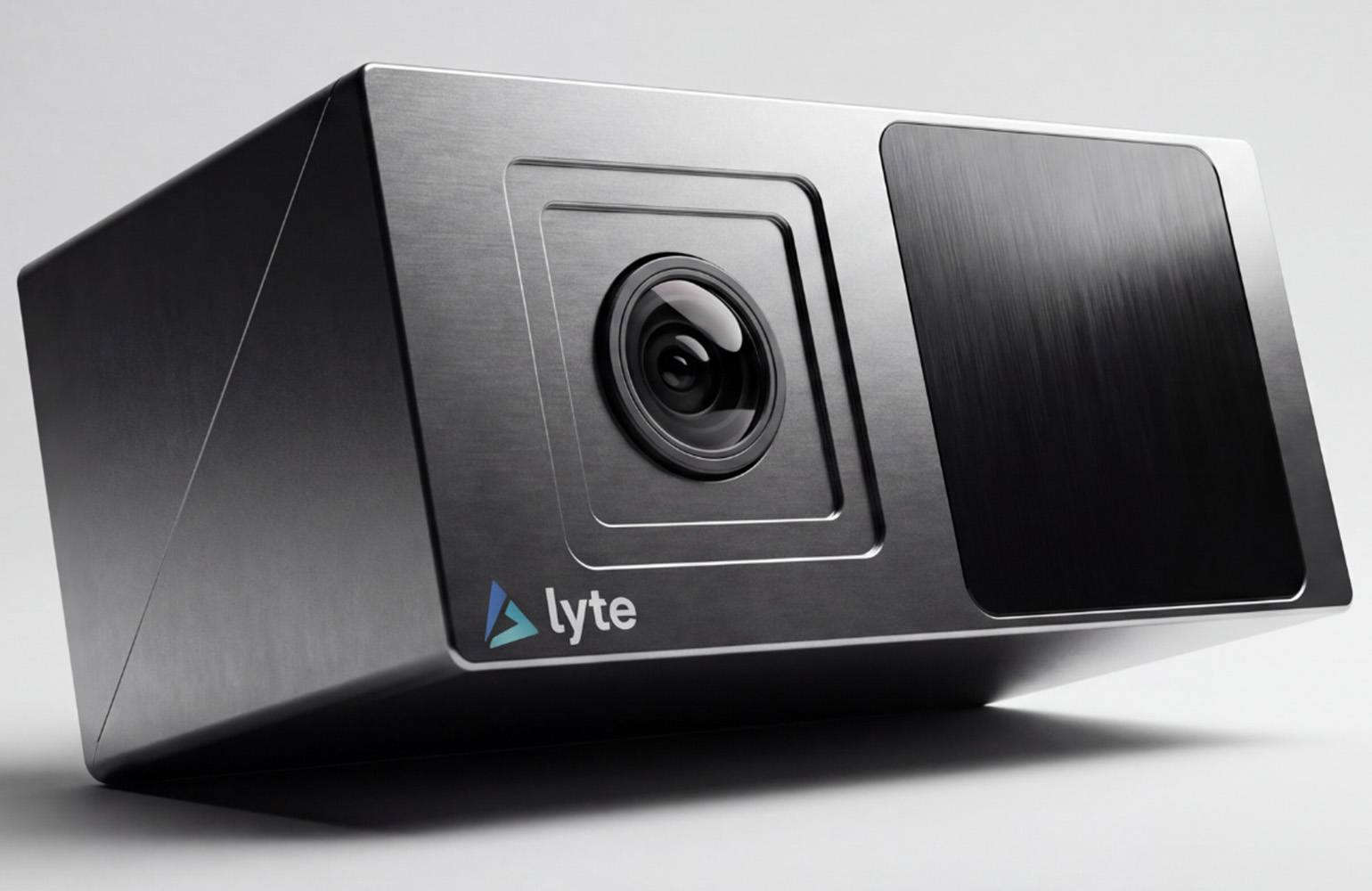
Lyte raises $165M to help robots better sense their surroundings

Lyte AI secured $165 million in funding to advance AI and perception systems that enable robots to better understand and navigate their environments. The company plans to use the capital to scale production of its sensing and AI technology for robotic applications.

AI & MLRobotics
Robot.com partners with Sodexo to roll out more sidewalk delivery robots
Robotics Business Review·Sep 4, 2026

Robot.com partners with Sodexo to roll out more sidewalk delivery robots

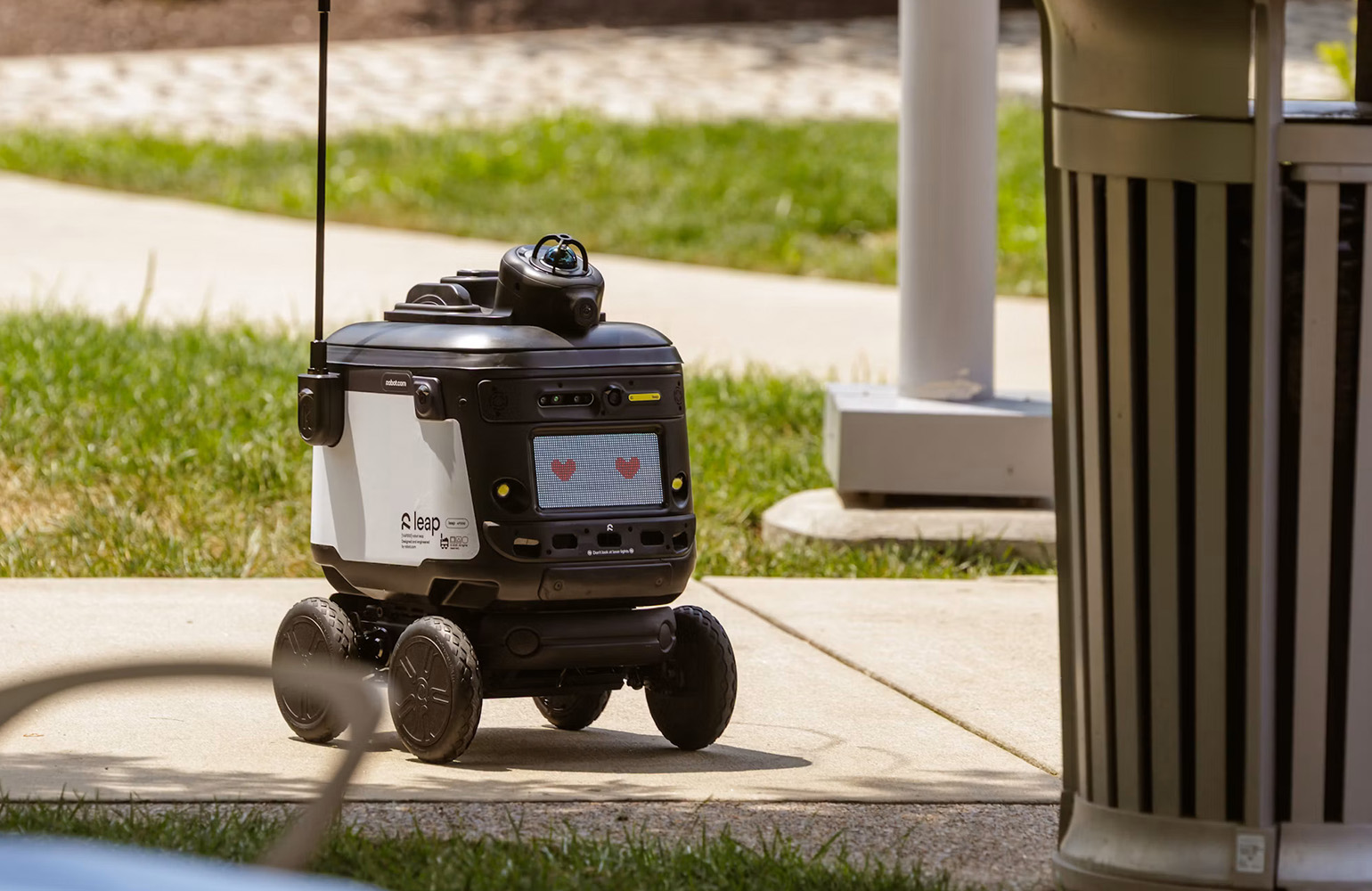
Robot.com is expanding its sidewalk delivery robot operations through a partnership with Sodexo, the food service company. College campuses will serve as a key market for scaling these autonomous delivery systems.

RoboticsAutonomy
Medtronic invests $700M in surgical partner Cornerstone Robotics
Robotics Business Review·Sep 3, 2026

Medtronic invests $700M in surgical partner Cornerstone Robotics

Medtronic is investing $700 million in Cornerstone Robotics to expand surgical robotics capabilities through a multi-port portfolio featuring the Hugo surgical system and Sentire technology. This partnership aims to advance robotic solutions in the operating room.

Robotics
JAKA hits Teradyne Robotics back over patent dispute
Robotics Business Review·Sep 3, 2026

JAKA hits Teradyne Robotics back over patent dispute

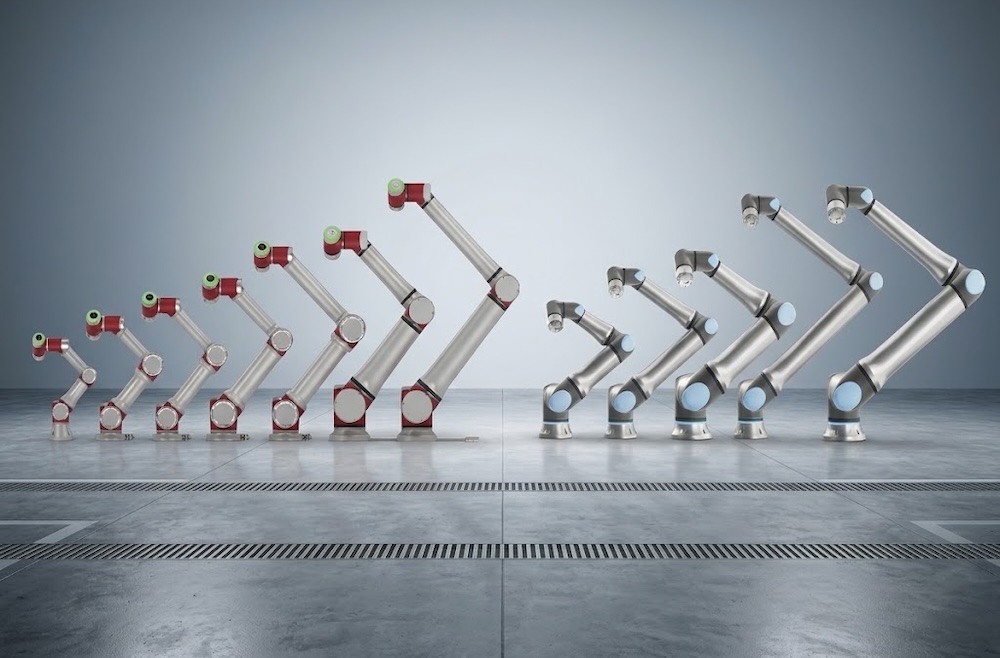
JAKA is pursuing legal action against Teradyne Robotics over a patent dispute, seeking to stop the company from making public statements JAKA claims are false and damaging. The two robotics companies are in an escalating legal battle over intellectual property rights.

Robotics
NexCOBOT discusses physical AI market hurdles and acceleration
Robotics Business Review·Sep 2, 2026

NexCOBOT discusses physical AI market hurdles and acceleration

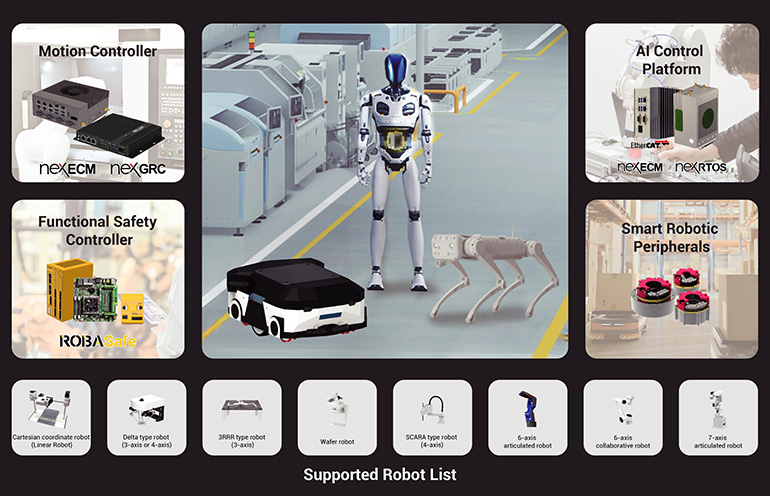
NexCOBOT, a provider of safety and motion control systems, analyzes the current challenges and growth opportunities in the physical AI market for robotics and automation. The company highlights how major technology firms are advancing physical AI adoption and identifies where the sector is positioned to expand in industrial applications.

AI & MLRobotics
Learn why food is physical AI’s hardest problem at RoboBusiness
Robotics Business Review·Sep 2, 2026

Learn why food is physical AI’s hardest problem at RoboBusiness

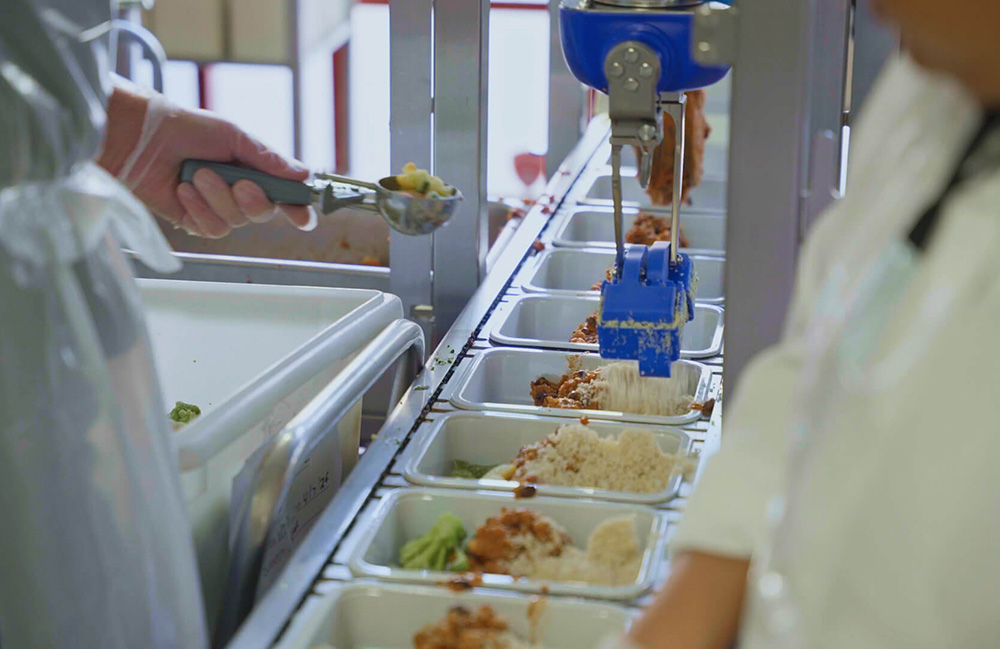
Chef Robotics CEO Rajat Bhageria will discuss why food handling represents one of the most challenging applications for physical artificial intelligence systems. The complexity of food as a benchmark for robotics highlights the technical difficulties in developing AI systems for tasks requiring dexterity and adaptability.

AI & MLRobotics
AIR to use Elmo Motion Control technology in uncrewed cargo aircraft
Robotics Business Review·Sep 2, 2026

AIR to use Elmo Motion Control technology in uncrewed cargo aircraft

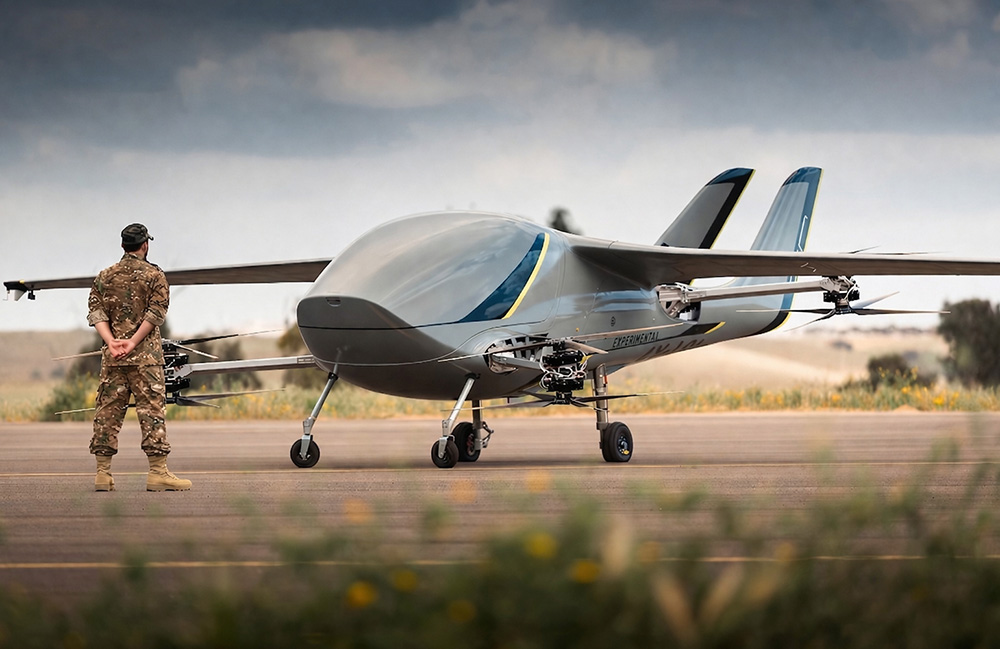
AIR is integrating Elmo Motion Control's servo drives into uncrewed cargo aircraft to power electric aviation systems. The partnership combines Elmo's compact, high-power servo technology with AIR's electric aircraft design for autonomous freight operations.

AutonomyElectrification
Top 10 robotics stories of August 2026
Robotics Business Review·Sep 1, 2026

Top 10 robotics stories of August 2026

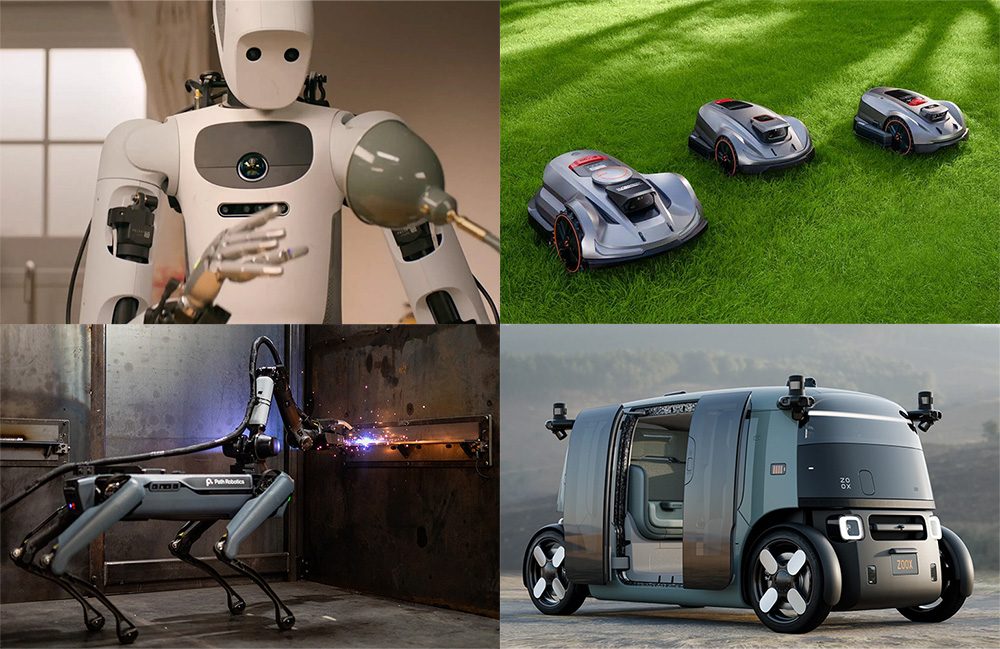
August 2026's top 10 stories included large funding rounds, updates in the humanoid robot industry, and the latest physical AI models. The post Top 10 robotics stories of August 2026 appeared first on The Robot Report .

AI & MLRobotics
Learn how physical AI is being used to do real work at RoboBusiness
Robotics Business Review·Sep 1, 2026

Learn how physical AI is being used to do real work at RoboBusiness

Amazon Robotics, Teradyne Robotics, and Cobot leaders are sharing how physical AI is being deployed in real-world job sites to perform actual work. The discussion focuses on practical applications of AI-powered robots operating in customer environments.

AI & MLRobotics
The Missing Layer in Robot Safety Assurance
Robotics Business Review·Sep 1, 2026

The Missing Layer in Robot Safety Assurance

Robot safety programs need to address cybersecurity vulnerabilities that could compromise how machines perceive their environment, make decisions, and execute tasks on job sites. Current safety assurance methods are missing this critical layer of protection against attacks that could alter robot behavior.

RoboticsAutonomy
HowToRobot and Robotics Australia Group partner on platform to encourage robot adoption
Robotics Business Review·Sep 1, 2026

HowToRobot and Robotics Australia Group partner on platform to encourage robot adoption

HowToRobot and Robotics Australia Group have launched a joint platform to help Australian construction and manufacturing businesses identify automation opportunities and implement robotic solutions. The platform connects companies with local robot suppliers and provides testing capabilities to evaluate automation before full adoption.

RoboticsWorkforce
Skild AI unveils S1 flagship robot foundation model
Robotics Business Review·Aug 31, 2026

Skild AI unveils S1 flagship robot foundation model

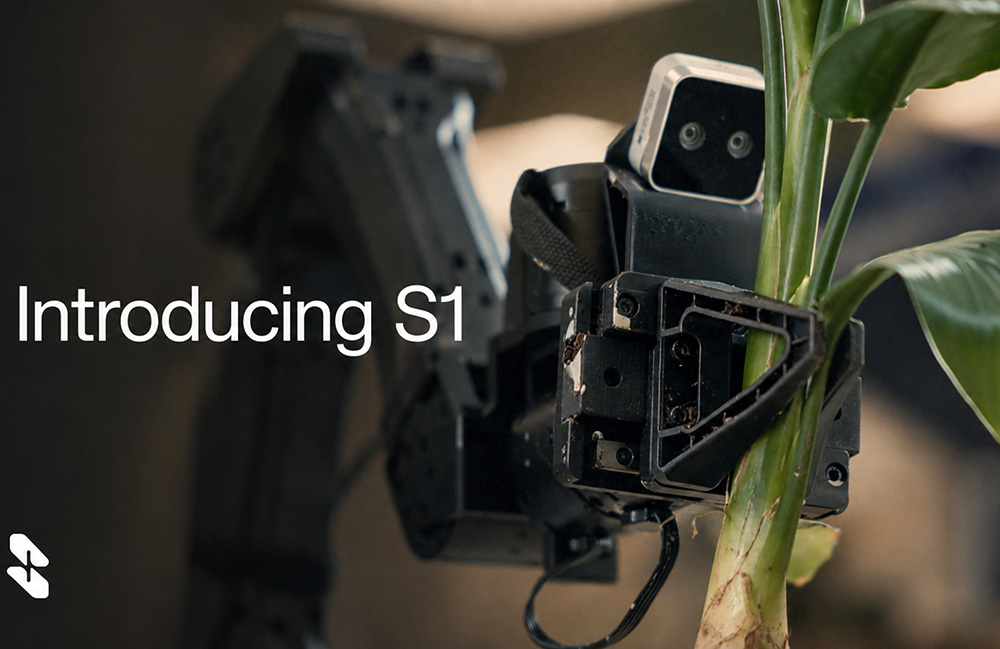
Skild AI introduced S1, a foundation model that allows robots to learn new tasks by watching video demonstrations. This technology could streamline how construction robots adapt to different job site requirements without extensive reprogramming.

AI & MLRobotics
How better grippers can unlock physical AI
Robotics Business Review·Aug 31, 2026

How better grippers can unlock physical AI

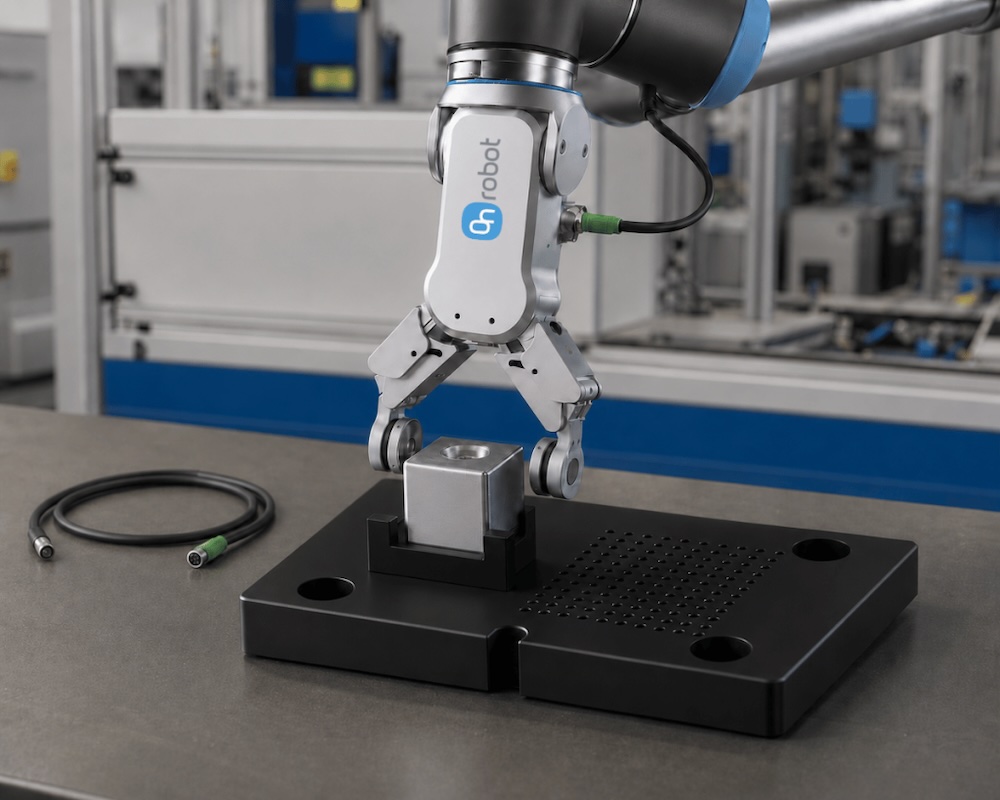
Physical AI depends on smarter grippers to give robots the dexterity, sensing and adaptability needed to handle real-world tasks. The post How better grippers can unlock physical AI appeared first on The Robot Report .

Robotics
Reframe Systems raises $40M to scale its robotic microfactories for home building
Robotics Business Review·Aug 31, 2026

Reframe Systems raises $40M to scale its robotic microfactories for home building

Reframe Systems secured $40M in funding to expand its network of automated microfactories that produce building components near job sites. The company uses robotics to manufacture housing units locally, aiming to improve construction efficiency and reduce delivery times.

Robotics3D Printing
WEEKLY DISPATCH
The edge AI wall: Why embodied AI requires new mathematics
Robotics Business Review·Aug 30, 2026

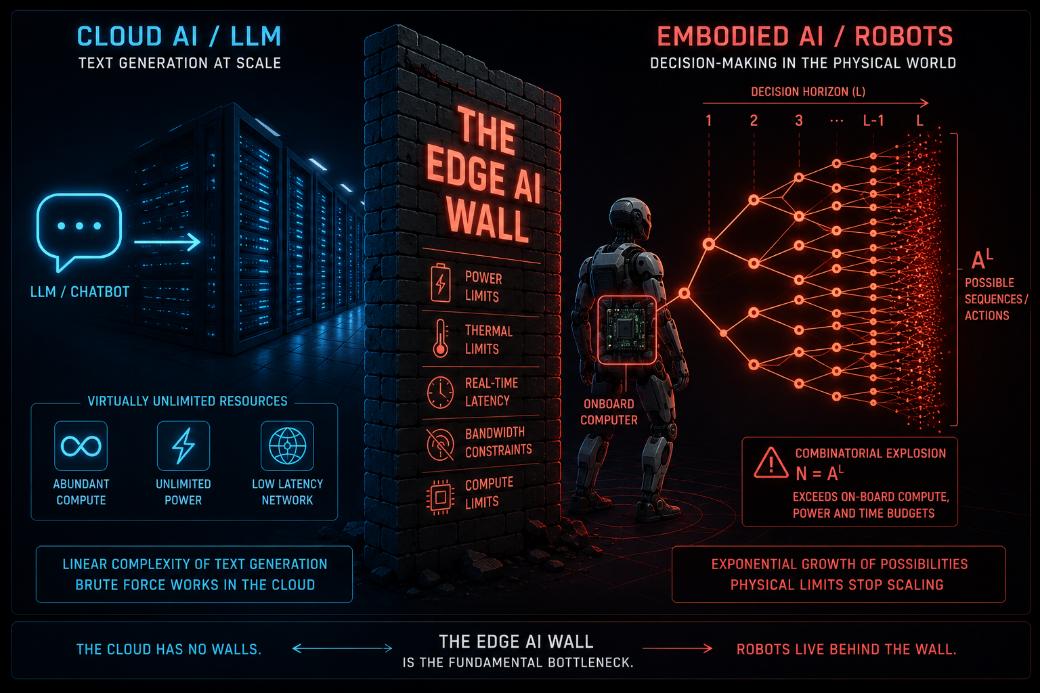
The edge AI wall: Why embodied AI requires new mathematics

Embodied AI systems face a fundamental computational bottleneck when deployed on job sites, limiting their ability to process complex planning tasks in real time. New mathematical approaches are needed to overcome this edge AI wall and make physical robots practical for construction work.

AI & MLRobotics
The differences between decentralized and centralized power in swarm robotics
Robotics Business Review·Aug 29, 2026

The differences between decentralized and centralized power in swarm robotics

Robotic swarms can use either centralized or decentralized power management systems, each with distinct advantages and trade-offs. A hybrid approach combining both methods may deliver superior performance for construction applications.

RoboticsAutonomy
From teach and repeat to SelfPath AI: The next robotics leap
Robotics Business Review·Aug 28, 2026

From teach and repeat to SelfPath AI: The next robotics leap

Brian Corp's CTO John Black discusses how the robotics industry is moving beyond traditional teach-and-repeat programming to more advanced AI systems like SelfPath. Building trust in robotic fleets requires addressing reliability and safety concerns that construction teams depend on for job site deployment.

RoboticsAI & ML
WEEKLY DISPATCH
EXL acquires physical AI model developer iMerit
Robotics Business Review·Aug 28, 2026

EXL acquires physical AI model developer iMerit

EXL has acquired iMerit, a developer of physical AI models used to train autonomous systems and robots. The combined company will offer construction and other industries improved tools for developing reliable AI-powered equipment and automation.

AI & MLRobotics