
Turn Field Data Into Better Decisions
Field data collection and analysis help construction teams make faster, more informed decisions on job sites. Better data integration reduces waste, improves scheduling, and increases project efficiency.
Field data collection and analysis help construction teams make faster, more informed decisions on job sites. Better data integration reduces waste, improves scheduling, and increases project efficiency.
The occupational safety community lacks a consistent definition of 'control,' which undermines the effectiveness of safety training and communications aimed at preventing serious injuries and fatalities. Researchers from the Construction Safety Research Alliance are calling for the industry to establish a shared understanding of what safety controls actually mean in practice.

The AGC Education & Research Foundation has established a new endowment in partnership with Monadnock Construction to support construction education and workforce development initiatives. The endowment will fund scholarships, training programs, and research efforts to address labor shortages and build skills in the construction industry.

Michigan OSHA launched a new webpage with resources and a recorded webinar focused on improving situational awareness in the workplace. The Stay Alert For Everyone (SAFE) initiative helps employers and workers recognize changing conditions and identify hazards on job sites.
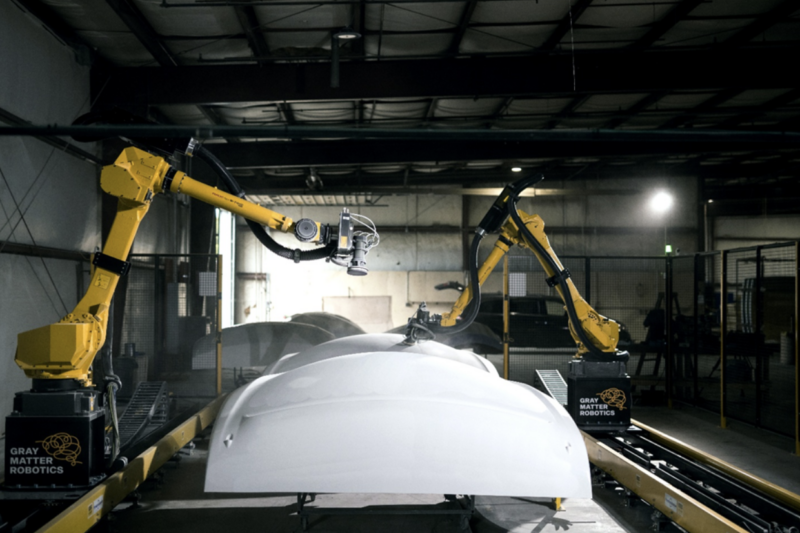
Manufacturers are evaluating humanoid robots for surface finishing work to reduce cycle times and boost production throughput. These general-purpose industrial robots can operate beyond human physical constraints, making them an attractive option for finishing applications.

The National Transportation Safety Board is urging the Federal Aviation Administration to require airline pilots and flight crews to undergo realistic training for cockpit smoke emergencies. The recommendation comes from an NTSB investigation report examining how crews respond to smoke-related incidents in aircraft.

Trunk Tools has released Cortex, an AI platform that reads construction drawings and links them directly to project records. Early users report measurable improvements in their workflow efficiency.
The Mine Safety and Health Administration warns miners that smell alone is unreliable for detecting ammonia exposure on job sites, despite the gas being colorless and flammable. Miners need proper monitoring equipment and detection methods beyond sensory perception to safely work around ammonia used in chemical processing and other mine operations.
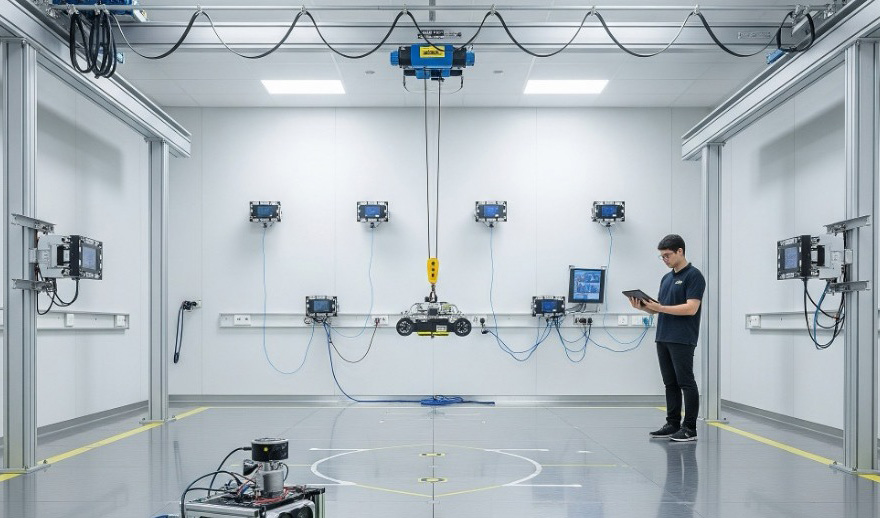
Fennec Engineering's automated traceability platform has achieved T2 qualification, meeting rigorous safety standards for construction operations. The certification validates the platform's ability to track and document safety-critical information on job sites.

Contractors who installed engineered wood flooring expecting better stability in dry climates have experienced unexpected failures despite the flooring's multi-layer construction. The widespread issues have made builders reconsider their use of engineered wood products on job sites.
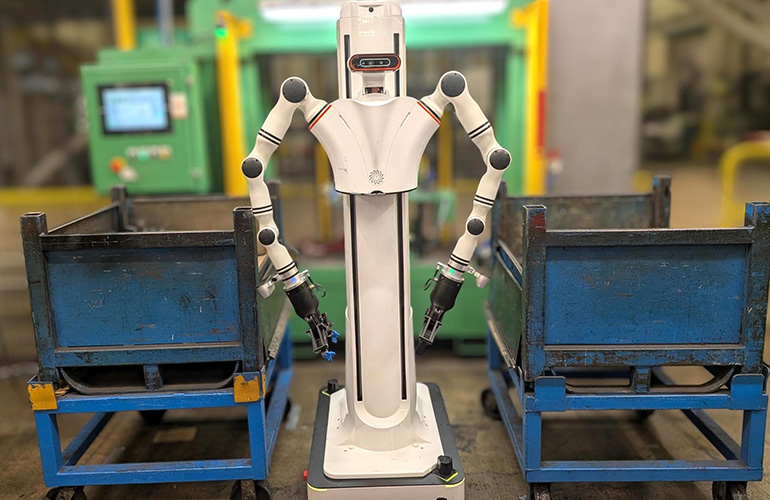
Autonomique has moved its AI-powered semi-humanoid robots from pilot testing into full production at Canadian manufacturer F&P Mfg. The company plans to expand deployment across F-tech's global manufacturing network.

Freud Industrial's 30-tooth LM74R010 Glue-Line Ripping Blade is a full-kerf saw blade that retails around $80 and performs well for ripping hardwoods like oak. This industrial-grade blade offers contractors a durable cutting option for demanding woodworking applications.
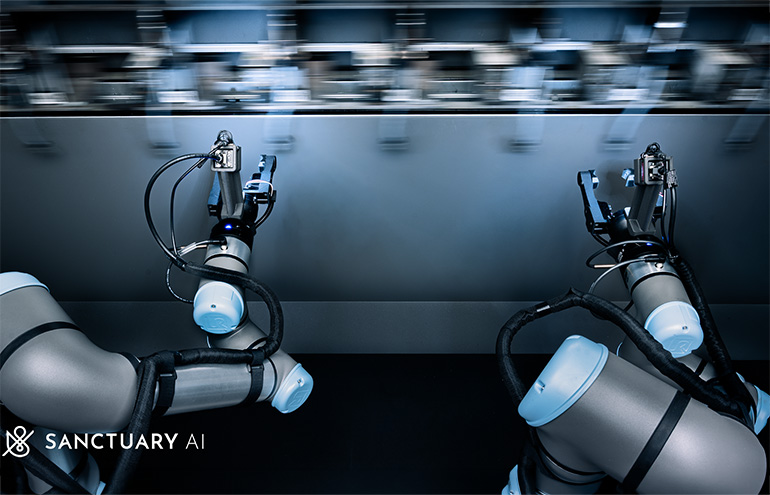
Sanctuary AI has demonstrated production-ready physical AI performance at a major automotive supplier, showing practical applications beyond theoretical humanoid development. The validation indicates that AI-driven robotics are moving toward real-world manufacturing deployment in industrial settings.

Construction companies face mounting pressure to attract, retain, and develop skilled workers in a tight labor market. Effective HR strategies and workforce management tools are essential to addressing staffing gaps and improving productivity on job sites.
Pegasus Tech Ventures and CYBERDYNE are launching a $60M investment fund focused on physical AI startups in robotics, automation, healthcare, and intelligent systems. The fund targets companies developing technologies that could transform how construction and industrial work gets done.

The Associated General Contractors of America has joined a broader business coalition advocating for immigration policy changes to address labor shortages in construction. The coalition is pushing for relief measures that would help the industry access the workforce it needs to meet project demands.

Falls continue to be a major hazard for roofing workers, prompting CPWR to host a webinar focused on safety improvement strategies. According to the instructor and field director featured in the May 8 event, reinforcing training programs is critical to reducing accidents on job sites.

Congressman Gary Palmer toured the Andrews Sports Medicine Project alongside the Associated General Contractors, likely discussing construction progress and industry collaboration. The visit highlights political engagement with a significant construction initiative in the AGC's region.
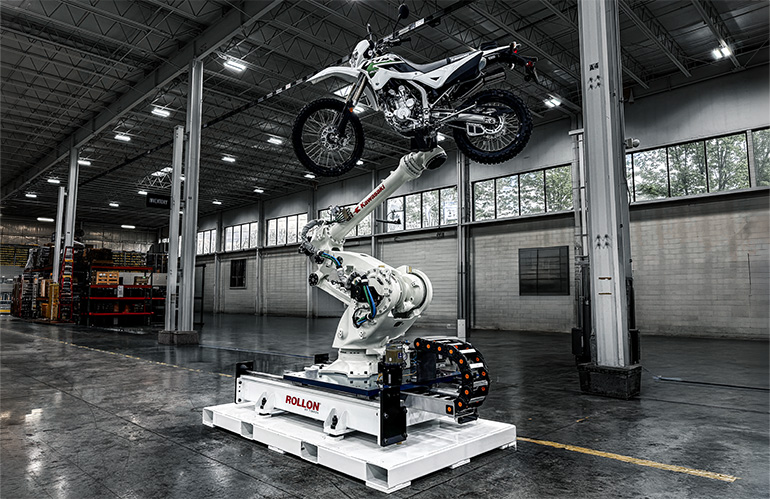
Kawasaki Robotics will showcase its RL030N physical AI platform at Automate, featuring an 8-degree-of-freedom robot and Pulseboard inspection technology for intelligent automation. The platform demonstrates the company's vision for applying AI and robotics to automate complex industrial and construction tasks.

Rhode Island lawmakers introduced legislation to classify assaults against rail transit workers as felonies, expanding current protections that cover physical strikes and chemical spray attacks. The proposed law aims to deter workplace violence and provide stronger legal consequences for those who assault transit employees.
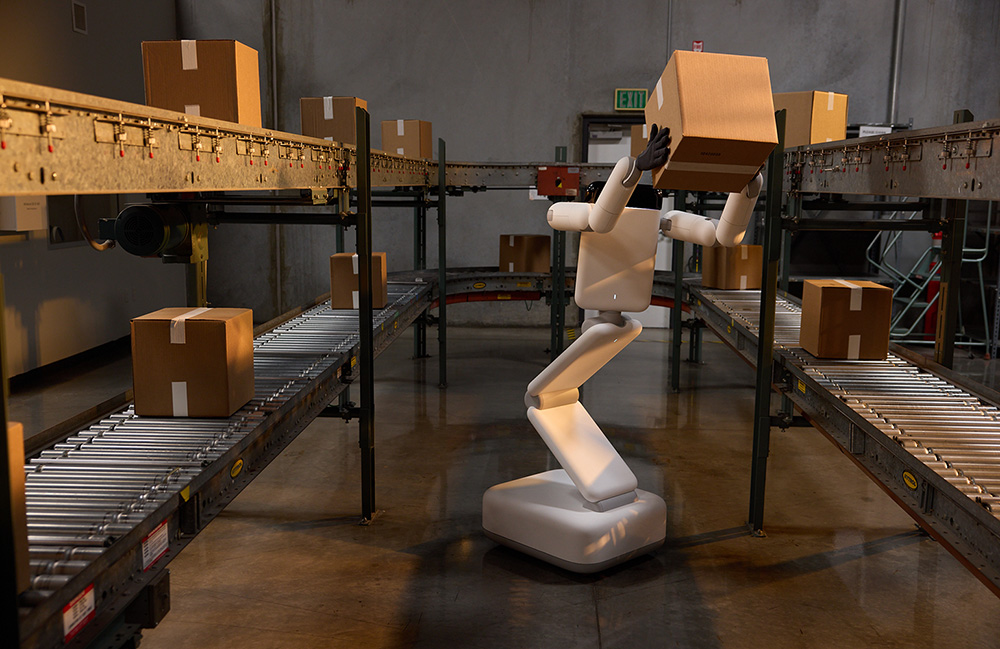
Genesis AI has launched Eno, a general-purpose robot designed for commercial and residential use. The company plans to begin customer deployments by the end of 2026, with home deployments scheduled for later.
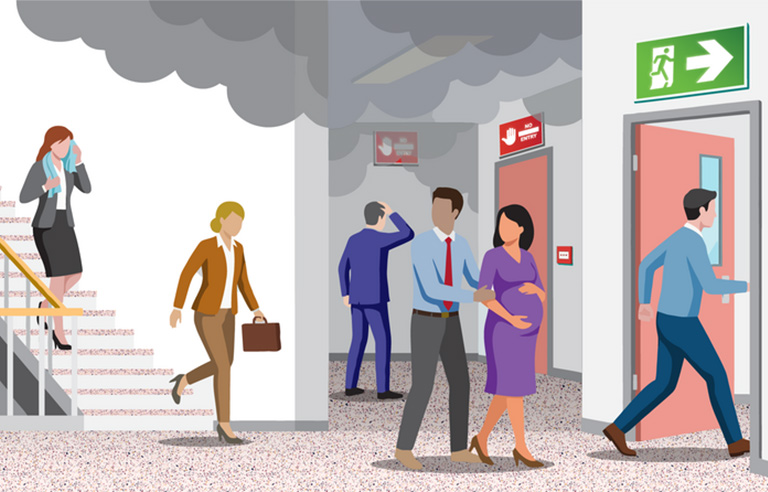
NIST researchers have developed Safe Step, an AI model that identifies the safest evacuation routes in real time during building fires. The technology helps guide occupants to exits by analyzing conditions as they change throughout an emergency.
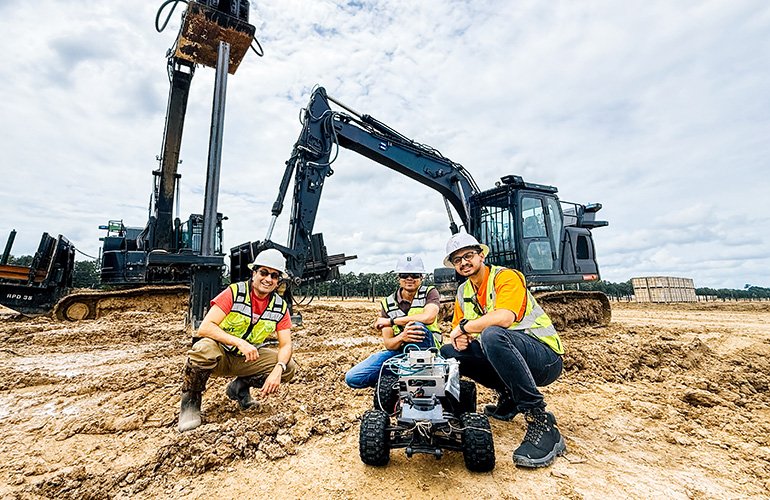
Built Robotics and Penn xLAB are collaborating to develop physical AI systems designed to enhance construction site safety through advanced data collection. The partnership aims to improve AI models that can better understand and respond to real-world construction environments.

The House passed the Faster Labor Contracts Act, which sets strict deadlines for employers to negotiate with newly unionized workers or submit to binding arbitration. Critics argue the law undermines free enterprise by removing flexibility from contract negotiations.